Parts for machines for working metal
CN → US| HS Code | Tariff Rate | Origin | Destination | Doc |
|---|---|---|---|---|
| 8462908060 | 39.4% | CN | US | Official Doc |
| 8458110030 | 39.4% | CN | US | Official Doc |
| 8461508090 | 39.4% | CN | US | Official Doc |
| 8462190055 | 39.4% | CN | US | Official Doc |
| 8461208090 | 39.4% | CN | US | Official Doc |
Product Images
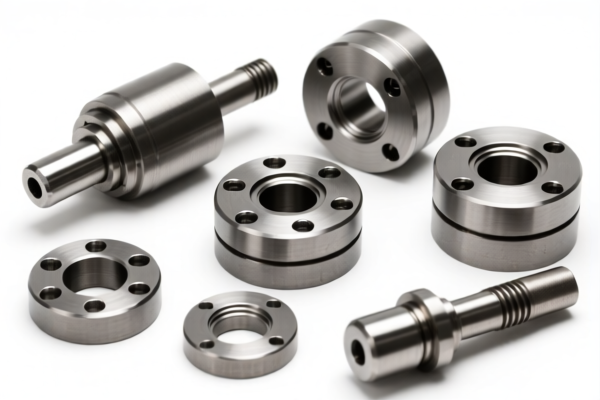
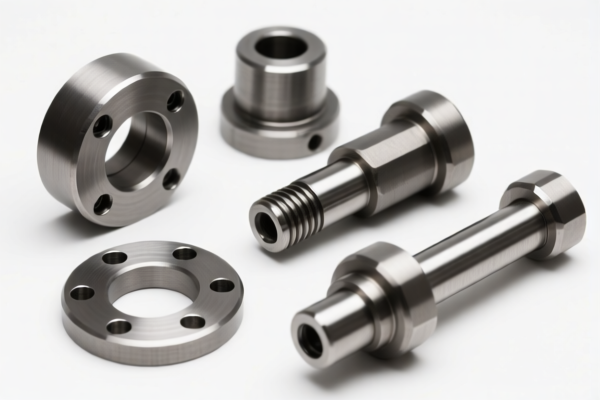
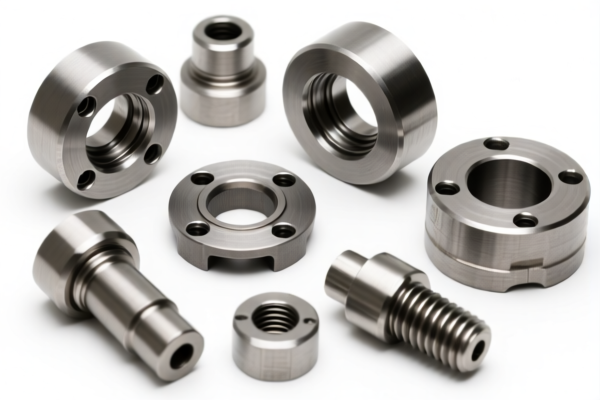
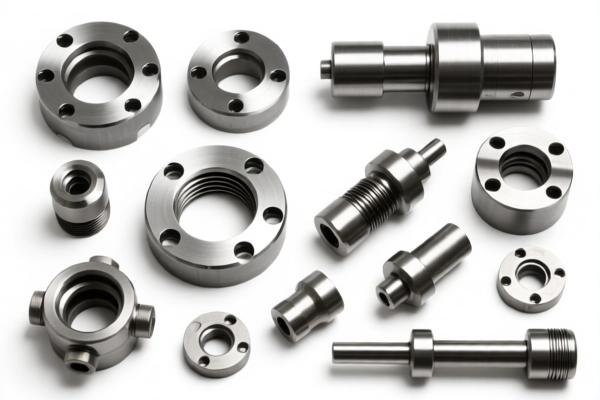
AI Analysis
🏭 Metalworking Machine Parts (Machine Components for Working Metal)
🌐 HS Code Reference & Customs Clearance Guide | 2026 Latest Tariff Analysis | Professional Clearance Strategy
📌 I. Product Definition & Classification: What Are "Parts for Metalworking Machines"?
"Parts for machines for working metal" is a broad category encompassing components designed for Metal Cutting, Forming, Pressing, and Grinding machinery. In international trade, precise classification is critical because these parts are subject to significant trade barriers, including the Section 301 and Section 232 tariffs.
Key distinctions determine the HS Code: 1. Metal Cutting Machines: Lathes, milling machines, grinding machines, planers. 2. Metal Forming/Pressing Machines: Hydraulic presses, forging hammers, bending machines. 3. Work-Holding Devices: Vises, chucks, tongs, collets specifically designed for these machines.
⚠️ Critical Distinction:
- If the part is specifically identifiable for a metalworking machine (e.g., a lathe chuck), it falls under Chapter 84 (Parts of Machinery).
- If the part is a general-purpose component (e.g., a standard bolt, generic gear, or simple metal plate not specifically adapted), it may fall under different chapters (e.g., Chapter 73 or 76).
- Conflicts Check: There are no material or functional conflicts for the HS codes listed below, as they strictly pertain to metalworking applications.
📦 II. HS Code Classification Details (2026 Latest Tariff Authority Comparison)
Based on the provided data, all candidate HS codes share the same tariff structure due to their classification as essential components of metalworking equipment.
| HS Code | Product Description | Application Scenario | Match Level | Material/Function Conflict? |
|---|---|---|---|---|
8462.90.80.60 |
Parts of machines for bending, folding, straightening, cutting, shearing, punching or stamping metal | Parts for presses, shears, stamping machines, or general metal processing equipment. | ✅ No Conflict | ❌ None |
8458.11.00.30 |
Parts of lathes | Components specifically for metal cutting lathes (e.g., tool holders, tailstocks, chuck jaws). | 🔥 High Match | ❌ None |
8461.50.80.90 |
Parts of grinding machines, surface grinding machines | Components for grinding, polishing, or abrasive cutting metal. | 🔥 High Consistency | ❌ None |
8462.19.00.55 |
Parts of machines for bending, folding, etc. (Metal) | Broad category for forming machines; generic metalworking parts where specific machine type is less defined. | ⚖️ Broad Category | ❌ None |
8461.20.80.90 |
Parts of drilling, tapping, milling, planing machines | Components for milling, drilling, or planing metal operations. | ⚖️ Other Category | ❌ None |
🔍 Key Insight:
- All listed HS Codes fall under Chapter 84 (Nuclear reactors, boilers, machinery and mechanical appliances; parts thereof).
- The "Material" is consistently Metal, and the "Use" is consistently Processing/Cutting/Forming.
- There are no conflicts in material or function across these codes. The choice depends on the specific machine type (Lathe vs. Grinder vs. Press) the part serves.
💰 III. 2026 Latest Tariff Rate Breakdown (Including Surtaxes & Policy Add-ons)
✅ Applicable Country: United States (US)
✅ Origin: China (CN)
✅ Effective Date: Post-2025/2026 (Includes current surtax structures)
🎯 1. Unified Tariff Structure for All Listed HS Codes
| HS Code | Base Duty | Section 301 (Additional) | Section 232 (Steel/Aluminum) / Other | Total Tax Rate |
|---|---|---|---|---|
8462.90.80.60 |
4.4% | 25.0% | 10% (122 Clause/IEEPA) | 39.4% |
8458.11.00.30 |
4.4% | 25.0% | 10% (122 Clause/IEEPA) | 39.4% |
8461.50.80.90 |
4.4% | 25.0% | 10% (122 Clause/IEEPA) | 39.4% |
8462.19.00.55 |
4.4% | 25.0% | 10% (122 Clause/IEEPA) | 39.4% |
8461.20.80.90 |
4.4% | 25.0% | 10% (122 Clause/IEEPA) | 39.4% |
📌 Detailed Explanation of Tax Components:
1. Base Duty (4.4%): Standard Most-Favored-Nation (MFN) rate for parts of machinery under Chapter 84.
2. Section 301 Surtax (25.0%): Additional tariff imposed on Chinese-origin goods under Trade Act Section 301. This is a fixed 25% on top of the base duty.
3. 122 Clause Tariff (10%): Refers to additional duties under IEEPA (International Emergency Economic Powers Act) or specific Section 232 related provisions depending on the specific product exclusion list status. In this dataset, it is explicitly listed as 10%.
4. Total Effective Rate: 39.4%. This is a high-cost scenario for metalworking parts imported from China to the US.⚠️ Calculation Example:
- CIF Value: $10,000
- Base Duty: $10,000 × 4.4% = $440
- Section 301: $10,000 × 25.0% = $2,500
- 122 Clause: $10,000 × 10% = $1,000
- Total Tax: $440 + $2,500 + $1,000 = $3,940 (39.4%)
🛠️ IV. Customs Clearance Practical Advice (Real-World Pitfall Avoidance)
✅ 1. Preparation Checklist (Non-negotiable Documents)
| Document | Required | Purpose |
|---|---|---|
| Product Specifications | ✔️ | Must clearly state: "Part for [Specific Metalworking Machine Type]" |
| Technical Drawings | ✔️ | To prove the part is specifically designed for a machine (not a generic hardware item). |
| Material Certificate | ✔️ | Confirm material is metal (steel/aluminum) to avoid misclassification as plastics/ceramics. |
| Commercial Invoice | ✔️ | Must list HS Code explicitly. Avoid vague descriptions like "Machine Parts." |
| Packing List | ✔️ | Separate parts from accessories if possible to avoid bundling issues. |
| Certificate of Origin | ✔️ | Essential for applying any potential exemptions (though unlikely for China). |
✅ 2. Declaration Best Practices
🔥 "Be Specific, Not Generic!"
| Scenario | Correct Declaration | Incorrect Declaration | Consequence |
|---|---|---|---|
| Lathe Chuck | "Part of Metal Cutting Lathe" + 8458.11.00.30 |
"Metal Part for Machine" | Misclassification → Delayed Clearance |
| Grinding Wheel Holder | "Part of Grinding Machine" + 8461.50.80.90 |
"Tool Holder" | Ambiguous → Auditor Review |
| Press Machine Die | "Part of Metal Pressing Machine" + 8462.90.80.60 |
"Metal Die" | Generic → Potential Re-classification |
| General Bolt | Do NOT use these HS Codes | Use Chapter 73/76 | Using Chapter 84 for generic bolts = Fraud/Misclassification |
✅ 3. Special Considerations
| Situation | Recommendation |
|---|---|
| Exemption Applications | Check if the specific HS Code is on the Exclusion List for Section 301 or 232. If yes, you may qualify for reduced rates. |
| Kit vs. Single Part | If imported as a "Kit" (e.g., Lathe Parts Kit), the entire kit may be classified under the primary machine part HS Code. |
| Aftermarket Parts | Ensure parts are not branded with the original equipment manufacturer (OEM) trademark to avoid IP-related seizures. |
| Steel/Aluminum Content | If the part is primarily steel/aluminum, verify if Section 232 tariffs (25% on steel) apply in addition to the 122 clause. The dataset shows 10%, but always verify current USITC lists. |
🌍 V. Global Market Comparison (2026)
| Country/Region | Recommended HS Code | Tariff Rate (China Origin) | Key Certification | Notes |
|---|---|---|---|---|
| 🇺🇸 USA | Varies by Machine Type | 39.4% (as per data) | None specific | High tariffs due to Section 301 & 232. |
| 🇨🇳 China | Varies by Machine Type | 5-8% | CCC (if applicable) | Domestic duty is low. |
| 🇪🇺 EU | Varies by Machine Type | 0-4.5% | CE | No Section 301 equivalents. |
| 🇯🇵 Japan | Varies by Machine Type | 0-3% | PSE (if electrical) | Favorable for machinery parts. |
📌 Conclusion:
- The US is the most expensive market for these parts due to the 39.4% effective tariff.
- Consider supply chain diversification (e.g., sourcing parts from Vietnam, Mexico, or India) if shipping to the US, to potentially avoid Section 301 tariffs (if rules of origin are met).
📌 VI. Common Mistakes & Pitfalls (Lessons Learned)
❌ Mistake 1: Declaring a specific lathe part as "General Hardware"
👉 Result: Customs may reclassify it, leading to higher duties or penalties for misdeclaration.
❌ Mistake 2: Ignoring the 122 Clause (10%)
👉 Result: Underpaying duties → Back-tariffs + Interest upon audit.
❌ Mistake 3: Not distinguishing between "Cutting" and "Forming" parts
👉 Result: Using 8462 (Forming) for a Lathe part (8458) → Compliance Risk. Always match the part to the specific machine function.
✅ Correct Action:
"Metal Lathe Chuck, CNC Compatible, Steel Construction, For Parts of Subheading 8458.11"
🎯 VII. Conclusion: Professional Declaration Saves Money!
🎯 Remember the Formula:
🔹 "HS Code Defines Duty, Tariff Defines Cost, Declaration Defines Compliance!"
🔹 "39.4% is the cost of silence. Precision is the price of profit."
📌 Tips:
- If your parts are not from China (e.g., made in Thailand, Germany), the Section 301 and 122 Clause tariffs likely do not apply. The base duty (4.4%) may be the only cost.
- Apply for an Advance Ruling from US Customs if the part's function is ambiguous.
- Verify Exclusion Lists regularly, as they change dynamically.
📣 Immediate Action:
📞 Contact a licensed customs broker.
📄 Provide technical drawings for HS Code pre-ruling.
🚀 Ensure your commercial invoice matches the HS Code exactly to avoid holds and demurrage fees.
✨ Precise Classification = Predictable Costs
💼 Don't let 39.4% erase your margins. Classify correctly.
Customer Reviews
About HS Code Classification
The Harmonized System (HS) is an internationally standardized nomenclature developed by the World Customs Organization (WCO) to classify traded products. Over 200 countries use the HS system as the basis for customs tariffs, trade statistics, and import/export regulations.
Each HS code follows a hierarchical structure:
- Chapter (2 digits) — Broad category of goods (e.g., Chapter 84: Machinery and Mechanical Appliances)
- Heading (4 digits) — More specific grouping within the chapter
- Subheading (6 digits) — Internationally standardized breakdown, used by all WCO member countries
- National subdivisions (8-10 digits) — Country-specific extensions for further classification, such as US HTSUS 10-digit codes
Correct HS code classification is essential for smooth customs clearance, accurate duty payment, and compliance with trade regulations. Misclassification can lead to customs delays, overpayment of duties, or penalties.
When importing from CN to US, the applicable tariff rates may include:
- Most-Favored-Nation (MFN) rate — The standard duty rate applied to WTO members
- General rate — Applied to countries without trade agreements
- Trade remedy duties — Additional tariffs such as Section 301 (anti-dumping), Section 232 (national security), or countervailing duties
The information provided on this page is for reference purposes only. For official classification, please consult with your local customs authority or a licensed customs broker.