Parts for machines of headings 8430 or 8431
CN → US| HS Code | Tariff Rate | Origin | Destination | Doc |
|---|---|---|---|---|
| 8431438040 | 35.0% | CN | US | Official Doc |
| 8433905025 | 35.0% | CN | US | Official Doc |
| 8433905045 | 35.0% | CN | US | Official Doc |
Product Images
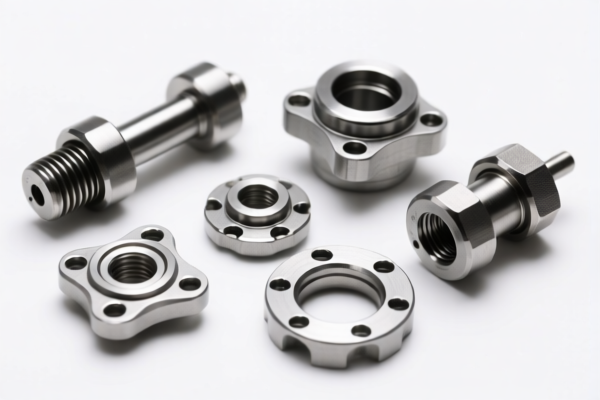
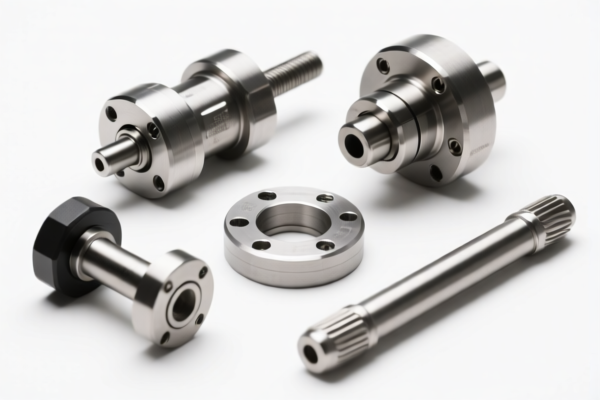
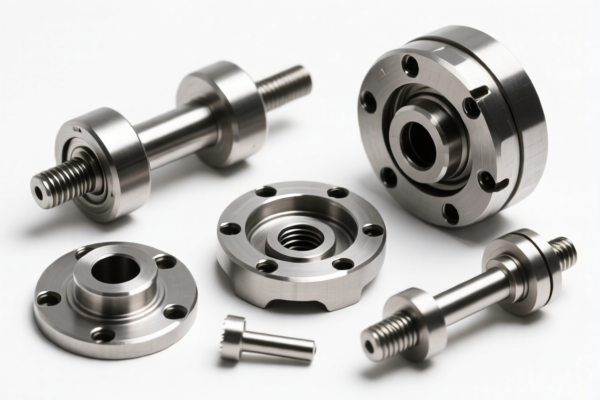
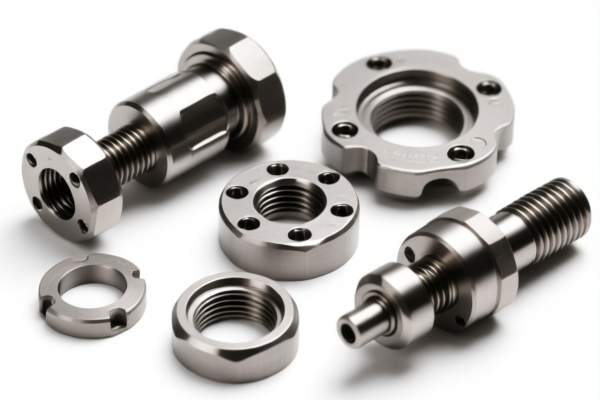
AI Analysis
🚜 Agricultural & Drilling Machinery Parts (HS 8430/8431)
🌐 HS Code Reference & Customs Clearance Guide | 2024/2025 Tax Structure | Professional Entry Strategy
📌 I. Product Definition & Classification: Are You Importing "Parts" or "Complete Machines"?
This category covers components specifically designed for Earthmoving, Excavating, Drilling, Boring, and Sinking Machinery (Heading 8430) and their specialized Parts and Accessories (Heading 8431). In international trade, precision is critical because customs authorities distinguish between "general machinery parts" and "specialized agricultural/oil-field components."
Key Distinctions: * Agricultural Parts (8433.90): Components for mowers, balers, and harvesters. * Drilling/Oil Field Parts (8431.43): Components for boring, sinking, or drilling machinery (subheadings 8430.41/8430.49), including drill pipes and tool joints.
⚠️ Critical Classification Point:
- If the part is for haymaking/baling equipment → Look at 8433.90 series.
- If the part is for boring/drilling (oil/gas/geo) → Look at 8431.43 series.
- Do not mix these categories; misclassification leads to severe penalties and delays.
📦 II. HS Code Classification Details (Latest Customs Tariff Data)
Based on the provided data, here are the specific HS codes and their descriptions:
| HS Code | Product Description | Specific Application |
|---|---|---|
8433.90.50.45 |
Parts of other mowers, harvesting machines, and threshing machines: Other | General parts for mowers/harvesters not covered by specific subheadings. |
8433.90.50.25 |
Parts of other mowers, harvesting machines, and threshing machines: Of haying machines and balers | Specific components for balers and haymaking equipment. |
8431.43.80.40 |
Parts suitable for use with machinery of headings 8425-8430: Of oil and gas field machinery: Drill pipe fitted with tool joints | Drill pipes used in oil/gas extraction, specifically fitted with tool joints. |
8431.43.80.20 |
Parts suitable for use with machinery of headings 8425-8430: Of oil and gas field machinery: Tool joints, whether or not forged | Tool joints themselves (the connectors for drill pipes), whether forged or not. |
🔍 Note on Headings 8425-8430:
These codes fall under "Parts suitable for use solely or principally with the machinery of headings 8425 to 8430." This means they are dedicated parts for cranes, lifts, self-loading trucks, boring/sinking machinery, etc. General screws or bolts are not included here unless specifically integral to the machinery's operation.
💰 III. 2024/2025 Tariff Rate Breakdown (High-Level Trade Restrictions)
✅ Applicable Country: United States (US)
✅ Origin: China (CN)
✅ Status: Subject to Additional Tariffs (Section 301)
All four HS codes listed above are subject to the same tariff structure due to their classification as industrial/agricultural machinery parts.
🎯 1. All Listed HS Codes (8433.90.50.45, 8433.90.50.25, 8431.43.80.40, 8431.43.80.20)
| Item | Details |
|---|---|
| Basic Tariff | 0.0% (Ad Valorem) |
| Additional Tariff (Section 301) | +25.0% |
| Total Effective Tax Rate | 25.0% |
| Tax Calculation Basis | CIF Value × 25% |
| De Minimis Exemption | ❌ Not Eligible |
| Legal Reference | USITC Section 301 Tariff List |
📌 Explanation:
- Basic Tariff (0%): Many industrial parts have low basic duties, but... - Additional Tariff (+25%): Under US Trade Law Section 301, products from China classified under these specific agricultural and drilling machinery parts are subject to a 25% punitive tariff. - Total Impact: You will pay 25% of the product's value in customs duties alone, on top of shipping and insurance costs.
🛠️ IV. Customs Clearance Practical Advice (Avoiding Pitfalls)
✅ 1. Documentation Checklist (Mandatory)
| Document | Required? | Purpose |
|---|---|---|
| ✅ Detailed Product Specifications | ✔️ | Must clearly state "Part for [Specific Machine Model]" (e.g., "Tool Joint for Drill Pipe Model X"). |
| ✅ Commercial Invoice | ✔️ | Must list HS Code explicitly. Do not use generic terms like "Metal Parts." |
| ✅ Packing List | ✔️ | Separate agricultural parts from drilling parts if shipped in the same container. |
| ✅ Proof of Origin (China) | ✔️ | Required to confirm applicability of Section 301 tariffs. |
| ✅ Technical Drawings/Photos | ✔️ | Customs may request these to verify the part is indeed for 8430/8431 machinery and not a general hardware item. |
✅ 2. Classification Strategy & Warnings
🔥 "Be Specific, Not Generic!"
| Scenario | Correct Approach | Incorrect Approach | Consequence |
|---|---|---|---|
| Drill Pipe Joints | Use 8431.43.80.40 or 8431.43.80.20 with precise description: "Forged Tool Joints for Oil Field Drilling" |
Describe as "Steel Connections" or "Pipe Fittings" | Risk of rejection or misclassification under general steel goods (different tariffs). |
| Mower Parts | Use 8433.90.50.25 for baler parts, 8433.90.50.45 for others. |
Use 8433.90.50.90 (Other) if specific subcategory exists. |
Using "Other" when a specific code exists may trigger additional scrutiny. |
| Mixed Container | Separate declarations for 8433 (Agri) and 8431 (Drilling) items. | Declaring all as "Machinery Parts" | Customs may apply the highest tariff or delay for examination. |
✅ 3. Special Considerations for Oil & Gas Field Machinery (8431.43)
-
Tool Joints vs. Drill Pipes:
8431.43.80.40is for Drill Pipes Fitted with Tool Joints (the entire assembly).8431.43.80.20is for Tool Joints Only (whether or not forged).- Clearance Tip: Ensure your invoice distinguishes between the pipe body and the joint. If shipped separately, declare separately.
-
"Whether or Not Forged":
- The tariff does not differentiate based on manufacturing process (forged vs. cast) for
8431.43.80.20. Both are taxed at 25%.
- The tariff does not differentiate based on manufacturing process (forged vs. cast) for
🌍 V. Global Market Comparison (Tariff Impact)
| Country/Region | HS Code Group | Approx. Tariff (China Origin) | Notes |
|---|---|---|---|
| 🇺🇸 USA | 8433.90 & 8431.43 | 25% (Total) | High Barrier: Section 301 tariffs apply. No de minimis exemption. |
| 🇨🇳 China (Export) | 8433.90 & 8431.43 | 0% (Export Duty) | China does not tax exports for these items, but importers face US tariffs. |
| 🇪🇺 EU | 8433.90 & 8431.43 | ~2.5% - 4% | No additional punitive tariffs. Standard Most Favored Nation (MFN) rates apply. |
| 🇲🇽 Mexico | 8433.90 & 8431.43 | ~2% - 5% | Favorable under USMCA if originating in North America. |
📌 Strategic Insight:
If you are exporting to the USA, the 25% additional tariff significantly impacts profitability. Consider: 1. Supply Chain Diversification: Sourcing parts from non-China countries (e.g., Vietnam, Germany) to avoid Section 301. 2. Price Adjustment: Absorb part of the cost or renegotiate prices with US buyers. 3. Pre-Classification Ruling: Apply for an Advance Ruling from US Customs (CBP) to ensure the HS code is correct and avoid future disputes.
📌 VI. Common Errors & Pitfalls (Lessons Learned)
❌ Error 1: Declaring "Tool Joints" as "General Steel Fittings"
👉 Consequence: Incorrect HS Code, potential fraud charges, and retroactive tariffs.
❌ Error 2: Ignoring the "Fitted with Tool Joints" vs. "Tool Joints Only" distinction
👉 Consequence: Misclassification between 8431.43.80.40 and 8431.43.80.20. While both have 25% tariff, accuracy is required for customs statistics and compliance.
❌ Error 3: Assuming "Parts" qualify for De Minimis (Under $800)
👉 Consequence: Major Risk! Section 301 tariffs do not apply to de minimis exemptions. Shipments valued under $800 from China for these items still incur taxes and are subject to scrutiny.
🎯 VII. Conclusion: Precision Saves Money!
🎯 Key Takeaway:
🔹 All 4 HS Codes carry a 25% Additional Tariff for Chinese-origin goods entering the USA.
🔹 Do not guess the HS Code. Use the specific descriptions provided.
🔹 Document Everything: Clear descriptions like "Drill Pipe Fitted with Tool Joint" or "Baler Part for Haymaking Machine" are essential for smooth clearance.
📌 Action Item:
📞 Contact your freight forwarder to confirm the exact HS code based on your technical drawings.
💼 Calculate landed cost including the 25% duty before finalizing quotes with US buyers.
🚀 Compliance First: Avoid misclassification to prevent delays, fines, and seizures.
✨ Professional Customs Clearance Starts with Accurate Classification!
💼 Your bottom line depends on every decimal point!
Customer Reviews
About HS Code Classification
The Harmonized System (HS) is an internationally standardized nomenclature developed by the World Customs Organization (WCO) to classify traded products. Over 200 countries use the HS system as the basis for customs tariffs, trade statistics, and import/export regulations.
Each HS code follows a hierarchical structure:
- Chapter (2 digits) — Broad category of goods (e.g., Chapter 84: Machinery and Mechanical Appliances)
- Heading (4 digits) — More specific grouping within the chapter
- Subheading (6 digits) — Internationally standardized breakdown, used by all WCO member countries
- National subdivisions (8-10 digits) — Country-specific extensions for further classification, such as US HTSUS 10-digit codes
Correct HS code classification is essential for smooth customs clearance, accurate duty payment, and compliance with trade regulations. Misclassification can lead to customs delays, overpayment of duties, or penalties.
When importing from CN to US, the applicable tariff rates may include:
- Most-Favored-Nation (MFN) rate — The standard duty rate applied to WTO members
- General rate — Applied to countries without trade agreements
- Trade remedy duties — Additional tariffs such as Section 301 (anti-dumping), Section 232 (national security), or countervailing duties
The information provided on this page is for reference purposes only. For official classification, please consult with your local customs authority or a licensed customs broker.