Parts of Seats
CN → US| HS Code | Tariff Rate | Origin | Destination | Doc |
|---|---|---|---|---|
| 7326908688 | 87.9% | CN | US | Official Doc |
| 3926305000 | 22.8% | CN | US | Official Doc |
| 7326190080 | 87.9% | CN | US | Official Doc |
| 3926301000 | 24.0% | CN | US | Official Doc |
Product Images
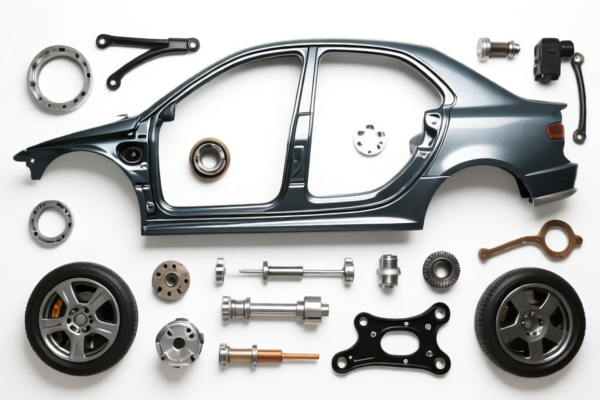
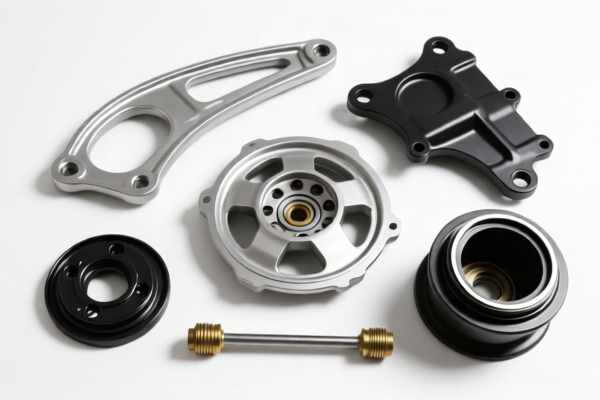
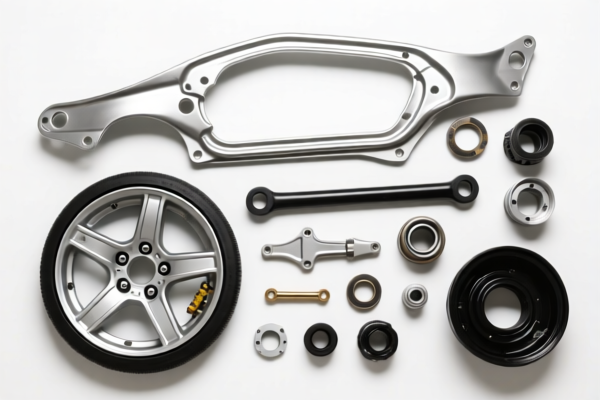
AI Analysis
💺 Seats Parts (Components for Seating)
🌐 HS Code Reference & Customs Clearance Guide | 2026 Latest Tariff Analysis | Professional Clearance Strategy
📌 I. Product Definition & Classification: What Exactly Are "Seat Parts"?
"Parts of Seats" is a broad category in international trade, covering everything from steel frames and plastic fittings to cushioning components. In customs classification, the material and specific function of the part are the deciding factors. Unlike whole seats, these components often fall into different chapters depending on whether they are metallic, plastic, or textile-based.
Metal Seat Parts: Steel or iron frames, brackets, hinges, and structural supports. Plastic/Synthetic Seat Parts: Plastic covers, armrests, connectors, adjustment mechanisms made of synthetic materials, and decorative panels.
⚠️ Key Distinction:
- If the part is structural/metallic → Likely falls under Chapter 73 (Articles of Iron or Steel).
- If the part is plastic/synthetic → Likely falls under Chapter 39 (Articles of Plastics).
- Crucial Note: Under current US trade policies (Section 301 and Section 232/122), metallic parts are subject to significantly higher tariffs than plastic ones. Misclassification can lead to massive cost differences.
📦 II. HS Code Classification Details (2026 Latest Tariff Reference)
Based on the provided data, here are the specific HS Codes for "Parts of Seats" and their corresponding tax implications.
| HS Code | Product Description & Inference | Material Type | Total Tax Rate* | Tax Composition Detail |
|---|---|---|---|---|
| 7326.90.86.88 | Fallback Rule for Other Categories: Inferred as Steel/Iron Products (Seat Parts) | Iron/Steel | 87.9% | Base: 2.9% + Section 301: 25.0% + Section 232/122 (Steel/Aluminum/Copper): 50% |
| 3926.30.50.00 | Furniture Fittings/Components: Inferred as Plastic or Synthetic Material Seat Parts | Plastic/Synthetic | 22.8% | Base: 5.3% + Section 301: 7.5% + Section 232/122: 10% |
| 7326.19.00.80 | Based on Spare Parts Rules: Inferred as Steel/Iron Material Seat Parts | Iron/Steel | 87.9% | Base: 2.9% + Section 301: 25.0% + Section 232/122 (Steel/Aluminum/Copper): 50% |
| 3926.30.10.00 | Furniture Utensils Category: Inferred as Plastic or Other Material Seat Parts | Plastic/Synthetic | 24.0% | Base: 6.5% + Section 301: 7.5% + Section 232/122: 10% |
🔍 Critical Insight:
- Metallic Parts (7326 series) attract a total tax of 87.9%. This is due to the cumulative effect of the Base Tariff (2.9%), Section 301 Additional Tariff (25.0%), and the heavy Section 122/232 Tariff for Steel/Aluminum/Copper (50%).
- Plastic Parts (3926 series) attract a total tax of ~23-24%. The burden is much lighter, consisting of Base Tariff (5.3-6.5%), Section 301 (7.5%), and a lower Section 122/232 rate (10%).
- Cost Difference: Importing steel seat parts can cost 3.5x more in taxes than plastic seat parts of similar value.
💰 III. Detailed Breakdown of 2026 Tariff Rates (Including Additional Taxes)
✅ Applicable Country: United States (US)
✅ Origin: China (CN)
✅ Effective Time: 2025-2026 Period (Check latest updates)
🎯 1. Metallic Seat Parts (HS Codes: 7326.90.86.88 & 7326.19.00.80)
| Item | Details |
|---|---|
| HS Code | 7326.90.86.88 OR 7326.19.00.80 |
| Product Description | Articles of iron or steel; parts of seats (metallic frames, brackets, hinges) |
| Base Tariff | 2.9% |
| Section 301 Additional Tariff | +25.0% |
| Section 122/232 Tariff | +50.0% (Specifically for Steel, Aluminum, Copper articles) |
| Total Effective Tax Rate | 87.9% |
| Tax Calculation | CIF Value × 87.9% |
| De Minimis Exemption | ❌ NOT APPLICABLE (High-risk category) |
| Legal Basis Path | USITC:7326... → Section 301: Footnote 9903.88.01 → Section 232/122: Steel/Aluminum Provisions |
📌 Explanation:
- The 50% additional tariff is triggered because these parts are classified as Steel/Aluminum/Copper articles under the relevant trade acts (often linked to Section 232 or specific Section 122 provisions for steel/aluminum imports).
- This makes metallic seat components extremely expensive to import into the US.
- Even if the part is small (e.g., a steel bracket), it is still subject to these duties.
🎯 2. Plastic/Synthetic Seat Parts (HS Codes: 3926.30.50.00 & 3926.30.10.00)
| Item | Details |
|---|---|
| HS Code | 3926.30.50.00 OR 3926.30.10.00 |
| Product Description | Furniture fittings, utensils, or other articles of plastics; seat parts |
| Base Tariff | 5.3% (for .50.00) or 6.5% (for .10.00) |
| Section 301 Additional Tariff | +7.5% |
| Section 122/232 Tariff | +10.0% (Lower rate for non-steel/aluminum/copper) |
| Total Effective Tax Rate | 22.8% (for .50.00) or 24.0% (for .10.00) |
| Tax Calculation | CIF Value × 22.8%/24.0% |
| De Minimis Exemption | ❌ NOT APPLICABLE (Section 301 usually negates this for China) |
| Legal Basis Path | USITC:3926... → Section 301: Footnote 9903.03... → Section 122: Non-Steel/Aluminum Provisions |
📌 Note:
- These parts are subject to a moderate additional tariff because they are not made of steel, aluminum, or copper.
- The Section 301 tariff is lower (7.5%) compared to steel parts (25%).
- This is the most cost-effective way to import seat parts into the US, provided they are indeed plastic or synthetic.
🛠️ IV. Customs Clearance Practical Advice (Avoid Pitfalls)
✅ 1. Prepare Documentation (Essential)
| Document | Required? | Explanation |
|---|---|---|
| ✅ Product Specification Sheet | ✔️ | Must explicitly state material composition (e.g., "100% ABS Plastic" or "Steel Alloy"). |
| ✅ Material Safety Data Sheet (MSDS) | ✔️ | If plastic parts contain chemicals, prove they are compliant. |
| ✅ Product Photos (Including Close-ups) | ✔️ | Show connectors, hinges, and labels to prove material type. |
| ✅ Commercial Invoice | ✔️ | Clearly describe as "Plastic Seat Components" or "Steel Seat Brackets" – do not use generic terms. |
| ✅ Packing List | ✔️ | Ensure no mixed shipments of metal and plastic parts that could confuse customs. |
| ✅ Country of Origin Certificate | ✔️ | Critical for applying Section 301 exemptions if available (rare for China). |
✅ 2. Declaration Tips (Key Mantra)
🔥 "Material Determines Code, Code Determines Cost!"
| Scenario | Correct Declaration | Wrong Declaration | Result |
|---|---|---|---|
| Plastic Armrest | 3926.30.50.00 (Plastic Parts) |
"Seat Accessories" (Vague) | Risk of reclassification to higher tax |
| Steel Frame Bracket | 7326.90.86.88 (Steel Parts) |
"Metal Hardware" (Vague) | Risk of being flagged for Section 232 |
| Mixed Kit (Plastic + Metal) | Split Declaration | Single Line Item "Seat Parts" | High Risk of Audit/Rejection |
| Foam Cushion (Textile) | Not in Data | 3926... (Plastic) |
Misclassification Penalty |
📌 Important:
- Do not mix metallic and plastic parts in one shipment if possible. Clear separation allows for accurate HS code assignment and tax calculation.
- If a part has both metal and plastic (e.g., a plastic-coated metal bracket), customs may classify based on the essential character (usually metal), leading to the 87.9% rate. Always clarify with a customs broker.
✅ 3. Special Cases
| Situation | Handling Advice |
|---|---|
| OEM Custom Parts | Provide design drawings showing material layers. |
| Painted/Coated Metal | Still considered Steel/Iron. The coating does not change the base material classification for Section 232/122. |
| Plastic Parts with Metal Inserts | If metal is minor (e.g., screws), try to argue for plastic classification, but be prepared for challenge. |
| Textile/Upholstery Parts | Not covered in the provided data. These may fall under Chapter 63 or 64. Consult a specialist. |
🌍 V. Global Market Clearance Comparison (2026)
| Country/Region | Recommended HS Code | Tariff Rate | Certification | Notes |
|---|---|---|---|---|
| 🇺🇸 USA | 3926.30.50.00 (Plastic) / 7326.90.86.88 (Steel) |
22.8% (Plastic) / 87.9% (Steel) | None specific | High tariffs on steel. Plastic is preferred. |
| 🇨🇳 China | 3926.30.50.00 / 7326.90.86.88 |
~5-7% (Import Duty) | None | Low base tariff, no Section 301. |
| 🇪🇺 EU | 3926.30.50.00 / 7326.90.86.88 |
~0-2% (If no trade barriers) | CE (if applicable) | No Section 301. Steel may face anti-dumping. |
| 🇦🇺 Australia | 3926.30.50.00 / 7326.90.86.88 |
~5% | RCM | Moderate tariffs. |
| 🇯🇵 Japan | 3926.30.50.00 / 7326.90.86.88 |
~0-5% | PSE | Low tariffs. |
📌 Conclusion:
- USA is the most expensive market for metallic seat parts due to Section 232/122 and 301 tariffs.
- Plastic seat parts are the strategic choice for US importation to minimize tax burden.
- Consider sourcing plastic parts from Vietnam, Mexico, or Thailand to potentially qualify for Section 301 exemptions or lower duties (check latest FTAs).
📌 VI. Common Mistakes & Pitfalls (Lessons Learned)
❌ Mistake 1: Declaring "Steel Brackets" as "General Hardware"
👉 Consequence: Customs may reclassify to a higher duty rate or apply Section 232 tariffs retroactively.
❌ Mistake 2: Mixing Steel and Plastic Parts in One Shipment without Clear Separation
👉 Consequence: Customs may apply the highest rate (87.9%) to the entire shipment or demand detailed breakdowns, causing delays.
❌ Mistake 3: Assuming "Seat Parts" is a single HS Code
👉 Consequence: Incorrect classification leads to audits, penalties, and back taxes.
❌ Mistake 4: Ignoring Material Composition in Documentation
👉 Consequence: If material is not specified, customs will make a determination, often defaulting to the higher-duty category for safety.
✅ Correct Practice:
"ABS Plastic Armrest, Model XYZ, 100% Synthetic Polymer"
"Galvanized Steel Seat Frame Bracket, Model ABC, Steel Alloy"
🎯 VII. Conclusion: Professional Declaration, Cost Control, Efficient Clearance
🎯 Key Takeaway:
🔹 "Material is King: Steel = 87.9%, Plastic = ~23%."
🔹 "Separate your materials, protect your margins."
🔹 "Always verify Section 232/122 applicability for metal imports."
📌 Pro Tip:
If you are importing plastic seat parts, consider applying for an Exclusion under Section 301 if your specific HS code and product are eligible (check USTR website regularly).
For steel parts, explore supply chain diversification to countries not subject to Section 232 tariffs.
📣 Immediate Action:
📞 Contact a licensed customs broker + Provide Material Certificates + Request Pre-Ruling for complex mixed-material parts.
🚀 Optimize your supply chain to favor plastic components for the US market to maximize profit margins!
✨ Professional Customs Clearance Starts with Accurate Classification!
💼 Every Percent of Tax Saved is Pure Profit!
Customer Reviews
About HS Code Classification
The Harmonized System (HS) is an internationally standardized nomenclature developed by the World Customs Organization (WCO) to classify traded products. Over 200 countries use the HS system as the basis for customs tariffs, trade statistics, and import/export regulations.
Each HS code follows a hierarchical structure:
- Chapter (2 digits) — Broad category of goods (e.g., Chapter 84: Machinery and Mechanical Appliances)
- Heading (4 digits) — More specific grouping within the chapter
- Subheading (6 digits) — Internationally standardized breakdown, used by all WCO member countries
- National subdivisions (8-10 digits) — Country-specific extensions for further classification, such as US HTSUS 10-digit codes
Correct HS code classification is essential for smooth customs clearance, accurate duty payment, and compliance with trade regulations. Misclassification can lead to customs delays, overpayment of duties, or penalties.
When importing from CN to US, the applicable tariff rates may include:
- Most-Favored-Nation (MFN) rate — The standard duty rate applied to WTO members
- General rate — Applied to countries without trade agreements
- Trade remedy duties — Additional tariffs such as Section 301 (anti-dumping), Section 232 (national security), or countervailing duties
The information provided on this page is for reference purposes only. For official classification, please consult with your local customs authority or a licensed customs broker.