Parts of instruments for measuring or checking electrical quantities
CN → US| HS Code | Tariff Rate | Origin | Destination | Doc |
|---|---|---|---|---|
| 8548000000 | 35.0% | CN | US | Official Doc |
| 9028900040 | 35.0% | CN | US | Official Doc |
| 9033002000 | 35.0% | CN | US | Official Doc |
| 9028900080 | 35.0% | CN | US | Official Doc |
| 9033009000 | 39.4% | CN | US | Official Doc |
Product Images
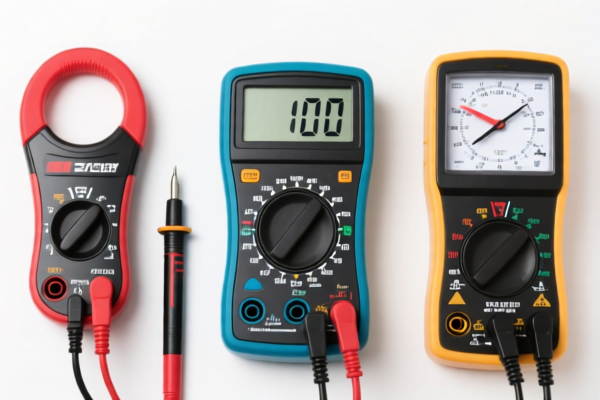
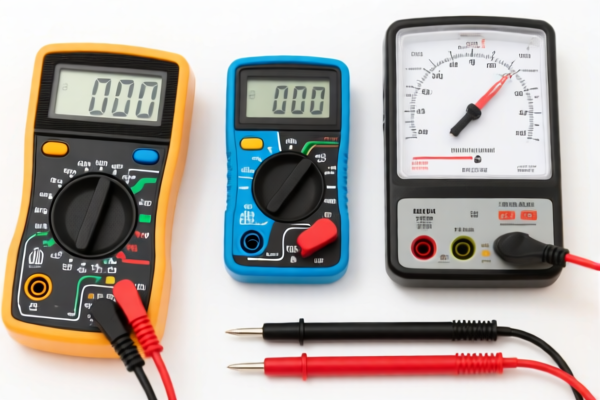
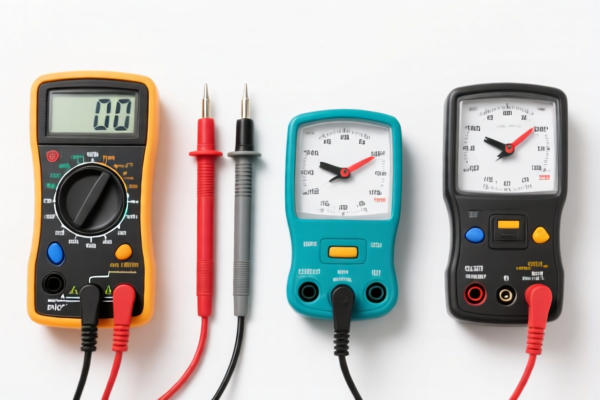
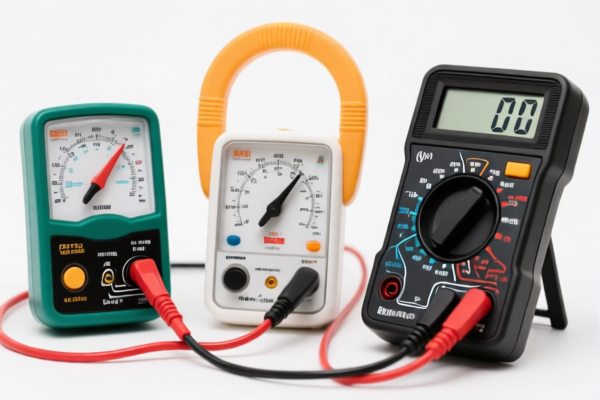
AI Analysis
⚡ Parts of Instruments for Measuring or Checking Electrical Quantities
🌐 HS Code Reference & Customs Clearance Guide | 2026 Latest Tariff Analysis | Professional Clearance Strategy
📌 I. Product Definition & Classification: Do You Truly Understand “Electrical Measurement Parts”?
“Parts of instruments for measuring or checking electrical quantities” generally refer to components specifically designed for devices that measure voltage, current, power, resistance, or electrical energy (such as voltmeters, ammeters, wattmeters, and electric meters).
In international trade, these parts are often confused with generic electrical components or machinery parts. However, customs classification strictly depends on the specific function and the parent instrument they serve.
⚠️ Key Distinction Point: - If the part is a generic electrical component (e.g., standard resistors, capacitors, wires) without specific adaptation for measurement instruments → It likely falls under Chapter 85 (Electrical Machinery and Equipment). - If the part is specifically designed for a metering or measuring instrument (e.g., a dial for a voltmeter, a sensor probe for a multimeter, a pulse generator for an electric meter) → It falls under Chapter 90 (Optical, Photographic, Cinematographic, Measuring, Checking, Precise, Medical or Surgical Instruments and Apparatus).
📦 II. HS Code Classification Details (2026 Latest Tariff Authority对照)
Based on the provided data, here are the five most relevant HS Codes and their rationale:
| HS Code | Summary of Classification Logic | Applicable Scenario | Key Distinction |
|---|---|---|---|
8548.00.00.00 |
Electrical Parts of Machinery/Apparatus: Classified as electrical parts of instruments/devices. No material conflict. | Generic electrical components used in various machines, not exclusively for measuring instruments. | Generic vs. Specific: If it's a general electrical part, it goes here. |
9028.90.00.40 |
Parts of Electricity Meters: Specifically points to parts/accessories for electricity meters (electricity quantity parts). | Parts for electric meters (e.g., kWh meters), such as dials, registers, or internal mechanisms. | Purpose: Must be for an electricity meter (energy consumption). |
9033.00.20.00 |
Parts of Instruments: Fits the category of parts/accessories for machines, appliances, or instruments. No obvious material conflict. | Parts for general measuring or checking instruments (non-electric specific, or generic instrument parts). | Broad Category: A catch-all for instrument parts not specified elsewhere. |
9028.90.00.80 |
Parts of Electrical Quantities Measuring Instruments: Fits parts/accessories for instruments measuring electrical quantities. | Parts for voltmeters, ammeters, multimeters, etc., that are not strictly electricity meters. | Specific Function: For measuring electrical quantities (not just recording energy). |
9033.00.90.00 |
Other Parts of Chapter 90 Instruments: Parts for measuring/checking instruments defined in Chapter 90. No material conflict. | Miscellaneous parts for Chapter 90 instruments not covered by 9033.20. | Remaining Balance: For parts not listed in other specific subheadings. |
🔍 Key Reminder: - 9028.90.xx is specifically for Electricity Meters (Electric Energy Meters). If your product is a part for a standard electricity meter, use these codes. - 9028.90.80 vs 9033.00.20/90: If the part is for a general electrical measuring instrument (like a multimeter or clamp meter), 9028.90.80 is often more precise if it’s explicitly for "measuring electrical quantities." However, 9033.00.20 is a broader "instrument part" classification. - 8548.00.00.00 is the fallback for generic electrical parts that are not specifically designed as instrument accessories.
💰 III. 2026 Latest Tariff Rate Breakdown (Including Surcharges & Policy Add-ons)
✅ Applicable Country: United States (US) ✅ Origin: China (CN) ✅ Effective Date: From November 10, 2025 (and subsequent imports)
🎯 1. HS Codes with 35.0% Total Tariff
(Codes: 8548.00.00.00, 9028.90.00.40, 9033.00.20.00, 9028.90.00.80)
| Item | Detail |
|---|---|
| Base Tariff | 0.0% (ad valorem) |
| Section 301 Surcharge | +25.0% |
| Section 122 Tariff | +10.0% (122条款关税) |
| Total Tariff Rate | 35.0% |
| Tax Calculation | CIF Value × 35% |
| De Minimis Exemption? | ❌ No (denied_de_minimis) |
| Legal Basis Path | USITC:8548.00.00.00 / USITC:9028.90.00.40 / USITC:9033.00.20.00 / USITC:9028.90.00.80 → Section 301: 25% → Section 122: 10% |
📌 Explanation: - 0% Base: These specific subheadings have zero base duties. - 25% Section 301: Standard USITC additional duty on Chinese goods. - 10% Section 122: Additional tariff under specific trade provisions (often related to strategic sectors or bilateral trade measures). - Total 35%: This is a high tariff burden. You must plan for significant cost increases.
🎯 2. HS Code with 39.4% Total Tariff
(Code: 9033.00.90.00)
| Item | Detail |
|---|---|
| Base Tariff | 4.4% (ad valorem) |
| Section 301 Surcharge | +25.0% |
| Section 122 Tariff | +10.0% |
| Total Tariff Rate | 39.4% |
| Tax Calculation | CIF Value × 39.4% |
| De Minimis Exemption? | ❌ No (denied_de_minimis) |
| Legal Basis Path | USITC:9033.00.90.00 → Base 4.4% → Section 301: 25% → Section 122: 10% |
📌 Note: - This code has a non-zero base rate (4.4%), making it the most expensive option at 39.4%. - Avoid this code unless absolutely necessary, as it increases costs by ~4.4% compared to the others.
🛠️ IV. Customs Clearance Practical Advice (Real-World Pitfall Guide)
✅ 1. Required Documentation List (No Exceptions)
| Document | Must Provide | Explanation |
|---|---|---|
| ✅ Product Specification Sheet | ✔️ | Must clearly state if the part is for a "Meter," "Multimeter," or "Generic Electrical Device." |
| ✅ Circuit/Structural Diagram | ✔️ | To prove if the part is a generic electrical component (HS 8548) or a specific instrument part (HS 9028/9033). |
| ✅ Product Photos (with Label) | ✔️ | Clear view of model number, brand, and any markings indicating its use (e.g., "For Voltmeter Model X"). |
| ✅ Commercial Invoice | ✔️ | Description must be precise: "Part for Electric Meter" or "Electricity Measuring Instrument Part." Avoid vague terms like "Electronic Component." |
| ✅ Packing List | ✔️ | Detail the relationship between parts and any accompanying manuals or packaging. |
✅ 2. Declaration Strategy (Critical Mnemonic)
🔥 "Identify Parent, Don't Guess, Be Specific, Avoid Misclassification!"
| Scenario | Correct Declaration | Incorrect Practice |
|---|---|---|
| Part for an Electric Meter (kWh) | 9028.90.00.40 or 9028.90.00.80 |
Misdeclare as 8548.00.00.00 → Risk of audit for incorrect classification. |
| Part for a Multimeter/Voltmeter | 9028.90.00.80 or 9033.00.20.00 |
Misdeclare as 9033.00.90.00 → Unnecessary 4.4% base tax. |
| Generic Electrical Part (e.g., resistor) | 8548.00.00.00 |
Misdeclare as instrument part → If audited, may face penalties for over-declaring "special" goods. |
| Unknown Purpose Part | Provide detailed specs | Vague declaration ("Electronic Part") → High risk of detention and re-classification. |
✅ 3. Special Case Handling
| Situation | Handling Suggestion |
|---|---|
| OEM Custom Parts | Provide the End-User Instrument Manual or Design Drawing to prove the part's specific function. |
| Bundled Sales | If sold with a meter, declare the whole meter (if complete) or the part separately? If the part is not complete, declare as part. |
| Mixed Shipments | If a shipment contains both generic electrical parts (8548) and specific instrument parts (9028), declare separately. Do not lump them into one HS code to avoid penalties. |
🌍 V. Global Market Clearance Comparison (2026 Latest)
| Country/Region | Recommended HS Code | Tariff Rate (China Origin) | Certification Requirements | Notes |
|---|---|---|---|---|
| 🇺🇸 USA | 9028.90.00.40 / 9028.90.00.80 |
35.0% (Total) | FCC, NRTL (if electrical) | Highest Cost: Due to Section 301 + 122. |
| 🇺🇸 USA | 9033.00.90.00 |
39.4% (Total) | FCC, NRTL | Avoid if other 9028/9033 options apply. |
| 🇨🇳 China | 9028.90.00.40 |
~0-5% | CCC (if applicable) | Lower tariff burden. |
| 🇪🇺 EU | 9028.90.00.40 |
0% | CE, RoHS, WEEE | No additional surcharges like US. |
| 🇬🇧 UK | 9028.90.00.40 |
0% | UKCA, RoHS | Post-Brexit rules apply. |
📌 Conclusion: - The USA is the most challenging market for these parts due to the 35%-39.4% total tariff. - EU and UK are much more favorable with 0% base duties (plus standard VAT/GST). - China Origin products face significant hurdles in the US. Consider supply chain diversification or pre-ruling applications to mitigate risk.
📌 VI. Common Errors & Pitfall Guide (Lessons from Blood and Tears)
❌ Error 1: Declaring "Electric Meter Parts" as 8548.00.00.00 (Generic Electrical Parts)
👉 Consequence: US Customs may reject this as "Incorrect Classification," leading to penalties and delayed release. While the rate is the same (35%), the legal risk is higher for misclassification.
❌ Error 2: Using 9033.00.90.00 when 9028.90.00.80 applies
👉 Consequence: Paying an extra 4.4% base duty. Always choose the most specific HS code.
❌ Error 3: Vague Description: "Electronic Parts" 👉 Consequence: Customs officers will investigate, requiring additional documentation and potentially detaining the goods for weeks.
❌ Error 4: Ignoring "Section 122" Tariff 👉 Consequence: Underestimating the total landed cost. Always calculate Base + 25% + 10%.
✅ Correct Practice:
"Calibration Probe for Multimeter, Model XYZ, No Battery, FCC ID: ABC123, Made in China"
🎯 VII. Conclusion: Professional Declaration, Save Time, Reduce Costs!
🎯 Remember the Mnemonic:
🔹 "Specific Part, Specific Code. 35% is the Price. 39% is the Trap. Be Precise!" 🔹 "HS Code Decides the Tariff, Misclassification Costs Thousands!"
📌 Pro Tip: If your parts can be substantially transformed in a third country (e.g., Vietnam, Malaysia), they may qualify for a different Country of Origin, potentially avoiding the 25% Section 301 surcharge. 👉 Recommendation: Apply for a Customs Advance Ruling (Pre-classification) before shipping large volumes.
📣 Immediate Action:
📞 Contact a Professional Customs Broker + Provide Product Specs + Apply for HS Code Pre-ruling 🚀 Let your electrical parts clear smoothly, boost efficiency, and maximize profit!
✨ Professional Clearance, Starting with Accurate Classification! 💼 Every Cent of Your Cost Deserves to Be Precisely Calculated!
Customer Reviews
About HS Code Classification
The Harmonized System (HS) is an internationally standardized nomenclature developed by the World Customs Organization (WCO) to classify traded products. Over 200 countries use the HS system as the basis for customs tariffs, trade statistics, and import/export regulations.
Each HS code follows a hierarchical structure:
- Chapter (2 digits) — Broad category of goods (e.g., Chapter 84: Machinery and Mechanical Appliances)
- Heading (4 digits) — More specific grouping within the chapter
- Subheading (6 digits) — Internationally standardized breakdown, used by all WCO member countries
- National subdivisions (8-10 digits) — Country-specific extensions for further classification, such as US HTSUS 10-digit codes
Correct HS code classification is essential for smooth customs clearance, accurate duty payment, and compliance with trade regulations. Misclassification can lead to customs delays, overpayment of duties, or penalties.
When importing from CN to US, the applicable tariff rates may include:
- Most-Favored-Nation (MFN) rate — The standard duty rate applied to WTO members
- General rate — Applied to countries without trade agreements
- Trade remedy duties — Additional tariffs such as Section 301 (anti-dumping), Section 232 (national security), or countervailing duties
The information provided on this page is for reference purposes only. For official classification, please consult with your local customs authority or a licensed customs broker.