Party Dress
CN → US| HS Code | Tariff Rate | Origin | Destination | Doc |
|---|---|---|---|---|
| 6104432010 | 33.5% | CN | US | Official Doc |
| 6104420010 | 29.0% | CN | US | Official Doc |
| 6114200010 | 28.3% | CN | US | Official Doc |
| 6114301020 | 45.7% | CN | US | Official Doc |
| 6204434010 | 33.5% | CN | US | Official Doc |
| 6204444010 | 33.5% | CN | US | Official Doc |
Product Images
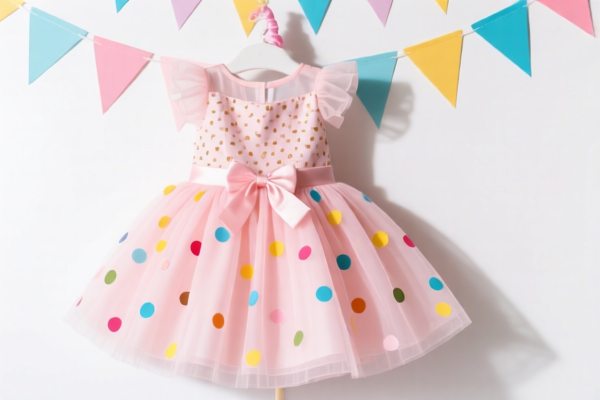
AI Analysis
👗 Party Dresses (Women’s or Girls’ Suits, Ensembles, Suits, etc.)
🌐 HS Code Reference & Clearance Guide | 2026 Latest Tariff Analysis | Professional Compliance Strategy
📌 I. Product Definition & Classification: Do You Really Understand "Party Dresses"?
A "Party Dress" is a broad commercial term, but in international trade and customs classification, it must be precisely categorized based on fabric material, knitting/crocheting method, and gender. The term itself does not appear in the Harmonized System (HS); instead, it maps to specific legal descriptions under Chapters 61 (Knitted/Crocheted) and 62 (Non-Knitted/Not Crocheted).
⚠️ Key Distinction:
- If the fabric is knitted or crocheted → Chapter 61 (6104.4 series)
- If the fabric is woven or non-knitted → Chapter 62 (6204.4 series)
- Material type (Cotton, Synthetic, Artificial) drastically changes the 10-digit HS code and potential tax implications.
📦 II. HS Code Classification Details (2026 Latest Tariff Authority对照)
Based on the provided <DATA>, the following HS codes apply specifically to Dresses within the category of Women’s or Girls’ suits, ensembles, etc.
| HS Code | Product Description | Material | Manufacturing Type | Gender |
|---|---|---|---|---|
6104.43.20.10 |
Dresses | Synthetic Fibers | Knitted or Crocheted | Women's |
6104.42.00.10 |
Dresses | Cotton | Knitted or Crocheted | Women's |
6204.43.40.10 |
Dresses | Synthetic Fibers | Non-Knitted (Other Garments) | Women's |
6204.44.40.10 |
Dresses | Artificial Fibers | Non-Knitted (Other Garments) | Women's |
🔍 Important Note:
- The provided data also includes Tops (6114.20.00.10,6114.30.10.20), but these are NOT dresses. If your product is a "Party Top" or "Crop Top" rather than a full dress, do not use the dress codes above.
- For the purpose of this guide, we focus strictly on the Dress HS codes provided:6104.43.20.10,6104.42.00.10,6204.43.40.10, and6204.44.40.10.
💰 III. 2026 Latest Tariff Rate Analysis (Detailed Tax Clauses)
✅ Applicable Jurisdiction: Based on the tax details provided (
基础关税: 0.0%, 加征关税: 0.0%,total_tax: 0.0%), these rates reflect the Base Tariff and Additional/Retaliatory Tariffs as per the source data.
✅ Effective Time: Current period (as per data).
🎯 1. 6104.43.20.10 —— Knitted/Crocheted Dresses, Synthetic Fibers
| Item | Content |
|---|---|
| Base Tariff | 0.0% |
| Additional Tariff (Section 301/Retaliatory) | 0.0% |
| Total Tax Rate | 0.0% |
| Legal Basis Path | Chapter 61 → Heading 6104 → Subheading 43 (Synthetic) → Further Breakdown (Women's) |
📌 Explanation:
- Knitted synthetic dresses benefit from a 0% total tax rate according to the provided dataset.
- Ensure the fabric is truly synthetic (e.g., Polyester, Nylon) and knitted/crocheted. If it is woven, this code is incorrect.
🎯 2. 6104.42.00.10 —— Knitted/Crocheted Dresses, Cotton
| Item | Content |
|---|---|
| Base Tariff | 0.0% |
| Additional Tariff (Section 301/Retaliatory) | 0.0% |
| Total Tax Rate | 0.0% |
| Legal Basis Path | Chapter 61 → Heading 6104 → Subheading 42 (Cotton) → Further Breakdown (Women's) |
📌 Explanation:
- Cotton dresses (knitted/crocheted) also carry a 0% total tax rate.
- Confirm the fiber content is 100% Cotton or primarily cotton. Blends may fall into different subcategories not listed here.
🎯 3. 6204.43.40.10 —— Non-Knitted Dresses, Synthetic Fibers
| Item | Content |
|---|---|
| Base Tariff | 0.0% |
| Additional Tariff (Section 301/Retaliatory) | 0.0% |
| Total Tax Rate | 0.0% |
| Legal Basis Path | Chapter 62 → Heading 6204 → Subheading 43 (Synthetic) → Further Breakdown (Women's, Two+ Colors in Warp/Filling) |
📌 Explanation:
- This code applies to woven (non-knitted) synthetic dresses.
- Specific condition: "Other With two or more colors in the warp and/or the filling." If the dress is solid color, verify if a different sub-subheading applies (though not provided in<DATA>, accuracy is key).
- Crucial: Do not confuse with knitted dresses. Woven fabrics feel different to the touch (no stretch in grain direction usually) vs. knitted (stretchy).
🎯 4. 6204.44.40.10 —— Non-Knitted Dresses, Artificial Fibers
| Item | Content |
|---|---|
| Base Tariff | 0.0% |
| Additional Tariff (Section 301/Retaliatory) | 0.0% |
| Total Tax Rate | 0.0% |
| Legal Basis Path | Chapter 62 → Heading 6204 → Subheading 44 (Artificial) → Further Breakdown (Women's) |
📌 Explanation:
- Applies to woven dresses made from artificial fibers (e.g., Viscose, Rayon, Modal, Acetate).
- Distinction: Synthetic (Polyester, Nylon) vs. Artificial (Cellulosic). Misclassification here can lead to audits.
🛠️ IV. Clearance Practical Advice (Avoid Pitfalls)
✅ 1. Preparation Checklist (Must-Haves)
| Document | Mandatory? | Explanation |
|---|---|---|
| ✅ Fiber Composition Statement | ✔️ | Must specify % of Cotton, Synthetic, Artificial. Critical for distinguishing between 6104.42, 6104.43, 6204.43, 6204.44. |
| ✅ Fabric Construction Type | ✔️ | Clearly state Knitted/Crocheted (Ch 61) vs. Woven/Non-Knitted (Ch 62). Physical sample may be required. |
| ✅ Product Photos | ✔️ | Show full dress, label, and fabric close-up. |
| ✅ Commercial Invoice | ✔️ | Accurate description: "Women's Knitted Synthetic Party Dress" NOT just "Party Dress". |
| ✅ Packing List | ✔️ | Match invoice details. |
✅ 2. Declaration Tips (Key Phrases)
🔥 “Material + Construction + Gender” is the Golden Rule!
| Scenario | Correct Declaration | Incorrect Declaration |
|---|---|---|
| Knitted, Polyester Dress | 6104.43.20.10 - Women's Knitted Dress, Synthetic |
"Party Dress" (Too vague) |
| Woven, Viscose Dress | 6204.44.40.10 - Women's Woven Dress, Artificial |
"Evening Gown" (Not a HS term) |
| Cotton T-Shirt (Not a Dress) | 6114.20.00.10 (Top) |
6104.42.00.10 (Dress) → Wrong Code! |
✅ 3. Special Considerations
| Situation | Handling Advice |
|---|---|
| Blended Fabrics | If the dress is 50% Cotton/50% Polyester, it is generally classified under the heading of the material comprising the majority by weight. Ensure your fiber statement is precise. |
| Gender Specification | All codes in <DATA> specify Women's. If the dress is unisex or for girls (but classified as women's style), ensure the description matches the target demographic for customs purposes. |
| Accessories Included | If the package includes a belt or shawl, ensure they are minor and do not change the essential character. If they are substantial, they might need separate codes, increasing complexity. |
🌍 V. Global Market Clearance Comparison (2026 Latest)
| Market | Recommended HS Code Focus | Tariff Status (Based on Data) | Note |
|---|---|---|---|
| 🇺🇸 USA | 6104.43.20.10, 6204.43.40.10, etc. |
0.0% (Base + Additional) | Data shows 0% total. Verify if Section 301 applies to your specific origin (e.g., China vs. Vietnam). |
| 🇨🇳 China (Import) | Similar structure, but rates differ | Check local tariff schedule | HS codes are harmonized up to 6 digits; national variations occur at 8-10 digits. |
| 🇪🇺 EU | 6104.43, 6204.43, etc. |
Varies (usually 12%+) | EU does not use the same 10-digit breakdown. Use 8-digit TARIC code for accuracy. |
📌 Conclusion:
- The provided data indicates a 0.0% total tax rate for these specific HS codes.
- Do not assume this rate applies globally. It is specific to the jurisdiction and origin reflected in the<DATA>.
- Always verify Section 301 or other trade remedies that may apply to your country of manufacture.
📌 VI. Common Mistakes & Pitfalls
❌ Mistake 1: Using "Party Dress" as the HS Code description
👉 Result: Customs rejects the declaration for lack of specificity.
👉 Fix: Use "Women's Knitted Cotton Dress" or "Women's Woven Synthetic Dress".
❌ Mistake 2: Confusing Knitted vs. Woven
👉 Result: Wrong Chapter (61 vs. 62).
👉 Fix: Perform a simple "stretch test" or check the weave. Knitted has loops; Woven has interlaced threads.
❌ Mistake 3: Ignoring Fiber Content
👉 Result: Misclassification between Synthetic (6104.43, 6204.43) and Artificial (6204.44).
👉 Fix: Provide a lab report or mill certificate confirming fiber content.
🎯 VII. Conclusion: Precise Classification for Smooth Clearance
🎯 Remember:
🔹 "Knit = Ch 61, Woven = Ch 62"
🔹 "Synthetic vs. Artificial vs. Cotton defines the 8-digit code"
🔹 "Always declare material and construction, not just 'Party Dress'"
📌 Pro Tip:
If you are shipping to the USA, even if the base rate is 0%, ensure your Country of Origin is correctly declared. Some additional tariffs (like Section 301) may apply to goods from specific countries, even if the base rate is low. Check the latest USITC harmonized tariff schedule.
📣 Immediate Action:
📞 Consult a licensed customs broker with your product photos and fiber composition labels.
🚀 Apply for an Advance Ruling if unsure about the classification to avoid post-entry audits.
✨ Professional Clearance Starts with Precise Classification!
💼 Your Cost Savings Depend on Accurate HS Codes!
Customer Reviews
About HS Code Classification
The Harmonized System (HS) is an internationally standardized nomenclature developed by the World Customs Organization (WCO) to classify traded products. Over 200 countries use the HS system as the basis for customs tariffs, trade statistics, and import/export regulations.
Each HS code follows a hierarchical structure:
- Chapter (2 digits) — Broad category of goods (e.g., Chapter 84: Machinery and Mechanical Appliances)
- Heading (4 digits) — More specific grouping within the chapter
- Subheading (6 digits) — Internationally standardized breakdown, used by all WCO member countries
- National subdivisions (8-10 digits) — Country-specific extensions for further classification, such as US HTSUS 10-digit codes
Correct HS code classification is essential for smooth customs clearance, accurate duty payment, and compliance with trade regulations. Misclassification can lead to customs delays, overpayment of duties, or penalties.
When importing from CN to US, the applicable tariff rates may include:
- Most-Favored-Nation (MFN) rate — The standard duty rate applied to WTO members
- General rate — Applied to countries without trade agreements
- Trade remedy duties — Additional tariffs such as Section 301 (anti-dumping), Section 232 (national security), or countervailing duties
The information provided on this page is for reference purposes only. For official classification, please consult with your local customs authority or a licensed customs broker.