Passenger Car Replacement Tire
CN → US| HS Code | Tariff Rate | Origin | Destination | Doc |
|---|---|---|---|---|
| 4012118000 | 38.4% | CN | US | Official Doc |
| 8708704530 | 37.5% | CN | US | Official Doc |
| 4011105000 | 38.4% | CN | US | Official Doc |
| 8708704560 | 37.5% | CN | US | Official Doc |
| 4011201015 | 39.0% | CN | US | Official Doc |
Product Images
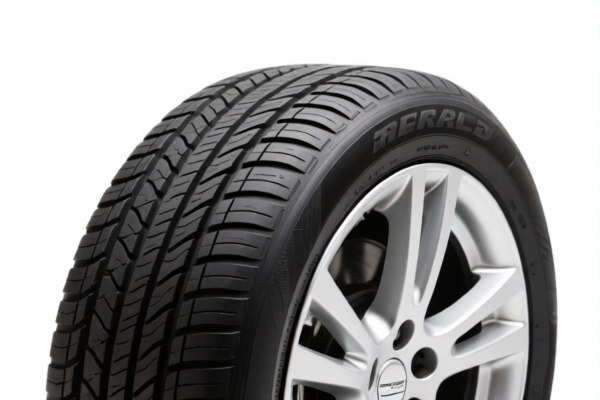
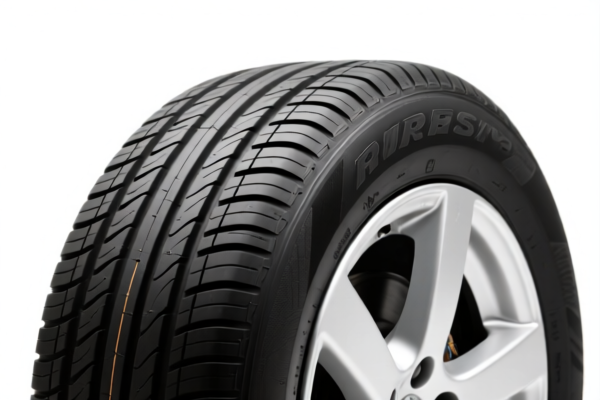
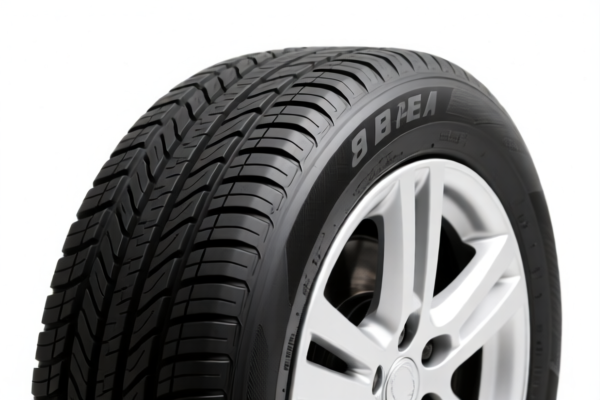
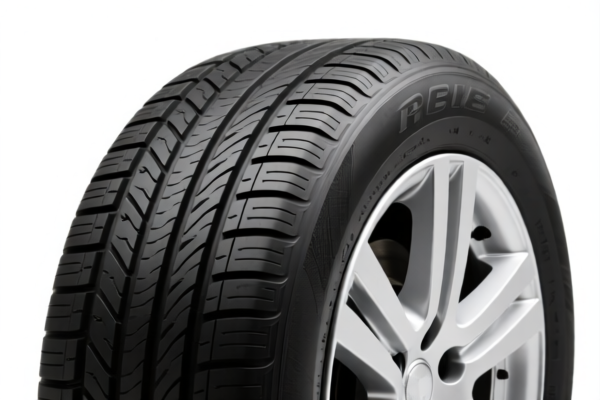
AI Analysis
🚗 Passenger Car Replacement Tire
🌐 HS Code Reference & Customs Clearance Guide | 2026 Latest Tariff Analysis | Professional Strategy
📌 I. Product Definition & Classification: Do You Really Know "Replacement Tires"?
A Passenger Car Replacement Tire is a critical automotive component used for vehicle maintenance and safety. In international trade, these are strictly regulated rubber products designed for light vehicles (passenger cars). They fall primarily under Chapter 40 (Rubber and Articles Thereof) or Chapter 87 (Vehicles), depending on their specific structural and material classification.
Key Distinction:
- Rubber Inflatable Tires (Chapter 40): Classified by vehicle type (passenger vs. truck) and condition (new vs. retreaded).
- Wheels/Rims (Chapter 87): Sometimes confused with tires, but strictly refer to the metallic structure. However, certain HS codes under 8708 may apply to specific wheel assemblies or if misclassified as parts.
⚠️ Critical Warning:
- Tires vs. Wheels: A "Tire" (rubber) is not the same as a "Wheel" (metal/rubber combo). Misclassification leads to significant tax discrepancies.
- New vs. Retreaded: New tires and retreaded tires have different HS codes and tax rates.
- Origin: If shipped from China to the US, Section 301/122 Duties apply heavily.
📦 II. HS Code Classification Details (2026 Latest Tariff Authority)
Based on the provided data, here are the applicable HS Codes for Passenger Car Replacement Tires:
| HS Code | Product Description | Key Characteristics |
|---|---|---|
4012.11.80.00 |
Replacement Tires for Automobiles | General category for car tires; rubber material; new condition. |
8708.70.45.30 |
Road Wheels (Tire Category) | Classified under vehicle parts; logic consistent with specific vehicle subheadings. |
4011.10.50.00 |
New Pneumatic Tires for Passenger Cars | Specifically for passenger vehicles; rubber; meets new pneumatic tire standards. |
8708.70.45.60 |
Road Wheels (Non-Aluminum) | Tires/Wheels where material is not aluminum; classified as road wheels. |
4011.20.10.15 |
Retreaded Tires for Public Transport | Note: While labeled "Public Transport," this code appears in the dataset for retreaded tires. Verify if your tire is truly for public transport; if it's for a passenger car, this might be a misclassification unless it's a generic retread code. |
🔍 Important Note:
-4011.10.50.00and4012.11.80.00are the most common for new passenger car tires.
-8708.70.45.30/60are used when classified under vehicle parts (wheels/tires) with specific material exclusions (e.g., non-aluminum).
-4011.20.10.15is for retreaded tires. Ensure your product is actually retreaded, not new.
💰 III. 2026 Latest Tariff Rate Breakdown (Including Surcharges & Policy Add-ons)
✅ Applicable Country: United States (US)
✅ Origin: China (CN) (Inferred from "122 Clause" and typical surcharge patterns)
✅ Effective Date: Current (2025-2026)
🎯 1. 4012.11.80.00 & 4011.10.50.00 —— New Passenger Car Tires
| Item | Detail |
|---|---|
| Base Tariff | 3.4% (Standard MFN rate for rubber tires) |
| Section 301 Surcharge | +25.0% (USITC Footnote 9903.88.01) |
| Section 122 Surcharge | +10.0% (Additional duty for certain Chinese goods) |
| Total Tax Rate | 38.4% |
| Calculation Basis | CIF Value × 38.4% |
| De Minimis Exemption | ❌ Not Eligible (High duty rate excludes $800 de minimis benefit) |
| Legal Path | Base: 4011/4012 → Sec 301: 25% → Sec 122: 10% |
📌 Explanation:
- Base 3.4%: Standard WTO rate for rubber tires.
- 25% Section 301: Tariff imposed on Chinese goods to address trade imbalances.
- 10% Section 122: Additional duty targeting specific Chinese exports.
- Total 38.4%: This is a high barrier. Profit margins must account for this.
🎯 2. 8708.70.45.30 & 8708.70.45.60 —— Road Wheels/Tires (Part Classification)
| Item | Detail |
|---|---|
| Base Tariff | 2.5% (Standard for vehicle parts) |
| Section 301 Surcharge | +25.0% |
| Section 122 Surcharge | +10.0% |
| Total Tax Rate | 37.5% |
| Calculation Basis | CIF Value × 37.5% |
| De Minimis Exemption | ❌ Not Eligible |
| Legal Path | Base: 8708 → Sec 301: 25% → Sec 122: 10% |
📌 Explanation:
- Slightly lower base rate (2.5% vs 3.4%) due to classification as "Vehicle Parts" rather than "Rubber Articles."
- Total 37.5% is still very high.
- Note:8708.70.45.60applies if the material is not aluminum. If aluminum, different codes may apply (not in this dataset).
🎯 3. 4011.20.10.15 —— Retreaded Tires
| Item | Detail |
|---|---|
| Base Tariff | 4.0% |
| Section 301 Surcharge | +25.0% |
| Section 122 Surcharge | +10.0% |
| Total Tax Rate | 39.0% |
| Calculation Basis | CIF Value × 39.0% |
| De Minimis Exemption | ❌ Not Eligible |
📌 Explanation:
- Retreaded tires have a higher base rate (4.0%) and thus the highest total rate (39.0%) in this dataset.
- Ensure the product is genuinely retreaded and intended for the specified use case to avoid misclassification penalties.
🛠️ IV. Customs Clearance Practical Advice (Real-World Pitfall Guide)
✅ 1. Required Documentation Checklist (Do Not Miss)
| Document | Must Provide? | Description |
|---|---|---|
| ✅ Product Specification Sheet | ✔️ | Material composition, tread pattern, size (e.g., 205/55R16), load index, speed rating. |
| ✅ HS Code Justification Memo | ✔️ | Explain why 4011 or 8708 is chosen (e.g., "New pneumatic tire for passenger car"). |
| ✅ Commercial Invoice | ✔️ | Clearly state "Passenger Car Replacement Tire" and origin (China). |
| ✅ Packing List | ✔️ | Include gross/net weight, number of units, and packaging details. |
| ✅ Certificate of Origin | ✔️ | Form A or general COO; may affect eligibility for certain exemptions (though unlikely for China/US now). |
| ✅ Third-Party Test Reports | ✔️ | DOT approval, ECE standards, or ISO certifications if required by buyer. |
✅ 2. Declaration Tips (Critical Keywords)
🔥 "Declare Accurately, Avoid Penalties: 'Tire' vs. 'Wheel' Matters!"
| Scenario | Correct Declaration | Incorrect Declaration |
|---|---|---|
| New Rubber Tire for Car | 4011.10.50.00 - "New Pneumatic Tire for Passenger Cars" |
"Car Part" or "Wheel" → Risk of audit |
| Retreaded Tire | 4011.20.10.15 - "Retreaded Tire" |
"New Tire" → Fraud penalty |
| Tire + Rim Combo | Split: Tire to 4011, Rim to 8708 (if aluminum) |
Bundle as one item → Misclassification |
| Non-Aluminum Wheel/Tire | 8708.70.45.60 - "Road Wheel, Non-Aluminum" |
4011 → If HS code demands part classification |
✅ 3. Special Cases & Solutions
| Situation | Handling Advice |
|---|---|
| OEM Tires for Manufacturers | Provide purchase orders and technical specs to prove end-use. May still face 38.4% duty. |
| Mislabeling "Wheel" for "Tire" | If you ship a tire but label it "Wheel," Customs may assess 25%+ duties on the wrong code. Be precise. |
| Aluminum Rims vs. Rubber Tires | Do not mix. Aluminum rims are 8708.98 or similar. Rubber tires are 4011. Mixing causes delays. |
| De Minimis ($800) Exception | ❌ Not Available for these HS codes from China due to high duty rates. Plan for full duty payment. |
🌍 V. Global Market Comparison (2026 Update)
| Region | Recommended HS Code | Approx. Tariff (China Origin) | Notes |
|---|---|---|---|
| 🇺🇸 USA | 4011.10.50.00 / 8708.70.45.30 |
37.5% - 39.0% | High Section 301 + 122 duties. No de minimis. |
| 🇨🇳 China | 4011.10.00.00 |
~10% (Imported) / 0% (Domestic) | Import duty varies; export from China is key. |
| 🇪🇺 EU | 4011.10.00.00 |
~10% (Most Favored Nation) | No Section 301/122. Standard EU VAT applies. |
| 🇬🇧 UK | 4011.10.00.00 |
~10% | Post-Brexit tariffs similar to EU. |
| 🇲🇽 Mexico | 4011.10.00.00 |
~10% (USMCA may apply if originating) | Check USMCA rules of origin. |
📌 Conclusion:
- USA is the most challenging market due to 38.4%+ total duties.
- EU/UK offer lower tariffs (~10%) but require strict safety certifications (ECE/R117).
- Supply Chain Strategy: Consider sourcing from Vietnam, Thailand, or Mexico to avoid US China-specific surcharges.
📌 VI. Common Errors & Pitfalls (Lessons Learned)
❌ Error 1: Declaring "Tires" as "Car Parts" under 8708 to lower base duty.
👉 Consequence: Customs may reclassify to 4011 (3.4% base) vs 8708 (2.5% base), but the 301/122 duties apply to both. No savings, only risk of penalty.
❌ Error 2: Ignoring Section 122 (10%).
👉 Consequence: Underpayment by 10%. Seizure of goods + fines.
❌ Error 3: Claiming De Minimis for shipments under $800.
👉 Consequence: Denied entry. Tires are excluded from $800 exemption when duties > 20%.
❌ Error 4: Confusing Retreaded (4011.20) with New (4011.10).
👉 Consequence: Wrong duty rate (39.0% vs 38.4%) and potential compliance issues.
✅ Correct Approach:
"New Pneumatic Tires for Passenger Cars, Rubber, Size 205/55R16, Origin China, HS Code 4011.10.50.00, Duty 38.4%."
🎯 VII. Conclusion: Precise Classification Saves Money!
🎯 Remember the Key Formula:
🔹 Total Duty = Base Tariff + 25% (301) + 10% (122)
🔹 For New Tires: ~38.4%
🔹 For Retreaded: ~39.0%
🔹 For Wheels (Non-Aluminum): ~37.5%📌 Final Tip:
- Always verify the HS Code with a licensed customs broker.
- Budget for ~38% duty in your pricing model for US shipments.
- Consider diversifying suppliers to non-China countries to mitigate tariff risks.
📣 Immediate Action:
📞 Consult a Customs Broker + Provide Product Specs + Apply for Pre-Ruling (if possible)
🚀 Ensure your tires clear customs smoothly, avoid penalties, and protect your margins!
✨ Professional Customs Clearance Starts with Accurate Classification!
💼 Your Profit Margin Depends on the Last Digit of the HS Code!
Customer Reviews
About HS Code Classification
The Harmonized System (HS) is an internationally standardized nomenclature developed by the World Customs Organization (WCO) to classify traded products. Over 200 countries use the HS system as the basis for customs tariffs, trade statistics, and import/export regulations.
Each HS code follows a hierarchical structure:
- Chapter (2 digits) — Broad category of goods (e.g., Chapter 84: Machinery and Mechanical Appliances)
- Heading (4 digits) — More specific grouping within the chapter
- Subheading (6 digits) — Internationally standardized breakdown, used by all WCO member countries
- National subdivisions (8-10 digits) — Country-specific extensions for further classification, such as US HTSUS 10-digit codes
Correct HS code classification is essential for smooth customs clearance, accurate duty payment, and compliance with trade regulations. Misclassification can lead to customs delays, overpayment of duties, or penalties.
When importing from CN to US, the applicable tariff rates may include:
- Most-Favored-Nation (MFN) rate — The standard duty rate applied to WTO members
- General rate — Applied to countries without trade agreements
- Trade remedy duties — Additional tariffs such as Section 301 (anti-dumping), Section 232 (national security), or countervailing duties
The information provided on this page is for reference purposes only. For official classification, please consult with your local customs authority or a licensed customs broker.