Passenger Car Replacement Tires
CN → US| HS Code | Tariff Rate | Origin | Destination | Doc |
|---|---|---|---|---|
| 4012118000 | 38.4% | CN | US | Official Doc |
| 8708704530 | 37.5% | CN | US | Official Doc |
| 4011105000 | 38.4% | CN | US | Official Doc |
| 8708704560 | 37.5% | CN | US | Official Doc |
| 4011201015 | 39.0% | CN | US | Official Doc |
Product Images
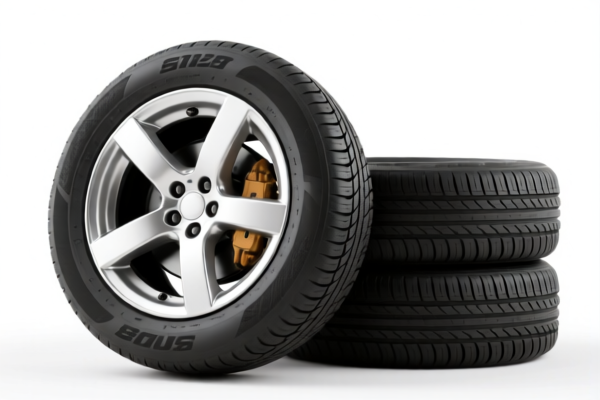
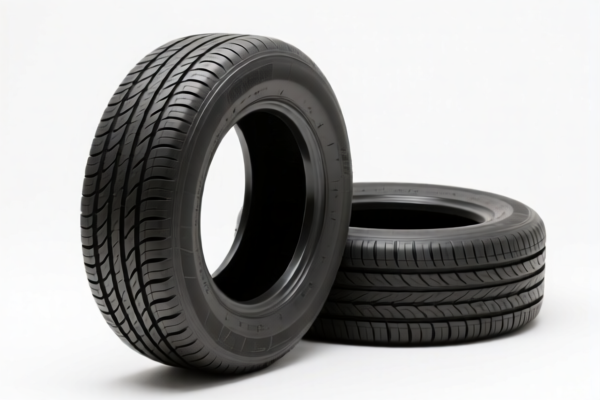
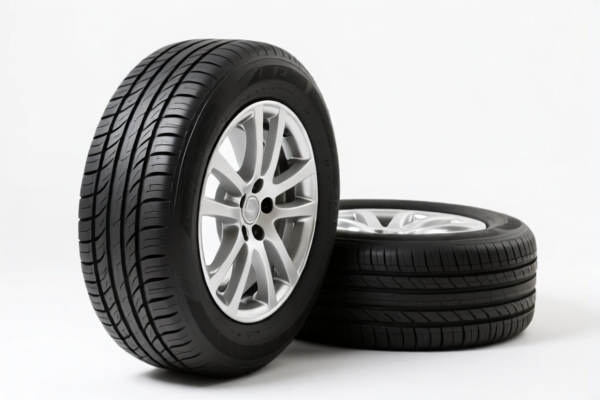
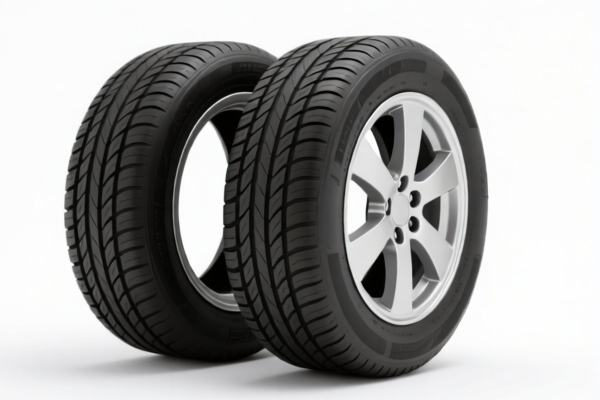
AI Analysis
🚗 Passenger Car Replacement Tires (Automotive Replacement Tires)
🌐 HS Code Reference & Customs Clearance Guide | 2026 Latest Tariff Analysis | Professional Clearance Strategy
📌 I. Product Definition & Classification: Understanding "Car Tires"
Replacement tires for passenger cars are critical components of the automotive industry, designed to ensure safety, performance, and comfort. In international trade, they are primarily classified under Chapter 40 (Rubber and Articles Thereof) or Chapter 87 (Vehicles), depending on their specific composition, condition, and regulatory interpretation.
The classification depends heavily on: * Material: Primarily rubber (vulcanized), but wheel rims (if sold together) may affect classification. * Condition: New vs. Retreaded/Recapped. * Application: Specifically for passenger vehicles (cars) vs. trucks/buses. * Regulatory Status: Subject to significant trade remedies (Section 301 & Section 122 tariffs) if originating from specific regions (e.g., China).
⚠️ Key Distinction:
- Rubber Tires Only: Classified under Heading 4011 (New) or 4012 (Retreaded/Used).
- Tires + Wheels Assemblies: Sometimes classified under Heading 8708 (Parts and Accessories of Vehicles) as "Road Wheels," especially if the rim is integral or sold as a unit.
- New vs. Retreaded: New tires fall under 4011/4012.xx; Retreaded tires fall under 4012.11.
📦 II. HS Code Classification Details (2026 Latest Tariff Authority对照)
| HS Code | Product Description | Application Scenario | Material/Condition |
|---|---|---|---|
4011.10.50.00 |
New pneumatic tires, of a kind used on passenger cars | New passenger car tires | ✅ Rubber, New, Pneumatic |
4012.11.80.00 |
Retreaded or used pneumatic tires, of a kind used on passenger cars | Retreaded/Used passenger tires | ✅ Rubber, Retreaded/Used |
4011.20.10.15 |
Retreaded tires for public transport vehicles | Retreaded bus/truck tires (Fallback/Specific) | ✅ Rubber, Retreaded |
8708.70.45.30 |
Road wheels, for passenger cars (Wheel + Tire or Wheel Focus) | Wheels/Rims (Non-Aluminum) or Tire+Wheels | 🛠️ Wheel Category |
8708.70.45.60 |
Road wheels, for passenger cars (Non-Aluminum) | Rims/Wheels (Non-Aluminum) | 🛠️ Wheel Category |
🔍 Key Reminders:
-4011vs.8708: If the shipment is only the rubber tire, it generally falls under 4011. If it includes the wheel rim or is declared as a "Wheel Assembly," it may fall under 8708.70.45. Customs authorities often scrutinize this split.
- New vs. Retreaded: New tires (4011) and Retreaded tires (4012) have different base tariffs, though both are heavily impacted by additional duties.
- Material: Non-aluminum wheels fall under8708.70.45.60; Aluminum wheels may have different sub-codes not listed here but follow similar logic.
💰 III. 2026 Latest Tariff Rate Breakdown (Including Add-ons & Policy Surcharges)
✅ Applicable Country: United States (US)
✅ Origin: China (CN) (Note: Tariffs detailed below reflect China-origin goods, which match the provided data context)
✅ Effective Time: Current active rates (Section 301 & Section 122)
🎯 1. 4011.10.50.00 —— New Pneumatic Tires for Passenger Cars
| Item | Detail |
|---|---|
| Base Tariff Rate | 3.4% (ad valorem) |
| Section 301 Additional Tariff | +25.0% |
| Section 122 Tariff | +10.0% |
| Total Effective Tariff | 38.4% |
| Tax Calculation | CIF Value × 38.4% |
| De Minimis Exemption | ❌ Not Applicable (High value goods) |
| Legal Basis Path | HTSUS:4011.10.50.00 → Section 301: Footnote 9903.88.01 → Section 122: 19 U.S.C. 2433 |
📌 Explanation:
- The 3.4% is the standard MFN (Most Favored Nation) rate for passenger car tires.
- The +25% is the standard Section 301 tariff on Chinese rubber products.
- The +10% is the Section 122 tariff, historically applied to protect domestic tire manufacturers.
- Total: 38.4%. This is a significant cost burden that must be factored into pricing strategies.
🎯 2. 4012.11.80.00 —— Retreaded/Used Tires for Passenger Cars
| Item | Detail |
|---|---|
| Base Tariff Rate | 3.4% (ad valorem) |
| Section 301 Additional Tariff | +25.0% |
| Section 122 Tariff | +10.0% |
| Total Effective Tariff | 38.4% |
| Tax Calculation | CIF Value × 38.4% |
| De Minimis Exemption | ❌ Not Applicable |
| Legal Basis Path | HTSUS:4012.11.80.00 → Section 301 → Section 122 |
📌 Note:
- Retreaded tires are subject to the same total tariff rate (38.4%) as new tires in this classification.
- Some markets restrict the import of retreaded tires for safety reasons; ensure compliance with DOT (Department of Transportation) regulations.
🎯 3. 8708.70.45.30 & 8708.70.45.60 —— Road Wheels (Tire/Wheel Assemblies or Rims)
| Item | Detail |
|---|---|
| Base Tariff Rate | 2.5% (ad valorem) |
| Section 301 Additional Tariff | +25.0% |
| Section 122 Tariff | +10.0% |
| Total Effective Tariff | 37.5% |
| Tax Calculation | CIF Value × 37.5% |
| De Minimis Exemption | ❌ Not Applicable |
| Legal Basis Path | HTSUS:8708.70.45.xx → Section 301 → Section 122 |
📌 Note:
- Classification as "Road Wheels" (8708) results in a slightly lower total tariff (37.5%) compared to pure rubber tires (4011at 38.4%).
- Crucial Warning: Misclassification of tires as "wheels" to gain a 0.9% tariff advantage is a high-risk audit target. Customs requires clear evidence that the item is a wheel assembly or rim, not just a tire.
-8708.70.45.30is for specific vehicle subsystems;8708.70.45.60is for non-aluminum wheels.
🎯 4. 4011.20.10.15 —— Retreaded Tires for Public Transport (Fallback Category)
| Item | Detail |
|---|---|
| Base Tariff Rate | 4.0% (ad valorem) |
| Section 301 Additional Tariff | +25.0% |
| Section 122 Tariff | +10.0% |
| Total Effective Tariff | 39.0% |
| Tax Calculation | CIF Value × 39.0% |
| De Minimis Exemption | ❌ Not Applicable |
📌 Note:
- This code is for public transport retreaded tires. If your product is for passenger cars, do not use this code. Using the wrong code for a different vehicle type can lead to penalties.
- The highest total tariff (39.0%) applies here.
🛠️ IV. Customs Clearance Practical Advice (Battle-Tested Pitfall Guide)
✅ 1. Required Documentation Checklist (Non-Negotiable)
| Document | Required | Description |
|---|---|---|
| ✅ Commercial Invoice | ✔️ | Must clearly state "Passenger Car Replacement Tire," HS Code, Origin, and CIF Value. |
| ✅ Packing List | ✔️ | Details quantity, weight, and dimensions. |
| ✅ Certificate of Origin (CO) | ✔️ | Essential for determining Section 301 applicability. |
| ✅ DOT Compliance Statement | ✔️ | Proof that tires meet US Department of Transportation safety standards (e.g., "DOT MFG ID"). |
| ✅ Product Specification Sheet | ✔️ | Includes size (e.g., 205/55R16), load index, speed rating, and material composition. |
| ✅ Bill of Lading (B/L) | ✔️ | Original or Telex Release. |
✅ 2. Declaration Tips (Key Mnemonics)
🔥 "Name is King, Code is Queen, Origin Decides Tax!"
| Scenario | Correct Declaration | Wrong Approach |
|---|---|---|
| New Passenger Tires | 4011.10.50.00 |
Misclassify as "Rubber Parts" (4016) → Audit Risk |
| Tire + Rim Sold Together | 8708.70.45.60 (if non-aluminum) |
Declare as 4011 → Overpay Tariff (but safer if unsure) |
| Retreaded Tires | 4012.11.80.00 |
Declare as "New Tires" → Fraud/Civil Penalty |
| Origin: China | Explicitly state "Made in China" | Hide origin → Seizure & Fines |
✅ 3. Special Considerations
| Situation | Handling Advice |
|---|---|
| Section 122 Exemptions | Historically, there have been quota-based exemptions. Check if your company qualifies for specific quotas under current USITC rules. |
| Transshipment | Do not transship Chinese tires through third countries (e.g., Vietnam) to evade tariffs. US Customs strictly enforces "Substantial Transformation" rules. Risk of high penalties. |
| Anti-Dumping/Countervailing Duties (AD/CVD) | While not explicitly in the provided data, many Chinese tires are subject to AD/CVD. Ensure you are not missing these layers of duty. |
| Eco-Taxes | Some states impose environmental fees on tire disposal. Factor this into landed cost. |
🌍 V. Global Market Comparison (2026 Latest)
| Country/Region | Recommended HS Code | Tariff (China Origin) | Certification Requirements | Notes |
|---|---|---|---|---|
| 🇺🇸 USA | 4011.10.50.00 |
38.4% | DOT, FMVSS | High tariffs due to trade wars. |
| 🇨🇳 China | 4011.10.50.00 |
10-15% (Import) | CCC, RoHS | Domestic production dominates. |
| 🇪🇺 EU | 4011.10.90 |
4.5% + AD/CVD | E-mark, REACH | Anti-dumping duties often apply to Chinese tires. |
| 🇲🇽 Mexico | 4011.10.90 |
0-5% (USMCA) | NOM | Potential hub for near-shoring, but rules of origin are strict. |
| 🇻🇳 Vietnam | 4011.10.90 |
0% (GSP/Free Trade) | QC Label | Be cautious of US scrutiny on Vietnamese-sourced Chinese tires. |
📌 Conclusion:
- The US market is the most expensive for Chinese-origin tires due to the 38.4% effective tariff.
- EU also imposes significant anti-dumping duties, making it challenging.
- Mexico offers a potential alternative if supply chain restructuring is feasible and USMCA rules are met.
📌 VI. Common Errors & Pitfall Guide (Lessons from Experience)
❌ Error 1: Declaring Tire Assemblies as Rubber Parts (4016)
👉 Consequence: Wrong HS code → Potential audit for underpayment or misdeclaration. Tires are specifically listed under 4011.
❌ Error 2: Ignoring Section 122 Tariff
👉 Consequence: Paying only 3.4% + 25% = 28.4% instead of 38.4% → Back taxes + Interest + Penalties.
❌ Error 3: Misidentifying Retreaded vs. New
👉 Consequence: Using 4011 for retreaded tires (4012) → Regulatory violation (safety standards differ).
❌ Error 4: Transshipment Fraud
👉 Consequence: Trying to bypass Section 301 tariffs via Vietnam/Thailand without substantial transformation → Seizure of goods + Civil Fraud Penalties.
✅ Correct Practice:
"New Passenger Car Tire, Size 205/55R16, Load Index 91H, Tubeless, Radial, DOT 2024, Made in China, HS Code 4011.10.50.00"
🎯 VII. Conclusion: Professional Declaration, Save Money, Avoid Risk
🎯 Remember the Mantra:
🔹 "New Tires = 4011, Retreaded = 4012, Wheels = 8708. Don't mix them up!"
🔹 "38.4% is the US Reality for Chinese Tires. Plan your pricing accordingly!"
🔹 "DOT Compliance is Non-Negotiable. No DOT Mark, No Entry!"
📌 Pro Tip:
If your tires are originating from non-China countries (e.g., Thailand, Vietnam, Germany), the Section 301 (25%) and Section 122 (10%) tariffs may not apply, potentially reducing the total tariff to 0-10%.
Always verify the Country of Origin and apply for Preferred Trade Agreements if eligible.
📣 Immediate Action:
📞 Contact a Licensed Customs Broker + Provide Product Samples/Pictures + Request Binding Ruling if uncertain about
4011vs.8708.
🚀 Ensure Smooth Customs Clearance, Control Costs, and Maximize Profits!
✨ Professional Customs Clearance Starts with Accurate Classification!
💼 Every Cent of Duty Saved is Pure Profit!
Customer Reviews
About HS Code Classification
The Harmonized System (HS) is an internationally standardized nomenclature developed by the World Customs Organization (WCO) to classify traded products. Over 200 countries use the HS system as the basis for customs tariffs, trade statistics, and import/export regulations.
Each HS code follows a hierarchical structure:
- Chapter (2 digits) — Broad category of goods (e.g., Chapter 84: Machinery and Mechanical Appliances)
- Heading (4 digits) — More specific grouping within the chapter
- Subheading (6 digits) — Internationally standardized breakdown, used by all WCO member countries
- National subdivisions (8-10 digits) — Country-specific extensions for further classification, such as US HTSUS 10-digit codes
Correct HS code classification is essential for smooth customs clearance, accurate duty payment, and compliance with trade regulations. Misclassification can lead to customs delays, overpayment of duties, or penalties.
When importing from CN to US, the applicable tariff rates may include:
- Most-Favored-Nation (MFN) rate — The standard duty rate applied to WTO members
- General rate — Applied to countries without trade agreements
- Trade remedy duties — Additional tariffs such as Section 301 (anti-dumping), Section 232 (national security), or countervailing duties
The information provided on this page is for reference purposes only. For official classification, please consult with your local customs authority or a licensed customs broker.