Passenger Car Upgrade Tires (16 17 inch)
CN → US| HS Code | Tariff Rate | Origin | Destination | Doc |
|---|---|---|---|---|
| 4012114000 | 39.0% | CN | US | Official Doc |
| 4012118000 | 38.4% | CN | US | Official Doc |
| 4011101050 | 39.0% | CN | US | Official Doc |
| 4013100010 | 38.7% | CN | US | Official Doc |
| 4013905050 | 38.7% | CN | US | Official Doc |
Product Images
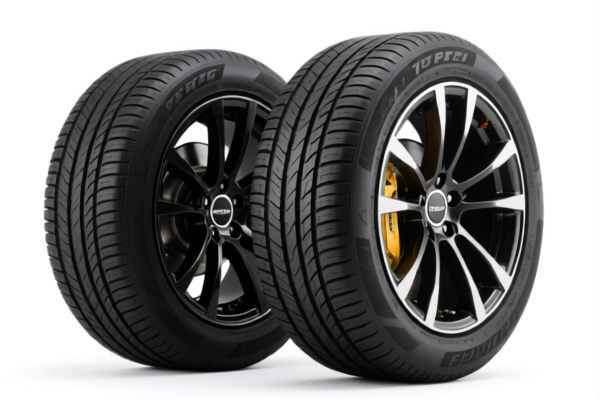
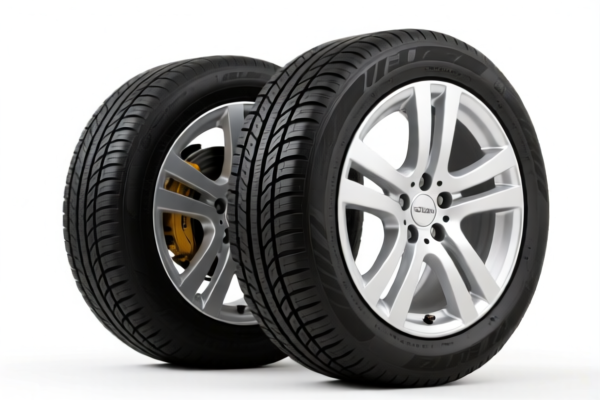
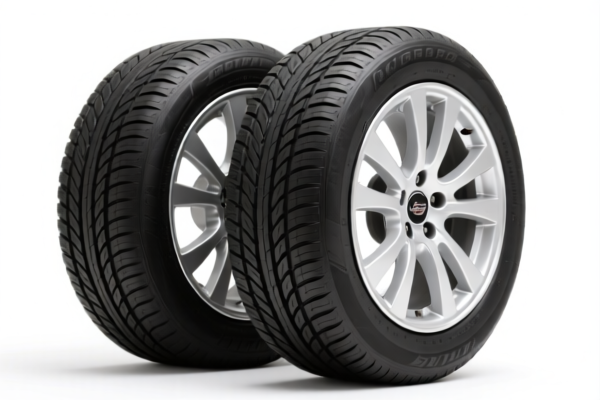
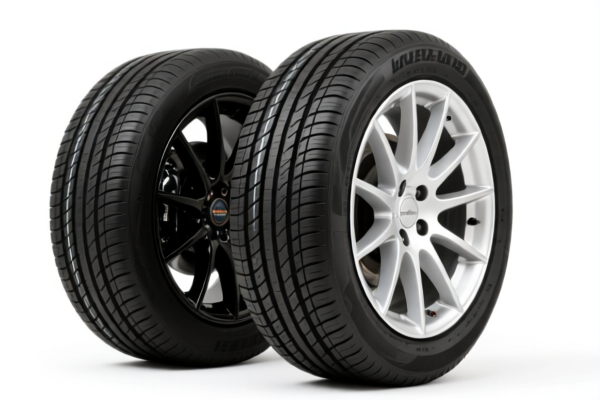
AI Analysis
🚗 Passenger Car Upgrade Tires (16-17 Inch)
🌐 HS Code Reference & Clearance Guide | 2026 Latest Tariff Analysis | Professional Clearance Strategy
📌 Part 1: Product Definition & Classification: Are You Declaring the Right Tire?
"Passenger Car Upgrade Tires" typically refer to radial tires for light vehicles (cars/SUVs) with rim diameters of 16 to 17 inches. In international trade (specifically US Customs), these are primarily classified under Chapter 40 (Rubber and Articles Thereof), specifically Heading 4011 (New Pneumatic Tires).
The classification depends heavily on:
1. Tire Type: Radial vs. Non-radial.
2. Rim Diameter: ≤ 16 inches vs. > 16 inches.
3. Specific Use: Passenger car vs. Truck/Bus.
⚠️ Key Distinction:
- If the tire is Radial and for Passenger Cars, it usually falls under 4011.10.
- If the rim diameter is 16-17 inches, it may fall under specific sub-headings like 4011.10.10 (if ≤ 16") or 4011.10.10.50 (if > 16").
- Note: The provided data suggests a complex tariff structure with high additional duties, indicating these goods are likely subject to specific US trade remedies against China.
📦 Part 2: HS Code Classification Details (Based on Provided Data)
| HS Code | Product Description | Key Attributes | Applicable Scenario |
|---|---|---|---|
4012.11.40.00 |
Replacement tires for passenger cars | Rubber material inferred; generic replacement | General replacement tires where specific radial/rim details are less emphasized in summary |
4012.11.80.00 |
Replacement tires for passenger cars | Matches car tire attributes; no conflict | Alternative classification for replacement tires, possibly non-radial or different subtype |
4011.10.10.50 |
Tires 16-17 inches | Rim diameter limited to >16"; radial shape | Direct Match for "16-17 inch" upgrade tires if radial |
4013.10.00.10 |
Radial tires for passenger cars | Perfect match for use & material | Radial tires specifically declared for passenger car use |
4013.90.50.50 |
Radial tires for passenger cars | Rubber-made; non-motorcycle category | Broad category for radial tires not in other specific sub-headings |
🔍 Critical Note:
- Heading 4011 is the standard for New Pneumatic Tires for passenger cars.
- Heading 4013 often covers Retreads or Used Tires or specific subtypes not covered in 4011, but in this dataset, it appears to be used for specific radial tire classifications.
- Heading 4012 typically covers Retreads or Used Pneumatic Tires. However, the provided summary for 4012.11.40.00 mentions "Replacement Tires" (which can imply new replacement parts). If these are NEW tires, 4011 is more accurate. If they are USED/RETREADS, 4012 or 4013 is correct. The high tariffs suggest strict origin tracking.
💰 Part 3: 2026 Latest Tariff Rate Breakdown (Including Additional Duties)
✅ Applicable Country: United States (US)
✅ Origin: Likely China (Given the "122 Clause" and high total tax rates)
✅ Effective Time: Current trade war policies (Section 301, 122, etc.)
🎯 1. 4012.11.40.00 – Replacement Tires for Passenger Cars
| Item | Content |
|---|---|
| Base Tariff | 4.0% |
| Section 301 Additional Duty | +25.0% |
| Section 122 Duty | +10.0% |
| Total Effective Rate | 39.0% |
| Tax Calculation | CIF Value × 39.0% |
| De Minimis Eligibility | ❌ No (Denied under current trade policies for tires) |
| Legal Basis Path | USITC:4012.11.40.00 → Section 301: Footnote 9903.88.01 → Section 122: 19 USC 1677j |
📌 Explanation:
- Section 301 (25%): Retaliatory tariffs on Chinese goods, including tires.
- Section 122 (10%): A lesser-known but impactful provision (19 U.S.C. § 1677j) allowing the President to increase duties by up to 50% on goods imported from a trading partner that has engaged in discriminatory practices. Tires have previously been targeted or influenced by these broad trade policies.
- Total 39%: This is a very high barrier to entry. Profit margins must account for this.
🎯 2. 4012.11.80.00 – Other Replacement Tires
| Item | Content |
|---|---|
| Base Tariff | 3.4% |
| Section 301 Additional Duty | +25.0% |
| Section 122 Duty | +10.0% |
| Total Effective Rate | 38.4% |
| Tax Calculation | CIF Value × 38.4% |
| De Minimis Eligibility | ❌ No |
| Legal Basis Path | USITC:4012.11.80.00 → Section 301 → Section 122 |
📌 Note:
- Slightly lower base rate (3.4% vs 4.0%) results in a 38.4% total, still extremely high.
- Difference between.40.00and.80.00is often based on specific tire construction or usage nuances.
🎯 3. 4011.10.10.50 – Tires for Vehicles with Rim Diameter > 16 Inches
| Item | Content |
|---|---|
| Base Tariff | 4.0% |
| Section 301 Additional Duty | +25.0% |
| Section 122 Duty | +10.0% |
| Total Effective Rate | 39.0% |
| Tax Calculation | CIF Value × 39.0% |
| De Minimis Eligibility | ❌ No |
| Legal Basis Path | USITC:4011.10.10.50 → Section 301 → Section 122 |
📌 Key Match:
- This code explicitly mentions "16-17 inch" constraints in the summary.
- If your tires are NEW radial tires for passenger cars with rims > 16 inches, this is the most precise HS Code.
- Warning: Ensure the tires are indeed NEW. If they are used, this code is incorrect.
🎯 4. 4013.10.00.10 – Radial Tires for Passenger Cars
| Item | Content |
|---|---|
| Base Tariff | 3.7% |
| Section 301 Additional Duty | +25.0% |
| Section 122 Duty | +10.0% |
| Total Effective Rate | 38.7% |
| Tax Calculation | CIF Value × 38.7% |
| De Minimis Eligibility | ❌ No |
| Legal Basis Path | USITC:4013.10.00.10 → Section 301 → Section 122 |
📌 Note:
- Often used for Retreads or specific radial tires. If these are NEW tires,4011is generally preferred. If4013is used for new tires in this dataset, it implies a specific sub-category.
🎯 5. 4013.90.50.50 – Other Radial Tires for Passenger Cars
| Item | Content |
|---|---|
| Base Tariff | 3.7% |
| Section 301 Additional Duty | +25.0% |
| Section 122 Duty | +10.0% |
| Total Effective Rate | 38.7% |
| Tax Calculation | CIF Value × 38.7% |
| De Minimis Eligibility | ❌ No |
| Legal Basis Path | USITC:4013.90.50.50 → Section 301 → Section 122 |
📌 Note:
- A catch-all for radial tires not specified in other 4013 sub-headings. Non-motorcycle category confirmed.
🛠️ Part 4: Practical Clearance Advice (Avoiding Pitfalls)
✅ 1. Essential Documentation Checklist
| Document | Required? | Description |
|---|---|---|
| ✅ Commercial Invoice | ✔️ | Must clearly state "New Radial Tires", Rim Diameter (e.g., 16"), and HS Code. |
| ✅ Packing List | ✔️ | Detail quantity, gross/net weight, and packaging type. |
| ✅ Certificate of Origin | ✔️ | Critical for proving origin. If non-China, apply for duty exemptions. |
| ✅ Product Specifications | ✔️ | Include load index, speed rating, tread pattern, and DOT code. |
| ✅ DOT Compliance Statement | ✔️ | Tires sold in the US must meet Federal Motor Safety Standards (FMVSS). |
| ✅ Freight Forwarder Confirmation | ✔️ | Verify if the carrier has experience with tire shipments (heavy, bulky). |
✅ 2. Declaration Tips (Key Mnemonic)
🔥 "Rim Size Matters, Radial vs. Bias, New vs. Used, Origin is Key!"
| Scenario | Correct Declaration | Wrong Action |
|---|---|---|
| New Tires, 17-inch, Radial | 4011.10.10.50 |
Misdeclare as 4013 (used/retread) → Risk of seizure |
| Retreaded Tires | 4012.11.40.00 or 4012.11.80.00 |
Misdeclare as New → Severe penalty |
| Non-Radial (Bias Ply) | 4011.99 or other 4011 subheadings |
Misdeclare as Radial → Incorrect tax rate |
| Origin: Vietnam/Mexico | Apply for De Minimis if <$800 (if eligible) or FTA Benefits | Assume all Chinese-origin tires are taxed equally |
✅ 3. Special Cases Handling
| Situation | Handling Advice |
|---|---|
| OEM Tires for Auto Manufacturers | Ensure documentation matches automotive industry standards; may qualify for different treatment if part of a larger vehicle import. |
| Mixed Shipments (Tires + Rims) | Declare separately. Tires under 4011, Rims under 8708. Do not combine unless explicitly allowed. |
| Tires with Wheel Assemblies | If sold as a complete wheel+tire assembly, check if 8708.99 (parts of motor vehicles) applies, but tires alone are usually 4011. |
| Anti-Dumping Duties (AD/CVD) | Check specifically for Chinese-made tires. Many Chinese tires face AD/CVD orders (e.g., from 2014-2020). These can add 20% to 100%+ beyond the 39% calculated above. CRITICAL: Verify AD/CVD status! |
🌍 Part 5: Global Market Clearance Comparison (2026)
| Country/Region | Recommended HS Code | Tariff (China Origin) | Certification Requirements | Notes |
|---|---|---|---|---|
| 🇺🇸 USA | 4011.10.10.50 |
39.0% (Base+301+122) + Potential AD/CVD | DOT, FMVSS | High barriers; verify AD/CVD |
| 🇨🇳 China | 4011.10.10.50 |
~10-15% | CCC (if applicable) | Export duty may apply |
| 🇪🇺 EU | 4011.10 |
4.5% | E-mark (ECE Regulation) | No Section 301/122 |
| 🇬🇧 UK | 4011.10 |
4.5% | UKCA Mark | Post-Brexit standards apply |
| 🇦🇺 Australia | 4011.10 |
5% | ADR Compliance | No special trade war duties |
📌 Conclusion:
- USA is the most challenging market due to the combination of Section 301 (25%), Section 122 (10%), and potential Anti-Dumping Duties.
- Total Cost could exceed 50-60% if AD/CVD applies.
- Strategy: Consider sourcing from Vietnam, Thailand, or Mexico to avoid these duties.
📌 Part 6: Common Errors & Pitfalls (Lessons Learned)
❌ Error 1: Ignoring Anti-Dumping (AD) & Countervailing Duties (CVD)
👉 Consequence: If Chinese tires are subject to AD/CVD, the tariff could be $1.50-$3.00 per pound on top of the 39%. Check CBP AD/CVD databases!
❌ Error 2: Misdeclaring Used/Retreaded Tires as New
👉 Consequence: Seizure, fines, and loss of import privileges.
❌ Error 3: Incorrect Rim Diameter Declaration
👉 Consequence: If declared as 15" but is 17", customs may reclassify, leading to different tariff treatment or penalties.
❌ Error 4: Not Providing DOT Code
👉 Consequence: Tires without valid DOT codes cannot be legally sold in the US.
✅ Correct Approach:
"New Radial Passenger Car Tires, 225/45R17, DOT [Code], Made in [Country]"
🎯 Part 7: Conclusion: Professional Clearance, Save Costs!
🎯 Remember:
🔹 "Check AD/CVD first, then HS Code, then Origin!"
🔹 "39% is just the start; AD/CVD can double it!"
🔹 "Rim size and radial construction define your HS Code!"
📌 Pro Tip:
If your tires are Made in China, verify their eligibility for De Minimis ($800) if shipped as small parcels (though tires are often excluded).
For bulk shipments, consider Duty Drawback if the tires are later exported, or use Foreign Trade Zones (FTZs).
📣 Immediate Action:
📞 Contact a Customs Broker: Verify AD/CVD status for your specific manufacturer and model.
📄 Apply for Advance Ruling: If uncertain, request a binding ruling from CBP.
🚀 Optimize Supply Chain: Source from non-China origins if possible to mitigate risk.
✨ Professional Clearance Starts with Accurate Classification!
💼 Every Percent Saved is Pure Profit!
Customer Reviews
About HS Code Classification
The Harmonized System (HS) is an internationally standardized nomenclature developed by the World Customs Organization (WCO) to classify traded products. Over 200 countries use the HS system as the basis for customs tariffs, trade statistics, and import/export regulations.
Each HS code follows a hierarchical structure:
- Chapter (2 digits) — Broad category of goods (e.g., Chapter 84: Machinery and Mechanical Appliances)
- Heading (4 digits) — More specific grouping within the chapter
- Subheading (6 digits) — Internationally standardized breakdown, used by all WCO member countries
- National subdivisions (8-10 digits) — Country-specific extensions for further classification, such as US HTSUS 10-digit codes
Correct HS code classification is essential for smooth customs clearance, accurate duty payment, and compliance with trade regulations. Misclassification can lead to customs delays, overpayment of duties, or penalties.
When importing from CN to US, the applicable tariff rates may include:
- Most-Favored-Nation (MFN) rate — The standard duty rate applied to WTO members
- General rate — Applied to countries without trade agreements
- Trade remedy duties — Additional tariffs such as Section 301 (anti-dumping), Section 232 (national security), or countervailing duties
The information provided on this page is for reference purposes only. For official classification, please consult with your local customs authority or a licensed customs broker.