Patent leather dress shoes
CN → US| HS Code | Tariff Rate | Origin | Destination | Doc |
|---|---|---|---|---|
| 6403516030 | 18.5% | CN | US | Official Doc |
| 6403513030 | 15.0% | CN | US | Official Doc |
| 6405100030 | 27.5% | CN | US | Official Doc |
| 6404191520 | 20.5% | CN | US | Official Doc |
| 6405100090 | 27.5% | CN | US | Official Doc |
Product Images
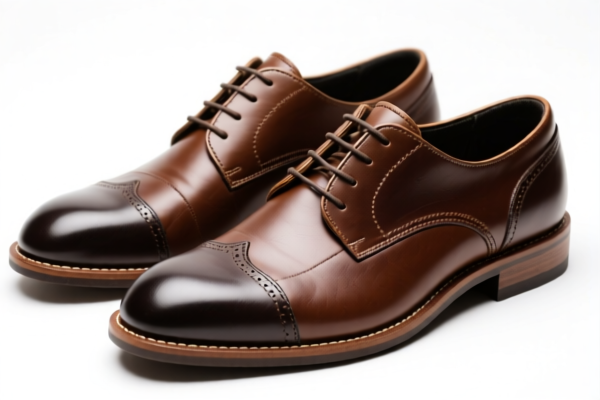
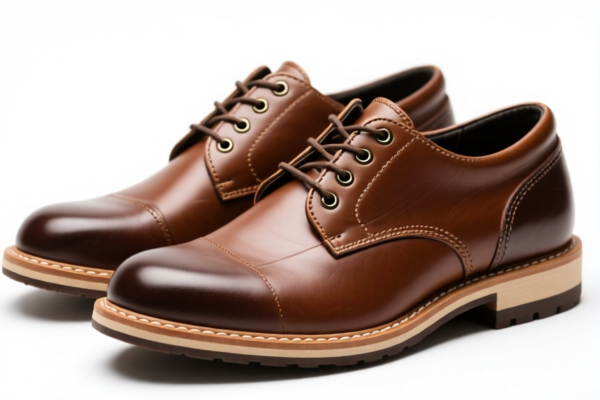
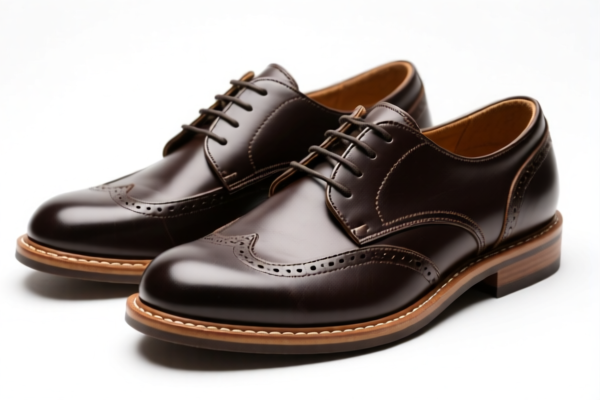
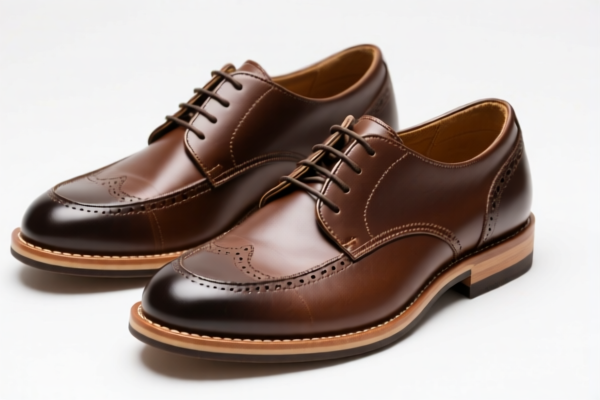
AI Analysis
👞 Patent Leather Dress Shoes (皮鞋正装鞋)
🌐 HS Code Reference & Customs Clearance Guide | 2026 Latest Tariff Analysis | Professional Entry Strategy
📌 I. Product Definition & Classification: Do You Really Understand "Patent Leather Dress Shoes"?
Patent leather dress shoes are the pinnacle of formal footwear, characterized by a high-gloss, plastic-coated leather surface. In international trade, they are strictly classified under Chapter 64 (Footwear), specifically focusing on the upper material composition and construction method.
Key Distinctions: * Construction Method (Sewn-Goodyear vs. Cemented): The "Sewn" (stitched) vs. "Other" distinction significantly impacts the HS Code and tariff rate. * Upper Material: "Patent Leather" is a type of leather. If the surface area >50% is leather, it falls under specific leather shoe categories. * Gender/Type: Usually classified under men's or unisex/general adult footwear.
⚠️ Critical Note for Classification:
- Sewn Construction (Goodyear Welt, Blake Stitch): Tends to have lower base tariffs.
- Cemented/Injection (Glued): Tends to have higher base tariffs.
- Patent Leather Status: It is legally considered "Leather." It does not qualify as "Plastic" or "Textile" for tariff purposes unless the leather content is negligible (which is rare for true dress shoes).
📦 II. HS Code Classification Details (2026 Latest Tariff Authority Mapping)
Based on the provided data, here are the 5 potential HS Codes for Patent Leather Dress Shoes, analyzed by their construction and tariff structure.
| HS Code | Product Summary & Construction | Tariff Profile | Construction Type Implied |
|---|---|---|---|
6403.51.60.30 |
Patent leather dress shoes, conforms to leather material & formal use. | 18.5% Total | Sewn/Stitched (Likely Goodyear/Blake) |
6403.51.30.30 |
Patent leather dress shoes, leather upper, falls within Sewn Footwear category. | 15.0% Total | Sewn/Stitched (Explicitly Sewn) |
6405.10.00.30 |
Patent leather dress shoes, leather upper, classified as Footwear Finished Product. | 27.5% Total | Other/Cemented (Non-sewn construction) |
6404.19.15.20 |
Patent leather dress shoes, >50% leather surface area, fits men's/unisex use. | 20.5% Total | Sewn (Leather upper, sewn construction) |
6405.10.00.90 |
Patent leather dress shoes, leather upper, classified as Footwear Finished Product. | 27.5% Total | Other/Cemented (Non-sewn construction, generic) |
🔍 Key Insight:
- Codes6403and6404typically imply Sewn Construction (higher quality, lower base tariff).
- Codes6405typically imply Other Construction (cemented/injected, lower quality, higher base tariff).
- Patent Leather is treated as Leather, not plastic, regardless of its glossy finish.
💰 III. 2026 Latest Tariff Rate Breakdown (Detailed Tax Clauses)
✅ Applicable Country: United States (US)
✅ Origin: China (CN)
✅ Policy: Includes Base Tariff + Section 301 (122 Clause) Additional Tariffs
🎯 1. 6403.51.30.30 – The Most Favorable Option (Sewn Construction)
| Item | Detail |
|---|---|
| Base Tariff | 5.0% |
| Section 301 / 122 Clause Tariff | 10.0% |
| Total Tariff | 15.0% |
| Tax Calculation | CIF Value × 15.0% |
| Legal Path | HTSUS:6403.51 → Section 301: 122 Clause |
📌 Explanation:
- This code explicitly states "Sewn Footwear".
- Lowest total tax rate (15%) among all options.
- Ideal for high-quality Goodyear-welted or Blake-stitched patent leather shoes.
🎯 2. 6403.51.60.30 – Standard Leather Dress Shoe (Sewn)
| Item | Detail |
|---|---|
| Base Tariff | 8.5% |
| Section 301 / 122 Clause Tariff | 10.0% |
| Total Tariff | 18.5% |
| Tax Calculation | CIF Value × 18.5% |
| Legal Path | HTSUS:6403.51 → Section 301: 122 Clause |
📌 Explanation:
- Also Sewn Construction, but may differ in specific sub-category details (e.g., heel height or toe type).
- 3.5% higher than6403.51.30.30.
🎯 3. 6404.19.15.20 – Men's/Unisex Sewn Leather Shoe
| Item | Detail |
|---|---|
| Base Tariff | 10.5% |
| Section 301 / 122 Clause Tariff | 10.0% |
| Total Tariff | 20.5% |
| Tax Calculation | CIF Value × 20.5% |
| Legal Path | HTSUS:6404.19 → Section 301: 122 Clause |
📌 Explanation:
- Specifically mentions Men's/Unisex use.
- Base tariff is higher (10.5%) due to specific sub-heading classification.
🎯 4. 6405.10.00.30 & 6405.10.00.90 – Non-Sewn / Cemented Construction
| Item | Detail |
|---|---|
| Base Tariff | 10.0% |
| Section 301 / 122 Clause Tariff | 10.0% |
| Additional Duty | 7.5% |
| Total Tariff | 27.5% |
| Tax Calculation | CIF Value × 27.5% |
| Legal Path | HTSUS:6405.10 → Section 301: 122 Clause + Additional Duty |
📌 Explanation:
- Highest tax rate (27.5%).
- These codes are for cemented, glued, or injection-molded shoes.
- The 7.5% additional duty is unique to this sub-category, likely due to lower quality standards or specific trade remedies.
- Avoid this code unless the shoe is truly non-sewn and you cannot qualify for 6403/6404.
🛠️ IV. Customs Clearance Practical Advice (Real-World Pitfall Guide)
✅ 1. Document Checklist (Non-Negotiable)
| Document | Required | Explanation |
|---|---|---|
| ✅ Product Specification Sheet | ✔️ | Must detail: Upper Material (100% Leather/Patent Leather), Construction (Sewn vs. Cemented), Outsole Material. |
| ✅ Construction Diagram | ✔️ | Crucial! Must show stitching (Goodyear/Blake) to justify 6403 or 6404. If glued, must show cement layer for 6405. |
| ✅ Patent Leather Certification | ✔️ | Proves the "glossy" finish is a leather treatment, not a plastic coating. Prevents reclassification as plastic footwear. |
| ✅ Commercial Invoice | ✔️ | Clearly state: "Patent Leather Dress Shoes, Men's/Women's, Sewn Construction." |
| ✅ Packing List | ✔️ | Itemize by size/color to match invoice. |
| ✅ Certificate of Origin (CO) | ✔️ | Required for Section 301 tariff verification. |
✅ 2. Declaration Tips (Golden Rules)
🔥 “Sewn = Lower Tax, Patent = Leather, Glued = Higher Tax!”
| Scenario | Correct HS Code | Wrong Code | Consequence |
|---|---|---|---|
| High-end Goodyear-welted Patent Shoes | 6403.51.30.30 (15%) |
6405.10.00.90 (27.5%) |
Overpaying 12.5% tax! |
| Cemented Patent Shoes | 6405.10.00.30 (27.5%) |
6403.51.30.30 (15%) |
Customs Penalty + Back Taxes! |
| Men's Specific Patent Shoes | 6404.19.15.20 (20.5%) |
6403.51.60.30 (18.5%) |
Minor difference, but 6404 is more precise for gender-specific. |
| Patent Leather (Fake) | 6406.99 (Plastic/Other) |
6403 (Leather) |
Major Classification Error! |
📌 Key Advice:
- If your shoes are stitched (sewn), ALWAYS aim for6403or6404. The 10-12.5% tax savings are massive.
- Do NOT claim "Sewn" if they are glued. Customs will inspect and penalize you.
- Patent Leather is Leather. Do not describe it as "Synthetic" or "Plastic Coated" to save tax; it will be rejected.
✅ 3. Special Cases
| Situation | Handling Advice |
|---|---|
| Mixed Materials (e.g., Leather Upper + Synthetic Sole) | Still falls under 6403/6404 if upper is >50% leather. Sole material doesn't change the main chapter. |
| Kids' Patent Leather Shoes | May fall under different sub-headings (e.g., 6405.20). Check specific child/footwear codes. |
| Sample vs. Bulk | Samples may be eligible for Section 321 De Minimis ($800 limit) if shipped via postal/courier, but NOT for commercial bulk. |
🌍 V. Global Market Comparison (2026)
| Country/Region | Recommended HS Code | Estimated Total Tax | Certification | Notes |
|---|---|---|---|---|
| 🇺🇸 USA | 6403.51.30.30 |
15.0% | None | Best Rate for Sewn. 122 Clause applies. |
| 🇺🇸 USA | 6405.10.00.90 |
27.5% | None | High tax for glued shoes. |
| 🇪🇺 EU | 6403.51 |
~8-12% | CE (if safety) | No Section 301 tax. |
| 🇨🇳 China | 6403.51 |
~5-10% | CCC (if applicable) | Import duty varies. |
| 🇬🇧 UK | 6403.51 |
~5-10% | UKCA | Post-Brexit rules apply. |
📌 Conclusion:
- USA is the most expensive market due to Section 301/122 tariffs.
- Sewn Construction (6403) is the only viable path to minimize US tariffs.
- Avoid6405unless absolutely necessary (e.g., cheap cemented shoes), as the 27.5% rate is prohibitive for profitability.
📌 VI. Common Mistakes & Pitfalls (Blood & Tears Lessons)
❌ Mistake 1: Declaring "Sewn" shoes as "Cemented" (6405)
👉 Consequence: Paying 27.5% instead of 15.0%. Losing 12.5% profit margin!
❌ Mistake 2: Declaring "Glued" shoes as "Sewn" (6403)
👉 Consequence: Customs inspection reveals glued sole. Penalty + Back Taxes + Audit Risk.
❌ Mistake 3: Describing "Patent Leather" as "Plastic Coated"
👉 Consequence: Misclassification. Patent leather is a leather finishing process, not a plastic material.
❌ Mistake 4: Ignoring the 122 Clause
👉 Consequence: Forgetting to declare the 10% additional tariff leads to underpayment and penalties.
✅ Correct Declaration Example:
"Men's Patent Leather Dress Shoes, Goodyear Welt Construction, Leather Upper, Rubber Sole, Model XYZ, Certified Genuine Leather."
🎯 VII. Conclusion: Professional Declaration, Save Money, Ensure Compliance!
🎯 Remember the Rules:
🔹 "Sewn = 15-20%, Glued = 27.5%"
🔹 "Patent = Leather, Not Plastic"
🔹 "122 Clause = 10% Extra Tax"
🔹 "Document Construction Method Clearly!"
📌 Pro Tip:
If your shoes are made in Vietnam, Mexico, or Thailand, you may exempt Section 301 tariffs. Check USMCA or ASEAN rules of origin.
Recommend Pre-Ruling (ISF + Tariff Classification) for large shipments to avoid delays.
📣 Immediate Action:
📞 Contact a professional customs broker.
📸 Provide clear photos of the stitching or gluing.
🚀 Let your patent leather shoes clear customs smoothly, maximize profit, and shine!
✨ Professional Customs Clearance Starts with Accurate Classification!
💼 Every cent of tax saved is pure profit!
Customer Reviews
About HS Code Classification
The Harmonized System (HS) is an internationally standardized nomenclature developed by the World Customs Organization (WCO) to classify traded products. Over 200 countries use the HS system as the basis for customs tariffs, trade statistics, and import/export regulations.
Each HS code follows a hierarchical structure:
- Chapter (2 digits) — Broad category of goods (e.g., Chapter 84: Machinery and Mechanical Appliances)
- Heading (4 digits) — More specific grouping within the chapter
- Subheading (6 digits) — Internationally standardized breakdown, used by all WCO member countries
- National subdivisions (8-10 digits) — Country-specific extensions for further classification, such as US HTSUS 10-digit codes
Correct HS code classification is essential for smooth customs clearance, accurate duty payment, and compliance with trade regulations. Misclassification can lead to customs delays, overpayment of duties, or penalties.
When importing from CN to US, the applicable tariff rates may include:
- Most-Favored-Nation (MFN) rate — The standard duty rate applied to WTO members
- General rate — Applied to countries without trade agreements
- Trade remedy duties — Additional tariffs such as Section 301 (anti-dumping), Section 232 (national security), or countervailing duties
The information provided on this page is for reference purposes only. For official classification, please consult with your local customs authority or a licensed customs broker.