Pathological Waste Disposal Box
CN → USProduct Images
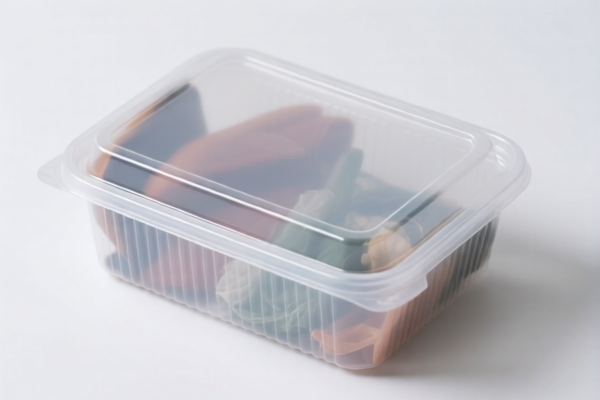
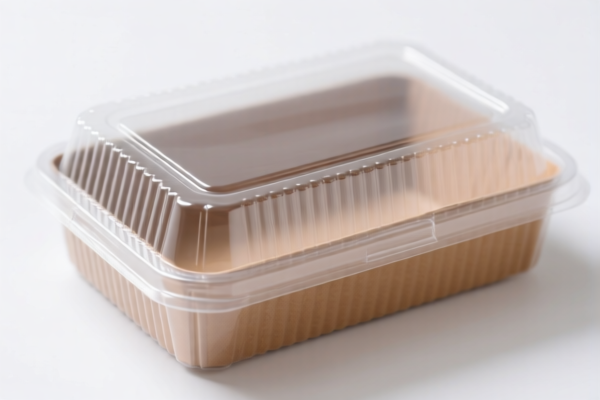
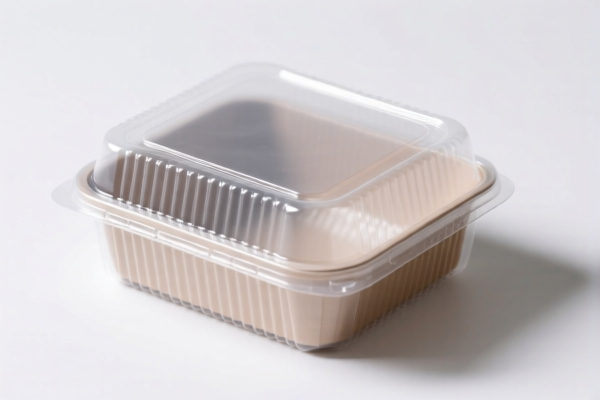
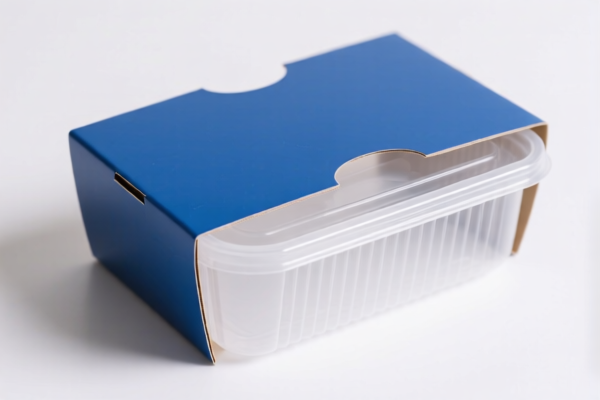
AI Analysis
🩺 Pathological Waste Disposal Box (Sharps & Biohazard Containers)
🌐 HS Code Reference & Customs Clearance Guide | 2026 Latest Tariff Analysis | Professional-Level Compliance Strategy
📌 1. Product Definition and Classification: What Exactly is "Pathological Waste"?
Pathological waste refers to human body parts, organs, tissues, and fluids generated during medical procedures (surgeries, autopsies, biopsies). The Disposal Box itself is the primary containment vessel, typically made of rigid, puncture-resistant plastic (HDPE/Polypropylene) or metal, often color-coded (e.g., Red or Yellow) to indicate biohazardous content.
In international trade, these items are classified based on function and material:
- Medical Disposal Containers (Plastic): Rigid, puncture-resistant boxes designed for sharps or pathological waste.
- General Waste Containers (Non-Medical): Generic bins not specifically designed for hazardous medical waste.
- Biohazard Bags/Liners: Flexible containers that go inside the box (often classified separately).
⚠️ Key Distinction Point:
- If the box is rigid, puncture-resistant, and specifically labeled for medical/sharps/pathological waste → It is classified as Medical Equipment/Container.
- If it is a generic plastic bin without specific medical certification → It may fall under general plastic containers.
- Crucial: The content (pathological waste) is hazardous, but the box is the regulated item for import/customs purposes.
📦 2. HS Code Classification Details (2026 Latest Tariff Authority Comparison)
| HS Code | Product Description | Applicable Scenario | Material/Feature |
|---|---|---|---|
3923.50.00.00 |
Cases, boxes, and similar articles, of plastics, suitable for containing goods | Most Common: Rigid plastic pathological waste boxes, sharps containers | ✅ Plastic (HDPE/PP) |
3923.21.00.00 |
Sacks and bags, of polyethylene | Biohazard bags/liners (if sold separately) | ✅ Plastic Film |
3923.30.00.00 |
Carboys, bottles and similar articles, of plastics | Not typically applicable (too small/small volume) | ✅ Plastic |
7610.10.00.00 |
Structures and parts of structures (e.g., metal waste bins) | Rare: Metal pathological waste containers | ✅ Metal |
3006.90.00.00 |
Pharmaceutical packaging materials | Not applicable (this is for drug packaging, not waste) | ❌ No |
3926.90.00.00 |
Other articles of plastics | If not meeting "suitable for containing goods" criteria (e.g., decorative) | ✅ Plastic |
🔍 Key Reminder:
-3923.50.00.00is the most widely accepted HS Code for rigid plastic pathological waste disposal boxes.
- If the box includes a hinge, lid, or locking mechanism specifically designed for biohazard safety, it still falls under 3923.50.
- Do NOT classify as3006(pharmaceuticals) unless it’s packaging for drugs.
- Do NOT classify as3926(general plastic articles) if it meets the "suitable for containing goods" definition.
💰 3. 2026 Latest Tariff Rate Details (Including Surtaxes, Policy Surcharges)
✅ Applicable Country: United States (US)
✅ Origin: China (CN)
✅ Effective Date: November 10, 2025 onwards (including subsequent imports)
🎯 1. 3923.50.00.00 —— Plastic Cases/Boxes for Containing Goods (Pathological Waste Boxes)
| Item | Content |
|---|---|
| Base Tariff Rate | 3.4% (ad valorem) |
| USITC Surtax (Section 301) | +7.5% (Note: Some plastic products may have different rates; verify specific footnote) |
| IEEPA Surtax | +10% (for China/HK products, from Nov 10, 2025) |
| Total Tariff Rate | ~20.9% |
| Tax Calculation | CIF Value × 20.9% |
| De Minimis Eligibility | ❌ Not Eligible (If value > $800, but medical waste containers often exceed this) |
| Legal Basis Path | IEEPA:9903.01.25 → USITC:3923.50.00.00 → FOOTNOTE:9903.88.01 |
📌 Explanation:
- Base Rate 3.4%: Standard MFN rate for plastic containers.
- Section 301 Surtax: Most plastic containers from China are subject to 7.5% (Check specific footnote for any exceptions).
- IEEPA 10%: New surtax on Chinese goods effective Nov 2025.
- Total ~20.9%: This is a moderate-to-high tariff, so accurate classification is critical to avoid overpayment or penalties.
🎯 2. 3923.21.00.00 —— Polyethylene Sacks/Bags (Biohazard Liners)
| Item | Content |
|---|---|
| Base Tariff Rate | 3.4% |
| USITC Surtax | +7.5% |
| IEEPA Surtax | +10% |
| Total Tariff Rate | ~20.9% |
| Tax Calculation | CIF Value × 20.9% |
| De Minimis Eligibility | ❌ Not Eligible |
📌 Note:
- Biohazard bags/liners are often sold in bulk. Ensure the HS Code matches the primary packaging (bag vs. box).
- If bags are sold inside the box, they are usually considered accessories and classified with the box.
🛠️ 4. Customs Clearance Practical Advice (Real-World Pitfall Avoidance Guide)
✅ 1. Required Documentation Checklist (Mandatory)
| Document | Must Provide | Explanation |
|---|---|---|
| ✅ Product Specification Sheet | ✔️ | Material (HDPE/PP), Volume, Puncture-Resistance Rating, Color (Red/Yellow) |
| ✅ Biohazard Certification | ✔️ | ISO 15297, EN 863, or FDA 510(k) clearance if marketed as medical device component |
| ✅ Product Photos (Labeled) | ✔️ | Clear view of "Biohazard" symbol, volume markings, and locking mechanism |
| ✅ Commercial Invoice | ✔️ | Clearly state: "Rigid Plastic Pathological Waste Disposal Box, Non-Reusable, for Medical Use" |
| ✅ Packing List | ✔️ | Specify number of boxes per carton, weight, dimensions |
| ✅ Certificate of Origin (CO) | ✔️ | To claim any preferential rates (though limited for China) |
✅ 2. Declaration Tips (Key Mantras)
🔥 "Rigid Box = 3923.50, Bag = 3923.21, Label Clearly, Avoid Confusion!"
| Scenario | Correct Declaration | Incorrect Practice |
|---|---|---|
| Rigid Plastic Box | 3923.50.00.00 |
Misclassified as 3926.90 → Penalty + Audit |
| Biohazard Bag | 3923.21.00.00 |
Mixed with box in one line item → Confusion |
| Metal Box | 7610.10.00.00 |
Rare, but if metal, use correct HS |
| Generic Plastic Bin | 3923.50.00.00 |
If not for medical use, still 3923.50, but no biohazard claim |
✅ 3. Special Case Handling
| Situation | Handling Advice |
|---|---|
| OEM Custom Boxes | Provide design drawings + material specs to prove it’s a "medical disposal container" |
| With/Without Lids | Both fall under 3923.50. If lid is separate, declare separately or as a set |
| Pre-Used Boxes | ❌ Banned/Restricted: Import of used pathological waste containers is often prohibited or heavily regulated due to contamination risk |
| With Sharps Compartment | Still 3923.50. Clearly declare as "Sharps & Pathological Waste Container" |
🌍 5. Global Market Customs Comparison (2026 Latest)
| Country/Region | Recommended HS Code | Tariff | Certification Required | Notes |
|---|---|---|---|---|
| 🇺🇸 USA | 3923.50.00.00 |
~20.9% | FDA 510(k) (if medical device) | High compliance requirement |
| 🇨🇳 China | 3923.50.00.00 |
6.5% | CCC (if applicable) | Lower tariffs, standard import |
| 🇪🇺 EU | 3923.50.00.00 |
0% - 3.7% | CE Marking (Medical Device Regulation) | No surtaxes |
| 🇦🇺 Australia | 3923.50.00.00 |
5% | TGA Approval (if medical) | Biosecurity checks |
| 🇯🇵 Japan | 3923.50.00.00 |
0% - 6% | PSE/Pharma Approval | Strict labeling |
📌 Conclusion:
- USA has the highest effective tariff due to IEEPA and Section 301 surtaxes.
- EU and Japan are more tariff-friendly, but have strict medical device certifications (CE, PMA).
- China-origin boxes face higher costs in the US, so consider supply chain diversification (e.g., Vietnam, Mexico) if possible.
📌 6. Common Mistakes & Pitfall Guide (Lessons Learned the Hard Way)
❌ Mistake 1: Declaring as "Plastic Bin" without specifying "Medical/Pathological"
👉 Consequence: Customs may reject as non-compliant for biohazard handling → Delays + Re-inspection
❌ Mistake 2: Using 3006 (Pharmaceutical Packaging) for waste boxes
👉 Consequence: Incorrect classification → Penalties + Back Taxes
❌ Mistake 3: Importing used pathological waste boxes
👉 Consequence: Banned in many countries due to biohazard risk → Return/Destroy
❌ Mistake 4: Not labeling with Biohazard Symbol
👉 Consequence: Customs may refuse entry as "unlabeled hazardous material" → Fines
✅ Correct Approach:
"Rigid Plastic Pathological Waste Disposal Box, Red, 20L, Puncture-Resistant, Biohazard Symbol, Model XYZ, FDA Cleared"
🎯 7. Conclusion: Precise Classification Saves Time and Money!
🎯 Remember the Mantra:
🔹 "Rigid Box = 3923.50, Bag = 3923.21, Label Clearly, Avoid Confusion!"
🔹 "US Tariff ~21%, EU ~0%, Certs are Key, Don’t Skip!"
📌 Tips:
- If your pathological waste boxes are originally from Vietnam, Mexico, or Thailand, you may qualify for IEEPA exemptions in the US, reducing tariffs to 0%–5%.
- Apply for Advance Ruling from CBP (US Customs) if unsure about classification.
- Ensure Biohazard labeling is compliant with DOT/ICAO regulations for transport.
📣 Immediate Action:
📞 Contact a licensed customs broker + Provide product photos + Apply for HS Code Advance Ruling
🚀 Let your pathological waste boxes clear customs smoothly, efficiently, and profitably!
✨ Professional Clearance Starts with Accurate Classification!
💼 Your every dollar saved is precisely calculated!
Customer Reviews
About HS Code Classification
The Harmonized System (HS) is an internationally standardized nomenclature developed by the World Customs Organization (WCO) to classify traded products. Over 200 countries use the HS system as the basis for customs tariffs, trade statistics, and import/export regulations.
Each HS code follows a hierarchical structure:
- Chapter (2 digits) — Broad category of goods (e.g., Chapter 84: Machinery and Mechanical Appliances)
- Heading (4 digits) — More specific grouping within the chapter
- Subheading (6 digits) — Internationally standardized breakdown, used by all WCO member countries
- National subdivisions (8-10 digits) — Country-specific extensions for further classification, such as US HTSUS 10-digit codes
Correct HS code classification is essential for smooth customs clearance, accurate duty payment, and compliance with trade regulations. Misclassification can lead to customs delays, overpayment of duties, or penalties.
When importing from CN to US, the applicable tariff rates may include:
- Most-Favored-Nation (MFN) rate — The standard duty rate applied to WTO members
- General rate — Applied to countries without trade agreements
- Trade remedy duties — Additional tariffs such as Section 301 (anti-dumping), Section 232 (national security), or countervailing duties
The information provided on this page is for reference purposes only. For official classification, please consult with your local customs authority or a licensed customs broker.