Pattern Paper
CN → US| HS Code | Tariff Rate | Origin | Destination | Doc |
|---|---|---|---|---|
| 4823400000 | 35.0% | CN | US | Official Doc |
| 4823901000 | 35.0% | CN | US | Official Doc |
| 4911996000 | 17.5% | CN | US | Official Doc |
| 4911914040 | 17.5% | CN | US | Official Doc |
Product Images
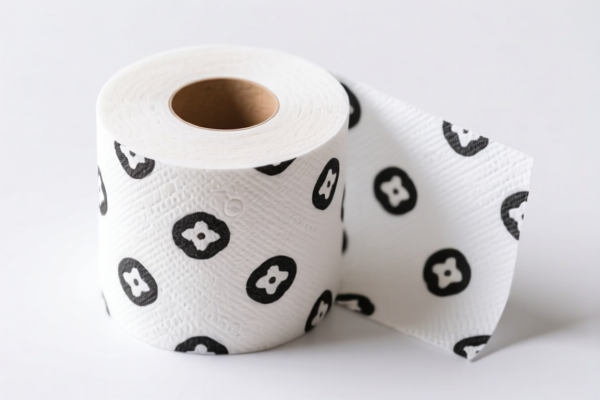
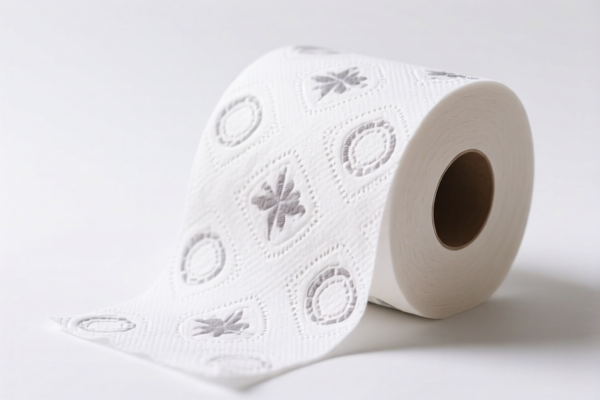
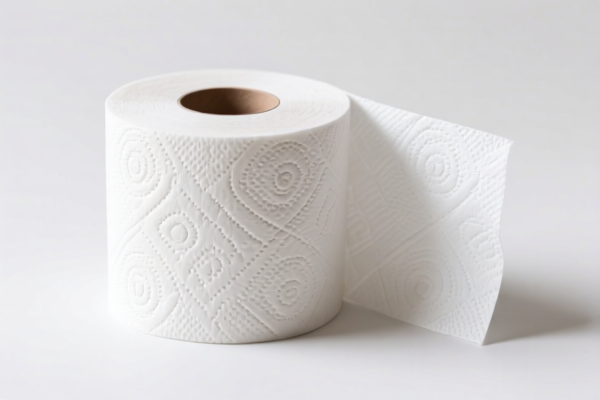
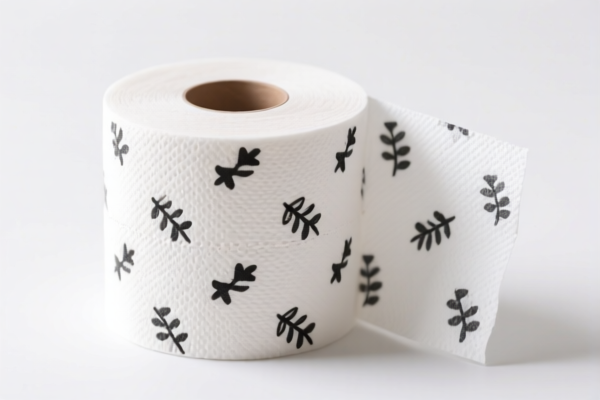
AI Analysis
🎨 Pattern Paper (Seamless Design & Drafting Templates)
🌐 HS Code Reference & Customs Clearance Guide | 2026 Latest Tariff Analysis | Professional Clearance Strategy
📌 I. Product Definition and Classification: What Exactly is "Pattern Paper"?
Pattern Paper is a specialized stationery item used primarily in the fashion industry, tailoring, and DIY crafting. It is typically characterized by a grid or printed motifs (such as floral, geometric, or animal prints) to assist in measuring, cutting, and designing garments or fabric pieces.
In international trade, these items are classified under Chapter 49 (Printed Books, Newspapers, Pictures, and Other Products of the Printing Industry) or Chapter 48 (Paper and Paperboard), depending on their specific composition and printing method.
⚠️ Key Distinction Points:
- If the paper is printed (e.g., with grids, designs, or instructions) and used for general purposes (not self-recording) → Classified under Chapter 49.
- If the paper is used specifically for self-recording apparatus (e.g., thermal strips for machinery) → Classified under Chapter 48.
- If it is plain paper cut to size without significant printing → It may fall under Chapter 48 as "Other articles of paper."
📦 II. HS Code Classification Details (2026 Latest Tariff Authority Comparison)
| HS Code | Product Description | Applicable Scenario | Tax Rate (US Origin: China) |
|---|---|---|---|
4911.99.60.00 |
Other printed matter, including printed pictures and photographs: Other: Other: Other: Printed on paper in whole or in part by a lithographic process | Standard pattern sheets with printed grids, floral designs, or geometric motifs; commercial drafting templates; decorative craft paper | 7.5% |
4911.91.40.40 |
Other printed matter: Pictures, designs and photographs: Printed not over 20 years at time of importation: Other: Other Other | Vintage-style pattern paper, antique reproductions, or artistic prints used as templates; limited edition design sheets | 7.5% |
4823.40.00.00 |
Other paper, paperboard, cellulose wadding...: Rolls, sheets and dials, printed for self-recording apparatus | Misclassification Risk! Only applies if the paper is specifically engineered to record data (e.g., heart monitor strips, chart recorders). Do NOT use for fashion/craft pattern paper. | 25.0% |
4823.90.10.00 |
Other paper, paperboard...: Other: Of paper pulp | Unprinted or lightly textured paper pulp mats; cardboard-like materials used as backing or base for patterns; non-printed drafting boards | 25.0% |
🔍 Critical Reminder:
- Most fashion/craft pattern paper (with printed grids or motifs) should be classified under 4911.99.60.00 or 4911.91.40.40 because it is "printed matter" intended for human use in design.
- DO NOT classify standard pattern paper under 4823 unless it is truly for "self-recording apparatus" (which is rare for consumer patterns). Misclassification here leads to a massive rate jump (25% vs. 7.5%).
💰 III. 2026 Latest Tariff Rate Details (Including Surtaxes & Policy Add-ons)
✅ Applicable Country: United States (US)
✅ Origin: China (CN)
✅ Effective Date: From November 10, 2025 (and subsequent imports)
🎯 1. 4911.99.60.00 —— Printed Pattern Paper (Lithographic Process)
| Item | Content |
|---|---|
| Base Tariff Rate | 0.0% (ad valorem) |
| Section 301 Surcharge | +7.5% (List 4B / General China-specific tariffs for paper products) |
| Total Tax Rate | 7.5% |
| Tax Calculation | CIF Value × 7.5% |
| De Minimis Eligibility | ❌ No (Subject to standard customs duties and surcharges) |
| Legal Basis Path | HTSUS: 4911.99.60.00 → Section 301 Footnote → 7.5% Total |
📌 Explanation:
- The base rate for most printed articles is 0%.
- However, due to US-China trade tensions, a 7.5% additional duty is applied to this HS code.
- Total Impact: 7.5% is a moderate rate compared to electronics (25-45%), but still significant for low-margin goods.
🎯 2. 4911.91.40.40 —— Vintage/Artistic Pattern Prints
| Item | Content |
|---|---|
| Base Tariff Rate | 0.0% |
| Section 301 Surcharge | +7.5% |
| Total Tax Rate | 7.5% |
| Tax Calculation | CIF Value × 7.5% |
| De Minimis Eligibility | ❌ No |
| Legal Basis Path | HTSUS: 4911.91.40.40 → Section 301 Footnote → 7.5% Total |
📌 Note:
- Same tax treatment as standard lithographic pattern paper.
- Applies to high-end, artistic, or vintage-style pattern sheets.
⚠️ 3. 4823.40.00.00 —— Self-Recording Paper (Risk Area)
| Item | Content |
|---|---|
| Base Tariff Rate | 0.0% |
| Section 301 Surcharge | +25.0% |
| Total Tax Rate | 25.0% |
| Tax Calculation | CIF Value × 25.0% |
| De Minimis Eligibility | ❌ No |
📌 Warning:
- If you accidentally classify standard pattern paper under this code (because it's paper), you will pay 25% instead of 7.5%.
- Conversely, if you are importing actual thermal recording strips, you must use this code. Using the wrong code leads to underpayment penalties.
⚠️ 4. 4823.90.10.00 —— Paper Pulp Articles
| Item | Content |
|---|---|
| Base Tariff Rate | 0.0% |
| Section 301 Surcharge | +25.0% |
| Total Tax Rate | 25.0% |
| Tax Calculation | CIF Value × 25.0% |
| De Minimis Eligibility | ❌ No |
🛠️ IV. Customs Clearance Practical Advice (Battle-Tested Pitfall Avoidance Guide)
✅ 1. Documentation Checklist (Non-Negotiable)
| Document | Required? | Explanation |
|---|---|---|
| ✅ Product Specification Sheet | ✔️ | Must detail: Material (Paper type), Dimensions, Print Method (Lithographic), Purpose (Design/Craft). |
| ✅ High-Resolution Photos | ✔️ | Show the printed design, grid, or motif clearly. Proves it is "printed matter" (Ch 49) and not just "pulp" (Ch 48). |
| ✅ Commercial Invoice | ✔️ | Description must say "Printed Pattern Paper for Fashion Design" or "Decorative Pattern Sheets." Avoid vague terms like "Paper." |
| ✅ Packing List | ✔️ | Clearly list quantity per box. |
| ✅ Certificate of Origin (CO) | ✔️ | If applicable for non-China origins (e.g., Vietnam, USA) to avoid Section 301 tariffs. |
✅ 2. Declaration Tips (Key Mantra)
🔥 "Printed Matter Goes to 49, Self-Recording to 48, Pulp to 48 – Choose Wisely!"
| Scenario | Correct Declaration | Incorrect Action |
|---|---|---|
| Standard Grid/Floral Pattern Paper | 4911.99.60.00 (7.5%) |
Declaring as 4823.40.00.00 (25%) → Overpay 17.5% |
| Vintage Art Pattern Sheet | 4911.91.40.40 (7.5%) |
Declaring as 4911.99.60.00 → Acceptable, but 4911.91.40.40 is more precise. |
| Unprinted Paper Pulp Base | 4823.90.10.00 (25%) |
Declaring as 4911.99.60.00 → Under-declaration risk |
| Thermal Chart Recording Paper | 4823.40.00.00 (25%) |
Declaring as 4911.99.60.00 → Under-declaration Risk |
✅ 3. Special Cases Handling
| Situation | Handling Advice |
|---|---|
| Mixed Shipments | If a shipment contains both printed pattern paper (Ch 49) and unprinted pulp boards (Ch 48), declare separately. Do not mix HS codes. |
| OEM Custom Designs | Provide the design file or sample print. Custom lithographic prints still fall under 4911.99.60.00. |
| "Digital" Pattern Paper | If sold as a PDF (digital), it is not physical goods and has no HS Code/Duty. If sold as printed physical sheets, it is physical goods and subject to duty. |
| High-Value Art Prints | If the value is driven by the artistic print (not the paper), ensure the description emphasizes "Pictures/Prints" to justify Chapter 49. |
🌍 V. Global Market Customs Comparison (2026 Latest)
| Country/Region | Recommended HS Code | Duty (China Origin) | Certification/Notes |
|---|---|---|---|
| 🇺🇸 USA | 4911.99.60.00 |
7.5% (Total) | Section 301 applies. No special licenses needed. |
| 🇨🇳 China | 4911.99.60.00 |
~6.5% - 13% | Depends on exact type. No additional surcharges. |
| 🇪🇺 EU | 4911.99 |
0% - 3% | No Section 301 equivalent. Standard MFN rates apply. |
| 🇬🇧 UK | 4911.99 |
0% - 3% | Post-Brexit tariffs. Generally low. |
| 🇯🇵 Japan | 4911.99 |
0% | Free Trade Agreement considerations may apply. |
📌 Conclusion:
- USA is the only market with significant added duties (7.5%) for this category due to trade policies.
- EU/UK/Japan offer much lower duty rates (~0-3%), making them more attractive for high-volume imports of pattern paper.
- Cost Optimization: If importing to the US, consider sourcing from non-China origins (e.g., Vietnam, India) to potentially avoid the 7.5% surcharge, if rules of origin are met.
📌 VI. Common Mistakes & Pitfalls (Lessons from Blood and Tears)
❌ Mistake 1: Classifying all paper products under 4823 (Paper Articles)
👉 Consequence: If the paper is printed with designs/grids, it belongs in Chapter 49. Using 4823 can lead to 25% duty instead of 7.5% if misclassified as self-recording/pulp.
👉 Correct Action: Printed matter = Chapter 49.
❌ Mistake 2: Vague Description "Paper" on Invoice
👉 Consequence: Customs may reclassify to the highest duty rate or request samples for inspection, causing delays.
👉 Correct Action: Use specific terms: "Lithographic Printed Pattern Paper for Garment Design."
❌ Mistake 3: Ignoring the "Printed" Aspect
👉 Consequence: If the pattern is embossed or unprinted, it may not qualify for Chapter 49.
👉 Correct Action: Verify printing method. Lithographic, digital, or offset printing all count as "printed" for Chapter 49.
✅ Correct Practice:
"Printed Pattern Paper, 20 sheets, A4 size, Floral Design, Lithographic Process, for Sewing and Craft Use, Model: PPA-2026"
🎯 VII. Conclusion: Precise Classification Saves Money!
🎯 Remember the Mantra:
🔹 "Printed & Designed? Chapter 49, 7.5% is the key!"
🔹 "Self-Recording or Pulp? Chapter 48, 25% is the trap!"
🔹 "Clear Description, Correct Chapter, Smooth Customs!"
📌 Pro Tip:
- If your Pattern Paper is printed (most common), stick to 4911.99.60.00 or 4911.91.40.40.
- The 7.5% total tax is manageable.
- Ensure your commercial invoice clearly states "Printed by Lithographic Process" to justify Chapter 49 classification and avoid audits.
📣 Immediate Action:
📞 Review your supplier's product photos to confirm printing method.
📄 Prepare accurate descriptions highlighting "Printed Pattern Paper."
🚀 Clear your goods efficiently, avoid 25% penalties, and maximize profit margins!
✨ Professional Clearance Starts with Accurate Classification!
💼 Every Percent Counts in International Trade!
Customer Reviews
About HS Code Classification
The Harmonized System (HS) is an internationally standardized nomenclature developed by the World Customs Organization (WCO) to classify traded products. Over 200 countries use the HS system as the basis for customs tariffs, trade statistics, and import/export regulations.
Each HS code follows a hierarchical structure:
- Chapter (2 digits) — Broad category of goods (e.g., Chapter 84: Machinery and Mechanical Appliances)
- Heading (4 digits) — More specific grouping within the chapter
- Subheading (6 digits) — Internationally standardized breakdown, used by all WCO member countries
- National subdivisions (8-10 digits) — Country-specific extensions for further classification, such as US HTSUS 10-digit codes
Correct HS code classification is essential for smooth customs clearance, accurate duty payment, and compliance with trade regulations. Misclassification can lead to customs delays, overpayment of duties, or penalties.
When importing from CN to US, the applicable tariff rates may include:
- Most-Favored-Nation (MFN) rate — The standard duty rate applied to WTO members
- General rate — Applied to countries without trade agreements
- Trade remedy duties — Additional tariffs such as Section 301 (anti-dumping), Section 232 (national security), or countervailing duties
The information provided on this page is for reference purposes only. For official classification, please consult with your local customs authority or a licensed customs broker.