Paving and Construction Stone
CN → US| HS Code | Tariff Rate | Origin | Destination | Doc |
|---|---|---|---|---|
| 6802230000 | 38.7% | CN | US | Official Doc |
| 6802291000 | 39.9% | CN | US | Official Doc |
| 6802100000 | 39.8% | CN | US | Official Doc |
| 6802990050 | 41.5% | CN | US | Official Doc |
| 6802100000 | 39.8% | CN | US | Official Doc |
Product Images
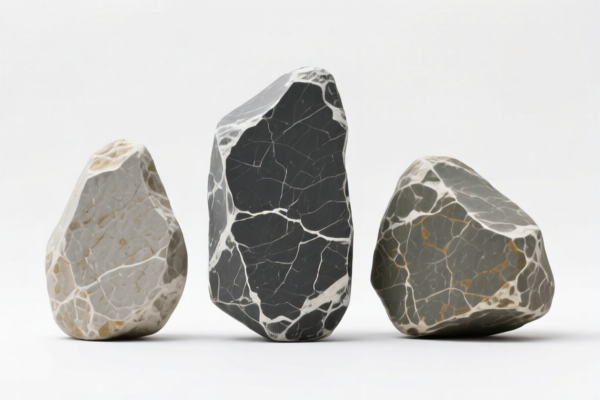
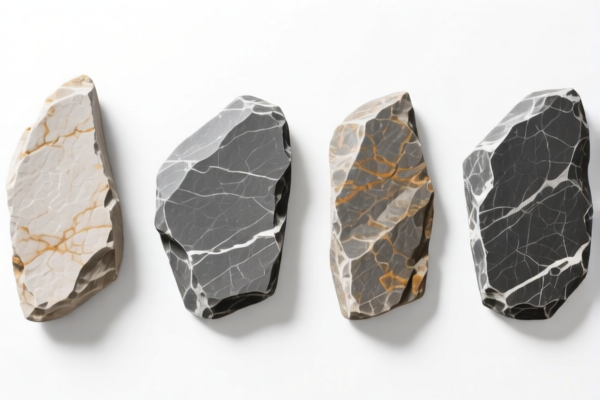
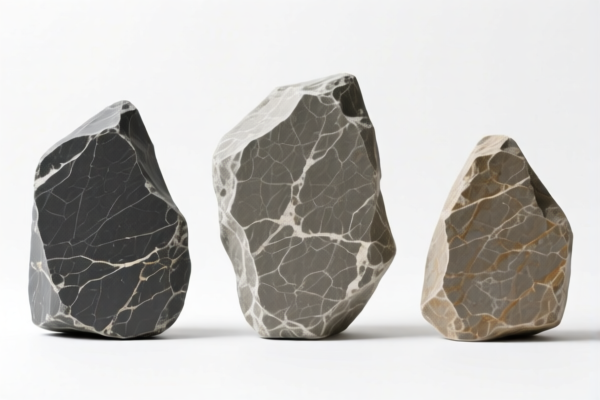
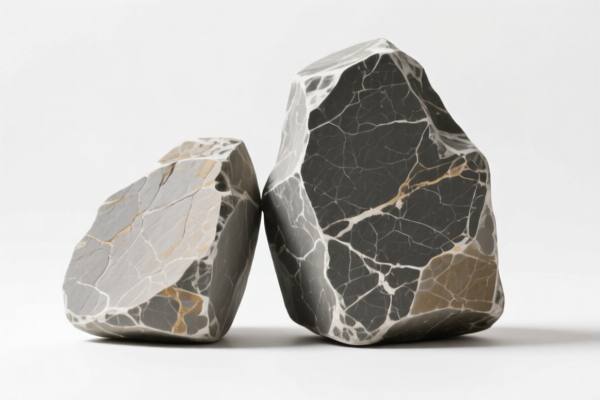
AI Analysis
🧱 Paving & Construction Stone (Natural Stone Products)
🌐 HS Code Reference & Customs Clearance Guide | 2026 Tariff Breakdown | Strategic Import Strategy for US Markets
📌 I. Product Definition: What Exactly Is "Construction Stone"?
Natural stone for paving and construction is a broad category encompassing quarried rock processed for building infrastructure, flooring, cladding, or decorative purposes. In international trade, these goods are strictly classified under Chapter 68 of the Harmonized Tariff Schedule (HTS), specifically under heading 6802.
The classification depends heavily on three factors: 1. Material Composition: Is it marble/limestone, silica-based, or generic mineral aggregate? 2. Form/Processing: Is it rough rubble, small fragments (<7cm), polished slabs, or mosaics? 3. Specific Use: Is it for general building, specific paving applications, or artistic installation?
⚠️ Critical Distinction:
- "Rough Stone" or "Small Fragments": Often classified under 6802.10 or 6802.23.
- "Sawed/Cut Stone" (e.g., Slabs, Tiles): Classified under 6802.23, 6802.29, or 6802.99.
- "Limestone/Calcium-based Stone": Often falls under 6802.29 if not marble/speckled gypsum.
📦 II. HS Code Classification Matrix (2026 Latest Tariff Schedule)
Based on the provided data, here are the precise classifications for "Paving and Construction Stone" imported from China to the US.
| HS Code | Product Description & Material | Key Characteristics & Usage | Typical Form |
|---|---|---|---|
| 6802.23.00.00 | Worked Marble, Travertine, and Other Limestone Material: General Stone |
Used for paving and construction. Fits the definition of building stone where material is generic stone (not specifically calcium-rich limestone falling into 6802.29). | Slabs, blocks, cut stones for construction |
| 6802.29.10.00 | Other Worked Stone (Calcium-Based) Material: Calcium Stone |
Non-marble, non-travertine, non-tuff, non-speckled gypsum. Specifically used for paving and construction. | Cut blocks, pavers, construction aggregates |
| 6802.10.00.00 | Rubble, Granules, etc. Material: Mineral/Stone |
Stones for paving made of mineral materials. Specifically covers fragments < 7 cm or bulk paving materials. | Small stones, gravel, crushed stone for paving |
| 6802.99.00.50 | Other Worked Stone and Articles Thereof Material: Stone Products |
Paving stones that are processed products like slabs, mosaics, or other complex forms not covered by 6802.23/29. | Mosaics, intricate paving tiles, decorative stone |
| 6802.10.00.00 | Paving Stones & Mineral Materials Material: Mineral Material |
General paving stones. No size or material conflict noted. | Standard paving blocks, mineral aggregates |
🔍 Key Insight:
- 6802.10.00.00 is the most common for raw/small paving stones (gravel/crushed stone).
- 6802.23.00.00 is for finished building stones (slabs/blocks).
- 6802.99.00.50 captures specialty/processed items like mosaics.
💰 III. 2026 Tariff Rate Analysis (Detailed Breakdown)
✅ Applicable Country: United States (US)
✅ Country of Origin: China (CN)
✅ Effective Date: Current rates apply (Section 301 & 122 Clauses)
All listed HS codes carry a significant total tax burden due to trade restrictions. Here is the detailed breakdown:
🎯 1. HS Code 6802.23.00.00 (Worked Limestone/General Stone)
| Item | Detail |
|---|---|
| Base MFN Rate | 3.7% |
| Section 301 (Section 301 Addendum) | +25.0% |
| Section 122 (Trade Deficit Measure) | +10.0% |
| Total Effective Tax Rate | 38.7% |
| Tax Calculation | CIF Value × 38.7% |
| De Minimis Exemption? | ❌ NO (High risk of inspection and audit) |
| Legal Basis | Section 301 + Section 122 + HTS 6802.23.00.00 |
📌 Explanation:
- The 3.7% is the standard Most Favored Nation (MFN) rate.
- The 25% is the standard Section 301 tariff on Chinese goods.
- The 10% is the Section 122 tariff (based on the US trade deficit with the country).
- Total: 38.7%. This is a high-cost item. Cost-saving strategies (e.g., third-party country routing) must be carefully evaluated for compliance.
🎯 2. HS Code 6802.29.10.00 (Calcium Stone)
| Item | Detail |
|---|---|
| Base MFN Rate | 4.9% |
| Section 301 Addendum | +25.0% |
| Section 122 Measure | +10.0% |
| Total Effective Tax Rate | 39.9% |
| Tax Calculation | CIF Value × 39.9% |
| De Minimis Exemption? | ❌ NO |
| Legal Basis | Section 301 + Section 122 + HTS 6802.29.10.00 |
📌 Explanation:
- Higher base rate (4.9%) due to specific material classification (calcium stone).
- Same additional tariffs apply.
- Total: 39.9%. This is the highest base rate among the listed options.
🎯 3. HS Code 6802.10.00.00 (Rubble/Fragments <7cm)
| Item | Detail |
|---|---|
| Base MFN Rate | 4.8% |
| Section 301 Addendum | +25.0% |
| Section 122 Measure | +10.0% |
| Total Effective Tax Rate | 39.8% |
| Tax Calculation | CIF Value × 39.8% |
| De Minimis Exemption? | ❌ NO |
| Legal Basis | Section 301 + Section 122 + HTS 6802.10.00.00 |
📌 Explanation:
- Despite being "smaller" or "rawer," the base rate is slightly higher than 6802.23.
- Total: 39.8%. Common for bulk paving gravel.
🎯 4. HS Code 6802.99.00.50 (Other Worked Stone/Mosaics)
| Item | Detail |
|---|---|
| Base MFN Rate | 6.5% |
| Section 301 Addendum | +25.0% |
| Section 122 Measure | +10.0% |
| Total Effective Tax Rate | 41.5% |
| Tax Calculation | CIF Value × 41.5% |
| De Minimis Exemption? | ❌ NO |
| Legal Basis | Section 301 + Section 122 + HTS 6802.99.00.50 |
📌 Explanation:
- Highest Total Tax: 41.5%.
- The base rate is 6.5%, the highest among all options.
- Applies to processed, finished, or artistic stone products like mosaics.
- Cost Implication: This is the most expensive category to import.
🛠️ IV. Customs Clearance Best Practices (Avoiding Delays & Penalties)
✅ 1. Documentation Checklist (Mandatory)
| Document | Requirement | Notes |
|---|---|---|
| Commercial Invoice | ✔️ Must clearly state "Natural Stone for Paving/Construction" | Avoid vague terms like "Decorative Item" |
| Packing List | ✔️ Detail weight, dimensions, and number of packages | Crucial for verifying <7cm vs. larger blocks |
| Product Description | ✔️ Specify material (e.g., "Granite," "Limestone," "Calcium Stone") | Determines if 6802.23, 6802.29, or 6802.10 applies |
| Material Test Report | ✔️ Optional but recommended | Proves calcium content if using 6802.29.10.00 |
| Photos of Goods | ✔️ Show raw state or finished form | Helps CBP verify if <7cm (for 6802.10) |
✅ 2. Classification Strategy (Risk vs. Cost)
| Scenario | Recommended HS Code | Total Tax | Risk Level |
|---|---|---|---|
| Bulk Paving Gravel (<7cm) | 6802.10.00.00 |
39.8% | Medium (Size verification needed) |
| Standard Building Blocks/Slabs | 6802.23.00.00 |
38.7% | Low (Most common) |
| Calcium-Specific Stone | 6802.29.10.00 |
39.9% | Medium (Material proof needed) |
| Mosaics/Intricate Designs | 6802.99.00.50 |
41.5% | Low (Clear description needed) |
🔥 Pro Tip:
- If your product is small stones for paving, ensure the size is clearly under 7cm to justify6802.10.00.00.
- If it's large slabs/blocks, use6802.23.00.00or6802.99.00.50.
- Do NOT misclassify small stones as large slabs to avoid "Section 301" audits. CBP uses sieve tests!
✅ 3. Special Considerations for Section 122 & 301
- Section 301 (25%): Applies to all Chinese-origin stone products under HTS 6802.
- Section 122 (10%): Applies based on trade deficit data. No exemptions for stone products.
- Total Burden: 38.7%–41.5% is very high.
- Action: Calculate landed cost carefully.
- Strategy: Consider third-country transshipment ONLY if legal and compliant (e.g., substantial transformation in Vietnam/Mexico). Do NOT use false country of origin.
🌍 V. Global Market Comparison (2026)
| Country | HS Code | Base Rate | Additional Taxes | Total Rate (China Origin) | Notes |
|---|---|---|---|---|---|
| 🇺🇸 USA | 6802.23.00.00 | 3.7% | 35% (301+122) | 38.7% | High barriers |
| 🇺🇸 USA | 6802.99.00.50 | 6.5% | 35% (301+122) | 41.5% | Highest base rate |
| 🇨🇳 China | 6802 | Varies | 0% | 0-10% | Export-friendly |
| 🇪🇺 EU | 6802 | 0-2.5% | 0% | ~2.5% | No Section 301/122 |
| 🇬🇧 UK | 6802 | 0-2.5% | 0% | ~2.5% | Post-Brexit agreement |
📌 Conclusion:
- The US market is the most expensive for Chinese stone imports due to Section 301 and 122.
- EU and UK are significantly more cost-effective (~2.5% total).
- Strategy: If targeting the US, ensure precise classification to avoid penalties for misdeclaration.
📌 VI. Common Pitfalls & Blood & Tears Lessons
❌ Pitfall 1: Misclassifying <7cm gravel as large paving stones (6802.23).
👉 Consequence: CBP may reclassify it to 6802.10 (39.8%) or penalize for incorrect description.
👉 Fix: Provide sieve analysis reports if size is borderline.
❌ Pitfall 2: Claiming "Non-Chinese Origin" without proof.
👉 Consequence: Seizure, fines, and 3-year ban from importing.
👉 Fix: Only claim non-China origin if substantial transformation occurred (e.g., cutting/quarrying in Vietnam).
❌ Pitfall 3: Ignoring Section 122.
👉 Consequence: Unexpected 10% tax hit.
👉 Fix: Budget for 35%+ total tax in your pricing model.
✅ Correct Approach:
"Natural Limestone Paving Stones, Cut Blocks, 20x20cm, Origin: China, HS Code: 6802.23.00.00"
🎯 VII. Conclusion: Strategic Sourcing for Stone Imports
🎯 Key Takeaways:
1. Total Tax is High: Expect 38.7%–41.5% total duty.
2. Classification is Critical: Use 6802.23.00.00 for general slabs/blocks (lowest tax at 38.7%).
3. Documentation is Key: Clear material and size descriptions prevent CBP delays.
4. Compliance is Mandatory: Do not evade Section 301/122. Use legal supply chain strategies.
📌 Final Advice:
📞 Consult a licensed customs broker for pre-classification.
📊 Calculate landed cost including 38.7%–41.5% tax.
🚀 Ensure accurate description on invoice and packing list.
✨ Accurate Classification, Smooth Customs, Profitable Imports!
💼 Your Stone Supply Chain Starts with Precise HS Codes!
Customer Reviews
About HS Code Classification
The Harmonized System (HS) is an internationally standardized nomenclature developed by the World Customs Organization (WCO) to classify traded products. Over 200 countries use the HS system as the basis for customs tariffs, trade statistics, and import/export regulations.
Each HS code follows a hierarchical structure:
- Chapter (2 digits) — Broad category of goods (e.g., Chapter 84: Machinery and Mechanical Appliances)
- Heading (4 digits) — More specific grouping within the chapter
- Subheading (6 digits) — Internationally standardized breakdown, used by all WCO member countries
- National subdivisions (8-10 digits) — Country-specific extensions for further classification, such as US HTSUS 10-digit codes
Correct HS code classification is essential for smooth customs clearance, accurate duty payment, and compliance with trade regulations. Misclassification can lead to customs delays, overpayment of duties, or penalties.
When importing from CN to US, the applicable tariff rates may include:
- Most-Favored-Nation (MFN) rate — The standard duty rate applied to WTO members
- General rate — Applied to countries without trade agreements
- Trade remedy duties — Additional tariffs such as Section 301 (anti-dumping), Section 232 (national security), or countervailing duties
The information provided on this page is for reference purposes only. For official classification, please consult with your local customs authority or a licensed customs broker.