Pearl Shirt Buttons
CN → US| HS Code | Tariff Rate | Origin | Destination | Doc |
|---|---|---|---|---|
| 7117190000 | 0.0% | CN | US | Official Doc |
| 9605000000 | 18.1% | CN | US | Official Doc |
Product Images
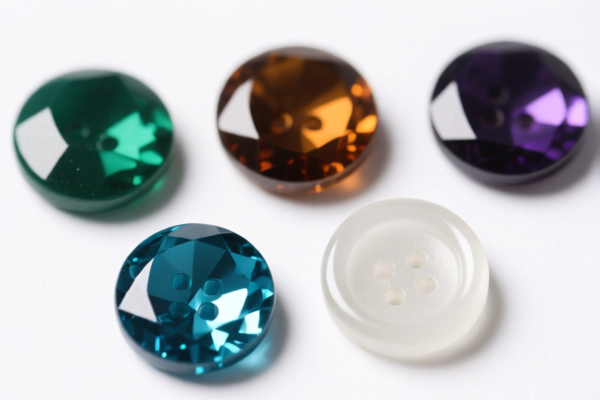
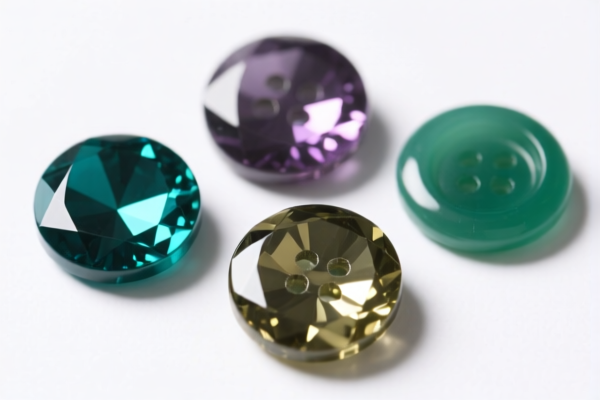
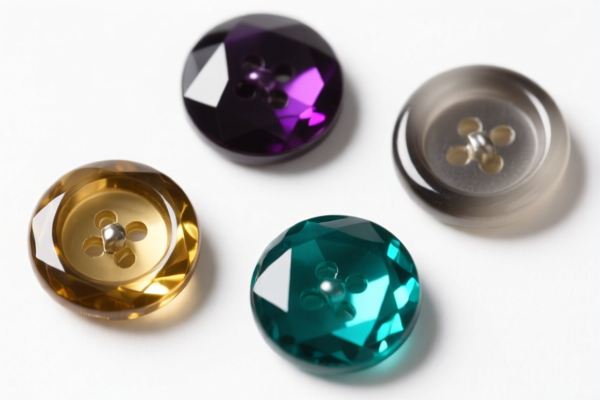
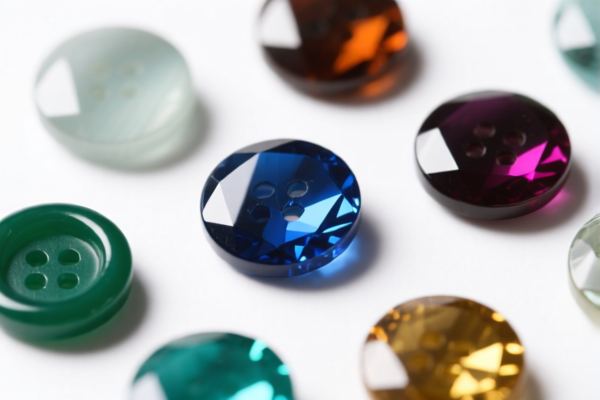
AI Analysis
🦪 Pearl Shirt Buttons (Buttons of Pearl & Semi-Precious Stones)
🌐 HS Code Reference & Customs Clearance Guide | 2026 Tariff Analysis | Professional Compliance Strategy
📌 1. Product Definition: Are They Just "Buttons" or "Jewelry"?
Pearl shirt buttons are decorative fasteners used for clothing, typically made from natural pearls, cultured pearls, or semi-precious stones (such as mother-of-pearl, turquoise, or jade). In international trade, their classification is critical because they straddle the line between general accessories and jewelry/ornaments.
Key Distinction: * Textile Accessories: If made of base metal, plastic, or wood → Chapter 96. * Jewelry/Ornaments: If made of precious metals, pearls, or semi-precious stones → Chapter 71.
⚠️ Critical Rule:
Buttons made of pearls or semi-precious stones are NOT classified under heading 9606 (Other buttons). They fall under Heading 7117 (Imitation Jewellery), specifically as articles of jewelry or personal ornaments.
📦 2. HS Code Classification Details (2026 Tariff Authority)
Based on the provided data, the correct classification for "Pearl Shirt Buttons" is as follows:
| HS Code | Product Description | Applicable Scenario | Material Composition |
|---|---|---|---|
7117.19.00.00 |
Buttons of precious or semi-precious stones, including pearls, for clothing | Pearl shirts, high-end formal wear, costume jewelry | Pearl, Mother-of-Pearl, Semi-precious stone |
🔍 Why this HS Code?
Heading 7117 covers "Imitation Jewellery." The legal notes specify that articles of pearl or semi-precious stone used as clothing buttons are classified here, not under textile accessories. * Subheading .19* refers to "Other" articles of jewelry (excluding those of base metal or plastic). Since pearl buttons are not made of base metals, they fall into this residual category for non-base-metal jewelry items.
💰 3. 2026 Tariff Rate Analysis
✅ Applicable Country: United States (US)
✅ Origin: China (CN)
✅ Effective Date: Post-2025 Regulations
🎯 1. 7117.19.00.00 —— Buttons of Pearl / Semi-Precious Stones
| Item | Content |
|---|---|
| Base Tariff | 0.0% (Ad Valorem) |
| Section 301 / USITC Surcharge | 0.0% |
| IEEPA Surcharge | 0.0% |
| Total Tax Rate | 0.0% |
| De Minimis Eligibility | ✅ Yes (Eligible for $800 exemption if shipped via courier/postal) |
| Legal Basis Path | HTSUS:7117.19.00 → General Note 3 (No special surcharge applied to this specific jewelry/sub-category) |
📌 Explanation:
Unlike many electronics, steel products, or textiles which face heavy tariffs (25-100%), pearl buttons and imitation jewelry often enjoy favorable or zero base tariffs. * No Additional Surcharges: According to the provided data, this specific HS code does not attract the 25% USITC surcharge or the 10% IEEPA surcharge typically applied to Chinese goods in other categories. * Result: The total landed cost impact for duties is zero*, making this a highly competitive product for import/export.
🛠️ 4. Customs Clearance Practical Advice (Risk Avoidance Guide)
✅ 1. Preparation Checklist (Mandatory)
| Document | Must Provide | Explanation |
|---|---|---|
| ✅ Commercial Invoice | ✔️ | Clearly state: "Buttons, Pearl, for Clothing, HS 7117.19.00.00" |
| ✅ Product Photos | ✔️ | Show material texture (pearl luster) to distinguish from plastic/imitation |
| ✅ Material Declaration | ✔️ | Specify: "100% Natural Pearl" or "Cultured Pearl" or "Mother-of-Pearl" |
| ✅ Customs Value | ✔️ | Accurate CIF value; pearls are low-value items, easy to declare correctly |
⚠️ Warning:
Do NOT declare these as "Plastic Buttons" (HS 9606.20.00.00) or "Metal Buttons" (HS 8308.10.00.00) to hide their value. If customs inspects and finds real pearls, they will reclassify the goods, leading to: 1. Retroactive duty assessment (if any differences exist in future policy). 2. Penalties for misdeclaration. 3. Delay in clearance.
✅ 2. Declaration Tips
🔥 "Be Honest, Be Pearl, Zero Tax Clear!"
| Scenario | Correct Declaration | Incorrect Declaration |
|---|---|---|
| Real Pearl Buttons | 7117.19.00.00 - Buttons, Pearl |
9606.20.00.00 - Plastic Buttons |
| Semi-Precious Stone Buttons | 7117.19.00.00 |
9606.20.00.00 |
| Mixed Shipment (Pearl + Plastic) | Split Lines! | Declare all as one line → Audit Risk |
- Split Lines: If a shipment contains both pearl buttons and plastic buttons, you must list them on separate lines of the commercial invoice with separate HS codes. Combining them may lead to the entire shipment being audited under the highest-risk category.
✅ 3. Special Cases
| Situation | Handling Advice |
|---|---|
| High-Value Pearl Buttons | If the total value exceeds $800 per shipment (for de minimis), ensure proper formal entry is filed. |
| Counterfeit Imitation | If "pearls" are actually glass/plastic coated to look like pearls, they still go under 7117.19.00.00 as "Imitation Jewelry." Do not misdeclare as plastic to avoid scrutiny; the tariff is the same (0%), but authenticity matters for IP compliance. |
| Origin Marking | Ensure the packaging or labeling indicates "Made in China" as required by US CBP for all imported goods. |
🌍 5. Global Market Comparison (2026)
| Country/Region | Recommended HS Code | Duty Rate | Remarks |
|---|---|---|---|
| 🇺🇸 USA | 7117.19.00.00 |
0% | No Section 301 or IEEPA surcharge applies. |
| 🇨🇳 China | 7117.19.00.00 |
10-15% | Import duties into China may apply; check latest FTAs. |
| 🇪🇺 EU | 7117.19.00.00 |
4% + VAT | Standard EU import duty for imitation jewelry. |
| 🇬🇧 UK | 7117.19.00.00 |
4% + VAT | Post-Brexit UK tariffs. |
📌 Conclusion:
The USA currently offers the most favorable duty rate (0%) for pearl buttons from China, with no additional retaliatory tariffs. This makes the US a prime market for pearl-based fashion accessories.
📌 6. Common Mistakes & Pitfalls
❌ Mistake 1: Declaring Pearl Buttons as "Textile Accessories" (HS 9606)
👉 Consequence: Misclassification. While duty might be similar, it violates the Harmonized System notes. Customs may seize goods for false declaration.
❌ Mistake 2: Ignoring Material Composition
👉 Consequence: If you declare "Metal Buttons" but they are Pearl, you risk a 25-100% tariff difference if policies change, plus penalties.
❌ Mistake 3: Combining Pearl and Plastic Buttons in One Line Item
👉 Consequence: CBP will likely audit the whole shipment. Split them to ensure accurate duty calculation and compliance.
✅ Correct Practice:
"Buttons, Shirt, 7mm, Natural Pearl, for Clothing, Model PB-001, HS 7117.19.00.00"
🎯 7. Final Thoughts: Low Risk, Zero Duty!
🎯 Key Takeaway:
🔹 "Pearl Buttons = Jewelry Class = 0% Duty (USA)"
🔹 "Do Not Hide Material = No Penalties"
🔹 "Split Mixed Goods = Smooth Clearance"
📌 Pro Tip:
Even though the duty is 0%, ensure your commercial invoice clearly describes the item as "Pearl Buttons" or "Buttons of Semi-Precious Stones" to avoid customs queries about the nature of the goods. Clarity prevents delays!
📣 Immediate Action:
📞 Pre-Check: Verify if your specific pearl buttons are classified as "natural" or "cultured" for internal accounting, but HS Code
7117.19.00.00covers both for duty purposes.
🚀 Ship Smart: Use this favorable tariff to compete on price against non-pearl alternatives.
✨ Accurate Classification Saves Money!
💼 Zero Tariff Advantage for Pearl Accessories!
Customer Reviews
About HS Code Classification
The Harmonized System (HS) is an internationally standardized nomenclature developed by the World Customs Organization (WCO) to classify traded products. Over 200 countries use the HS system as the basis for customs tariffs, trade statistics, and import/export regulations.
Each HS code follows a hierarchical structure:
- Chapter (2 digits) — Broad category of goods (e.g., Chapter 84: Machinery and Mechanical Appliances)
- Heading (4 digits) — More specific grouping within the chapter
- Subheading (6 digits) — Internationally standardized breakdown, used by all WCO member countries
- National subdivisions (8-10 digits) — Country-specific extensions for further classification, such as US HTSUS 10-digit codes
Correct HS code classification is essential for smooth customs clearance, accurate duty payment, and compliance with trade regulations. Misclassification can lead to customs delays, overpayment of duties, or penalties.
When importing from CN to US, the applicable tariff rates may include:
- Most-Favored-Nation (MFN) rate — The standard duty rate applied to WTO members
- General rate — Applied to countries without trade agreements
- Trade remedy duties — Additional tariffs such as Section 301 (anti-dumping), Section 232 (national security), or countervailing duties
The information provided on this page is for reference purposes only. For official classification, please consult with your local customs authority or a licensed customs broker.