Peeled Eucalyptus Rough Sawn Timber
CN → US| HS Code | Tariff Rate | Origin | Destination | Doc |
|---|---|---|---|---|
| 4407190093 | 35.0% | CN | US | Official Doc |
| 4401490090 | 35.0% | CN | US | Official Doc |
| 4401394290 | 35.0% | CN | US | Official Doc |
| 4407290296 | 35.0% | CN | US | Official Doc |
| 4403980095 | 35.0% | CN | US | Official Doc |
Product Images
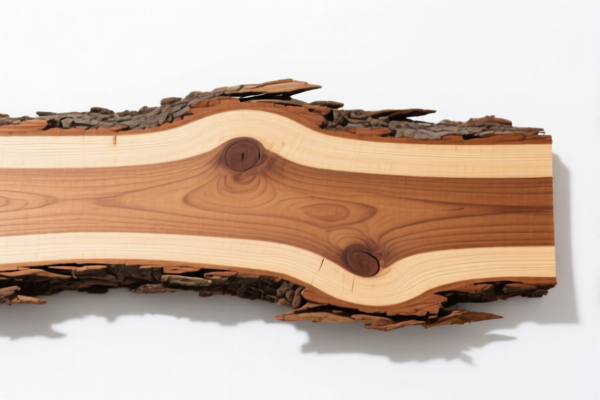
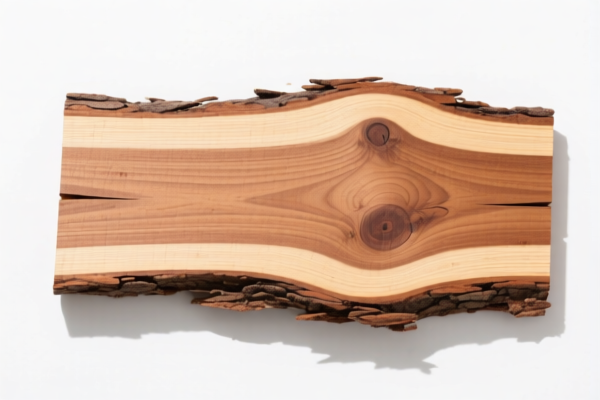
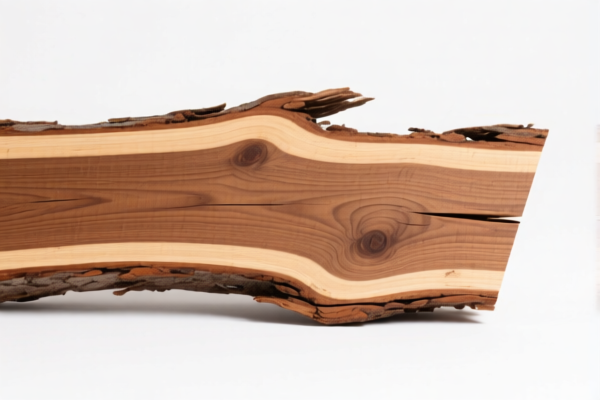
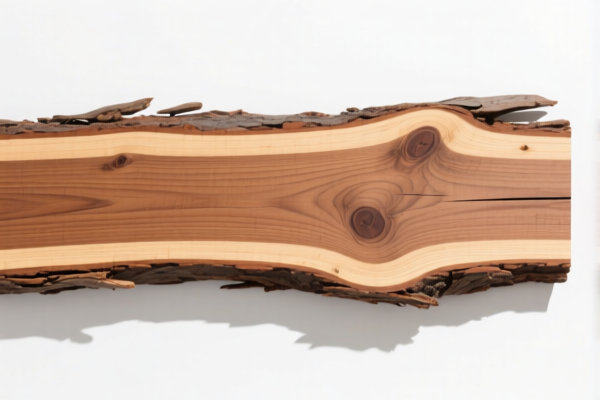
AI Analysis
🌲 Peeled Eucalyptus Rough Sawn Timber
🌐 HS Code Reference & Customs Clearance Guide | 2026 Latest Tariff Analysis | Professional-Level通关 Strategy for U.S. Imports
📌 Part 1: Product Definition & Classification: Do You Really Understand "Peeled Eucalyptus"?
Peeled Eucalyptus (剥皮桉木) is a widely traded raw material, primarily used for wood fuel, biomass energy, or as semi-processed timber for construction and manufacturing. In international trade, its classification depends strictly on its processing state (roughly sawn, waste, or fuel) and thickness.
Because Eucalyptus is a hardwood often subject to trade tensions, accurate HS Code selection is critical. Misclassification can lead to severe penalties or cargo detention.
⚠️ Key Distinction Points:
- If the timber is roughly sawn and >6mm thick → It is treated as structural timber (4407).
- If it is used as fuel (chips, logs for burning) → It falls under Wood Fuel (4401.49).
- If it is waste/offal → It is classified as Wood Waste (4401.39).
- If it is a generic tropical hardwood not elsewhere specified → It uses the "catch-all" logic (4407.29).
- If it is in a roughly sawn state but doesn't fit the >6mm strict definition or other specific categories → It may fall under4403.98.
📦 Part 2: HS Code Classification Details (2026 Latest Tariff Authority Comparison)
Based on the provided data, here are the five potential HS Codes for "Peeled Eucalyptus Rough Sawn Timber," depending on its specific physical form and intended use:
| HS Code | Product Description | Application Scenario | Key Classification Logic |
|---|---|---|---|
4407.19.00.93 |
Peeled Eucalyptus, Thickness >6mm, Unprocessed | Structural timber, construction material, veneer base | Thickness >6mm + Unprocessed = Processed Timber (4407) |
4401.49.00.90 |
Peeled Eucalyptus, Wood Fuel | Biomass energy, wood chips for heating, industrial fuel | Primary Use = Fuel = Wood Fuel (4401.49) |
4401.39.42.90 |
Peeled Eucalyptus, Waste/Sawdust Category | Wood offal, sawdust, shavings, industrial waste | State = Waste/Offal = Wood Waste (4401.39) |
4407.29.02.96 |
Peeled Eucalyptus, Tropical Wood "Catch-all" | Generic tropical hardwood, unspecific tropical origin | Tropical Hardwood + Generic = Tropical Timber (4407.29) |
4403.98.00.95 |
Peeled Eucalyptus, Roughly Sawn State | Roughly sawn timber, semi-finished, not yet planed | Processing = Rough Sawn = Chemically Treated/Rough Timber (4403.98) |
🔍 Critical Reminder:
-4407vs.4403:4407is for wood that has been sawn or chipped lengthwise (even if rough), typically implying a finished dimension.4403is for wood that is merely roughly sawn but may not meet the precise dimensional standards of4407, or is treated with chemicals (though "peeled" usually implies raw). Note: The data suggests4407.19.00.93is for >6mm thickness, making it the most likely candidate for structural rough-sawn timber.
- Fuel vs. Timber: If the import declaration states "for fuel,"4401.49.00.90is mandatory. Misdeclaring fuel as timber (4407) or vice versa is a common customs error.
💰 Part 3: 2026 Latest Tariff Rate Breakdown (Including Surtaxes & Policy Add-ons)
✅ Applicable Country: United States (US)
✅ Country of Origin: China (CN) (Assumed based on "Section 122" and "25% surtax" context which typically applies to Chinese goods under current trade restrictions)
✅ Effective Date: Current policies apply (25% Sec 301 + 10% IEEPA/Other)
🎯 1. 4407.19.00.93 —— Peeled Eucalyptus, >6mm Thickness
| Item | Content |
|---|---|
| Base Tariff | 0.0% |
| Section 301 Surtax | +25.0% (Additional Tariff) |
| Section 122 Tariff | +10.0% (Specific Policy Tariff) |
| Total Tax Rate | 35.0% |
| Tax Calculation | CIF Value × 35% |
| De Minimis Exemption | ❌ Not Eligible |
| Legal Basis | Base 0% + Sec 301 (25%) + Sec 122 (10%) |
📌 Explanation:
- This is the standard rate for processed eucalyptus timber (>6mm).
- The 35% total is a heavy burden. Importers must calculate this into the landed cost immediately.
- "Section 122 Tariff" refers to specific U.S. trade restrictions (often associated with agricultural/forestry products from specific origins).
🎯 2. 4401.49.00.90 —— Peeled Eucalyptus, Wood Fuel
| Item | Content |
|---|---|
| Base Tariff | 0.0% |
| Section 301 Surtax | +25.0% |
| Section 122 Tariff | +10.0% |
| Total Tax Rate | 35.0% |
| Tax Calculation | CIF Value × 35% |
| De Minimis Exemption | ❌ Not Eligible |
| Legal Basis | Base 0% + Sec 301 (25%) + Sec 122 (10%) |
📌 Note:
- Even as "fuel," eucalyptus from affected origins faces the same high tariffs.
- Do not assume "fuel" implies lower duty; the surtax applies equally.
🎯 3. 4401.39.42.90 —— Peeled Eucalyptus, Wood Waste
| Item | Content |
|---|---|
| Base Tariff | 0.0% |
| Section 301 Surtax | +25.0% |
| Section 122 Tariff | +10.0% |
| Total Tax Rate | 35.0% |
| Tax Calculation | CIF Value × 35% |
| De Minimis Exemption | ❌ Not Eligible |
| Legal Basis | Base 0% + Sec 301 (25%) + Sec 122 (10%) |
📌 Warning:
- Wood waste (4401.39) is often scrutinized for pest control (ISPM 15 compliance). Ensure fumigation certificates are provided, or the cargo will be rejected/destroyed regardless of tariff.
🎯 4. 4407.29.02.96 —— Peeled Eucalyptus, Tropical Wood Catch-all
| Item | Content |
|---|---|
| Base Tariff | 0.0% |
| Section 301 Surtax | +25.0% |
| Section 122 Tariff | +10.0% |
| Total Tax Rate | 35.0% |
| Tax Calculation | CIF Value × 35% |
| De Minimis Exemption | ❌ Not Eligible |
| Legal Basis | Base 0% + Sec 301 (25%) + Sec 122 (10%) |
📌 Strategy:
- Use this code only if the timber does not fit the >6mm rule or other specific tropical codes. It is a "fallback" for generic tropical hardwoods.
🎯 5. 4403.98.00.95 —— Peeled Eucalyptus, Roughly Sawn State
| Item | Content |
|---|---|
| Base Tariff | 0.0% |
| Section 301 Surtax | +25.0% |
| Section 122 Tariff | +10.0% |
| Total Tax Rate | 35.0% |
| Tax Calculation | CIF Value × 35% |
| De Minimis Exemption | ❌ Not Eligible |
| Legal Basis | Base 0% + Sec 301 (25%) + Sec 122 (10%) |
📌 Clarification:
-4403is for "wood roughly squared, or merely sawn lengthwise." If the timber is not planed or dimensionally finished, this code may apply.
- However, if the thickness is >6mm,4407is often preferred for structural timber. Choose4403only if it fails4407criteria.
🛠️ Part 4: Customs Clearance Practical Advice (Real-World Pitfall Avoidance)
✅ 1. Documentation Checklist (Non-Negotiable)
| Document | Required | Explanation |
|---|---|---|
| ✅ Phytosanitary Certificate | ✔️ Mandatory | Issued by origin country; proves wood is free of pests. Critical for all HS codes in Chapter 44. |
| ✅ Commercial Invoice | ✔️ Mandatory | Must clearly state: "Peeled Eucalyptus," "HS Code: [Code]," "Gross/Net Weight," "Value." |
| ✅ Packing List | ✔️ Mandatory | Detail stackage, pallets, and packaging type (wooden pallets must also be ISPM 15 compliant). |
| ✅ Bill of Lading (B/L) | ✔️ Mandatory | Consistent with Invoice and Packing List. |
| ✅ Supplier Declaration | ✔️ Recommended | Confirm processing method (e.g., "Peeling," "Sawing") to justify HS Code. |
⚠️ Key Point:
- No Phytosanitary Certificate = No Entry. U.S. Customs and Border Protection (CBP) and the Animal and Plant Health Inspection Service (APHIS) will detain or destroy non-compliant wood.
✅ 2. Declaration Tips (Key Mnemonic)
🔥 "Peel first, saw second, thickness matters, fuel vs. timber, declare clearly!"
| Scenario | Correct Declaration | Incorrect Practice |
|---|---|---|
| Timber >6mm, for construction | 4407.19.00.93 |
Declare as 4403 → Risk of audit |
| Timber for burning/fuel | 4401.49.00.90 |
Declare as 4407 → Misclassification |
| Sawdust/Offal | 4401.39.42.90 |
Declare as "Lumber" → Rejection |
| Rough, unplaned logs | 4403.98.00.95 |
Declare as "Finished Timber" → Penalty |
✅ 3. Special Case Handling
| Scenario | Handling Advice |
|---|---|
| Mix of Sizes | If a shipment contains both >6mm and <6mm pieces, declare the majority or split the shipment. Mixing categories without clear separation can lead to CBP requiring reclassification. |
| Chemical Treatment | If the eucalyptus is treated with preservatives, 4403 is more likely. If raw/peeled only, 4407 is better. |
| ISPM 15 Compliance | Ensure all wooden packaging (pallets, crates) is heat-treated or fumigated and marked. Wooden eucalyptus itself must have a Phytosanitary Certificate. |
🌍 Part 5: Global Market Comparison (2026 Latest)
| Country/Region | Recommended HS Code | Tariff (China Origin) | Certification | Notes |
|---|---|---|---|---|
| 🇺🇸 United States | 4407.19.00.93 |
35% (0% + 25% + 10%) | Phytosanitary + ISPM 15 | High Tariff. Sec 301 & Sec 122 apply. |
| 🇨🇳 China | 4407.19.00.93 |
Varies (Import Duty) | None (Export) | Export to China may have different rates; focus on US clearance. |
| 🇪🇺 European Union | 4407.19.00.00 |
~0-5% (Check FLEGT) | FLEGT/Chain of Custody | EU has strict legality requirements. |
| 🇬🇧 United Kingdom | 4407.19.00.00 |
~0-5% | UK Timber Regulation | Post-Brexit, UK follows its own timber regulations. |
📌 Conclusion:
- The U.S. market is the most expensive for Chinese eucalyptus due to the 35% total tariff.
- Cost Control: Consider sourcing from non-tariff-affected countries (e.g., Vietnam, Brazil) if possible, or factor the 35% into your pricing model.
📌 Part 6: Common Errors & Pitfalls (Lessons Learned)
❌ Error 1: Declaring Wood Fuel as Structural Timber (4407)
👉 Consequence: Higher scrutiny, potential misclassification penalties. Fuel may have different environmental regulations.
❌ Error 2: Failing to provide a Phytosanitary Certificate
👉 Consequence: Cargo destroyed or returned at origin or destination. No tax refund.
❌ Error 3: Ignoring Section 122 Tariff in cost calculation
👉 Consequence: Profit margin wiped out. The 10% surtax is non-negotiable for many wood products.
❌ Error 4: Misdeclaring Waste as Lumber
👉 Consequence: APHIS may reject the cargo for pest risk, even if tariffs are the same.
✅ Correct Practice:
"Peeled Eucalyptus Logs, Rough Sawn, >6mm Thick, Origin: China, HS: 4407.19.00.93, Phytosanitary Cert Attached, ISPM 15 Packaging."
🎯 Part 7: Conclusion: Professional Declaration, Save Money, Avoid Delays!
🎯 Remember the Mantra:
🔹 "Peel & Saw, Check Thickness, Fuel vs. Timber, 35% is the Price!"
🔹 "Phytosanitary Cert is King, Without It, You Bring Nothing!"
🔹 "Section 301 + 122 = 35%, Plan Your Costs Accordingly!"
📌 Pro Tip:
If your eucalyptus is sourced from non-China countries (e.g., Australia, Brazil, Indonesia), you may avoid the 25% Section 301 tariff. However, the 10% Section 122 tariff may still apply depending on the specific product list. Always verify the Country of Origin before declaring.
📣 Immediate Action:
📞 Contact your Customs Broker + Provide Product Photos + Request Phytosanitary Certificate from Supplier
🚀 Ensure smooth clearance, avoid delays, and protect your profit margin!
✨ Professional Customs Clearance Starts with Accurate Classification!
💼 Your Cost is Worth Every Cent of Precision!
Customer Reviews
About HS Code Classification
The Harmonized System (HS) is an internationally standardized nomenclature developed by the World Customs Organization (WCO) to classify traded products. Over 200 countries use the HS system as the basis for customs tariffs, trade statistics, and import/export regulations.
Each HS code follows a hierarchical structure:
- Chapter (2 digits) — Broad category of goods (e.g., Chapter 84: Machinery and Mechanical Appliances)
- Heading (4 digits) — More specific grouping within the chapter
- Subheading (6 digits) — Internationally standardized breakdown, used by all WCO member countries
- National subdivisions (8-10 digits) — Country-specific extensions for further classification, such as US HTSUS 10-digit codes
Correct HS code classification is essential for smooth customs clearance, accurate duty payment, and compliance with trade regulations. Misclassification can lead to customs delays, overpayment of duties, or penalties.
When importing from CN to US, the applicable tariff rates may include:
- Most-Favored-Nation (MFN) rate — The standard duty rate applied to WTO members
- General rate — Applied to countries without trade agreements
- Trade remedy duties — Additional tariffs such as Section 301 (anti-dumping), Section 232 (national security), or countervailing duties
The information provided on this page is for reference purposes only. For official classification, please consult with your local customs authority or a licensed customs broker.