Pen Cases
CN → US| HS Code | Tariff Rate | Origin | Destination | Doc |
|---|---|---|---|---|
| 4205008000 | 35.0% | CN | US | Official Doc |
| 3926100000 | 15.3% | CN | US | Official Doc |
| 4202329300 | 52.6% | CN | US | Official Doc |
| 3926903500 | 16.5% | CN | US | Official Doc |
| 4202322000 | 55.0% | CN | US | Official Doc |
Product Images
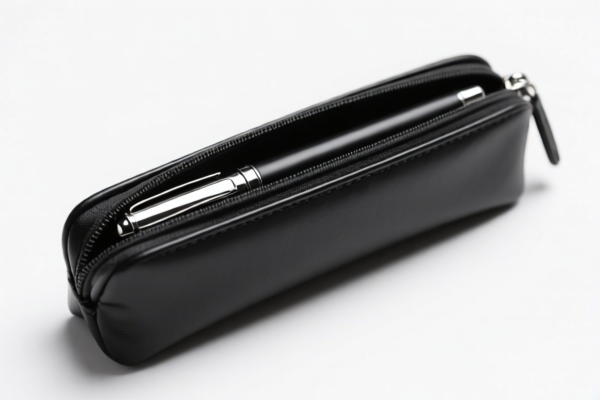
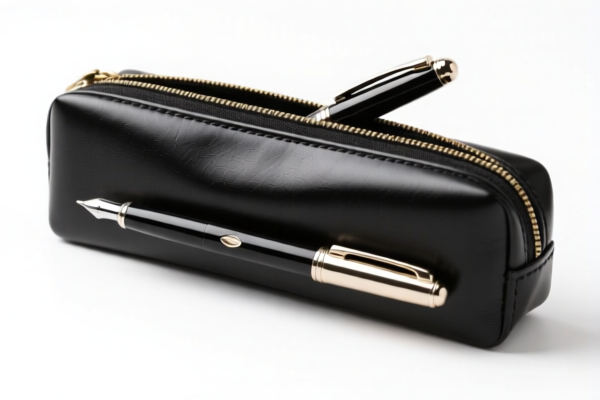
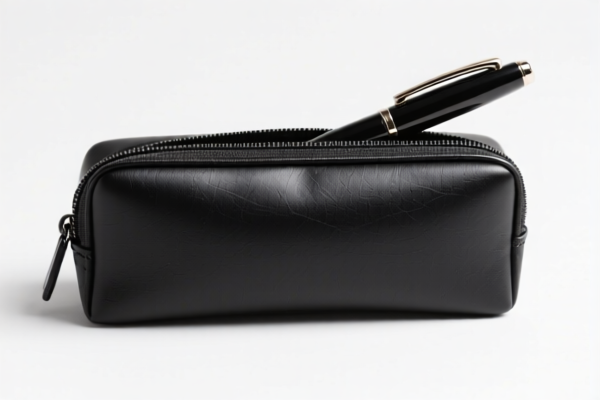
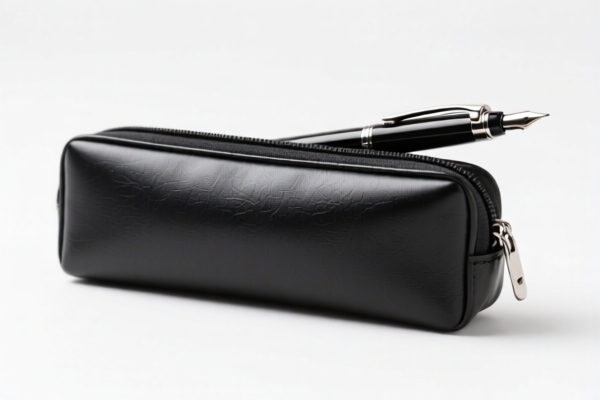
AI Analysis
🎒 Pen Cases (Pencil Cases & Stationary Organizers)
🌐 HS Code Reference & Customs Clearance Guide | 2026 Latest Tariff Analysis | Strategic Entry Strategies
📌 1. Product Definition & Classification: Do You Really Understand “Pen Cases”?
Pen cases, often referred to as pencil cases or stationary organizers, are essential accessories for students, professionals, and creatives. In international trade, their classification is strictly determined by the outer surface material. Misclassification here can lead to massive duty discrepancies due to varying USITC (Section 301) and IEEPA (Section 122) tariffs.
The Three Main Material Categories: 1. Leather/Synthetic Leather: High-duty items classified under Chapter 42. 2. Plastic: Low-duty items classified under Chapter 39. 3. Textile/Fabric: Highest-duty items classified under Chapter 42 (Textile-lined).
⚠️ Key Distinction Point:
- If the outer surface is Plastic → Look at 3926.90 or 3926.10.
- If the outer surface is Textile/Fabric → Look at 4202.32.
- If the outer surface is Leather/Synthetic Leather → Look at 4205 or 4202.Note: The "Total Tax" varies wildly from 15.3% to 55.0% based solely on this material distinction!
📦 2. HS Code Classification Details (2026 Latest Tariff Authority)
The following HS Codes are derived directly from the provided dataset. Each corresponds to a specific material composition.
| HS Code | Product Description | Material/Characteristics | Total Tax Rate |
|---|---|---|---|
3926.10.00.00 |
Office/School Stationery & Plastic Articles | Plastic or Fabric (General Stationery) | 15.3% |
3926.90.35.00 |
Other Plastic Articles | Plastic or Synthetic Fiber (Inferred Plastic) | 16.5% |
4205.00.80.00 |
Other Leather/Synthetic Leather Articles | Leather or Synthetic Leather (Outer Surface) | 35.0% |
4202.32.93.00 |
Other Articles of Artificial Fiber | Textile Material (Outer Surface) | 52.6% |
4202.32.20.00 |
Pouches/Containers (Plastic/Textile/Leather) | Plastic Sheets, Textile, or Leather (General Container) | 55.0% |
🔍 Critical Insight:
- Lowest Duty (15.3%): For general plastic/fabric stationery (3926.10).
- Highest Duty (55.0%): For general containers categorized under4202.32.20.
- Mid-Range Risks: Leather items (4205.00) incur a 35% rate, which is significantly higher than plastic but lower than textile-lined items.
💰 3. 2026 Latest Tariff Rate Breakdown (Including Surcharges & Policy Add-ons)
✅ Applicable Country: United States (US)
✅ Origin: China (CN) (Implied by 122 Section Tariffs)
✅ Effective Time: Current regulations apply.
🎯 1. 3926.10.00.00 — Office/School Stationery (Plastic/Fabric)
| Item | Detail |
|---|---|
| Base Tariff | 5.3% |
| Section 301 Surcharge | 0.0% (No additional 301 tariff) |
| Section 122 Tariff | 10.0% |
| Total Tax | 15.3% |
| Tax Calculation | CIF Value × 15.3% |
| De Minimis Eligibility | ✅ Eligible (If under $800, no duty paid; if >$800, duty applies) |
| Legal Basis | Standard Chapter 39 classification with 122 Section add-on. |
📌 Explanation:
- This is the most cost-effective classification for pen cases made of plastic or simple fabric.
- The absence of Section 301 (25%) makes this the preferred entry point for bulk imports.
🎯 2. 3926.90.35.00 — Other Plastic Articles
| Item | Detail |
|---|---|
| Base Tariff | 6.5% |
| Section 301 Surcharge | 0.0% |
| Section 122 Tariff | 10.0% |
| Total Tax | 16.5% |
| Tax Calculation | CIF Value × 16.5% |
| De Minimis Eligibility | ✅ Eligible |
| Legal Basis | General "Other Plastic Articles" with 122 Section add-on. |
📌 Note:
- Very similar to3926.10, but categorized as a general plastic article rather than specific stationery.
- Only 1.2% higher than3926.10, but still very competitive.
🎯 3. 4205.00.80.00 — Leather/Synthetic Leather Articles
| Item | Detail |
|---|---|
| Base Tariff | 0.0% |
| Section 301 Surcharge | 25.0% |
| Section 122 Tariff | 10.0% |
| Total Tax | 35.0% |
| Tax Calculation | CIF Value × 35.0% |
| De Minimis Eligibility | ❌ Check Specifics (Leather often has stricter scrutiny) |
| Legal Basis | Chapter 42, Section 301 (25%), Section 122 (10%). |
📌 Warning:
- Despite a 0% base tariff, the 25% Section 301 surcharge dramatically increases costs.
- This is more than double the cost of plastic cases (3926.10).
🎯 4. 4202.32.93.00 — Artificial Fiber Articles (Textile)
| Item | Detail |
|---|---|
| Base Tariff | 17.6% |
| Section 301 Surcharge | 25.0% |
| Section 122 Tariff | 10.0% |
| Total Tax | 52.6% |
| Tax Calculation | CIF Value × 52.6% |
| De Minimis Eligibility | ❌ High Risk (Often denied for textile accessories) |
| Legal Basis | Chapter 42, Section 301 (25%), Section 122 (10%). |
📌 Critical Alert:
- This is a high-duty category. The combination of base + 301 + 122 results in >50% tax.
- Avoid this classification unless the product is exclusively textile with no plastic lining.
🎯 5. 4202.32.20.00 — Pouches/Containers (General)
| Item | Detail |
|---|---|
| Base Tariff | 20.0% |
| Section 301 Surcharge | 25.0% |
| Section 122 Tariff | 10.0% |
| Total Tax | 55.0% |
| Tax Calculation | CIF Value × 55.0% |
| De Minimis Eligibility | ❌ Not Eligible |
| Legal Basis | Chapter 42, Section 301 (25%), Section 122 (10%). |
📌 Critical Alert:
- Highest Duty in the list (55.0%).
- This classification applies to general pouches/containers made of plastic sheets, textile, or leather.
- Do not use for standard pen cases if a lower duty code applies.
🛠️ 4. Customs Clearance Practical Advice (Real-World Pitfall Guide)
✅ 1. Material Declaration is King
| Scenario | Correct Declaration | Risk if Incorrect |
|---|---|---|
| Plastic/PVC Case | 3926.10.00.00 |
Low Duty (15.3%) |
| Fabric/Nylon Case | 4202.32.93.00 |
High Duty (52.6%) |
| Leather/Vegan Leather | 4205.00.80.00 |
Medium Duty (35.0%) |
| Mixed Material | Declare Primary Outer Surface | Misdeclaration leads to penalties |
🔥 “Material First, Duty Second!”
Always declare the primary outer surface material. If a pen case has a fabric exterior with a plastic lining, it is classified as textile (4202.32), not plastic.
✅ 2. Documentation Checklist
| Document | Required | Purpose |
|---|---|---|
| Product Spec Sheet | ✔️ | Must specify: "Outer Material: PVC", "Outer Material: Nylon", etc. |
| Material Breakdown | ✔️ | Detail % of plastic vs. fabric vs. leather. |
| Commercial Invoice | ✔️ | Must match HS Code description exactly. |
| Photos | ✔️ | Close-up of the outer surface texture. |
✅ 3. Special Handling Tips
| Situation | Advice |
|---|---|
| Mixed Materials | If the pen case is 50% plastic, 50% fabric, declare based on value or volume of the outer surface. |
| Seasonal Items | Ensure the HS Code is locked in before production. Changing from plastic to fabric mid-production changes duty from 15.3% to 52.6%. |
| Bulk Imports | For large volumes, consider Section 301 Exclusions if available for 3926 items. |
| Samples | Always send a sample to a customs broker for pre-classification. |
🌍 5. Global Market Comparison (2026 Latest)
| Country/Region | Recommended HS Code | Est. Duty | Notes |
|---|---|---|---|
| 🇺🇸 USA | 3926.10.00.00 |
15.3% | Best for plastic; 55% for general containers (4202.32.20). |
| 🇪🇺 EU | 4202.32.00 |
~4.5% | No Section 301/122. Lower base duty, but VAT applies. |
| 🇨🇳 China | 4202.32.93 |
~20% | Import duty varies; no Section 301 impact. |
| 🇯🇵 Japan | 4202.32.00 |
~5-8% | No surcharges. |
📌 Conclusion:
- USA is the most complex market due to Section 301 and 122 tariffs.
- Plastic cases (3926) are the most tax-efficient for US imports.
- Textile cases (4202.32) are the most expensive due to 25% + 10% surcharges.
📌 6. Common Errors & Pitfalls (Lessons Learned)
❌ Error 1: Declaring a fabric pen case as 3926.10 (Plastic)
👉 Consequence: Severe penalties for misclassification. Duty jumps from 15.3% to 52.6% + back taxes.
❌ Error 2: Ignoring Leather content
👉 Consequence: If the outer surface is leather, 4205.00 (35%) applies. Misdeclaring as plastic saves you nothing but risks audits.
❌ Error 3: Using 4202.32.20.00 for standard pen cases
👉 Consequence: Unnecessarily paying 55% duty. Use 4202.32.93 (52.6%) or 3926 (15.3%) if applicable.
❌ Error 4: Assuming De Minimis ($800) applies to all
👉 Consequence: Section 301 items (like leather/textile cases) may be scrutinized more closely. Ensure all documentation is perfect.
✅ Best Practice:
“Pen Case, 10-inch, Outer Material: PVC, Zipper Closure, Clear Plastic Window, Model XYZ”
🎯 7. Conclusion: Strategic Duty Optimization
🎯 Key Takeaways:
🔹 “Plastic is King” in US imports (
3926.10= 15.3%).
🔹 “Leather is Middle” (4205.00= 35.0%).
🔹 “Textile is Expensive” (4202.32= 52.6% - 55.0%).
🔹 “De Minimis is Limited” for high-duty categories.
📌 Actionable Tip:
If you are importing pen cases from China to the US:
1. Prioritize Plastic/Synthetic Material (3926) to save ~40% in duties.
2. Avoid Textile/Leather unless premium pricing justifies the 55% duty.
3. Always declare the outer material clearly in the commercial invoice.
📣 Immediate Action:
📞 Contact a Customs Broker with product samples.
🚀 Get an Advance Ruling if importing large volumes.
💡 Optimize Material Choice before production to maximize profit margins.
✨ Smart Classification, Lower Duties, Higher Profits!
💼 Your Pen Case Strategy Starts with the Right HS Code!
Customer Reviews
About HS Code Classification
The Harmonized System (HS) is an internationally standardized nomenclature developed by the World Customs Organization (WCO) to classify traded products. Over 200 countries use the HS system as the basis for customs tariffs, trade statistics, and import/export regulations.
Each HS code follows a hierarchical structure:
- Chapter (2 digits) — Broad category of goods (e.g., Chapter 84: Machinery and Mechanical Appliances)
- Heading (4 digits) — More specific grouping within the chapter
- Subheading (6 digits) — Internationally standardized breakdown, used by all WCO member countries
- National subdivisions (8-10 digits) — Country-specific extensions for further classification, such as US HTSUS 10-digit codes
Correct HS code classification is essential for smooth customs clearance, accurate duty payment, and compliance with trade regulations. Misclassification can lead to customs delays, overpayment of duties, or penalties.
When importing from CN to US, the applicable tariff rates may include:
- Most-Favored-Nation (MFN) rate — The standard duty rate applied to WTO members
- General rate — Applied to countries without trade agreements
- Trade remedy duties — Additional tariffs such as Section 301 (anti-dumping), Section 232 (national security), or countervailing duties
The information provided on this page is for reference purposes only. For official classification, please consult with your local customs authority or a licensed customs broker.