Pencil Case
CN → USProduct Images
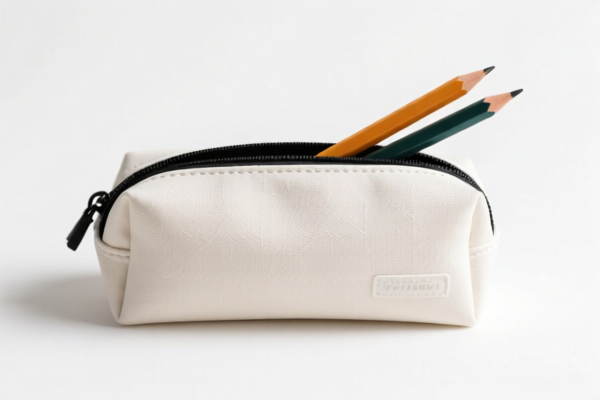
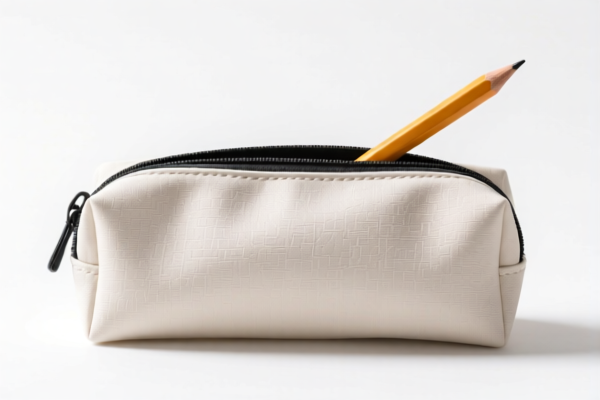


AI Analysis
🖊️ Pencil Case (Stationery Bags & Pen Holders)
🌐 HS Code Reference & Clearance Guide | 2026 Latest Tariff Breakdown | Professional Customized Strategy
📌 I. Product Definition & Classification: Are You Sure It's Just a "Pencil Case"?
A Pencil Case is a ubiquitous stationery item used to hold writing instruments (pencils, pens), erasers, sharpeners, and other drawing tools. In international trade, the classification is extremely sensitive to the primary material and the state of completion (finished vs. unfinished).
The Critical Distinction: * Finished Pencils (Ink/Wood): If the item contains writing cores (lead/carbon) and is ready for use, it falls under Chapter 96. * Components/Unfinished: If the item is a raw wooden blank (to be turned into a pencil case) or a loose component (like a lead refill), it falls under Chapter 44 or specific component codes. * The "Case" Itself: If it is an empty fabric/metal/plastic bag/case, it usually falls under Chapter 42 (Leather) or Chapter 96 (Plastic/Other).
⚠️ Key Warning for this Dataset:
The provided data (<DATA>) specifically covers Pencil Blanks (unfinished wood) and Pencil Core Components, not the finished empty case itself. However, if your product is an empty case made of wood (uncommon) or containing pencil parts, the tax logic changes drastically based on the breakdown below.If you are shipping a standard fabric/plastic empty pencil case: This specific
<DATA>set does not apply directly. You likely need to look at HS Codes like4205.00.00.00(Leather/Plastic cases) or9609(if filled).BUT, if your "Pencil Case" is actually: 1. Unfinished Wood Blanks (to be processed into cases or pencils) → See
4421.91.98.20. 2. Pencil Lead Components (packaged for assembly) → See9609.20.20.00. 3. Finished Pencils (core products) → See9609.10.00.00.
📦 II. HS Code Classification Details (Based on Provided Data)
| HS Code | Product Description | Scenario & Logic |
|---|---|---|
4421.91.98.20 |
Wooden Pencil Blanks (Related wood products) | Scenario: You are exporting unfinished wooden shapes intended to become pencil cases or pencil bodies, but they lack the lead and finish. Logic: Classified as "Other articles of wood" (Chapter 44). |
4421.99.98.20 |
Other Wooden Pencil Blanks | Scenario: Similar to above, but for non-standard wood shapes or specific sub-categories of wooden blanks not listed in 4421.91. Logic: General "Other wood products" classification. |
9609.20.20.00 |
Pencil Lead Components (Related pencil components) | Scenario: Exporting the graphite/lead cores themselves, intended to be inserted into a case or barrel later. Logic: Classified as "Pencil leads" or components thereof (Chapter 96). |
9609.10.00.00 |
Core Pencil Product Name (Finished Pencils) | Scenario: The final product – Finished Pencils (with lead, wood, and paint) that are ready to use. Logic: If your "Pencil Case" is actually a container filled with pencils, the pencils determine the tax, not the case. |
🔍 Critical Note:
If you are importing an empty fabric or leather case (no wood, no pencils inside), none of the above HS Codes apply. You must use codes like4205.00or9609depending on material. The data provided (<DATA>) is strictly for wooden blanks and pencil components.If your shipment contains "Pencil Cases" made of wood that are empty:
- Check if they are "unworked" →4421.91.98.20(High Risk of 38.3% tax).
- Check if they are "finished" (like a pen holder) → Might be4421.91or different Chapter 96 codes.
💰 III. 2026 Latest Tariff Rate Breakdown (Including Surcharges & Policy Add-ons)
✅ Applicable Country: United States (US)
✅ Origin: China (CN)
✅ Effective Date: 2025 (Based on provided 2025/2026 tariff logic)
🎯 1. 4421.91.98.20 & 4421.99.98.20 (Wooden Pencil Blanks)
| Item | Content |
|---|---|
| Base Tariff | 3.3% (ad valorem) |
| Section 301 (Add-on) | +25.0% (Section 301 List 3/4A) |
| Section 122 (Add-on) | +10.0% (Specific China-related measure) |
| Total Tariff | 38.3% |
| Calculation | CIF Value × 38.3% |
| De Minimis Exemption | ❌ No (Deny) |
| Legal Path | Section 301 + Section 122 + USITC:4421.91/99 |
📌 Explanation:
- These wooden products are heavily taxed due to their classification as "Articles of Wood" from China. - The 38.3% total is a "Triple Hit": Base (3.3%) + Section 301 (25%) + Section 122 (10%). - Impact: High cost for raw wooden components.
🎯 2. 9609.20.20.00 (Pencil Lead Components)
| Item | Content |
|---|---|
| Base Tariff | 0.0% |
| Section 301 (Add-on) | +7.5% |
| Section 122 (Add-on) | +10.0% |
| Total Tariff | 17.5% |
| Calculation | CIF Value × 17.5% |
| De Minimis Exemption | ❌ No |
| Legal Path | Section 301 + Section 122 + USITC:9609.20 |
📌 Explanation:
- Even though the base duty is 0%, the 17.5% total is still significant. - This applies specifically to graphite cores or components that are not yet assembled into a finished pencil.
🎯 3. 9609.10.00.00 (Finished Pencils)
| Item | Content |
|---|---|
| Base Tariff | 14¢/gross + 4.3% (Mixed specific & ad valorem) |
| Section 301 (Add-on) | +7.5% |
| Section 122 (Add-on) | +10.0% |
| Total Tariff | 14¢/gross + 21.8% (Approx) |
| Calculation | (14 cents per gross count) + (CIF × 21.8%) |
| De Minimis Exemption | ❌ No |
| Legal Path | Section 301 + Section 122 + USITC:9609.10 |
📌 Explanation:
- Complex Calculation: You must pay a per-unit fee (14¢ per 144 pencils) PLUS the percentage. - Total Effective Rate: Roughly 21.8% + specific fee. - Risk: If you ship "Pencil Cases" that are actually filled with pencils, this is the tax you face.
🛠️ IV. Clearance Practical Advice (Avoiding Pitfalls)
✅ 1. Material & Product Definition Check (Crucial!)
| Situation | Correct Action |
|---|---|
| Shipping an EMPTY wooden pencil case | Verify if it is "unfinished" (Blanks) → 4421... (38.3% tax). If finished, check for 4421 or 9609. |
| Shipping an EMPTY fabric/plastic case | DO NOT use the codes above. Use 4205 or 9609 (empty) which may have lower taxes. |
| Shipping pencils INSIDE a case | Declare as "Pencil Set". The tax will follow the Pencil Code (9609.10.00.00), not the case. |
| Shipping loose lead cores | Declare as "Pencil Lead" (9609.20.20.00) → 17.5% tax. |
🔥 Warning: If you ship a "Pencil Case" but declare it as "Wooden Blanks" (
4421) incorrectly, you risk a Customs Audit for misclassification. If you ship "Finished Pencils" but declare as "Blanks", you will underpay tax and face penalties.
✅ 2. Declaration Tips (The Golden Rules)
🔥 "Be Specific: Material + State + Function!"
| Scenario | Recommended Description | Avoid |
|---|---|---|
| Wooden Blanks | "Unfinished Wooden Pencil Blanks / Blanks for Pencil Cases" | "Pencil Case" (Too vague, implies finished) |
| Lead Components | "Graphite Pencil Lead Cores / Unassembled Components" | "Pencil Lead" (If it's not the core) |
| Finished Pencils | "Finished Wooden Pencils (Graphite Core), Ready for Use" | "Pencil Case" (If they are pencils inside) |
| Empty Case (Non-Wood) | "Fabric Pencil Case / Plastic Pen Holder" | "Wooden Blanks" (Wrong HS Code) |
✅ 3. Special Situation Handling
| Situation | Handling Suggestion |
|---|---|
| Mixed Shipment (Case + Pencils) | Declare separately: "1 unit Fabric Case" (0-5%) + "50 Pencils" (21.8%). Do not lump them as one "Set" if it raises the classification risk. |
| OEM Custom Wooden Cases | Provide Design Drawings to prove they are "unfinished blanks" vs "finished holders". This determines if they are 4421 (38.3%) or 9609. |
| Section 122 Risk | This 10% surcharge is active for China origin. Ensure your CO (Certificate of Origin) is accurate. If you route through Vietnam/Mexico, check if you qualify for exemption (but be wary of "transshipment" rules). |
🌍 V. Global Market Comparison (2026 Update)
| Region | Recommended HS Code for Pencil/Blanks | Est. Tariff (China Origin) | Key Constraint |
|---|---|---|---|
| 🇺🇸 USA | 4421.91 or 9609.10 |
38.3% (Wood) / 21.8%+ (Pencils) | Strict Section 301 & 122 |
| 🇨🇳 China | Same Codes | Base Tax Only (e.g., 3.3% or 0%) | No Section 301 |
| 🇪🇺 EU | 4421.99 or 9609.10 |
~0% - 3% | No Section 301, but CE/RoHS needed |
| 🇯🇵 Japan | 4421 or 9609 |
~0% - 5% | No Section 301 |
📌 Conclusion:
The US is the only market with the "Triple Tax" (Base + 301 + 122).
If you are importing "Pencil Blanks" or "Pencils" into the US, expect 38.3% for wood and 21.8%+ for pencils.
For empty cases: If you can shift to non-wood materials (fabric, metal, plastic), you might avoid the 38.3% "Wooden Blanks" tax, but still check the Chapter 96 rules.
📌 VI. Common Errors & Pitfalls (Lessons Learned)
❌ Error 1: Calling "Unfinished Wooden Blanks" just "Pencil Case".
👉 Result: Customs may classify as "Finished Pencil Case" (lower tax) or "Blanks" (higher tax). Correction: Be explicit: "Unfinished Blanks".
❌ Error 2: Packing Finished Pencils inside a case and declaring as "Case".
👉 Result: Under-declared value + Wrong HS Code. You will pay the Pencil Tariff (21.8%+) anyway, plus penalties.
❌ Error 3: Ignoring Section 122 (10%).
👉 Result: Many importers forget this specific surcharge. It applies to China-origin wood and pencil products.
❌ Error 4: Assuming Empty Fabric Cases are taxed like Wood.
👉 Result: Fabric cases are NOT in the provided <DATA>. They likely have a much lower rate (e.g., 4205). Do not force them into 4421.
✅ Correct Strategy:
"If it's wood, check
4421. If it's pencils, check9609. If it's an empty fabric case, do not use this data."
🎯 VII. Conclusion: Smart Classification Saves Money!
🔹 "Wood Blanks = 38.3% (Heavy Tax)"
🔹 "Pencils = 21.8% + Fee"
🔹 "Empty Fabric Case = Check Chapter 42 (Likely Lower)"🚀 Action Plan: 1. Audit your Bill of Lading: Are you shipping blanks, cores, or finished items? 2. Verify Material: If it's wood, prepare for 38.3% duty. 3. Consider Alternatives: If you are a case manufacturer, consider non-wood materials to avoid the "Wooden Blanks" tax tier. 4. Request Ruling: If the line is blurry (e.g., a wooden holder with a pencil inside), file a Binding Ruling with US Customs to avoid surprise costs.
📌 Pro Tip:
If your product is empty and not wood, ignore the 4421 codes entirely. Look for 4205.00.00.00 (Leather/Plastic cases) or 9609.90 (Other stationery). The 4421 codes are only for wood blanks.
✨ Precise Classification = Precise Profit!
💼 Don't let the 38.3% tax eat your margins. Check your material first!
Customer Reviews
About HS Code Classification
The Harmonized System (HS) is an internationally standardized nomenclature developed by the World Customs Organization (WCO) to classify traded products. Over 200 countries use the HS system as the basis for customs tariffs, trade statistics, and import/export regulations.
Each HS code follows a hierarchical structure:
- Chapter (2 digits) — Broad category of goods (e.g., Chapter 84: Machinery and Mechanical Appliances)
- Heading (4 digits) — More specific grouping within the chapter
- Subheading (6 digits) — Internationally standardized breakdown, used by all WCO member countries
- National subdivisions (8-10 digits) — Country-specific extensions for further classification, such as US HTSUS 10-digit codes
Correct HS code classification is essential for smooth customs clearance, accurate duty payment, and compliance with trade regulations. Misclassification can lead to customs delays, overpayment of duties, or penalties.
When importing from CN to US, the applicable tariff rates may include:
- Most-Favored-Nation (MFN) rate — The standard duty rate applied to WTO members
- General rate — Applied to countries without trade agreements
- Trade remedy duties — Additional tariffs such as Section 301 (anti-dumping), Section 232 (national security), or countervailing duties
The information provided on this page is for reference purposes only. For official classification, please consult with your local customs authority or a licensed customs broker.