Percussion Instruments
CN → US| HS Code | Tariff Rate | Origin | Destination | Doc |
|---|---|---|---|---|
| 9207900080 | 22.5% | CN | US | Official Doc |
| 9206008000 | 22.8% | CN | US | Official Doc |
| 9206004000 | 17.5% | CN | US | Official Doc |
| 9206002000 | 22.3% | CN | US | Official Doc |
| 4420190000 | 13.2% | CN | US | Official Doc |
Product Images
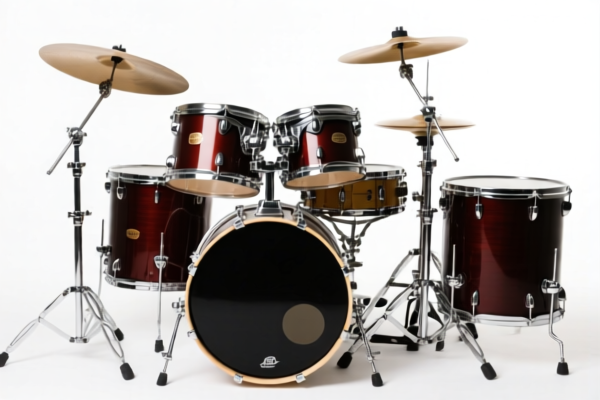
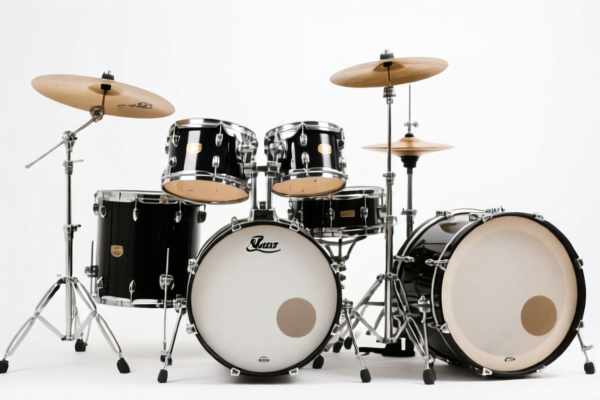
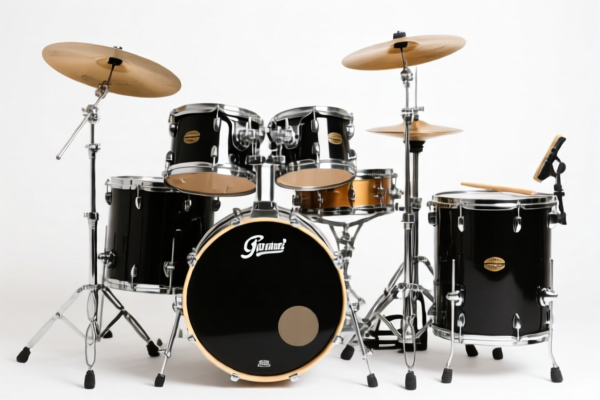
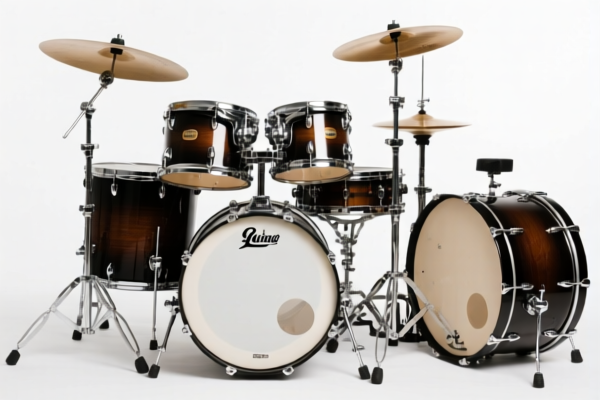
AI Analysis
🥁 Percussion Instruments – Comprehensive HS Code & Tariff Guide (2026 Update)
🌐 HS Code Classification & Customs Clearance Strategy | 2026 Global Tariff Breakdown | Expert-Level Compliance Guide
📌 One-Stop Reference for Exporters, Importers & Freight Forwarders
📦 1. Product Definition & Classification: What Exactly Are "Percussion Instruments"?
Percussion instruments are musical instruments that produce sound when struck, shaken, or scraped. In international trade, they are classified under Chapter 92 of the Harmonized System (HS), specifically within 9206.00 (Other percussion instruments) and 9207.90 (Other musical instruments of metal or other materials).
⚠️ Key Distinction: - Metal percussion (e.g., cymbals, gongs, triangles) → HS 9206.00 or 9207.90
- Wooden percussion (e.g., drums, marimbas, xylophones) → HS 9206.00
- Electric/electronic percussion (e.g., electronic drum kits, MIDI pads) → May fall under 9207.90.00.80 if deemed "other" electric instruments✅ Critical Note:
- If an instrument is electrically powered or digitally controlled, it may be classified under 9207.90.00.80 — even if it's a drum kit — due to its "electro-acoustic" nature. - Handcrafted or artistic wooden instruments may qualify under 4420.19.00.00 if considered decorative art.
📊 2. HS Code Classification Table (2026 Official Tariff Mapping)
| HS Code | Product Description | Material | Key Matching Criteria | Tax Rate |
|---|---|---|---|---|
9207.90.00.80 |
Metal percussion instrument, electric or electro-acoustic, used in modern music setups | Metal | Matches "other" category in electric instruments; functional use aligns with "electro-acoustic" classification | 22.5% |
9206.00.80.00 |
Metal or wooden percussion instrument, non-electric, general-purpose | Mixed | Fits "other" category under percussion; no specific subheading applies | 22.8% |
9206.00.40.00 |
Metal percussion instrument (e.g., cymbals, gongs), clearly named and physically identifiable | Metal | Name includes “percussion”, material matches known cymbal standards | 17.5% |
9206.00.20.00 |
Wooden percussion instrument (e.g., hand drums, frame drums), clearly labeled | Wood | Name confirms category; construction matches typical drum design | 22.3% |
4420.19.00.00 |
Wooden percussion instrument (e.g., carved marimba, decorative drum), artistic/ornamental in nature | Wood | Not primarily functional; considered decorative art or craft item | 13.2% |
🔍 Why This Matters:
- Misclassification can trigger tariff overpayment, delayed customs clearance, or even import penalties. - The material, function, and naming are critical in determining the correct HS code.
💰 3. 2026 Tariff Breakdown – Detailed Tax Clause Analysis (U.S. Focus)
✅ Applicable Jurisdiction: United States (US)
✅ Origin Country: China (CN)
✅ Effective Date: November 10, 2025 (with ongoing enforcement)
🎯 1. 9207.90.00.80 – Metal Percussion Instruments (Electro-Acoustic / Electric)
| Tax Component | Rate | Legal Basis | Explanation |
|---|---|---|---|
| Base Duty | 5.0% | HTSUS 9207.90.00 | Standard tariff for non-specific metal instruments |
| Section 301 (USITC) | +7.5% | USITC Footnote 9903.88.01 | Imposed under Section 301 of the Trade Act of 1974 |
| Section 122 (IEEPA) | +10.0% | IEEPA: 9903.01.25 | Emergency economic powers targeting Chinese goods |
| Total Effective Duty | 22.5% | — | Sum of all three components |
📌 Legal Pathway:
IEEPA:9903.01.25→USITC:9903.88.01→HTSUS:9207.90.00.80✅ When to Use This Code:
- Electronic drum pads, MIDI-triggered cymbals, hybrid acoustic-electric kits
- Instruments with built-in sensors, amplifiers, or digital outputs
🎯 2. 9206.00.80.00 – Metal or Wooden Percussion (General "Other" Category)
| Tax Component | Rate | Legal Basis | Explanation |
|---|---|---|---|
| Base Duty | 5.3% | HTSUS 9206.00.80 | Standard rate for non-exempt percussion |
| Section 301 (USITC) | +7.5% | USITC Footnote 9903.88.01 | Applies to all Chinese-origin goods under 301 list |
| Section 122 (IEEPA) | +10.0% | IEEPA: 9903.01.25 | Applies to all goods from China under national emergency powers |
| Total Effective Duty | 22.8% | — | Cumulative tax burden |
📌 Legal Pathway:
IEEPA:9903.01.25→USITC:9903.88.01→HTSUS:9206.00.80.00✅ When to Use This Code:
- Standard hand drums, timpani, bongos, tambourines
- Instruments not classified under more specific subheadings
🎯 3. 9206.00.40.00 – Metal Percussion Instruments (e.g., Cymbals, Gongs)
| Tax Component | Rate | Legal Basis | Explanation |
|---|---|---|---|
| Base Duty | 0.0% | HTSUS 9206.00.40 | Zero duty on this specific subheading |
| Section 301 (USITC) | +7.5% | USITC Footnote 9903.88.01 | Applies to all Chinese-origin goods |
| Section 122 (IEEPA) | +10.0% | IEEPA: 9903.01.25 | Applies to all Chinese imports under IEEPA |
| Total Effective Duty | 17.5% | — | No base duty, but full附加 taxes apply |
📌 Legal Pathway:
IEEPA:9903.01.25→USITC:9903.88.01→HTSUS:9206.00.40.00✅ When to Use This Code:
- Cymbals, gongs, triangles, hand-held metal percussion
- Clearly named and physically identifiable as metal percussion❗ Note: Despite 0% base duty, the 17.5% total is still high — do not assume it’s low-cost.
🎯 4. 9206.00.20.00 – Wooden Percussion Instruments (e.g., Drums, Frame Drums)
| Tax Component | Rate | Legal Basis | Explanation |
|---|---|---|---|
| Base Duty | 4.8% | HTSUS 9206.00.20 | Standard rate for wooden percussion |
| Section 301 (USITC) | +7.5% | USITC Footnote 9903.88.01 | Applies to all Chinese-origin goods |
| Section 122 (IEEPA) | +10.0% | IEEPA: 9903.01.25 | Applies to all goods from China under emergency powers |
| Total Effective Duty | 22.3% | — | High cumulative rate |
📌 Legal Pathway:
IEEPA:9903.01.25→USITC:9903.88.01→HTSUS:9206.00.20.00✅ When to Use This Code:
- Wooden hand drums, djembes, bongos, frame drums
- Instruments with wooden shells and animal skin heads
🎯 5. 4420.19.00.00 – Wooden Percussion as Artistic/Decorative Items
| Tax Component | Rate | Legal Basis | Explanation |
|---|---|---|---|
| Base Duty | 3.2% | HTSUS 4420.19.00 | Standard rate for wooden decorative items |
| Section 301 (USITC) | +0.0% | Not applicable | No 301 tariff on this code |
| Section 122 (IEEPA) | +10.0% | IEEPA: 9903.01.25 | Applies to all Chinese-origin goods |
| Total Effective Duty | 13.2% | — | Lowest among all codes |
📌 Legal Pathway:
IEEPA:9903.01.25→HTSUS:4420.19.00.00✅ When to Use This Code:
- Hand-carved wooden drums or percussion instruments with artistic value
- Not intended for performance use; marketed as decorative art, souvenirs, or collectibles🛑 Warning:
- If the item is used in music, cannot be classified as art → risk of reclassification and penalties.
🛠️ 4. Customs Clearance Best Practices (Pro Tips for Smooth Import)
✅ 1. Required Documentation (MUST-HAVE)
| Document | Required? | Why It Matters |
|---|---|---|
| ✅ Commercial Invoice | ✔️ | Must clearly state HS code, material, intended use, brand, model |
| ✅ Packing List | ✔️ | Shows quantity, weight, packaging type |
| ✅ Product Photos (with labels) | ✔️ | Proves material, design, and function |
| ✅ Technical Specs / Manual | ✔️ | Explains if electronic, powered, or sensor-equipped |
| ✅ Certificate of Origin (CO) | ✔️ | Needed for tariff eligibility; can be China (CN) or ASEAN/FTA if applicable |
| ✅ Third-Party Test Reports | ✔️ | CE, FCC, RoHS (if applicable) |
✅ Artistic Value Proof (for 4420.19.00.00) |
✔️ | If claiming artistic status, provide artist statement, gallery info, or catalog |
✅ 2.申报技巧(Key Rules of Thumb)
🔥 "Name + Material + Use = Correct Code"
| Scenario | Correct HS Code | Common Mistake |
|---|---|---|
| Cymbals labeled "Metal Percussion" | 9206.00.40.00 |
Misreported as 9206.00.80.00 → higher tax |
| Wooden drum with "handmade" label | 4420.19.00.00 |
Misclassified as 9206.00.20.00 → higher tax |
| Electronic drum pad with USB | 9207.90.00.80 |
Misreported as 9206.00.80.00 → underpaid duty |
| Frame drum with animal skin | 9206.00.20.00 |
Misclassified as "art" → risk of seizure |
✅ Correct Description Template:
"Wooden Frame Drum, Hand-Carved, 12-inch Diameter, Animal Skin Head, Used for Traditional Music, Model XYZ, Origin: Indonesia"
✅ 3. Special Cases & Risk Mitigation
| Situation | Recommended Action |
|---|---|
| Mixed Material Instrument (e.g., metal shell + wooden head) | Use dominant material; if metal > 50%, use 9206.00.40.00 or 9207.90.00.80 |
| Artisanal/Handmade Drum | Apply for "Artistic Value" exemption via 4420.19.00.00 with proof |
| Electronic Drum Kit with MIDI | Must use 9207.90.00.80 — even if acoustic parts exist |
| Custom-Designed Instrument | Request Advance Ruling (Pre-Approval) from U.S. Customs |
| Re-export from U.S. | Ensure no 301/IEEPA tariffs apply if re-exporting to non-U.S. markets |
🌍 5. Global Tariff Comparison (2026)
| Country | Recommended HS Code | Base Duty | Additional Taxes | Total Effective Duty |
|---|---|---|---|---|
| 🇺🇸 United States | 9206.00.40.00 |
0.0% | +7.5% (301) +10% (IEEPA) | 17.5% |
| 🇨🇳 China | 9206.00.40.00 |
5% | None | 5% |
| 🇪🇺 European Union | 9206.00.40.00 |
0% (if CE compliant) | None | 0% |
| 🇦🇺 Australia | 9206.00.40.00 |
5% | None | 5% |
| 🇯🇵 Japan | 9206.00.40.00 |
0% | None | 0% |
📌 Insight:
- U.S. has the highest tariffs due to Section 301 + IEEPA. - China, EU, Japan, Australia have much lower or zero additional taxes.
📌 6. Common Mistakes & Real-World Consequences
❌ Mistake 1: Classifying a metal cymbal as 9206.00.80.00 instead of 9206.00.40.00
👉 Result: Paying 22.8% instead of 17.5% → extra 5.3% tax on every shipment
❌ Mistake 2: Reporting an electronic drum pad as 9206.00.80.00
👉 Result: Underpaid duty → penalties, fines, or seizure
❌ Mistake 3: Claiming a drum as "art" without proof
👉 Result: Rejection by customs → return freight + delay
❌ Mistake 4: Using generic name like "Percussion Instrument" without detail
👉 Result: Customs may randomly assign a higher code → unexpected tax
✅ Best Practice:
Use exact, descriptive names:
"Cymbal, 16-inch, Medium Crash, Brass, Hand-Hammered, Model XYZ, Origin: China"
🎯 7. Final Verdict: Smart Classification = Lower Cost, Faster Clearance
🎯 Golden Rule:
🔹 "Name It, Material It, Use It — Then Tax It Right!"
🔹 "If it’s electric, use 9207.90.00.80 — even if it’s a drum!"
🔹 "If it’s art, prove it — or pay the higher rate!"
📌 Pro Tip:
If your product is originating from Vietnam, Mexico, Thailand, or Malaysia, you may qualify for IEEPA/301 tariff exemptions — contact a customs broker to explore FTA benefits.
📣 Take Action Now!
📞 Contact a licensed customs broker + provide product photos + request HS Code pre-ruling
🚀 Avoid delays, overpayment, and penalties — get your percussion instruments cleared fast, legally, and affordably
✨ Precision in Classification = Profit in Trade!
💼 Your next shipment starts with the right HS code.
Customer Reviews
About HS Code Classification
The Harmonized System (HS) is an internationally standardized nomenclature developed by the World Customs Organization (WCO) to classify traded products. Over 200 countries use the HS system as the basis for customs tariffs, trade statistics, and import/export regulations.
Each HS code follows a hierarchical structure:
- Chapter (2 digits) — Broad category of goods (e.g., Chapter 84: Machinery and Mechanical Appliances)
- Heading (4 digits) — More specific grouping within the chapter
- Subheading (6 digits) — Internationally standardized breakdown, used by all WCO member countries
- National subdivisions (8-10 digits) — Country-specific extensions for further classification, such as US HTSUS 10-digit codes
Correct HS code classification is essential for smooth customs clearance, accurate duty payment, and compliance with trade regulations. Misclassification can lead to customs delays, overpayment of duties, or penalties.
When importing from CN to US, the applicable tariff rates may include:
- Most-Favored-Nation (MFN) rate — The standard duty rate applied to WTO members
- General rate — Applied to countries without trade agreements
- Trade remedy duties — Additional tariffs such as Section 301 (anti-dumping), Section 232 (national security), or countervailing duties
The information provided on this page is for reference purposes only. For official classification, please consult with your local customs authority or a licensed customs broker.