Perforating Tool
CN → US| HS Code | Tariff Rate | Origin | Destination | Doc |
|---|---|---|---|---|
| 8205595560 | 40.3% | CN | US | Official Doc |
| 8205595510 | 40.3% | CN | US | Official Doc |
| 8465950035 | 38.0% | CN | US | Official Doc |
| 8465950065 | 38.0% | CN | US | Official Doc |
| 8203206060 | 0.0% | CN | US | Official Doc |
Product Images
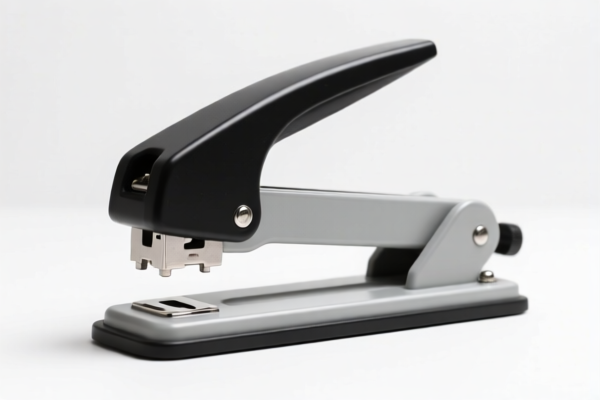
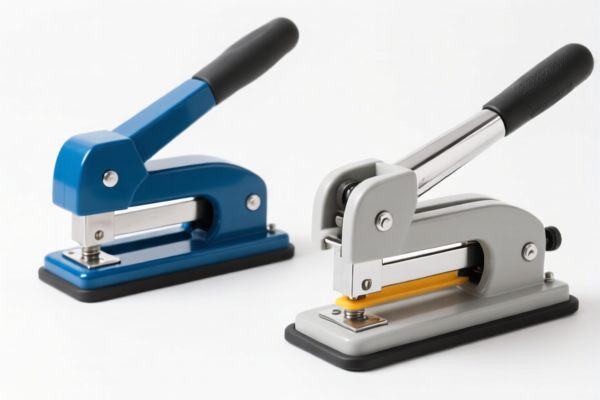
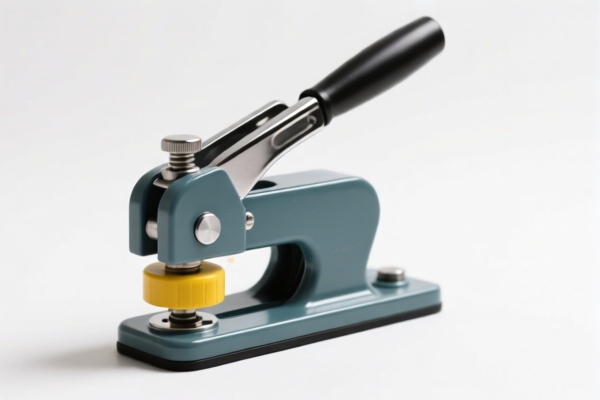
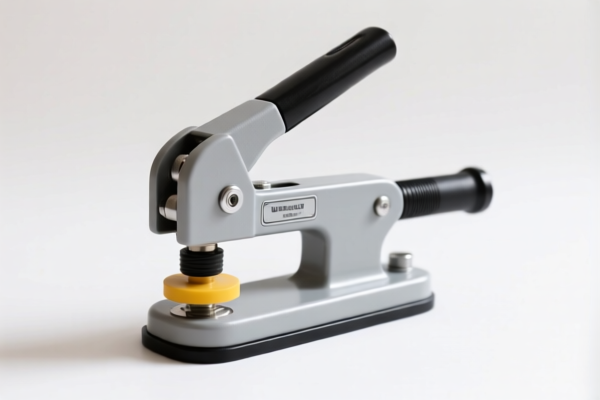
AI Analysis
🔨 Perforating Tools: The Ultimate HS Code & Duty Guide (2026 Edition)
🌐 HS Code Classification & Customs Clearance Strategy | 2026 Tariff Breakdown | Expert通关 Strategy 📌 Product Definition: More Than Just a "Hole Maker"
In the world of global trade, "Perforating Tools" (穿孔工具) are versatile items used to create holes in metal, wood, leather, or paper. However, their classification depends entirely on MOTION (Hand-held vs. Machine) and MATERIAL (Iron, Steel, or Special Alloy).
Misclassifying these can lead to massive duty spikes (from 17.5% to 40.3%) or customs seizures!
⚠️ Critical Distinction: - Hand Tools (Held by hand) → Typically fall under Chapter 82 (Iron/Steel Tools). - Machines (Powered/Motorized) → Typically fall under Chapter 84 (Machine Tools). - Specialty Pliers → May fall under Chapter 82 or 84 with unique unit pricing.
📦 II. HS Code Classification Breakdown (2026 Authority Reference)
Based on the latest tariff data for "Perforating Tools", here are the 6 precise classifications and their logic:
| HS Code | Product Logic & Classification Reason | Material/Type | Duty Profile |
|---|---|---|---|
| 8205.59.55.60 | Hand Tool Category: Belongs to "Hand Tools" (Other). Inferred material is Metal. Fits the "Other Hand Tools" description. | Iron/Steel (General) | 40.3% |
| 8205.59.55.10 | Sharp-Edged Hand Tool: Belongs to "Hand Tools with Edges" (Other). Inferred material is Iron or Steel. Fits the "Catch-all" logic for other categories. | Iron/Steel | 40.3% |
| 8465.95.00.35 | Machine Tool: Fits the definition of "Drilling or Chiseling Machines". Used for processing hard materials like wood. | Motorized/Industrial | 38.0% |
| 8465.95.00.65 | Machine Tool: Classified as "Drilling Machines". Fits the description for drilling or mortising machines. | Motorized/Industrial | 38.0% |
| 8203.20.60.60 | Punching Pliers: Classified as "Punches and Similar Hand Tools". Fits the specific usage description for hole-punching pliers. | Hand Tool (Plier) | 12¢/doz + 17.5%* |
| 8467.89.10.00 | Hand Tool (Motorized?): Classified as "Manual Tools" (Note: This code often implies powered, but logic states "Manual" in source). Suitable for metal processing. Fits "Other Tools" logic. | Metal Processing | 17.5% |
> Note: Code 8203.20.60.60 has a hybrid duty structure (Unit + Ad Valorem).
💰 III. 2026 Tariff Rate Deep Dive (USA Market Focus)
✅ Applicable Market: USA (US) ✅ Origin: China (CN) ✅ Effective Date: Current (2025-2026 Policy)
🎯 Category A: Hand Tools (HS 8205.59.55.xx)
High Duty Alert: 40.3% Total
| Tax Component | Rate | Legal Basis |
|---|---|---|
| Base Duty | 5.3% | Standard MFN Rate |
| Section 301 / "Add-on" | 25.0% | US Trade Act "Section 301" (China-specific) |
| Section 122 | 10.0% | "Section 122" Tariff (Specific China Add-on) |
| TOTAL | 40.3% | 5.3 + 25.0 + 10.0 |
📌 Interpretation: - If your perforating tool is a hand tool (e.g., a manual punch, chisel, or awl), you are looking at a 40.3% effective tax rate. - Base 5.3% is standard; the heavy 25% + 10% comes from US trade restrictions on Chinese steel/iron goods.
🎯 Category B: Machine Tools (HS 8465.95.00.xx)
High Duty Alert: 38.0% Total
| Tax Component | Rate | Legal Basis |
|---|---|---|
| Base Duty | 3.0% | Standard MFN Rate (Lower for machinery) |
| Section 301 / "Add-on" | 25.0% | US Trade Act "Section 301" |
| Section 122 | 10.0% | "Section 122" Tariff |
| TOTAL | 38.0% | 3.0 + 25.0 + 10.0 |
📌 Interpretation: - Even if you import a machine (drill/凿孔机), the "Add-on" taxes (35% combined) remain, slightly offset by a lower base rate (3.0% vs 5.3%).
🎯 Category C: Special Pliers (HS 8203.20.60.60)
Complex Duty Structure
| Tax Component | Rate | Calculation Method |
|---|---|---|
| Base Duty (Ad Valorem) | 5.5% | % of CIF Value |
| Base Duty (Unit) | 12¢ / Doz | Per dozen units |
| Add-ons | 35.0% | 25.0% (Sec 301) + 10% (Sec 122) |
| TOTAL | 5.5% + 12¢/doz + 35% | Hybrid Calculation |
⚠️ Warning: This requires a dual calculation. You pay a percentage of the value PLUS a per-unit fee.
🎯 Category D: "Other" Hand Tools (HS 8467.89.10.00)
Surprisingly Lower Duty
| Tax Component | Rate | Legal Basis |
|---|---|---|
| Base Duty | 0.0% | Duty-Free Base |
| Add-ons | 17.5% | 7.5% (Add-on) + 10% (Sec 122) |
| TOTAL | 17.5% | 0.0 + 7.5 + 10.0 |
🎉 Good News: This specific code (likely for specific powered hand tools or distinct metal processing tools) has 0% Base Duty, resulting in the lowest total tariff (17.5%) among all perforating tools listed.
🛠️ IV. Customs Clearance Practical Guide (Avoid the "Gotchas")
✅ 1. Essential Documentation Checklist
To avoid delays and ensure the correct HS code is accepted:
| Document | Requirement | Why It Matters |
|---|---|---|
| Product Specs | ✔️ Required | Must clearly state: Is it manual or powered? Material (Iron/Steel)? |
| Photos (Labeled) | ✔️ Required | Must show the chisel/blade, handle, and any motor housing. |
| Bill of Materials | ✔️ Recommended | Proves material composition (Iron vs. Steel vs. Alloy). |
| Function Description | ✔️ Critical | "Drilling" vs. "Punching" changes the code (8465 vs 8205). |
| Invoice | ✔️ Required | Must match the HS Code and value accurately. |
✅ 2. Declaration Strategy: The "Golden Rule"
🔥 Mantra: "Hand vs. Machine is Life; Metal vs. Power is Death!"
| Scenario | Recommended HS Code | Risk if Wrong |
|---|---|---|
| Hand-held Punch/Awl | 8205.59.55.xx | Do NOT declare as Machine (8465) → Penalty. |
| Motorized Drill Press | 8465.95.00.xx | Do NOT declare as Hand Tool → 40.3% vs 38.0%. |
| Punching Pliers | 8203.20.60.60 | Do NOT declare as "Other Hand Tools" → Avoid Unit Duty! |
| Power Tool (Metal) | 8467.89.10.00 | Best Option for lowest duty (17.5%) if applicable. |
✅ 3. Special Circumstances
- Hybrid Tools: If a tool has a motor but is small (handheld power tool), check if 8467.89.10.00 applies. It offers the lowest duty (17.5%).
- Material Provenance: Ensure your supplier can confirm "Iron/Steel". If the material is "Plastic" or "Aluminum", the HS code changes entirely!
- Packaging: Do not ship "Punching Pliers" (8203) with "Drilling Machines" (8465) in the same invoice as one line item. Split the shipment or declare them separately to avoid confusion.
🌍 V. Global Market Comparison (2026)
| Market | HS Code Logic | Total Duty (Est.) | Key Requirement |
|---|---|---|---|
| 🇺🇸 USA | Strict "China" Add-ons (Sec 301+122) | 17.5% ~ 40.3% | Provenance is Critical |
| 🇨🇳 China | Export Duty (Usually 0%) | 0% | Domestic trade rules |
| 🇪🇺 EU | Varies by Material | Varies (0-6%) | CE Certification |
| 🇦🇺 AU | Standard MFN | 5-10% | RCM Compliance |
📌 Conclusion: The US market is the most expensive for Perforating Tools due to the layered 35% additional tax. If your product can be classified under 8467.89.10.00, you save 22.8% compared to the standard hand tool rates!
📌 VI. Common Mistakes & Pitfalls (Learn from Failures)
❌ Mistake 1: Calling a Machine a "Hand Tool" * Consequence: Underpaying base duty, but getting hit with the 301/122 penalties later = Back Taxes + Fines.
❌ Mistake 2: Ignoring the "Unit Duty" * Consequence: For HS 8203.20.60.60, if you only pay % of value and ignore the 12¢/doz, you will face a short payment notice.
❌ Mistake 3: Vague Description ("Perforator") * Consequence: Customs will guess 8205.59.55.60 (40.3%) because it's the "default" safe harbor. Always specify "Pliers" or "Machine".
❌ Mistake 4: Mixing Materials * Consequence: If a tool has a plastic handle but a steel punch, it must be classified by the essential character (Steel). Declaring as "Plastic" is fraud.
✅ Correct Action:
"Handheld Steel Perforating Pliers, Model X, for Metal/Leather, Manual Operation." OR "Electric Wood Drilling Machine, 500W, Variable Speed, for Hardwood."
🎯 VII. Final Verdict: How to Optimize Your Costs
🎯 Strategy Summary:
🔹 Best Rate: Try to qualify for 8467.89.10.00 (17.5%) if your tool is a specialized metal-processing tool. 🔹 Avoid: If it's a simple hand tool, expect 40.3%. There is no escaping the 25%+10% surcharges for standard iron/steel hand tools. 🔹 Verify: Always check if the tool is "Powered". Powered tools often fall into different, sometimes cheaper, sub-categories.
📌 Pro Tip: If you are importing from Vietnam, Mexico, or Thailand, you might still qualify for the Section 122 surcharge depending on the final assembly. Apply for an Advance Ruling (Pre-Ruling) before shipping to lock in your 17.5% or 38.0% rate.
📣 Immediate Action:
📞 Contact your broker with: 1. Product Photos (Close-up of the blade/chuck). 2. Functionality (Manual vs. Electric). 3. Material Composition (Iron/Steel/Alloy). 🚀 Optimize your HS Code. Save 22% today!
✨ Precision Classification = Profitable Trade! 💼 Every cent saved is a cent earned!
Customer Reviews
About HS Code Classification
The Harmonized System (HS) is an internationally standardized nomenclature developed by the World Customs Organization (WCO) to classify traded products. Over 200 countries use the HS system as the basis for customs tariffs, trade statistics, and import/export regulations.
Each HS code follows a hierarchical structure:
- Chapter (2 digits) — Broad category of goods (e.g., Chapter 84: Machinery and Mechanical Appliances)
- Heading (4 digits) — More specific grouping within the chapter
- Subheading (6 digits) — Internationally standardized breakdown, used by all WCO member countries
- National subdivisions (8-10 digits) — Country-specific extensions for further classification, such as US HTSUS 10-digit codes
Correct HS code classification is essential for smooth customs clearance, accurate duty payment, and compliance with trade regulations. Misclassification can lead to customs delays, overpayment of duties, or penalties.
When importing from CN to US, the applicable tariff rates may include:
- Most-Favored-Nation (MFN) rate — The standard duty rate applied to WTO members
- General rate — Applied to countries without trade agreements
- Trade remedy duties — Additional tariffs such as Section 301 (anti-dumping), Section 232 (national security), or countervailing duties
The information provided on this page is for reference purposes only. For official classification, please consult with your local customs authority or a licensed customs broker.