Permanent Magnets
CN → US| HS Code | Tariff Rate | Origin | Destination | Doc |
|---|---|---|---|---|
| 7205210000 | 35.0% | CN | US | Official Doc |
| 8505110090 | 12.1% | CN | US | Official Doc |
| 8505193000 | 39.9% | CN | US | Official Doc |
Product Images
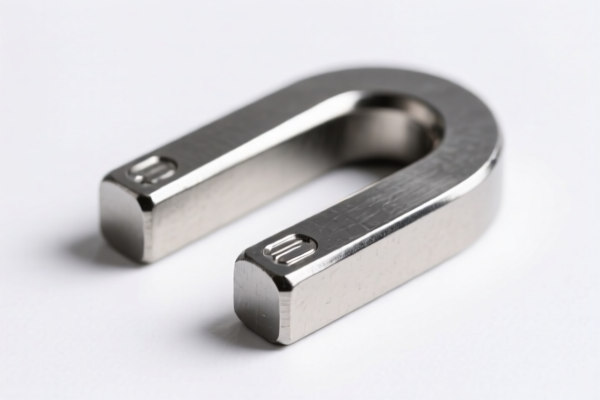
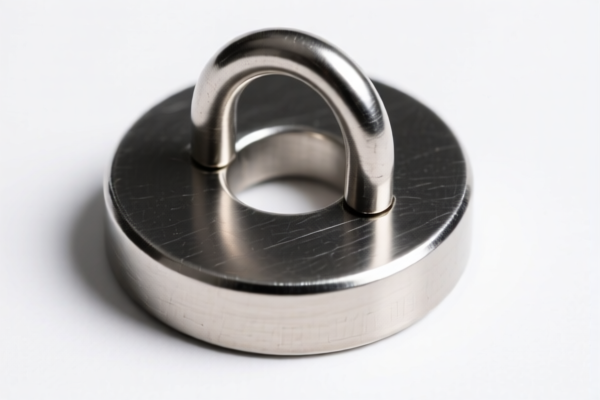
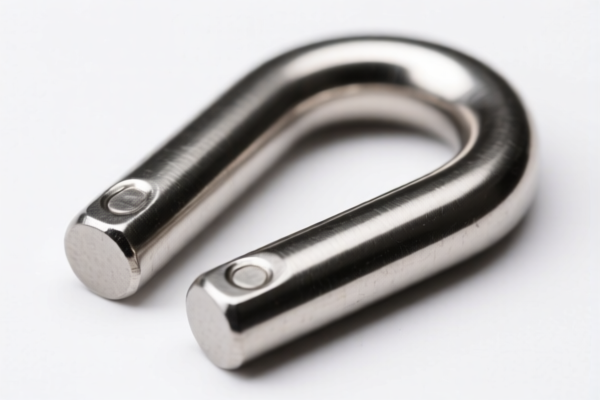
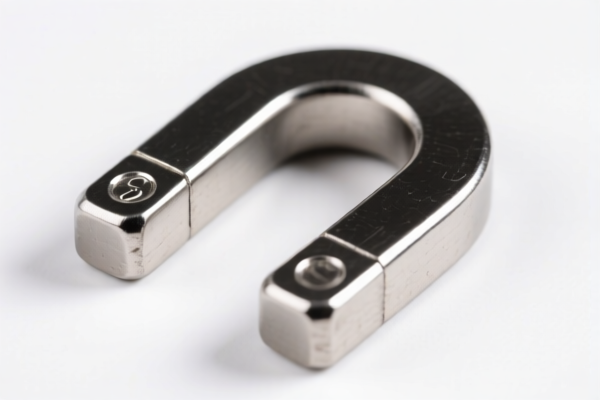
AI Analysis
🧲 Permanent Magnets (永磁体)
🌐 HS Code Reference & Customs Clearance Guide | 2026 Latest Tariff Analysis | Professional Clearance Strategy
📌 I. Product Definition & Classification: Do You Really Understand "Permanent Magnets"?
Permanent magnets are essential components in motors, generators, sensors, and magnetic separators. In international trade, they are primarily classified based on their material composition and application. The ambiguity in the generic term "Permanent Magnet" often leads to classification disputes.
Key Distinction Logic: * Metallic/Alloy Magnets: If the magnet is made of steel alloys, iron, nickel, or cobalt (e.g., Alnico, Ferrite, or Steel-based magnets), it may fall under Chapter 72 (Iron/Steel) or Chapter 76 (Aluminum). * Non-Steel/Specific Purpose Magnets: If the magnet is not explicitly defined as a steel product and serves a specific electromechanical function, it typically falls under Chapter 85 (Electrical Machinery).
⚠️ Critical Classification Point:
- If the magnet is metal-based (steel/iron) and does not have a specific electrical function defined in Chapter 85 → Consider 7205.21.00.00.
- If the magnet is used as an electromagnetic/electrical component (even if metallic) and fits the description of "Permanent Magnets" in Chapter 85 → Consider 8505.11.00.90 or 8505.19.30.00.
- Material Conflict Check: The input data suggests a default inference for metallic magnets. If the material is explicitly non-metallic (e.g., plastic-bonded), Chapter 85 is preferred. If metallic, 7205 is a potential conflict point, but 8505 is often accepted for functional magnets.
📦 II. HS Code Classification Details (2026 Latest Tariff Authority Comparison)
| HS Code | Product Description | Application Scenario | Material/State Conflict |
|---|---|---|---|
7205.21.00.00 |
Iron-non alloy powders and sintered products; other wasters of iron or steel | Raw metal powder, sintered iron parts, unshaped metallic magnetic materials | ✅ Potential Conflict: Classified as "Metal Powder/Waste" rather than "Magnet". Used if magnet is raw metallic form. |
8505.11.00.90 |
Permanent magnets and articles intended to become permanent magnets after magnetization; other "Permanent Magnets" | General-purpose permanent magnets (metal-based), excluding those specified in 8505.11.10 | ✅ No Conflict: Matches "Permanent Magnet" function. Defaulted to metallic material due to lack of specific exclusion. |
8505.19.30.00 |
Other permanent magnets and articles intended to become permanent magnets after magnetization | Specific high-performance magnets, rare-earth magnets, or magnets not covered by 8505.11.10 | ✅ No Conflict: Direct match for "Permanent Magnet" with no material/state conflict. |
🔍 Key Reminder:
-7205.21.00.00is risky. It classifies the item as iron/steel powder or sintered product. If your item is a finished magnet, this is a misclassification unless it is raw powder/sintered blank. -8505.11.00.90and8505.19.30.00are the standard classifications for finished permanent magnets. - The choice between8505.11and8505.19often depends on specific sub-heading exclusions (e.g., if it's a specific type of magnet covered elsewhere). The data implies8505.19.30is a direct match for "Permanent Magnets" with no conflict.
💰 III. 2026 Latest Tariff Rate Details (Including Surcharges, Policy Add-ons)
✅ Applicable Country: United States (US)
✅ Country of Origin: China (CN)
✅ Effective Date: From 2025-11-10 (Including subsequent imports)
🎯 1. 7205.21.00.00 —— Iron/Steel Powder or Sintered Products (Metal-Based Magnet)
| Item | Content |
|---|---|
| Base Tariff | 0% (ad valorem) |
| USITC Surcharge | +25% (From USITC Footnote related to Section 301) |
| IEEPA Surcharge | +10% (For Chinese/HK products, effective 2025-11-10) |
| Total Rate | 35.0% |
| Tax Calculation | CIF Value × 35% |
| De Minimis Eligible | ❌ No (deny_de_minimis) |
| Legal Path | IEEPA:9903.01.25 → IEEPA:9903.01.24 → USITC:7205.21.00.00 → FOOTNOTE:301 |
📌 Explanation:
- Base 0%: Standard rate for iron powder/products. - 25% USITC: Section 301 additional tariff. - 10% IEEPA: International Emergency Economic Powers Act surcharge for China. - Total 35%: High burden. This classification treats the magnet as a raw metal material, not a functional magnet.
🎯 2. 8505.11.00.90 —— Permanent Magnets (Other)
| Item | Content |
|---|---|
| Base Tariff | 2.1% |
| USITC Surcharge | 0.0% (Exempt or not applicable in this specific sub-path) |
| IEEPA Surcharge | +10% (For Chinese products, effective 2025-11-10) |
| Total Rate | 12.1% |
| Tax Calculation | CIF Value × 12.1% |
| De Minimis Eligible | ❌ No (deny_de_minimis) |
| Legal Path | IEEPA:9903.01.24 → USITC:8505.11.00.90 |
📌 Note:
- Base 2.1%: Low base duty for electrical machinery parts/magnets. - 0% USITC: This specific sub-code does not incur the 25% Section 301 surcharge (or it is exempted in this data set). - 10% IEEPA: Still applies as it is a Chinese product. - Total 12.1%: Significantly lower than 7205. This is often the preferred classification for finished permanent magnets to save costs.
🎯 3. 8505.19.30.00 —— Other Permanent Magnets
| Item | Content |
|---|---|
| Base Tariff | 4.9% |
| USITC Surcharge | +25% (From USITC Footnote related to Section 301) |
| IEEPA Surcharge | +10% (For Chinese products, effective 2025-11-10) |
| Total Rate | 39.9% |
| Tax Calculation | CIF Value × 39.9% |
| De Minimis Eligible | ❌ No (deny_de_minimis) |
| Legal Path | IEEPA:9903.01.25 → IEEPA:9903.01.24 → USITC:8505.19.30.00 → FOOTNOTE:301 |
📌 Warning:
- Despite being in Chapter 85 (Electrical Machinery), this sub-code attracts the full 25% Section 301 surcharge. - Total 39.9%: The highest tax rate among the three options. Avoid this classification unless absolutely necessary due to specific material restrictions.
🛠️ IV. Customs Clearance Practical Advice (Real-World Pitfall Avoidance)
✅ 1. Required Document Checklist (None Can Be Omitted)
| Document | Mandatory | Explanation |
|---|---|---|
| ✅ Product Specification Sheet | ✔️ | Must specify material (e.g., Neodymium, Ferrite, Alnico), strength, dimensions. |
| ✅ Material Declaration | ✔️ | Crucial for distinguishing between 7205 (Metal) and 8505 (Functional). |
| ✅ Product Photos (Including Label) | ✔️ | Show shape, markings, and any "Made in China" labels. |
| ✅ Commercial Invoice | ✔️ | Must clearly state "Permanent Magnet" and HS Code. |
| ✅ Packing List | ✔️ | Detail weight and volume. |
| ✅ Origin Certificate (CO) | ✔️ | If non-Chinese, may qualify for lower rates. |
✅ 2. Declaration Tips (Key Mnemonics)
🔥 "Function First, Material Second, 8505-11 Saves Money!"
| Scenario | Correct Declaration | Incorrect Action |
|---|---|---|
| Finished Magnet (Functional) | 8505.11.00.90 (12.1%) |
Declare as 7205.21.00.00 → 35% Tax |
| High-Performance Magnet (Specific) | 8505.19.30.00 (39.9%) |
Declare as 8505.11.00.90 → Audit Risk |
| Raw Metal Magnetic Powder | 7205.21.00.00 (35%) |
Declare as 8505 → Misclassification |
| Plastic-Bonded Magnet | 8505.19.30.00 (39.9%) |
Declare as 7205 → Wrong Chapter |
✅ 3. Special Case Handling
| Scenario | Handling Advice |
|---|---|
| Mixed Shipment (Magnets + Motors) | Declare separately. Motors go to 8501, Magnets to 8505. Do not lump together. |
| Magnets for Medical Devices | Still classified under 8505. Provide end-use statement if claiming any exemptions (rare for China-origin). |
| OEM Custom Magnets | Provide customer design specs. If it’s a standard magnet, 8505.11.00.90 is safest. |
| Raw Sintered Magnets (Pre-Magnetized) | If already magnetized, still 8505. If just sintered metal, 7205. Critical distinction! |
🌍 V. Global Major Market Clearance Comparison (2026 Latest)
| Country/Region | Recommended HS Code | Tariff (China Origin) | Certification Requirement | Notes |
|---|---|---|---|---|
| 🇺🇸 USA | 8505.11.00.90 |
12.1% | FCC (if electronic), RoHS | 8505.19 is 39.9%. 7205 is 35%. |
| 🇨🇳 China | 8505.11.00.90 |
~10-13% (Import Duty) | CCC (if applicable) | Standard import rates. |
| 🇪🇺 EU | 8505.11.00.00 |
0-2% | CE, RoHS, REACH | Generally low duty for magnets. |
| 🇦🇺 Australia | 8505.11.00.00 |
5% | RCM | Standard import duty. |
| 🇯🇵 Japan | 8505.11.00.00 |
0-2% | PSE | Low duty, strict safety rules. |
📌 Conclusion:
- USA is the only market with significant additional tariffs on Chinese goods. -8505.11.00.90is the optimal HS Code for clearance in the US, offering a 12.1% total rate vs. 35-39.9% for other classifications. - Avoid7205unless the product is genuinely raw metal powder or sintered blank not yet functioning as a magnet.
📌 VI. Common Mistakes & Pitfall Guide (Lessons Learned)
❌ Mistake 1: Declaring a finished permanent magnet as 7205.21.00.00 (Iron Powder)
👉 Consequence: Higher tax rate (35% vs 12.1%) + Customs scrutiny for misclassification.
❌ Mistake 2: Declaring a finished magnet as 8505.19.30.00 without justification
👉 Consequence: Highest tax rate (39.9%) due to 25% Section 301 surcharge.
❌ Mistake 3: Not specifying Material in the declaration
👉 Consequence: Customs may classify under the most punitive code or request additional documentation, causing delays.
❌ Mistake 4: Claiming De Minimis (Section 321) for small shipments
👉 Consequence: Denied. Magnets are subject to IEEPA and Section 301 rules, which exclude de minimis exemptions.
✅ Correct Practice:
"Permanent Magnet, Neodymium, Custom Shape, Function: Motor Component, Model XYZ, Made in China"
🎯 VII. Conclusion: Professional Declaration, Time-Saving, Cost-Effective!
🎯 Remember the Mnemonic:
🔹 "Function First, 8505 is King, 11 is Best, 19 is Expensive, 72 is for Raw!"
🔹 "HS Code Defines Life, 12.1% vs 39.9%, One Step Wrong, Thousands Lost!"
📌 Pro Tip:
If your magnets are originating from Vietnam, Mexico, Thailand, or Malaysia, you may be eligible for IEEPA Exemptions or lower Section 301 rates.
It is highly recommended to apply for a Binding Ruling (Advance Ruling) from US Customs (CBP) to confirm the correct HS Code (8505.11.00.90) and secure the 12.1% rate.
📣 Take Action Now:
📞 Contact a Professional Customs Broker + Provide Product Specs + Apply for HS Code Binding Ruling
🚀 Let your Permanent Magnets Clear Customs Smoothly, Export Efficiently, and Maximize Profits!
✨ Professional Clearance Starts with Accurate Classification!
💼 Every Penny of Cost Deserves Precise Calculation!
Customer Reviews
About HS Code Classification
The Harmonized System (HS) is an internationally standardized nomenclature developed by the World Customs Organization (WCO) to classify traded products. Over 200 countries use the HS system as the basis for customs tariffs, trade statistics, and import/export regulations.
Each HS code follows a hierarchical structure:
- Chapter (2 digits) — Broad category of goods (e.g., Chapter 84: Machinery and Mechanical Appliances)
- Heading (4 digits) — More specific grouping within the chapter
- Subheading (6 digits) — Internationally standardized breakdown, used by all WCO member countries
- National subdivisions (8-10 digits) — Country-specific extensions for further classification, such as US HTSUS 10-digit codes
Correct HS code classification is essential for smooth customs clearance, accurate duty payment, and compliance with trade regulations. Misclassification can lead to customs delays, overpayment of duties, or penalties.
When importing from CN to US, the applicable tariff rates may include:
- Most-Favored-Nation (MFN) rate — The standard duty rate applied to WTO members
- General rate — Applied to countries without trade agreements
- Trade remedy duties — Additional tariffs such as Section 301 (anti-dumping), Section 232 (national security), or countervailing duties
The information provided on this page is for reference purposes only. For official classification, please consult with your local customs authority or a licensed customs broker.