Permanent Magnets and Permanent Magnet Materials
CN → US| HS Code | Tariff Rate | Origin | Destination | Doc |
|---|---|---|---|---|
| 7205210000 | 35.0% | CN | US | Official Doc |
| 8505110090 | 37.1% | CN | US | Official Doc |
| 8505193000 | 39.9% | CN | US | Official Doc |
Product Images
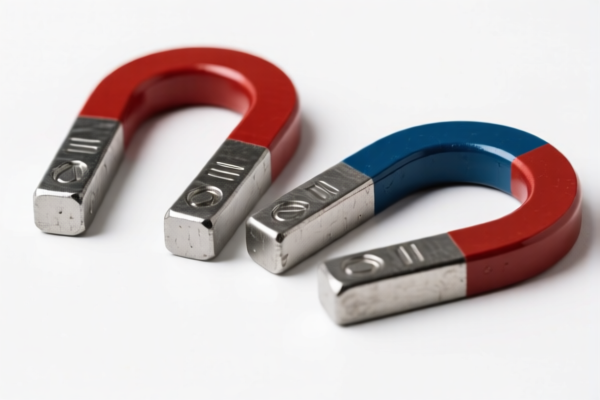
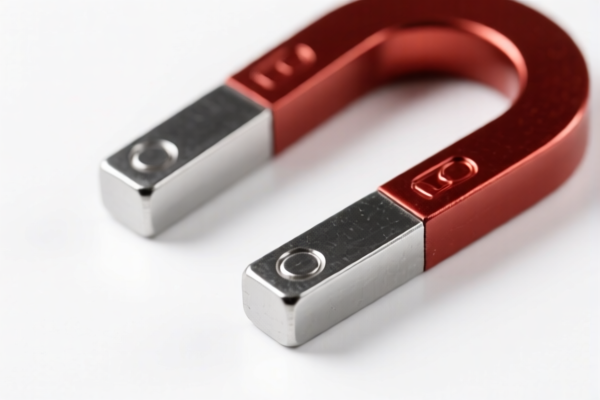
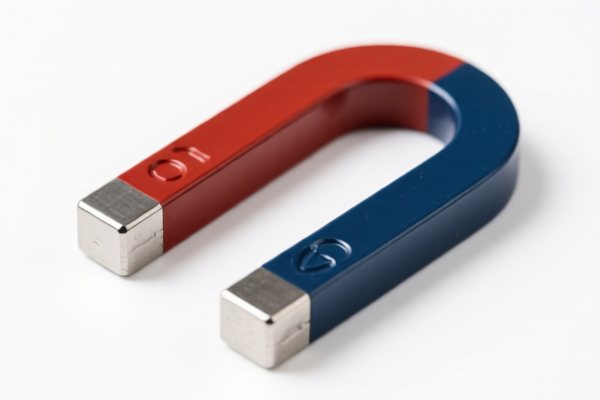
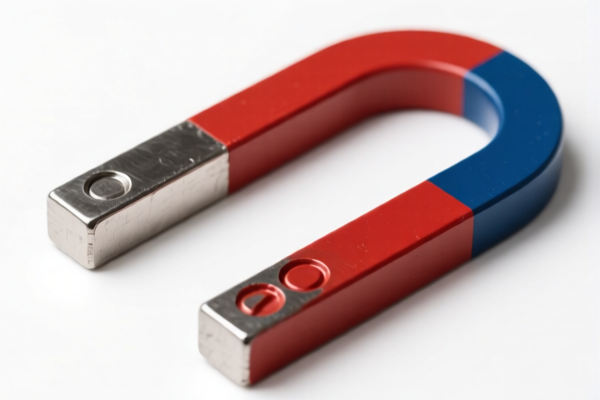
AI Analysis
🧲 Permanent Magnets & Magnetic Materials: The Engine of Modern Efficiency
🌐 HS Code Reference & Customs Clearance Guide | 2026 Latest Tariff Analysis | Professional Clearance Strategy
📌 I. Product Definition & Classification: Do You Really Understand "Permanent Magnets"?
Permanent magnets are materials that produce their own persistent magnetic field without external power. In international trade, they are primarily categorized by function (finished magnets) versus raw material (powders/alloys). The classification hinges on whether the product is a "ready-to-use" component or a raw industrial material.
Permanent Magnets (Finished Goods): Pre-shaped magnets (blocks, rings, arcs, chips) designed for specific applications (motors, generators, sensors). Magnetic Materials (Raw/Powder): Rare earth alloys, ferro-powders, or sintered blanks not yet formed into final magnetic components.
⚠️ Key Distinction Point: - If the item is a finished magnetic component used directly in equipment (e.g., motor rotors) →归入 Chapter 85 - If the item is metal powder or alloy intended for manufacturing magnets later → 归入 Chapter 72
📦 II. HS Code Classification Details (2026 Latest Tariff Authority Comparison)
Based on the provided data, here are the three most relevant classifications for Permanent Magnets and their materials under US Customs regulations.
| HS Code | Product Description | Application Scenario | Material/Form |
|---|---|---|---|
7205.21.00.00 |
Ferro-alloys; Unwrought Ferro-manganese | Raw Material: Magnetic alloys/powders used as feedstock for magnet production. | ✅ Alloy/Powder (Raw) |
8505.11.00.90 |
Permanent Magnets: Other (Metallic, excluding Alnico, Ferrite, etc.) | Finished Magnet: General metallic permanent magnets not falling under specific sub-headings. | ✅ Finished Magnet |
8505.19.30.00 |
Permanent Magnets: Other (Specific Metallic Category) | Finished Magnet: High-performance rare-earth or specialized metallic magnets. | ✅ Finished Magnet |
🔍 Crucial Reminder: - Finished Magnets generally fall under HS 8505. - Raw Magnetic Powders/Alloys fall under HS 7205. - Misclassifying a finished magnet as a raw alloy (or vice versa) can lead to significant tax differences and clearance delays.
💰 III. 2026 Latest Tariff Rate Breakdown (Including Surtaxes & Policy Add-ons)
✅ Applicable Country: United States (US) ✅ Origin: China (CN) ✅ Effective Time: Current policies include Section 301 and IEEPA surcharges.
🎯 1. 7205.21.00.00 —— Ferro-alloys (Magnetic Raw Materials)
| Item | Detail |
|---|---|
| Base Duty Rate | 0.0% |
| Section 301 Surcharge | +25.0% |
| IEEPA Surcharge (122 Clause) | +10.0% |
| Total Effective Rate | 35.0% |
| Tax Calculation | CIF Value × 35% |
| De Minimis Eligibility | ❌ Not Eligible (High risk of audit) |
| Legal Basis Path | USITC:7205.21.00.00 → Section 301: Footnote 9903.88.01 → IEEPA:9903.01.24 |
📌 Explanation: - This code applies to raw magnetic materials (e.g., ferro-alloys). - The 35% total rate is driven entirely by additional tariffs, as the base duty is 0%. - Risk: Customs may scrutinize this code if the product appears to be a finished magnet disguised as raw material.
🎯 2. 8505.11.00.90 —— Permanent Magnets (Other, Metallic)
| Item | Detail |
|---|---|
| Base Duty Rate | 2.1% |
| Section 301 Surcharge | +25.0% |
| IEEPA Surcharge (122 Clause) | +10.0% |
| Total Effective Rate | 37.1% |
| Tax Calculation | CIF Value × 37.1% |
| De Minimis Eligibility | ❌ Not Eligible |
| Legal Basis Path | USITC:8505.11.00.90 → Section 301: Footnote 9903.88.01 → IEEPA:9903.01.24 |
📌 Explanation: - This is the default "catch-all" for metallic permanent magnets when not specified further. - The logic: Since the specific material isn't excluded (like Ferrite), it defaults to metallic. - 37.1% is the standard rate for general metallic magnets from China.
🎯 3. 8505.19.30.00 —— Permanent Magnets (Other, Specific Metallic)
| Item | Detail |
|---|---|
| Base Duty Rate | 4.9% |
| Section 301 Surcharge | +25.0% |
| IEEPA Surcharge (122 Clause) | +10.0% |
| Total Effective Rate | 39.9% |
| Tax Calculation | CIF Value × 39.9% |
| De Minimis Eligibility | ❌ Not Eligible |
| Legal Basis Path | USITC:8505.19.30.00 → Section 301: Footnote 9903.88.01 → IEEPA:9903.01.24 |
📌 Explanation: - This code often applies to specific types of metallic magnets (e.g., Neodymium/Iron/Boron types not covered by 8505.11). - 39.9% is the highest rate among the three, reflecting the base duty of 4.9%. - Note: If your magnet is Neodymium (NdFeB), ensure it doesn't fall under a more specific sub-heading (like 8505.11) which might have a different base rate. However, based on the provided data, this is the matched code.
🛠️ IV. Customs Clearance Practical Advice (Pitfall Avoidance Guide)
✅ 1. Documentation Checklist (Mandatory)
| Document | Required? | Description |
|---|---|---|
| ✅ Product Specification Sheet | ✔️ | Must specify: Magnetic strength (Gauss), Material (NdFeB, SmCo, Ferrite), Shape, Dimensions. |
| ✅ Material Composition Report | ✔️ | Crucial for distinguishing between Raw Alloy (7205) and Finished Magnet (8505). |
| ✅ Product Photos | ✔️ | Clear images of the item, packaging, and any labels showing "Permanent Magnet". |
| ✅ Commercial Invoice | ✔️ | Must clearly state "Permanent Magnet" and HS Code. Avoid vague terms like "Magnetic Part". |
| ✅ Certificate of Origin | ✔️ | To prove Country of Origin (China) for surtax application. |
| ✅ Packaging List | ✔️ | Detail net/gross weight to prevent weight-discrepancy audits. |
✅ 2. Declaration Tips (Key Mantras)
🔥 “Finish or Raw? Material or Part? Clear Labeling, Low Risk!”
| Scenario | Correct Declaration | Wrong Practice |
|---|---|---|
| Finished Magnet (e.g., in a motor) | 8505.11.00.90 or 8505.19.30.00 |
Declaring as "Metal Part" or "Alloy" → Misclassification Risk |
| Magnetic Powder/Alloy | 7205.21.00.00 |
Declaring as "Magnet" → Wrong HS Code, Potential Fraud |
| Ferrite Magnet (Ceramic) | Not listed in DATA (Usually lower duty) | Declaring as "Metallic Magnet" → Overpaying Taxes |
📌 Note: The provided data only covers Metallic magnets. If you are shipping Ferrite (Ceramic) magnets, they typically fall under 8505.19.10 or similar, with lower tariffs. Ensure you are not misdeclaring Ferrite as Metallic.
✅ 3. Special Cases Handling
| Case | Handling Advice |
|---|---|
| Mixed Shipments (Magnets + Motors) | Declare separately. Magnets under 8505, Motors under 8501. Do not lump them. |
| Neodymium (NdFeB) Magnets | High-value, high-tax. Provide MSDS and UN38.3 (if lithium batteries are attached, though magnets themselves are not hazardous, they can interfere with electronics). |
| Strong Magnetic Fields | May require IATA DGR check for air freight. Customs may inspect for safety. |
| Anti-Dumping/Countervailing | Check if specific rare-earth magnets are subject to additional duties beyond Section 301/IEEPA. |
🌍 V. Global Market Comparison (2026 Latest)
| Country/Region | Recommended HS Code (Metallic Magnet) | Total Tax (China Origin) | Certification | Notes |
|---|---|---|---|---|
| 🇺🇸 USA | 8505.11.00.90 / 8505.19.30.00 |
37.1% ~ 39.9% | None Specific | High surtaxes apply. |
| 🇨🇳 China | 8505.11.00.90 / 8505.19.30.00 |
~10% ~ 15% | CCC (if applicable) | Lower base duties. |
| 🇪🇺 EU | 8505.11 / 8505.19 |
0% ~ 2% | RoHS/REACH | No Section 301 equivalent. |
| 🇬🇧 UK | 8505.11 / 8505.19 |
0% ~ 2% | UKCA | Post-Brexit rules apply. |
📌 Conclusion: - The USA imposes the highest cost for metallic permanent magnets from China due to Section 301 (25%) + IEEPA (10%). - Raw materials (7205) are slightly cheaper (35%) but risky if misdeclared. - Europe and Asia offer significantly lower duties, making them more attractive for re-export or final consumption.
📌 VI. Common Errors & Pitfalls (Lessons Learned)
❌ Error 1: Declaring Finished Magnets as "Metal Parts" 👉 Consequence: Customs may reclassify to 8505 with higher duties + penalties.
❌ Error 2: Declaring Raw Magnetic Powder as "Finished Magnet" 👉 Consequence: Wrong HS Code (8505 vs 7205). While the tax is similar (35% vs 37-39%), it violates customs accuracy laws.
❌ Error 3: Ignoring IEEPA 10% Surcharge 👉 Consequence: Underpayment by 10% → Back taxes + Interest + Fines.
❌ Error 4: Confusing Ferrite with Metallic 👉 Consequence: Ferrite magnets often have lower base duties. Misdeclaring them as metallic leads to overpayment.
✅ Correct Practice:
"Permanent Magnet, NdFeB, Sintered, Block Shape, 35x10x5mm, Grade N42, For Motor Application, Made in China"
🎯 VII. Conclusion: Professional Declaration, Cost Efficiency, Compliance!
🎯 Remember the Mantra:
🔹 "Finish = 8505, Raw = 7205. Metal = High Tax, Ferrite = Low Tax." 🔹 "35-40% is the US Reality. Plan your pricing accordingly!"
📌 Pro Tip: If your magnets are rare-earth (NdFeB/SmCo), consider supply chain diversification (e.g., Vietnam, Thailand) to mitigate US-China surtaxes. Apply for a Customs Binding Ruling (CBR) if you have high-volume shipments to ensure HS Code certainty.
📣 Immediate Action:
📞 Consult a licensed customs broker + Provide Material Composition Certificates + Apply for HS Code Pre-ruling 🚀 Ensure your Permanent Magnets clear customs smoothly, efficiently, and cost-effectively!
✨ Professional Customs Clearance Starts with Accurate Classification! 💼 Every percentage point of tax savings matters!
Customer Reviews
About HS Code Classification
The Harmonized System (HS) is an internationally standardized nomenclature developed by the World Customs Organization (WCO) to classify traded products. Over 200 countries use the HS system as the basis for customs tariffs, trade statistics, and import/export regulations.
Each HS code follows a hierarchical structure:
- Chapter (2 digits) — Broad category of goods (e.g., Chapter 84: Machinery and Mechanical Appliances)
- Heading (4 digits) — More specific grouping within the chapter
- Subheading (6 digits) — Internationally standardized breakdown, used by all WCO member countries
- National subdivisions (8-10 digits) — Country-specific extensions for further classification, such as US HTSUS 10-digit codes
Correct HS code classification is essential for smooth customs clearance, accurate duty payment, and compliance with trade regulations. Misclassification can lead to customs delays, overpayment of duties, or penalties.
When importing from CN to US, the applicable tariff rates may include:
- Most-Favored-Nation (MFN) rate — The standard duty rate applied to WTO members
- General rate — Applied to countries without trade agreements
- Trade remedy duties — Additional tariffs such as Section 301 (anti-dumping), Section 232 (national security), or countervailing duties
The information provided on this page is for reference purposes only. For official classification, please consult with your local customs authority or a licensed customs broker.