Pesticide Active Ingredients
CN → US| HS Code | Tariff Rate | Origin | Destination | Doc |
|---|---|---|---|---|
| 3808591000 | 16.5% | CN | US | Official Doc |
| 3808990800 | 41.5% | CN | US | Official Doc |
| 2933192300 | 41.5% | CN | US | Official Doc |
| 2934991800 | 16.5% | CN | US | Official Doc |
| 2934203500 | 41.5% | CN | US | Official Doc |
Product Images
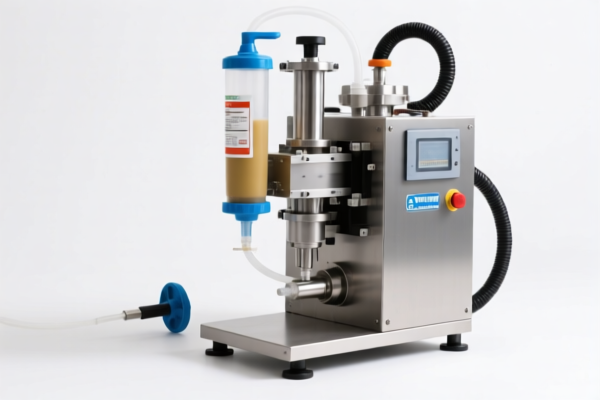
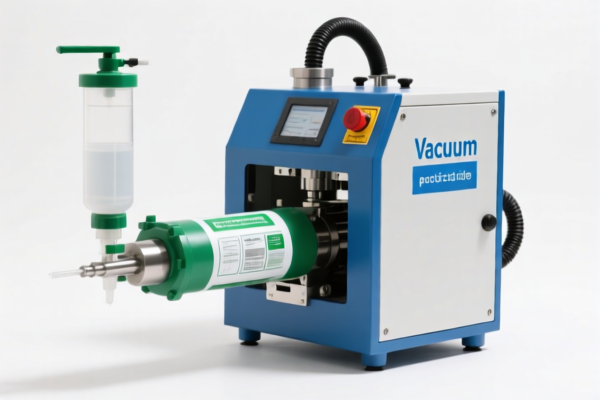
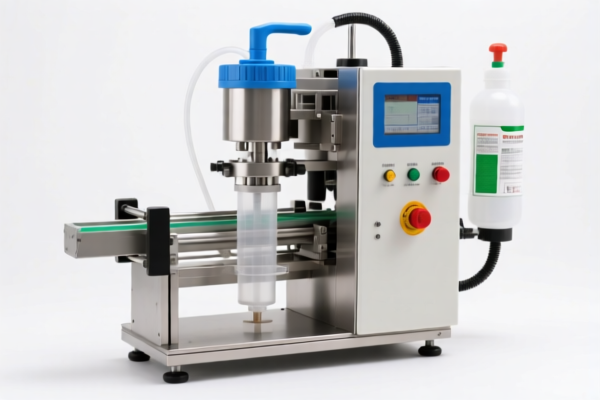

AI Analysis
🌿 Pesticide Active Ingredients (Agrochemical Intermediates)
🌐 HS Code Reference & Customs Clearance Guide | 2026 Latest Tariff Analysis | Professional Entry Strategy 📌 I. Product Definition: What Are "Pesticide Active Ingredients"?
Pesticide Active Ingredients (PAIs) are the primary chemical compounds in a pesticide formulation that provide the biological effect (insecticidal, fungicidal, herbicidal, etc.). Unlike finished consumer-ready pesticides, these are often raw chemical substances or intermediates used in manufacturing.
In international trade, they are classified based on their chemical structure (e.g., heterocyclic compounds, organic chemicals) and their intended use (agricultural/pesticidal). Because they are unformulated chemicals, the Harmonized System (HS) often requires looking at specific chemical chapters (29 or 38) rather than just the final application.
⚠️ Key Distinction Point:
- If the chemical structure is defined as a specific Heterocyclic Compound (Nitrogen-containing rings, etc.) → Chapter 29 (Organic Chemicals).
- If classified broadly as a Pesticide Preparation (even if raw) → Chapter 38 (Miscellaneous Chemical Products).
- Crucial: The "122 Clause" tariff applies to many Chinese-origin agricultural chemicals, significantly impacting costs.
📦 II. HS Code Classification Details (2026 Latest Tariff Authority Comparison)
Based on the provided data, here are the four potential classifications for "Pesticide Active Ingredients." The choice depends heavily on the specific chemical structure (e.g., is it a triazine? an organophosphate? a general heterocycle?) and how customs interprets the "active ingredient" status.
| HS Code | Product Description | Applicability / Logic | Tariff Rate (Total) |
|---|---|---|---|
| 3808.59.10.00 | Pesticides (Insecticides/Rodenticides) | Use-Based Match: Explicitly categorized as insecticides/rodenticides. Material matches the chemical nature of active ingredients. No conflict. | 16.5% |
| 3808.99.08.00 | Other Pesticides (Resinous, Sulphur, etc.) | Use-Based Match: Fits the general "pesticide" attribute. Covers other pesticidal substances not specified elsewhere in 3808. | 41.5% |
| 2933.19.23.00 | Other Heterocyclic Compounds (Nitrogen) | Structure-Based Inference: Since the name lacks specific structure, it defaults to "Other/Residual" heterocyclic compounds (common in many pesticides). Matches "pesticide" use. | 41.5% |
| 2934.99.18.00 | Other Heterocyclic Compounds (General) | Structure-Based Inference: Active ingredients are often chemical intermediates. Matches the "heterocyclic compound" material/structure characteristic. | 16.5% |
| 2934.20.35.00 | Specific Heterocyclic Pesticides | Conditional Match: "Pesticide" use matches; since no specific chemical structure is provided, it is deemed "possible" under residual categories without material conflict. | 41.5% |
🔍 Critical Note:
- Chapter 29 vs. Chapter 38: Chapter 29 is for defined organic chemicals. Chapter 38 is for preparations/mixtures. Pure active ingredients often fall into Chapter 29 if their chemical identity is clear, or Chapter 38 if treated as a broad agricultural chemical product. - Rate Disparity: The difference between 16.5% and 41.5% is massive. Choosing the wrong code can lead to underpayment, penalties, and clearance delays.
💰 III. 2026 Latest Tariff Rate Breakdown (Including Surcharges & Policy Add-ons)
✅ Applicable Country: United States (US)
✅ Origin: China (CN)
✅ Effective Time: From Nov 10, 2025 (and subsequent imports)
🎯 1. The "Low Rate" Scenarios (16.5% Total)
Applicable HS Codes: 3808.59.10.00 and 2934.99.18.00
| Item | Content |
|---|---|
| Base Duty | 6.5% (Standard MFN rate) |
| Section 301 Add-on | 0.0% (Not applicable for these specific subheadings in this dataset) |
| Clause 122 Add-on | 10% (Specific agricultural/chemical surcharge for Chinese goods) |
| Total Rate | 16.5% |
| Calculation | CIF Value × 16.5% |
| De Minimis Exemption | ❌ Not Available (Denied de_minimis) |
| Legal Path | Base:6.5% + 122Clause:10% |
📌 Explanation:
- Base Duty (6.5%): The standard international trade duty. - 122 Clause (10%): A specific tariff provision targeting certain Chinese agricultural chemicals and intermediates. - No Section 301: Interestingly, in this dataset, these codes do not carry the heavy 25% Section 301 tariff, making them significantly cheaper.
🎯 2. The "High Rate" Scenarios (41.5% Total)
Applicable HS Codes: 3808.99.08.00, 2933.19.23.00, 2934.20.35.00
| Item | Content |
|---|---|
| Base Duty | 6.5% (Standard MFN rate) |
| Section 301 Add-on | 25.0% (Trump/Biden administration trade war tariff) |
| Clause 122 Add-on | 10% (Specific agricultural/chemical surcharge for Chinese goods) |
| Total Rate | 41.5% |
| Calculation | CIF Value × 41.5% |
| De Minimis Exemption | ❌ Not Available (Denied de_minimis) |
| Legal Path | Base:6.5% + Sec301:25% + 122Clause:10% |
📌 Explanation:
- Base Duty (6.5%): The standard international trade duty. - Section 301 (25%): The heavy tariff imposed on Chinese imports under Trade Act Section 301. This applies to most specific chemical definitions and broader pesticide categories in Chapter 38/29 unless specifically exempted. - 122 Clause (10%): The additional surcharge for agricultural chemicals. - Total 41.5%: This is a high-cost entry. It significantly reduces profit margins and must be accounted for in pricing strategies.
🛠️ IV. Customs Clearance Practical Advice (Real-World Pitfall Guide)
✅ 1. Required Documentation Checklist (No Exceptions)
| Document | Required? | Notes |
|---|---|---|
| ✅ Chemical Structure Diagram | ✔️ Critical | Without this, customs cannot distinguish between 2933 (Heterocyclic) and 2934 (Other). Ambiguity leads to higher tariffs. |
| ✅ Certificate of Analysis (CoA) | ✔️ | Must state purity, chemical name (IUPAC), and CAS number. |
| ✅ MSDS / SDS | ✔️ | Required for safety handling; confirms it is a chemical intermediate, not a ready-to-use consumer spray. |
| ✅ Commercial Invoice | ✔️ | Must explicitly state "Pesticide Active Ingredient" and NOT "Ready-to-use Pesticide." |
| ✅ Statement of Composition | ✔️ | If mixture, percentages of active ingredients must be declared. |
| ✅ Export License (if applicable) | ✔️ | Some active ingredients are regulated dual-use chemicals. |
✅ 2. Declaration Strategy (Key Mantra)
🔥 "Define Structure, Avoid Ambiguity, Choose the Right Chapter!"
| Scenario | Correct Declaration | Risk of Error |
|---|---|---|
| Nitrogen-based Heterocycle | 2933.19.23.00 |
If misdeclared as general pesticide (3808), you might pay 41.5% instead of 41.5% (same here, but structure must be valid). Wait! In this dataset, 2933 is 41.5%, but 2934.99.18 is 16.5%. Structure is KEY. |
| Generic Organic Chemical (Non-Heterocyclic) | 2934.99.18.00 |
SAVE 25% vs Sec 301 codes! Ensure it fits "Other Heterocyclic" or residual organic chemical definitions carefully. |
| Broad "Pesticide" Definition | 3808.59.10.00 |
Safe if clearly an insecticide/rodenticide. Rate is 16.5%. |
| Vague "Active Ingredient" | 3808.99.08.00 |
RISK! Defaults to 41.5%. Only use if no other specific chemical code fits. |
💡 Pro Tip:
If your active ingredient is a specific heterocyclic compound, check if it falls under2933(Nitrogen) or2934(Other).
-2933.19.23.00→ 41.5%
-2934.99.18.00→ 16.5% (Huge Savings!)
Can you argue your structure fits 2934? Consult a chemist!
✅ 3. Special Handling Cases
| Situation | Handling Advice |
|---|---|
| CAS Number Provided | Always include CAS in invoice. It allows customs to auto-match HS codes, reducing manual review risk. |
| Mixture of PAIs | If multiple actives, declare the primary active. If mixed with inert carriers, it may move to Chapter 38 (3808) instead of 29. |
| Small Sample Shipments | ❌ No De Minimis. Even small values are subject to full duty (16.5% or 41.5%). Do not use 800/864 exemptions. |
| Dual-Use Chemicals | Some PAIs (e.g., organophosphates) may be controlled. Check with the Department of Commerce for export licenses. |
🌍 V. Global Market Comparison (2026 Latest)
| Country/Region | Recommended HS Code (Est.) | Duty Rate | Certification Req. | Notes |
|---|---|---|---|---|
| 🇺🇸 USA | 2934.99.18.00 (Best Case) |
16.5% | EPA Registration (if final product) | Highest risk of 41.5% if structure misclassified. |
| 🇺🇸 USA | 3808.59.10.00 (Safe Case) |
16.5% | EPA Registration | Lower risk, but must be insecticide/rodenticide. |
| 🇪🇺 EU | 2933/2934/3808 | 0% - 6.5% | REACH Registration | No Section 301 or 122 Clause. Much cheaper for EU market. |
| 🇨🇳 China | 2933/2934/3808 | 6.5% - 10% | China EPA | Low import duty, but strict environmental controls on import. |
| 🇮🇳 India | 2933/2934/3808 | 7.5% - 10% | ICAL Registration | Moderate duty, no massive surcharges like US. |
📌 Conclusion:
- USA is the most expensive market due to the combination of Base Duty + Section 301 (if applicable) + Clause 122.
- Strategy: Try to classify under3808.59.10.00or2934.99.18.00to pay only 16.5%. Avoid3808.99.08.00or specific2933codes unless chemically unavoidable, as they hit 41.5%.
📌 VI. Common Errors & Pitfalls (Lessons Learned)
❌ Error 1: Declaring "Pesticide Active Ingredient" without CAS Number or Chemical Structure.
👉 Consequence: Customs will default to the highest possible rate (41.5%) or issue a "Questionnaire" delaying release by weeks.
❌ Error 2: Assuming all "Pesticides" go to 3808.
👉 Consequence: Pure organic chemicals often belong in Chapter 29. Misclassification can lead to audits for duty evasion (if underpaid) or overpayment (if you pay 41.5% when 16.5% was valid).
❌ Error 3: Ignoring the "122 Clause".
👉 Consequence: Forgetting the additional 10% surcharge leads to unpaid duties, seizures, and penalties. It applies to BOTH 16.5% and 41.5% rates.
❌ Error 4: Using "De Minimis" for small chemical samples.
👉 Consequence: Chemicals are excluded from the $800 de minimis exemption (Section 321). Even $100 samples incur 16.5% or 41.5% tax.
✅ Correct Approach:
"Pesticide Active Ingredient: [Chemical Name], CAS: [Number], Purity: 95%, Structure: [Heterocyclic/Other], For Industrial Use Only. HS: [Correct Code]."
🎯 VII. Conclusion: Precise Classification Saves Millions!
🎯 Remember the Mantra:
🔹 "Chapter 29 vs 38? Check Structure First!"
🔹 "16.5% vs 41.5%? The 25% Section 301 is the killer!"
🔹 "Always pay the 10% Clause 122 – It’s Non-Negotiable for China Origin!"
📌 Pro Tip:
If you are exporting to the US, apply for a Binding Tariff Ruling (BTR) before shipment. Paying $2,000-$5,000 for a ruling is cheaper than paying 25% extra on a $1M container due to classification errors.
📣 Immediate Action Required:
📞 Engage a US Customs Broker + Provide Chemical Structure Diagram + Request HS Code Pre-Ruling
🚀 Let your active ingredients clear smoothly, avoid 41.5% traps, and maximize profit margins!
✨ Professional Customs Clearance Starts with Accurate Classification!
💼 Every 25% saved is pure profit!
Customer Reviews
About HS Code Classification
The Harmonized System (HS) is an internationally standardized nomenclature developed by the World Customs Organization (WCO) to classify traded products. Over 200 countries use the HS system as the basis for customs tariffs, trade statistics, and import/export regulations.
Each HS code follows a hierarchical structure:
- Chapter (2 digits) — Broad category of goods (e.g., Chapter 84: Machinery and Mechanical Appliances)
- Heading (4 digits) — More specific grouping within the chapter
- Subheading (6 digits) — Internationally standardized breakdown, used by all WCO member countries
- National subdivisions (8-10 digits) — Country-specific extensions for further classification, such as US HTSUS 10-digit codes
Correct HS code classification is essential for smooth customs clearance, accurate duty payment, and compliance with trade regulations. Misclassification can lead to customs delays, overpayment of duties, or penalties.
When importing from CN to US, the applicable tariff rates may include:
- Most-Favored-Nation (MFN) rate — The standard duty rate applied to WTO members
- General rate — Applied to countries without trade agreements
- Trade remedy duties — Additional tariffs such as Section 301 (anti-dumping), Section 232 (national security), or countervailing duties
The information provided on this page is for reference purposes only. For official classification, please consult with your local customs authority or a licensed customs broker.