Pet Blanket
CN → US| HS Code | Tariff Rate | Origin | Destination | Doc |
|---|---|---|---|---|
| 5705002030 | 38.3% | CN | US | Official Doc |
| 5703210090 | 41.7% | CN | US | Official Doc |
| 5705002090 | 38.3% | CN | US | Official Doc |
| 5703310085 | 16.0% | CN | US | Official Doc |
| 3926909989 | 22.8% | CN | US | Official Doc |
Product Images
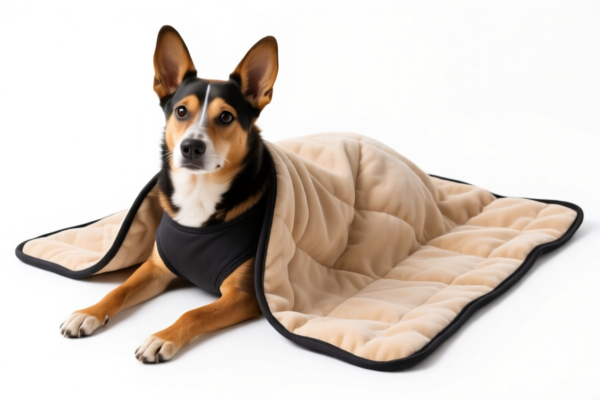
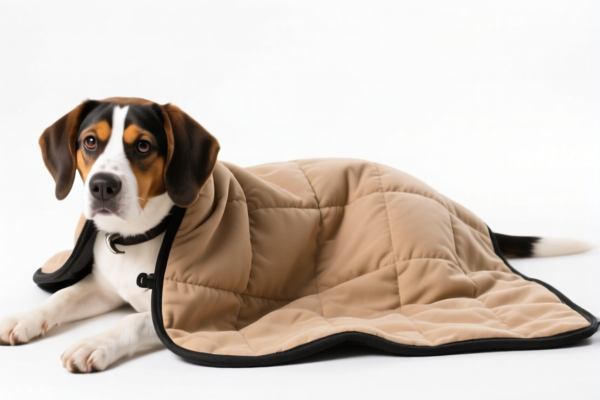
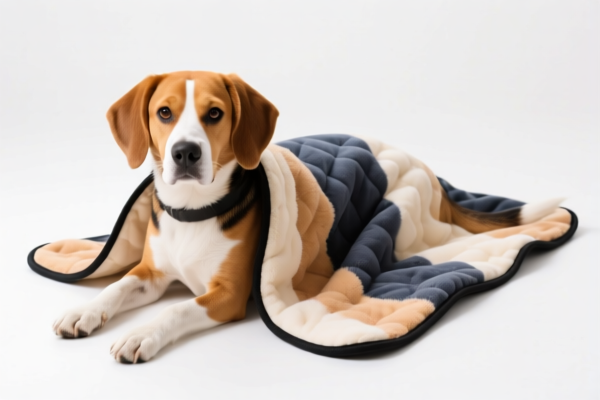
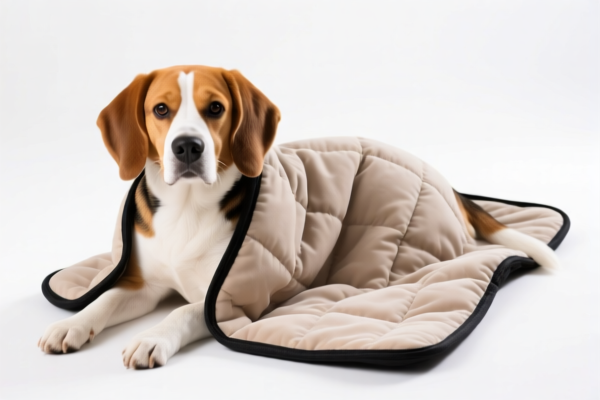
AI Analysis
🐾 Pet Blanket (Bedding for Animals)
🌐 HS Code Reference & Customs Clearance Guide | 2026 Latest Tariff Analysis | Professional-Level Strategy for US Imports
📌 I. Product Definition: What Exactly Is a "Pet Blanket"?
A pet blanket is a textile product designed for the comfort, warmth, and hygiene of animals (dogs, cats, etc.). In international trade, classification depends heavily on material composition and specific use. It is primarily categorized under Chapter 57 (Carpets and other floor coverings) or Chapter 39 (Articles of plastic).
Key Distinction Points: * Textile/Carpets (Chapter 57): Made from yarn/fibers (nylon, polyester, wool, cotton). If it looks and feels like a rug, floor mat, or textile blanket, it usually falls here. * Plastic/Synthetic (Chapter 39): Made primarily of plastic sheets, PVC, or synthetic fibers that are not classified as "textile" in the traditional sense (e.g., vinyl mats).
⚠️ Critical Classification Tip:
- If the product is made of nylon, polyester, or other textile fibers and functions as a floor covering or textile blanket → Chapter 57.
- If the product is a vinyl/PVC sheet or non-woven synthetic material that doesn't fit standard textile definitions → Chapter 39.
📦 II. HS Code Classification Details (2026 Tariff Schedule)
Based on the available data, here are the matched HS Codes for Pet Blankets:
| HS Code | Product Description | Material/Shape Inference | Total Tax Rate |
|---|---|---|---|
5705.00.20.30 |
Carpet / Floor Covering, Made of Man-Made Fibers | Matches "Carpet/Floor Covering" use & "Man-made Fiber" material | 38.3% |
5703.21.00.90 |
Nylon or Polyamide Carpets (Tufted) | Matches "Carpet" shape/use; Material inferred as Nylon/Polyamide | 41.7% |
5705.00.20.90 |
Other Carpets (Textile Fiber, Catch-all) | Matches "Carpet" shape; Inferred as textile fiber, generic category | 38.3% |
5703.31.00.85 |
Textile Floor Coverings (Other Textile Materials) | Matches "Carpet/Textile Floor Covering" use & "Textile" material | 16.0% |
3926.90.99.89 |
Other Articles of Plastic | Material inferred as Plastic/Synthetic (non-textile) | 22.8% |
🔍 Key Insight:
-5703.31.00.85offers the lowest tariff (16.0%) if the material is classified as "other textile material" (e.g., cotton blends, non-nylon synthetics) and not tufted nylon.
-5703.21.00.90is the highest tariff (41.7%) if the blanket is made of Nylon or Polyamide and is tufted/carpet-style.
-3926.90.99.89applies if the product is vinyl, PVC, or plastic-based, avoiding textile duties but incurring plastic duties.
💰 III. 2026 Tariff Rate Breakdown (Detailed Tax Clause Explanation)
✅ Applicable Country: United States (US)
✅ Origin: China (CN)
✅ Effective Date: 2025/2026 (Post-Trade War Era)
🎯 1. 5705.00.20.30 & 5705.00.20.90 – Carpets of Man-Made Fibers (Generic)
| Item | Detail |
|---|---|
| Base Duty | 3.3% |
| Section 301 Surcharge | +25.0% (USITC Footnote 9903.88.01) |
| IEEPA Surcharge | +10.0% (China-specific, effective Nov 2025) |
| Total Tax Rate | 38.3% |
| De Minimis Exemption? | ❌ NO (Deny de minimis for China-origin textiles/carpets) |
| Legal Basis Path | USITC:5705.00.20 → IEEPA:9903.01.24 → USITC:301 Footnote |
📌 Explanation:
- These codes apply to generic man-made fiber carpets.
- The 38.3% total rate is a combination of the base MFN rate (3.3%) plus the aggressive Section 301 (25%) and IEEPA (10%) tariffs.
- Cost Impact: High. Importers must account for nearly 40% of the CIF value in duties.
🎯 2. 5703.21.00.90 – Nylon/Polyamide Carpets (Tufted)
| Item | Detail |
|---|---|
| Base Duty | 6.7% |
| Section 301 Surcharge | +25.0% |
| IEEPA Surcharge | +10.0% |
| Total Tax Rate | 41.7% |
| De Minimis Exemption? | ❌ NO |
| Legal Basis Path | USITC:5703.21 → IEEPA:9903.01.24 → USITC:301 Footnote |
📌 Explanation:
- This is the most expensive category if the pet blanket is made of Nylon (common in durable pet mats).
- The higher base duty (6.7%) combined with surcharges makes this the worst-case scenario for cost.
- Warning: If your pet blanket is nylon-based, expect the highest tariff.
🎯 3. 5703.31.00.85 – Other Textile Floor Coverings (Lowest Tariff Option)
| Item | Detail |
|---|---|
| Base Duty | 6.0% |
| Section 301 Surcharge | +0.0% (Exempted for this specific subheading) |
| IEEPA Surcharge | +10.0% |
| Total Tax Rate | 16.0% |
| De Minimis Exemption? | ❌ NO (Generally denied for China-origin goods) |
| Legal Basis Path | USITC:5703.31 → IEEPA:9901.25 |
📌 Explanation:
- THIS IS THE OPTIMAL CODE if the product is not nylon and fits "other textile materials."
- The Section 301 25% tariff is EXEMPT for this specific 8-digit subheading, significantly reducing the burden.
- Only the 6% base + 10% IEEPA applies.
- Strategy: Ensure the product description and material composition align with "other textile fibers" (e.g., cotton, polyester blends not classified as nylon) to qualify for this lower rate.
🎯 4. 3926.90.99.89 – Plastic Articles
| Item | Detail |
|---|---|
| Base Duty | 5.3% |
| Section 301 Surcharge | +7.5% |
| IEEPA Surcharge | +10.0% |
| Total Tax Rate | 22.8% |
| De Minimis Exemption? | ❌ NO |
| Legal Basis Path | USITC:3926.90 → IEEPA:9901.25 → USITC:301 Footnote |
📌 Explanation:
- Applies if the pet blanket is vinyl, PVC, or non-textile synthetic.
- 22.8% is lower than the nylon/textile options but higher than the5703.31.00.85option.
- Useful if the product is clearly waterproof plastic and cannot be classified as a textile.
🛠️ IV. Customs Clearance Practical Advice (Real-World Pitfall Avoidance)
✅ 1. Documentation Checklist (Non-Negotiable)
| Document | Required | Notes |
|---|---|---|
| Product Specification Sheet | ✔️ | Must detail material composition (e.g., "100% Polyester," "Nylon Pile"). |
| Material Composition Certificate | ✔️ | Critical for distinguishing between 5703.21 (Nylon) and 5703.31 (Other). |
| Product Photos (Lifestyle & Close-up) | ✔️ | Show texture. Is it a plush rug? A vinyl sheet? |
| Commercial Invoice | ✔️ | Must clearly state: "Pet Blanket, Textile, Made of [Material], HS Code [XX]" |
| Origin Certificate (CO) | ✔️ | To verify China origin for IEEPA calculations. |
| Packing List | ✔️ | Ensure quantities match invoice. |
✅ 2. Declaration Strategy (Key Mnemonic)
🔥 "Material Defines the Code, Nylon Costs More, Cotton Wins!"
| Scenario | Correct HS Code | Risk |
|---|---|---|
| Nylon/Polyamide Pet Mat | 5703.21.00.90 |
High Tax (41.7%). Verify if any other classification applies. |
| Cotton/Polyester Blend (Rug-style) | 5703.31.00.85 |
Low Tax (16.0%). Best option for textile blankets. |
| Generic Man-Made Fiber Carpet | 5705.00.20.30 |
Medium Tax (38.3%). Safe fallback but costly. |
| Vinyl/PVC Waterproof Pad | 3926.90.99.89 |
Medium Tax (22.8%). Only if clearly non-textile. |
| Misclassified Nylon as Cotton | ❌ ERROR | Penalty & Audit Risk. Always provide material proof. |
✅ 3. Special Cases
| Situation | Advice |
|---|---|
| Pet Blanket with Non-Slip Plastic Bottom | Still Textile (Chapter 57). The plastic backing does not change the primary character. Do NOT use 3926. |
| Orthopedic Pet Bed with Foam Core | Chapter 94 (Furniture/Bedding). Not in the provided data, but if foam is main feature, this may apply. |
| Washable Pet Blanket (Small Size) | If classified as "accessory" or "trimming," it might fall elsewhere, but usually, it's still a textile article. |
| Import under De Minimis ($800) | ❌ DO NOT ATTEMPT. China-origin goods under 301/IEEPA are NOT eligible for de minimis exemption. Full duty applies. |
🌍 V. Global Market Comparison (2026 Overview)
| Market | Recommended HS Code | Est. Duty Rate | Key Requirement |
|---|---|---|---|
| 🇺🇸 USA | 5703.31.00.85 |
16.0% | Material proof required. No de minimis. |
| 🇨🇳 China | 5703.31.00.85 |
~10-15% | Import duty + VAT. |
| 🇪🇺 EU | 5703.31.00 |
~12% | CE not required, but REACH compliance for chemicals. |
| 🇬🇧 UK | 5703.31.00 |
~12% | Post-Brexit rules apply. |
📌 Conclusion:
- The US market is the most challenging due to the 10% IEEPA tariff on top of existing duties.
- Optimization Strategy: Focus on non-nylon materials (e.g., cotton, bamboo fiber, standard polyester) to qualify for5703.31.00.85(16.0%), saving up to 25.7% in tariffs compared to nylon.
📌 VI. Common Mistakes & Pitfalls (Lessons Learned)
❌ Mistake 1: Classifying Nylon Pet Mats as 5703.31 (Other Textiles)
👉 Consequence: Customs audit, penalty, and back-dated duties. Nylon is strictly 5703.21.
❌ Mistake 2: Trying to ship small quantities via De Minimis ($800)
👉 Consequence: Shipment held at border. China-origin goods are excluded from de minimis exemption since 2020.
❌ Mistake 3: Describing product as "Plastic Mat" when it is Textile with Plastic Backing
👉 Consequence: Incorrect classification (3926), leading to potential misdeclaration fines. Primary character is textile.
❌ Mistake 4: Ignoring the IEEPA 10% Surcharge in cost calculations
👉 Consequence: Underpricing product, eroding margins. The 10% IEEPA is mandatory for China-origin goods.
✅ Correct Action:
"Pet Blanket, 100% Polyester Pile, Non-Woven Backing, Machine Made, Model XYZ, HS Code 5703.31.00.85"
🎯 VII. Conclusion: Smart Classification for Maximum Profit
🎯 Remember the Motto:
🔹 "Nylon is Expensive (41.7%), Textile is Smart (16.0%), Plastic is Middle (22.8%)"
🔹 "De Minimis is Dead for China, Full Duty Applies!"
🔹 "Material Proof is Your Best Friend, Keep it Updated!"
📌 Pro Tip:
If your pet blankets are manufactured in Vietnam, Thailand, or Malaysia, you may apply for IEEPA Exemption (0% additional tariff).
Recommendation: Consider supply chain diversification if margins are squeezed by US tariffs.
📣 Immediate Action:
📞 Consult a licensed customs broker
📄 Provide Material Composition Certificates
🚀 Optimize your product mix towards non-nylon textiles for the best US duty rate.
✨ Professional Clearance Starts with Accurate Classification!
💼 Your Bottom Line Depends on This 8-Digit Code!
Customer Reviews
About HS Code Classification
The Harmonized System (HS) is an internationally standardized nomenclature developed by the World Customs Organization (WCO) to classify traded products. Over 200 countries use the HS system as the basis for customs tariffs, trade statistics, and import/export regulations.
Each HS code follows a hierarchical structure:
- Chapter (2 digits) — Broad category of goods (e.g., Chapter 84: Machinery and Mechanical Appliances)
- Heading (4 digits) — More specific grouping within the chapter
- Subheading (6 digits) — Internationally standardized breakdown, used by all WCO member countries
- National subdivisions (8-10 digits) — Country-specific extensions for further classification, such as US HTSUS 10-digit codes
Correct HS code classification is essential for smooth customs clearance, accurate duty payment, and compliance with trade regulations. Misclassification can lead to customs delays, overpayment of duties, or penalties.
When importing from CN to US, the applicable tariff rates may include:
- Most-Favored-Nation (MFN) rate — The standard duty rate applied to WTO members
- General rate — Applied to countries without trade agreements
- Trade remedy duties — Additional tariffs such as Section 301 (anti-dumping), Section 232 (national security), or countervailing duties
The information provided on this page is for reference purposes only. For official classification, please consult with your local customs authority or a licensed customs broker.