Pet Climbing Stairs
CN → US| HS Code | Tariff Rate | Origin | Destination | Doc |
|---|---|---|---|---|
| 4421919880 | 38.3% | CN | US | Official Doc |
| 4421999880 | 38.3% | CN | US | Official Doc |
| 3926909930 | 22.8% | CN | US | Official Doc |
| 3926909989 | 22.8% | CN | US | Official Doc |
Product Images
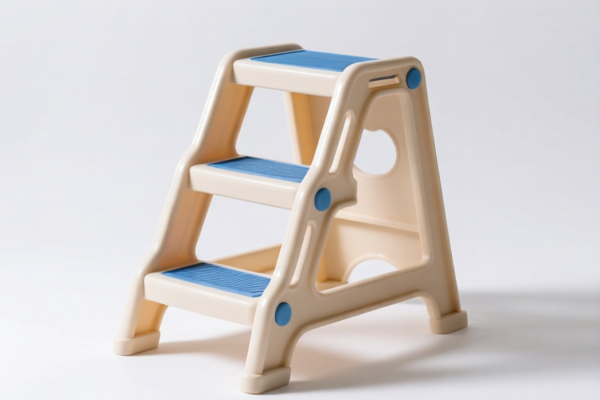
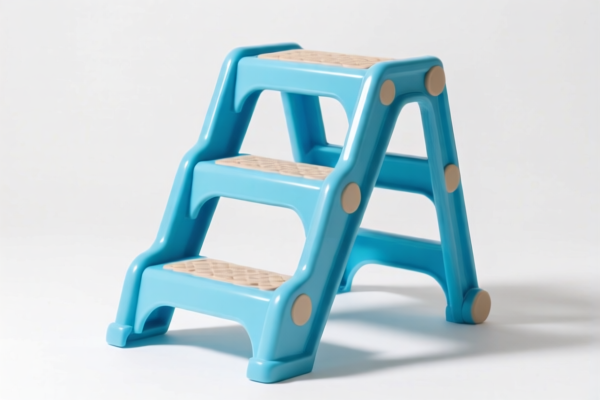
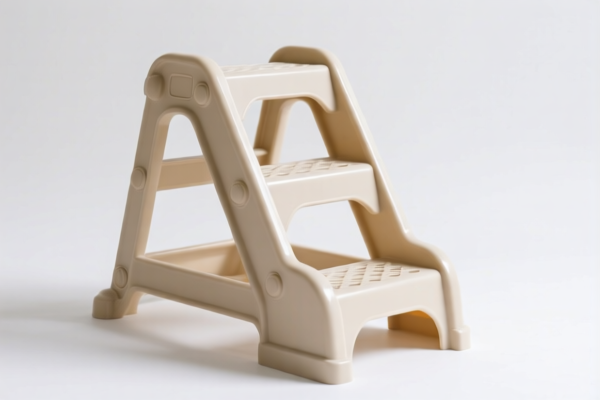
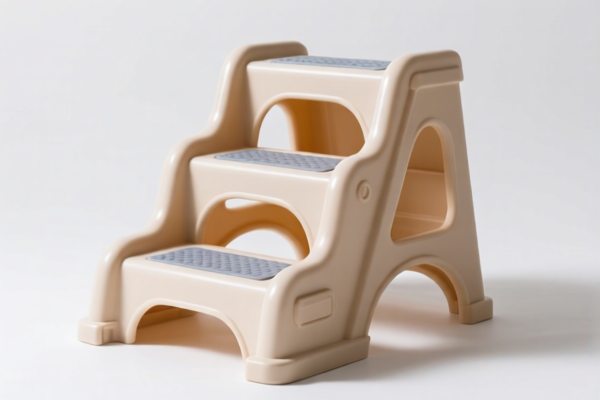
AI Analysis
🐾 Pet Climbing Stairs (Pet Steps)
🌐 HS Code Reference & Customs Clearance Guide | 2026 Latest Tariff Analysis | Professional Clearance Strategy
📌 I. Product Definition & Classification: What Exactly Are "Pet Climbing Stairs"?
Pet climbing stairs, also known as Pet Steps or Pet Stairs, are specialized assistive devices designed to help dogs, cats, and small pets safely reach elevated surfaces such as beds, sofas, couches, or cars. Unlike ladders, these structures typically feature low-rise, wide steps to minimize joint strain and prevent injury.
In international trade, they are classified based on their primary material of construction. The two main categories are: 1. Wooden/Bamboo Pet Stairs: Made primarily from wood or bamboo. 2. Plastic/Composite Pet Stairs: Made from polypropylene, PVC, or other plastics/composites.
⚠️ Key Classification Point:
- If the structure is wooden/bamboo → It falls under Chapter 44 (Wood and Articles of Wood). - If the structure is plastic/composite → It falls under Chapter 39 (Plastics and Articles Thereof). - Do NOT classify as furniture (Chapter 94) or general household items unless specifically exempted. The functional design for animals does not exempt it from material-based HS codes.
📦 II. HS Code Classification Details (2026 Latest Tariff Concordance)
Based on the provided data, here are the precise HS Codes applicable to Pet Climbing Stairs:
| HS Code | Product Description | Material Attribute | Total Tax Rate |
|---|---|---|---|
| 4421.91.98.80 | Other wooden articles, including pet climbing stairs | Wood/Bamboo | 38.3% |
| 4421.99.98.80 | Other wooden articles, fitting the material attribute of pet stairs | Wood/Bamboo | 38.3% |
| 3926.90.99.30 | Plastic or composite pet stairs, matching "Ladders" category | Plastic/Composite | 22.8% |
| 3926.90.99.89 | Other plastic articles, suitable for plastic pet stairs | Plastic/Composite | 22.8% |
🔍 Critical Insight:
- Wooden Pet Stairs: Are classified under 4421 (Other articles of wood). Despite being for pets, they are considered general wooden articles.
- Plastic Pet Stairs: Are classified under 3926 (Other articles of plastics). The specific subheading 3926.90.99.30 explicitly mentions "Ladders" or ladder-like structures, making it the most accurate fit for pet stairs made of plastic.
- Tax Disparity: Wooden stairs incur a significantly higher total tax rate (38.3%) compared to plastic ones (22.8%) due to higher additional tariffs on wood products from the originating country.
💰 III. 2026 Latest Tariff Rate Breakdown (Including Surtaxes & Policy Add-ons)
✅ Applicable Country: United States (US)
✅ Origin: China (CN)
✅ Effective Date: From 2025-11-10 onwards (including subsequent imports)
🎯 1. Wooden Pet Stairs (4421.91.98.80 & 4421.99.98.80)
| Item | Content |
|---|---|
| Base Tariff | 3.3% |
| Section 301 Surcharge | +25.0% |
| Section 122 Tariff | +10.0% |
| Total Tax Rate | 38.3% |
| Tax Calculation | CIF Value × 38.3% |
| De Minimis Eligibility | ❌ No (High tariff threshold denies de minimis benefit for many shipments) |
| Legal Basis Path | USITC:4421.91.98.80 → Footnote 9903.88.01 (301 Tariff) → IEEPA:9903.01.25 (Section 122) |
📌 Explanation:
- The 25% is the standard Section 301 tariff on Chinese wood products. - The 10% is an additional tariff under Section 122 (or similar executive orders targeting specific Chinese imports). - Total 38.3% is a substantial cost. Importers must factor this into their pricing strategy.
🎯 2. Plastic Pet Stairs (3926.90.99.30 & 3926.90.99.89)
| Item | Content |
|---|---|
| Base Tariff | 5.3% |
| Section 301 Surcharge | +7.5% |
| Section 122 Tariff | +10.0% |
| Total Tax Rate | 22.8% |
| Tax Calculation | CIF Value × 22.8% |
| De Minimis Eligibility | ❌ No (Section 301 tariffs apply even under de minimis thresholds for certain countries) |
| Legal Basis Path | USITC:3926.90.99.30 → Footnote 9903.88.01 (301 Tariff) → IEEPA:9903.01.25 |
📌 Explanation:
- Plastic products often face lower Section 301 rates (7.5%) compared to wood products (25%). - However, the 10% Section 122 tariff still applies, making the total rate 22.8%. - Cost Savings: Plastic pet stairs are 15.5% cheaper in taxes compared to wooden ones.
🛠️ IV. Customs Clearance Practical Advice (Battle-Tested Tips)
✅ 1. Preparation Checklist (Non-negotiable)
| Document | Required | Explanation |
|---|---|---|
| ✅ Product Specifications | ✔️ | Must specify material (Wood vs. Plastic), dimensions, load capacity, and number of steps. |
| ✅ Material Declaration | ✔️ | Explicitly state "100% Wood" or "100% Plastic/Composite" to avoid misclassification disputes. |
| ✅ Product Photos | ✔️ | Show the entire product, including packaging, to prove it is a complete pet stair unit, not parts. |
| ✅ Commercial Invoice | ✔️ | Clearly describe as "Pet Climbing Stairs" or "Pet Steps". Avoid vague terms like "Wooden Ladder". |
| ✅ Packing List | ✔️ | Detail net/gross weight. Ensure it matches customs entry forms. |
✅ 2. Classification Strategy (Key Rules)
🔥 "Material Defines Code, Description Avoids Risk"
| Scenario | Correct HS Code | Wrong Approach | Consequence |
|---|---|---|---|
| Wooden Pet Stairs | 4421.91.98.80 |
Classify as "Furniture" (9403) | Penalty + Retroactive Tariff |
| Plastic Pet Stairs | 3926.90.99.30 |
Classify as "Ladder for Human Use" (8423/9403) | Delay + Seizure Risk |
| Mixed Material | Based on Primary Material | Split shipment | Complexity + Higher Admin Cost |
| With Upholstery/Cover | Still based on Core Frame Material | Classify by fabric | Misclassification |
📌 Note: Even if the pet stairs have fabric covers or carpeted steps, the structural frame material determines the HS code.
✅ 3. Special Handling & Optimization
| Situation | Recommendation |
|---|---|
| Minimizing Tax | Prefer Plastic or Composite materials over solid wood to save 15.5% in tariffs. |
| Pre-Ruling | Apply for a Binding Ruling from CBP if the material composition is complex (e.g., wood frame with plastic connectors). |
| De Minimis (Section 321) | ⚠️ Caution: Section 301 tariffs (38.3% and 22.8%) nullify the de minimis exemption for Chinese goods. Do not rely on $800 threshold for tax-free entry. |
| Packaging | Use compact, stackable designs to reduce volumetric weight, offsetting the high tariff cost. |
🌍 V. Global Market Comparison (2026)
| Country/Region | Recommended HS Code | Approx. Tariff (China Origin) | Certification | Notes |
|---|---|---|---|---|
| 🇺🇸 USA | 4421.91.98.80 (Wood) / 3926.90.99.30 (Plastic) |
38.3% / 22.8% | FCC (if electric), General | High tariffs dominate. Plastic is preferred. |
| 🇨🇳 China | 4421.91.98 / 3926.90.99 |
0% - 5% | CCC (if applicable) | Low entry barrier for domestic sales. |
| 🇪🇺 EU | 4421.99 / 3926.90 |
5% - 12% | CE, RoHS | No Section 301 equivalent. Stable rates. |
| 🇬🇧 UK | 4421.99 / 3926.90 |
5% - 12% | UKCA, RoHS | Post-Brexit tariffs similar to EU. |
| 🇯🇵 Japan | 4421.99 / 3926.90 |
0% - 5% | PSE, JIS | Very favorable for pet accessories. |
📌 Conclusion:
- USA is the most challenging market due to Section 301 and 122 tariffs. - Plastic pet stairs are significantly more competitive in the US market due to lower tax burden. - For other markets, focus on CE/RoHS compliance rather than tariff avoidance.
📌 VI. Common Mistakes & Pitfalls (Lessons Learned)
❌ Mistake 1: Classifying wooden pet stairs as "Furniture" (9403)
👉 Result: CBP reclassifies to 4421, adds 38.3% tariff + penalties.
💡 Fix: Always use "Pet Climbing Stairs" and specify material.
❌ Mistake 2: Assuming plastic pet stairs qualify for de minimis ($800)
👉 Result: Shipment held, tariffs assessed retroactively.
💡 Fix: Treat all Chinese-origin plastic/wood goods as taxable regardless of value.
❌ Mistake 3: Ignoring Section 122 Tariff
👉 Result: Underpaying by 10%, leading to audit findings.
💡 Fix: Add 10% to all calculations for Chinese imports.
✅ Correct Declaration Example:
"Pet Climbing Stairs, Plastic, 4-Step, for Dogs, Model XYZ, Made in China"
🎯 VII. Conclusion: Strategic Sourcing for Profitability
🎯 Key Takeaways:
🔹 Material Matters: Plastic (
22.8%) is cheaper than Wood (38.3%) in the US due to tariff structures.
🔹 No De Minimis: Section 301 tariffs apply even for small shipments. Budget accordingly.
🔹 Precision in Description: Use "Pet Climbing Stairs" + Material to avoid misclassification.
📌 Pro Tip:
If you are exporting wooden pet stairs to the US, consider:
1. Design Simplification: Reduce wood usage, add plastic components.
2. Supply Chain Shift: Source from Vietnam, Thailand, or Mexico (where Section 301 tariffs may not apply or are lower).
3. Pre-Ruling: Get a CBP binding ruling to ensure compliance and predict costs.
📣 Immediate Action Plan:
📞 Consult Customs Broker: Verify HS code based on exact material composition.
📦 Audit Bill of Materials: Confirm % of wood vs. plastic.
💸 Calculate Landed Cost: Include 38.3% (Wood) or 22.8% (Plastic) + Freight + Insurance.
✨ Smart Classification = Higher Margins = Smoother Clearance!
💼 Don’t let tariff misclassification eat your profits!
Customer Reviews
About HS Code Classification
The Harmonized System (HS) is an internationally standardized nomenclature developed by the World Customs Organization (WCO) to classify traded products. Over 200 countries use the HS system as the basis for customs tariffs, trade statistics, and import/export regulations.
Each HS code follows a hierarchical structure:
- Chapter (2 digits) — Broad category of goods (e.g., Chapter 84: Machinery and Mechanical Appliances)
- Heading (4 digits) — More specific grouping within the chapter
- Subheading (6 digits) — Internationally standardized breakdown, used by all WCO member countries
- National subdivisions (8-10 digits) — Country-specific extensions for further classification, such as US HTSUS 10-digit codes
Correct HS code classification is essential for smooth customs clearance, accurate duty payment, and compliance with trade regulations. Misclassification can lead to customs delays, overpayment of duties, or penalties.
When importing from CN to US, the applicable tariff rates may include:
- Most-Favored-Nation (MFN) rate — The standard duty rate applied to WTO members
- General rate — Applied to countries without trade agreements
- Trade remedy duties — Additional tariffs such as Section 301 (anti-dumping), Section 232 (national security), or countervailing duties
The information provided on this page is for reference purposes only. For official classification, please consult with your local customs authority or a licensed customs broker.