Pet Clothing
CN → US| HS Code | Tariff Rate | Origin | Destination | Doc |
|---|---|---|---|---|
| 6114200060 | 28.3% | CN | US | Official Doc |
| 6114200020 | 28.3% | CN | US | Official Doc |
| 6114200055 | 28.3% | CN | US | Official Doc |
| 4201003000 | 37.4% | CN | US | Official Doc |
| 6211329081 | 25.6% | CN | US | Official Doc |
| 6114303060 | 32.4% | CN | US | Official Doc |
Product Images


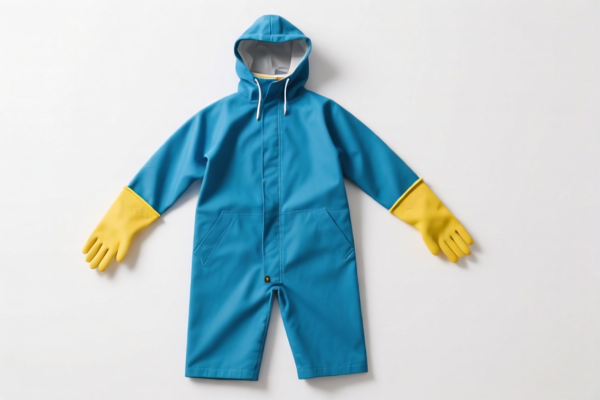

AI Analysis
🐾 Pet Clothing (Dog & Animal Apparel)
🌐 HS Code Reference & Clearance Guide | 2026 Tax Regime Full Analysis | Professional Entry Strategy
📌 1. Product Definition & Classification: Do You Truly Understand "Pet Clothing"?
Pet clothing, primarily dog coats, sweaters, suits, and pet uniforms, falls under a unique intersection in international trade. It is not classified as general human apparel but rather as articles for animals. The critical distinction lies in the material composition (knitted vs. woven) and the specific animal use, which drastically alters the HS Code and resulting tariff rates.
⚠️ Key Classification Logic:
- Animal-Specific: If designed/used for dogs, cats, or other pets → Chapter 42 (Leather goods/Articles of animal origin) or Chapter 95 (toys, but rarely for clothing).
- General Apparel Logic (Mistaken): If declared as "Human Clothing" but actually for pets → High Risk of Rejection & Penalties.
- Material Split:
- Woven (e.g., polyester/cotton blends for coats) → Often 4201 (Other articles of leather or other materials).
- Knitted/钩编 (e.g., sweaters) → Often 6114 (Other garments, knitted or crocheted).
- Note: The data provided indicates a mix of Chapter 61 (Knitted) and Chapter 42 (Animal specific) logic, suggesting specific interpretations for "Dog Clothes" as general textile goods vs. specific animal articles.
📦 2. HS Code Classification Details (2026 Authorized Tax Regime)
| HS Code | Product Description | Applicable Scenario | Material/Logic Basis |
|---|---|---|---|
6114.20.00.60 |
Other garments, knitted/crocheted (General Category) | Knitted pet sweaters, general dog wear; no material conflict. | Knitted/Crocheted |
6114.20.00.20 |
Other garments, knitted/crocheted | 推断 (Inferred) for knitwear; no conflict with jumpsuits/onesies for pets. | Knitted/Crocheted |
6114.20.00.55 |
Other garments, knitted/crocheted (Extension) | Extended category for pet apparel under "Other". | Knitted/Crocheted |
4201.00.30.00 |
Articles of animal clothing (e.g., Dog coats) | High Priority: Matches "Any material" with "Dog clothing" definition. | Leather/Other Materials |
6211.32.90.81 |
Woven garments, men's/boys' (Other category) | Cotton/Polyester woven pet suits; matches men's/boys' logic. | Woven (Cotton/Poly) |
6114.30.30.60 |
Other knitted/crocheted garments | Knitted apparel with "Other" logic; no material conflict. | Knitted/Crocheted |
🔍 Critical Reminder:
-4201.00.30.00is the most direct match for "Dog Clothing" specifically, as it targets articles for animals.
-6114.x.xcodes are often used for Knitted Pet Sweaters if the importer treats them as "Textile Garments" rather than "Animal Accessories".
-6211.32.90.81applies if the product is Woven (e.g., a cotton denim dog coat) and categorized under textile menswear logic by mistake or specific interpretation.
💰 3. 2026 Tax Rate Analysis (Detailed Breakdown)
✅ Applicable Country: USA
✅ Origin: China (CN)
✅ Effective Date: 2025/2026 (Current Regime)
✅ Structure: Base Tariff + Section 301 (Added) + Section 122 (Additional)
🎯 Group A: Knitted Pet Apparel (Codes 6114.20.00.20, 6114.20.00.55, 6114.20.00.60, 6114.30.30.60)
Common for Pet Sweaters, Knitted Coats, Onesies.
| HS Code | Base Tariff | Section 301 (Added) | Section 122 (Additional) | Total Tax Rate | Legal Basis Path |
|---|---|---|---|---|---|
6114.20.00.20 / 6114.20.00.55 / 6114.20.00.60 |
10.8% | 7.5% | 10.0% | 28.3% | HTSUS:6114.20 + 301:7.5% + 122:10% |
6114.30.30.60 |
14.9% | 7.5% | 10.0% | 32.4% | HTSUS:6114.30 + 301:7.5% + 122:10% |
📌 Explanation:
- Base Tariff: Varies by specific fiber content (e.g., synthetic vs. cotton).
- Section 301 (7.5%): Standard US-China added tariff for textiles.
- Section 122 (10%): Critical New Addition (likely related to specific trade remedies or additional duties on certain categories).
- Total: 28.3% to 32.4%. High impact on profit margins for knitted pet wear.
🎯 Group B: Animal-Specific/Leather-Style (Code 4201.00.30.00)
Specifically for "Dog Clothes" (Any material).
| HS Code | Base Tariff | Section 301 (Added) | Section 122 (Additional) | Total Tax Rate | Legal Basis Path |
|---|---|---|---|---|---|
4201.00.30.00 |
2.4% | 25.0% | 10.0% | 37.4% | HTSUS:4201 + 301:25% + 122:10% |
📌 Critical Warning:
- Although the Base Tariff (2.4%) is very low, the Section 301 Tariff jumps to 25.0% for "Articles of leather or other materials" (often interpreted broadly for non-knitted animal gear).
- Total: 37.4% – This is the highest tax rate in the dataset!
- Risk: Misclassifying woven dog coats as6211(25.6%) vs.4201(37.4%) can lead to massive overpayment or audit flags.
🎯 Group C: Woven Textile Pet Apparel (Code 6211.32.90.81)
Common for Cotton/Polyester Dog Coats treated as Woven Garments.
| HS Code | Base Tariff | Section 301 (Added) | Section 122 (Additional) | Total Tax Rate | Legal Basis Path |
|---|---|---|---|---|---|
6211.32.90.81 |
8.1% | 7.5% | 10.0% | 25.6% | HTSUS:6211 + 301:7.5% + 122:10% |
📌 Insight:
- This is the most cost-effective option for woven pet clothing IF it can be legally classified under "Other Men's/Boys' Garments" logic rather than "Animal Articles".
- Strategy: Try to classify as 6211 (25.6%) if the product is clearly textile/woven and not "leather-like", to avoid the 37.4% trap of4201.
🛠️ 4. Practical Clearance Advice (Avoid Pitfalls)
✅ 1. Preparation Checklist (Must-Haves)
| Document | Required | Why? |
|---|---|---|
| ✅ Product Photos (Real Life) | ✔️ | Show dog model wearing the item. Critical for 4201 vs. 6114 distinction. |
| ✅ Material Composition Tag | ✔️ | Must specify % Cotton, Polyester, etc. for 6114 vs 6211. |
| ✅ Product Labeling | ✔️ | Must read "Dog Coat", "Pet Sweater", etc. to avoid "Human Clothing" misclassification. |
| ✅ Size Chart | ✔️ | Differentiate between "Small Dog" vs. "Human Child". |
| ✅ Invoice Description | ✔️ | "Knitted Dog Sweater" (6114) vs. "Woven Dog Coat" (6211/4201). |
✅ 2. Strategic Classification Tips (The "Golden Rules")
🔥 Rule 1: Knitted = 6114 (28-32%)
If it's a knitted dog sweater, stick to 6114. Do not try4201unless you have a specific reason.🔥 Rule 2: Woven = 6211 (25.6%) > 4201 (37.4%)
For woven dog coats (e.g., denim, nylon, cotton), aim for 6211.32.90.81.
- Why?4201charges 37.4% due to the 25% Section 301.
- Why?6211only charges 25.6% (7.5% Section 301).
- Caveat: Only use6211if the product is clearly a textile garment and not a "leather-like" accessory.🔥 Rule 3: "Animal" vs. "Garment"
- If the product is exclusively for animals and made of non-textile materials (e.g., leather, faux fur), 4201 is safer but expensive. - If the product is textile (knit/woven) but for animals, 6114/6211 is often preferred for cost savings, provided the importer accepts the "Other Category" logic.
✅ 3. Special Scenarios
| Scenario | Recommended Code | Reason |
|---|---|---|
| Knitted Dog Sweater | 6114.20.00.x |
Matches "Knitted Garments" perfectly. Tax: 28.3%. |
| Woven Dog Raincoat | 6211.32.90.81 |
Better tax rate (25.6%) than 4201 (37.4%). Avoid 4201 if possible. |
| Leather/Faux-Fur Dog Coat | 4201.00.30.00 |
Specific "Animal Article". Higher tax (37.4%) but accurate classification. |
| Human Child's Clothes for Dogs? | ❌ Avoid | If labeled "Human Clothes" for dogs, Customs may flag. Label clearly as "Pet". |
🌍 5. Global Market Comparison (2026)
| Market | Recommended HS Code | Est. Tariff | Risk Level | Notes |
|---|---|---|---|---|
| 🇺🇸 USA | 6211.32.90.81 (Best) |
25.6% | Medium | Avoid 4201 (37.4%). |
| 🇨🇳 China | 6211 / 4201 |
~10-15% | Low | No Section 122. |
| 🇪🇺 EU | 6211 |
~12% | Low | No Section 122. |
| 🇯🇵 Japan | 6211 |
~10% | Low | No Section 122. |
📌 Conclusion: The US market is the only one with the "Section 122" (10%) and high Section 301 penalties. This makes accurate classification between
6211(25.6%) and4201(37.4%) critical for profitability.
📌 6. Common Mistakes & Pitfalls (Learn from Others)
❌ Mistake 1: Classifying Woven Dog Coats as 4201 (37.4%) when 6211 (25.6%) is applicable.
👉 Result: Overpaying 11.8% in tariffs.
✅ Fix: Check if the material is textile/woven. If yes, use 6211.
❌ Mistake 2: Classifying Knitted Dog Sweaters as 6211 (Woven).
👉 Result: Customs rejection (Material mismatch).
✅ Fix: Use 6114 for Knitted items.
❌ Mistake 3: Not specifying "Pet" on the Invoice.
👉 Result: Customs assumes "Human Clothing" (higher duty or different rules).
✅ Fix: Always write "Pet Dog Clothing" or "Dog Coat".
🎯 7. Final Verdict: Professional Strategy
🎯 Key Takeaway:
"For Pet Clothing: Knitted = 6114 (28.3%), Woven = 6211 (25.6%), Leather/Animal Specific = 4201 (37.4%)."
"Avoid 4201 for Woven Textiles! Save 11.8% by using 6211!"
📌 Pro Tip:
📞 Contact a Professional Broker to confirm if your specific woven dog coat qualifies for 6211.32.90.81 (Woven) vs. 4201.00.30.00 (Animal Article).
🚀 Apply for a Binding Ruling if you are shipping large volumes. This locks in the 25.6% rate and prevents future disputes.
✨ Smart Classification = Lower Taxes + Faster Clearance
💼 Don't let a 12% tariff difference eat your profits!
Customer Reviews
About HS Code Classification
The Harmonized System (HS) is an internationally standardized nomenclature developed by the World Customs Organization (WCO) to classify traded products. Over 200 countries use the HS system as the basis for customs tariffs, trade statistics, and import/export regulations.
Each HS code follows a hierarchical structure:
- Chapter (2 digits) — Broad category of goods (e.g., Chapter 84: Machinery and Mechanical Appliances)
- Heading (4 digits) — More specific grouping within the chapter
- Subheading (6 digits) — Internationally standardized breakdown, used by all WCO member countries
- National subdivisions (8-10 digits) — Country-specific extensions for further classification, such as US HTSUS 10-digit codes
Correct HS code classification is essential for smooth customs clearance, accurate duty payment, and compliance with trade regulations. Misclassification can lead to customs delays, overpayment of duties, or penalties.
When importing from CN to US, the applicable tariff rates may include:
- Most-Favored-Nation (MFN) rate — The standard duty rate applied to WTO members
- General rate — Applied to countries without trade agreements
- Trade remedy duties — Additional tariffs such as Section 301 (anti-dumping), Section 232 (national security), or countervailing duties
The information provided on this page is for reference purposes only. For official classification, please consult with your local customs authority or a licensed customs broker.