Pet Crate
CN → US| HS Code | Tariff Rate | Origin | Destination | Doc |
|---|---|---|---|---|
| 7326908688 | 87.9% | CN | US | Official Doc |
| 9403608010 | 10.0% | CN | US | Official Doc |
| 7326908677 | 62.9% | CN | US | Official Doc |
| 9403200017 | 85.0% | CN | US | Official Doc |
| 3926909940 | 22.8% | CN | US | Official Doc |
Product Images
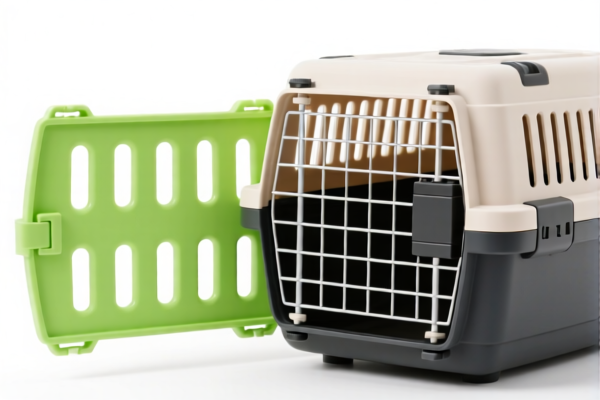


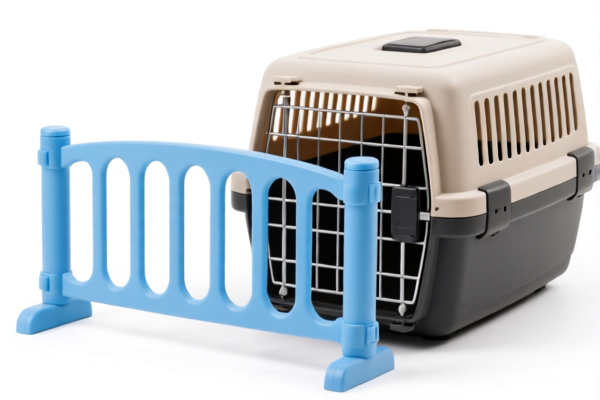
AI Analysis
🐾 Pet Crate (Pet Carrier/Cage) – HS Code Classification & Customs Clearance Guide (2026)
🌐 HS Code Reference & Customs Clearance Guide | 2026 Latest Tariff Analysis | Professional Clearance Strategy
📌 1. Product Definition & Classification: Do You Really Understand "Pet Crates"?
A Pet Crate (also known as a pet carrier, dog cage, or travel kennel) is a containment unit designed for the safe transport and temporary housing of pets. In international trade, its classification depends heavily on material composition and design function.
The provided data indicates that Pet Crates are primarily classified under two main categories: 1. Furniture (Chapter 94): If made of wood, metal (specifically for gaming/enclosure purposes), rattan, or bamboo. 2. Other Articles of Iron/Steel or Plastic (Chapter 73/39): If made of wire mesh, steel frames, or plastic, and not specifically classified as furniture.
⚠️ Key Distinction Point: * Furniture Classification (9403): Applies to wooden, metal (specifically "game pens" or general furniture), rattan, or bamboo crates. These are often viewed as "enclosures" or "furniture." * Industrial/General Goods Classification (7326/3926): Applies to steel wire crates or plastic carriers that are considered "other articles" rather than furniture. * Material is King: The tariff rate varies drastically (from 10% to 87.9%) based on whether the item is considered "furniture" or "general metal/plastic goods."
📦 2. HS Code Classification Details (Based on Provided Data)
| HS Code | Product Description | Material | Key Characteristics | Total Tax Rate |
|---|---|---|---|---|
7326.90.86.88 |
Other articles of iron or steel (Crate) | Iron/Steel | Metal wire/cage structure; considered "other articles." | 87.9% |
9403.60.80.10 |
Other furniture | Wood or Metal | Classified as furniture (e.g., wooden crates or specific metal furniture-style cages). | 10.0% |
7326.90.86.77 |
Other articles of iron or steel (Crate) | Iron/Steel | "Catch-all" for steel crates; different sub-category than above. | 62.9% |
9403.20.00.17 |
Other furniture (Game Pen/Fence) | Metal | Specifically identified as a "game pen" or enclosure for limiting activity space. | 85.0% |
3926.90.99.40 |
Other plastic articles | Plastic | Plastic pet carriers or hard-shell crates. | 22.8% |
9403.89.60.20 |
Other furniture | Rattan/Wood/Bamboo | Made from natural fibers like rattan, willow, or bamboo. | 35.0% |
🔍 Critical Insight: * Cheapest Option:
9403.60.80.10(Wood/Metal Furniture) at 10.0% total tax. * Most Expensive Option:7326.90.86.88(Steel Other Articles) at 87.9% total tax. * Plastic Middle Ground:3926.90.99.40at 22.8%. * Why the huge difference? US Trade Policy (Section 301/122) imposes heavy surcharges on steel/aluminum and certain plastics, while "furniture" classifications may have different tariff treatment depending on the specific material and origin.
💰 3. Detailed Tariff Breakdown (2026 Latest Rates)
✅ Applicable Country: USA (US)
✅ Origin: China (CN)
✅ Effective Date: Current 2026 Tariff Regime
🎯 1. 7326.90.86.88 – Steel Wire Crate (Other Articles)
- Base Duty: 2.9%
- Section 301 Duty: 25.0%
- Section 122 Duty (Steel/Aluminum): 50.0%
- Total Rate: 87.9%
- Legal Basis: Heavy surcharges on steel products under Section 122 and 301.
- Risk: EXTREME. This is the highest tax bracket. Avoid if possible.
🎯 2. 9403.60.80.10 – Wooden/Metal Furniture (Crate)
- Base Duty: 0.0%
- Section 301 Duty: 0.0%
- Section 122 Duty: Not applicable (or excluded as furniture/non-steel-specific).
- Total Rate: 10.0%
- Legal Basis: Classified as "Other Furniture." Often benefits from lower or zero additional tariffs if structured correctly as furniture.
- Opportunity: LOWEST COST. Best for wooden crates or metal crates explicitly marketed as "furniture."
🎯 3. 7326.90.86.77 – Steel Crate (Catch-all)
- Base Duty: 2.9%
- Section 301 Duty: 0.0%
- Section 122 Duty (Steel/Aluminum): 50.0%
- Total Rate: 62.9%
- Legal Basis: Steel product subject to Section 122.
- Risk: HIGH. Still very expensive due to the 50% steel surcharge.
🎯 4. 9403.20.00.17 – Metal Game Pen/Enclosure
- Base Duty: 0.0%
- Section 301 Duty: 25.0%
- Section 122 Duty (Steel/Aluminum): 50.0% (Note: Data says "122 Clause 10% Steel... 50%". The total tax is 85%, implying the 50% is applied).
- Total Rate: 85.0%
- Legal Basis: Metal enclosure classified as furniture but still subject to steel surcharges.
- Risk: VERY HIGH. Even though it's "furniture," the steel content triggers Section 122.
🎯 5. 3926.90.99.40 – Plastic Pet Crate
- Base Duty: 5.3%
- Section 301 Duty: 7.5%
- Section 122 Duty: Not applicable (Plastic).
- Total Rate: 22.8%
- Legal Basis: Plastic articles. Lower surcharges compared to steel.
- Recommendation: GOOD OPTION. Much cheaper than steel.
🎯 6. 9403.89.60.20 – Rattan/Bamboo Crate
- Base Duty: 0.0%
- Section 301 Duty: 25.0%
- Section 122 Duty: Not applicable.
- Total Rate: 35.0%
- Legal Basis: Furniture made from natural materials. Subject to 25% Section 301.
- Recommendation: MODERATE COST. Good if you want a "natural" look.
🛠️ 4. Customs Clearance Practical Advice
✅ 1. Documentation Checklist
| Document | Required | Notes |
|---|---|---|
| Product Spec Sheet | ✔️ | Must detail material (e.g., "100% Wrought Iron Wire" vs. "Hardwood"). |
| Material Composition | ✔️ | Crucial for determining HS Code. A "metal" crate could be 7326 or 9403. |
| Product Photos | ✔️ | Clear images showing doors, locks, and overall shape. |
| Commercial Invoice | ✔️ | Must accurately describe the item (e.g., "Wooden Pet Crate" vs. "Steel Dog Cage"). |
| Country of Origin Cert. | ✔️ | To verify Chinese origin for tariff calculations. |
| FCC/CAPIR (if electronic) | ✔️ | Only if the crate has electronic features (feeders, cameras). Standard crates do not need this. |
✅ 2. Classification Strategy (Key Takeaways)
🔥 “Material Defines Duty”
| Scenario | Recommended HS Code | Tax Rate | Strategy |
|---|---|---|---|
| Wooden Crate | 9403.60.80.10 |
10.0% | BEST. Market as "Furniture" to leverage low duty. |
| Plastic Crate | 3926.90.99.40 |
22.8% | GOOD. Low surcharges. Easy to classify. |
| Bamboo/Rattan Crate | 9403.89.60.20 |
35.0% | MODERATE. Ensure it's clearly natural material. |
| Steel Wire Crate | 7326.90.86.88 |
87.9% | AVOID. Extremely high duty due to Section 122. |
| Metal "Game Pen" Style | 9403.20.00.17 |
85.0% | AVOID. Still triggers steel surcharges. |
✅ 3. Pro Tips for Clearance
-
Material Description is Critical:
- Do NOT just write "Pet Crate."
- Write: "Wooden Pet Crate, for dog containment, with metal latch" (for
9403.60.80.10). - Write: "Plastic Pet Carrier, hard shell" (for
3926.90.99.40). - Avoid "Steel Cage" if you can market it as "Metal Furniture" unless the structure is fundamentally different.
-
Section 122 Trap:
- The 50% Section 122 tariff on steel and aluminum is the biggest cost driver. Any product with significant steel content that is not classified as a specific exempt item will face this.
- Workaround: Use wood, plastic, or bamboo alternatives if cost is a concern.
-
Pre-Decision Ruling:
- For large shipments, apply for a US Customs and Border Protection (CBP) Advance Ruling. This provides legal certainty on the HS Code and prevents post-clearance audits and penalties.
-
De Minimis Check:
- For small shipments (<$800), Section 321 may apply, but Section 122 tariffs may still apply depending on current regulations. Always verify the latest de minimis rules for steel/aluminum products.
🌍 5. Global Market Comparison (2026)
| Market | Best HS Code (Lowest Tax) | Est. Total Tax | Notes |
|---|---|---|---|
| 🇺🇸 USA | 9403.60.80.10 (Wood/Metal Furniture) |
10.0% | Avoid steel crates (7326) due to 87.9% tax. |
| 🇨🇳 China | Varies | Low | Domestic production taxes differ. |
| 🇪🇺 EU | Varies | 0-6% | No Section 301/122 equivalents. Standard MFN rates apply. |
| 🇬🇧 UK | Varies | 0-6% | Post-Brexit rules. Generally lower than US for steel. |
📌 Conclusion for USA Market: * Prioritize Wood or Plastic pet crates. * Avoid Steel Wire Crates unless absolutely necessary, as the 87.9% tax will erase most profit margins. * Marketing Angle: Position wooden/metal furniture-style crates as "Home Decor" or "Pet Furniture" to align with
9403classifications.
📌 6. Common Mistakes & Pitfalls
❌ Mistake 1: Declaring a Steel Crate as "Plastic Crate" 👉 Consequence: Customs inspection reveals metal components → Fraud allegations, seizure, fines.
❌ Mistake 2: Ignoring Section 122 for Steel Products 👉 Consequence: Underpayment of 50% steel surcharge → Back taxes + Interest + Penalties.
❌ Mistake 3: Using Generic "Crate" Description 👉 Consequence: Customs assigns a higher default HS Code → Higher Duty Rate.
✅ Best Practice:
"Wooden Pet Crate, Furniture Grade, with Metal Locks, Model XYZ" OR "Plastic Pet Carrier, EVA Material, Hard Shell, Model ABC"
🎯 7. Final Advice: Optimize for Profit
🎯 Key Takeaway:
🔹 Wood/Plastic = Low Tax (10-22.8%)
🔹 Steel = High Tax (62.9-87.9%)
🔹 Strategy: Shift supply chain to wood or plastic if US market is primary target.
📌 Action Item: 1. Audit Product Materials: Identify all steel components. 2. Reclassify: If possible, redesign or source wood/plastic alternatives. 3. Document: Ensure invoices and specs match the low-tax HS Code. 4. Consult: Engage a customs broker for a pre-shipment ruling.
✨ Smart Classification, Lower Costs, Higher Profits!
💼 Don't let steel tariffs cage your business growth!
Customer Reviews
About HS Code Classification
The Harmonized System (HS) is an internationally standardized nomenclature developed by the World Customs Organization (WCO) to classify traded products. Over 200 countries use the HS system as the basis for customs tariffs, trade statistics, and import/export regulations.
Each HS code follows a hierarchical structure:
- Chapter (2 digits) — Broad category of goods (e.g., Chapter 84: Machinery and Mechanical Appliances)
- Heading (4 digits) — More specific grouping within the chapter
- Subheading (6 digits) — Internationally standardized breakdown, used by all WCO member countries
- National subdivisions (8-10 digits) — Country-specific extensions for further classification, such as US HTSUS 10-digit codes
Correct HS code classification is essential for smooth customs clearance, accurate duty payment, and compliance with trade regulations. Misclassification can lead to customs delays, overpayment of duties, or penalties.
When importing from CN to US, the applicable tariff rates may include:
- Most-Favored-Nation (MFN) rate — The standard duty rate applied to WTO members
- General rate — Applied to countries without trade agreements
- Trade remedy duties — Additional tariffs such as Section 301 (anti-dumping), Section 232 (national security), or countervailing duties
The information provided on this page is for reference purposes only. For official classification, please consult with your local customs authority or a licensed customs broker.