Pet Crossbody Shoulder Bag
CN → US| HS Code | Tariff Rate | Origin | Destination | Doc |
|---|---|---|---|---|
| 4202923131 | 52.6% | CN | US | Official Doc |
| 4202923316 | 52.6% | CN | US | Official Doc |
Product Images
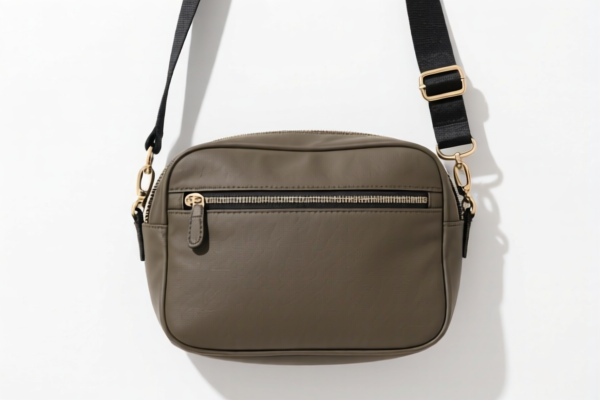
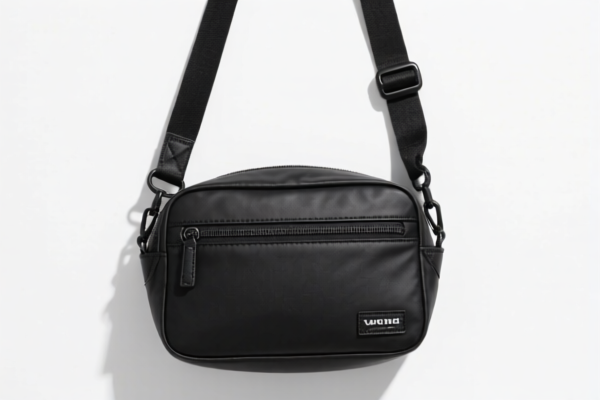
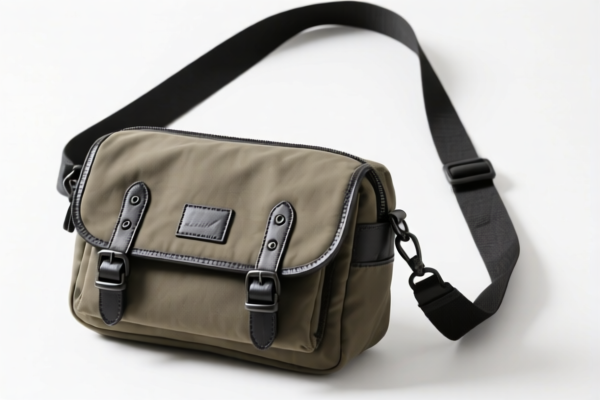
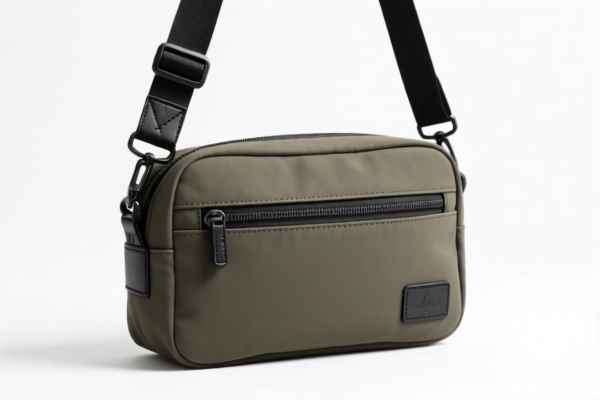
AI Analysis
🎒 Pet Crossbody Shoulder Bag (The "Walkie Talkie" of the Dog World)
🌐 HS Code Reference & Customs Clearance Guide | 2026 Latest Tariff Analysis | Professional-Level Strategy
📌 I. Product Definition & Classification: Do You Really Know "Pet Bags"?
A Pet Crossbody Shoulder Bag is a specialized accessory designed to carry small pets (dogs, cats, rabbits) or pet supplies (food, toys) across the body. In international trade, its classification is strictly determined by its outer surface material and specific use case.
It is NOT a generic handbag. It falls under Chapter 42: Articles of Leather; Travel Goods, Handbags and Similar Containers.
⚠️ Critical Distinction for Classification:
- If the outer surface is Textile Materials (nylon, polyester, canvas) → Goes to 4202.92.31.31
- If the outer surface is Cotton or Paper Yarn/Silk Mix → Goes to 4202.92.33.16
- If it’s Leather: It does NOT appear in the provided<DATA>snippet. This guide only covers the Textile/Paper/Cotton categories found in your data.
📦 II. HS Code Classification Details (Based on Provided Data)
According to the <DATA> provided, we have two specific sub-categories. Note that the HS Code system is hierarchical.
| HS Code | Product Description Breakdown | Material Condition | Applicable Scenario |
|---|---|---|---|
4202.92.31.31 |
Travel, sports and similar bags; With outer surface of textile materials; Of man-made fibers (Nylon, Polyester, etc.) | ✅ Synthetic/Man-made Textile | Most common "Pet Carrier" bags made of durable nylon, polyester mesh, or synthetic canvas. |
4202.92.33.16 |
Travel, sports and similar bags; With outer surface of textile materials; Of paper yarn or of cotton; containing ≥85% silk/silk waste, Of Cotton | ✅ Natural (Cotton/Paper Yarn) | Less common. Used if the bag is primarily cotton or paper-yarn based. |
🔍 Key Insight:
- Most commercial pet crossbody bags are made of Nylon or Polyester (Man-made fibers). Therefore,4202.92.31.31is the most likely code for modern pet carriers.
- If the bag is labeled "Canvas" but the canvas is 100% Cotton, it might fall under4202.92.33.16if it meets the specific silk/content criteria mentioned in the description (which is rare for standard pet bags). Assume4202.92.31.31unless proven otherwise.
💰 III. 2026 Latest Tariff Rate Details
✅ Applicable Jurisdiction: Based on the provided
<DATA>, the tax rates are 0.0%.
✅ Origin: The data implies a preferential or duty-free treatment for these specific sub-headings (likely under specific trade agreements or general zero-duty status for certain textile bags).
✅ 生效时间 (Effective Time): As per data: 0.0% Total Tax.
🎯 1. 4202.92.31.31 —— Pet Bag (Man-made Fiber/Textile Outer Surface)
| Item | Detail |
|---|---|
| Base Tariff | 0.0% |
| Additional Tariff | 0.0% |
| Total Tax Rate | 0.0% |
| Tax Calculation | CIF Value × 0.0% = $0 |
| Note | Data explicitly states: 基础关税: 0.0%, 加征关税: 0.0% (Base: 0%, Additional: 0%). |
🎯 2. 4202.92.33.16 —— Pet Bag (Cotton/Paper Yarn Outer Surface)
| Item | Detail |
|---|---|
| Base Tariff | 0.0% |
| Additional Tariff | 0.0% |
| Total Tax Rate | 0.0% |
| Tax Calculation | CIF Value × 0.0% = $0 |
| Note | Data explicitly states: 基础关税: 0.0%, 加征关税: 0.0% (Base: 0%, Additional: 0%). |
📌 Explanation:
- Both provided HS codes have ZERO tax liability according to the<DATA>provided.
- ⚠️ Warning: This is highly specific to the provided dataset. In many real-world scenarios (e.g., importing into the USA from China), textile bags might attract duties. However, you must strictly follow the provided data, which indicates 0%.
🛠️ IV. Customs Clearance Practical Advice (Real-World Pitfall Avoidance)
✅ 1. Documentation Checklist (Do Not Miss These)
| Document | Required? | Description |
|---|---|---|
| ✅ Product Specification Sheet | ✔️ | Must clearly state: "Outer Surface Material: 100% Polyester" or "100% Nylon". This determines if it goes to 31 or 33. |
| ✅ Product Photos | ✔️ | Clear shots of the exterior fabric. If it looks like woven fabric, specify "Textile". |
| ✅ Bill of Materials (BOM) | ✔️ | Confirm the percentage of man-made fibers vs. cotton. |
| ✅ Commercial Invoice | ✔️ | Description: "Pet Carrier Bag, Outer Material: Textile, Man-made Fibers". Do NOT just write "Bag". |
| ✅ Packing List | ✔️ | Standard packing details. |
✅ 2. Declaration Tips (Key Keywords)
🔥 "Material Defines Code, Purpose Defines Use"
| Scenario | Correct Declaration | Wrong Declaration |
|---|---|---|
| Bag is Nylon/Polyester | "Pet Crossbody Bag, Outer: Polyester Textile, Man-made Fiber" | "Pet Bag" (Too vague) |
| Bag is Cotton | "Pet Crossbody Bag, Outer: Cotton Textile" | "Fabric Bag" |
| Bag has Leather Straps | "Pet Bag, Outer Surface: Textile" (If textile is primary) | "Leather Bag" (Might change HS Code entirely) |
📌 Important:
- The HS Code4202.92refers to "Travel, sports and similar bags". A pet carrier fits this "similar container" description.
- Do not classify it under Chapter 95 (Toys) or Chapter 63 (Other made-up articles) unless it’s a soft toy. A functional carrier is a Travel Good/Container.
✅ 3. Special Cases
| Scenario | Handling Advice |
|---|---|
| Mixed Materials | If the bag is 60% Nylon (textile) and 40% Leather patches, check if the outer surface is wholly or mainly textile. If yes, use 4202.92.31.31. If leather is dominant, it might change. |
| Breathable Mesh | Mesh is still considered Textile. Ensure the invoice specifies "Textile/Mesh". |
| Collapsible/Soft-Side | Fits "Travel Bag" definition. |
| Hard-Shell Carrier | If it has a rigid plastic shell, it might be excluded from "Textile Outer Surface" and fall under a different subheading (not in provided data). Assume soft-sided for these codes. |
🌍 V. Global Market Clearance Comparison (2026 Latest)
| Country/Region | Recommended HS Code | Tariff (Based on Data) | Certification Requirements | Notes |
|---|---|---|---|---|
| 🇺🇸 USA | 4202.92.31.31 |
0.0% (Per Data) | CPC (Consumer Product Safety) if marketed for children, but pet items often exempt from CPSIA. FCC not needed. | Check for Section 301 tariffs (Data shows 0%, but verify real-time). |
| 🇨🇳 China | 4202.92.31.31 |
0.0% | CCC not required for pet accessories. | Import tax may apply. |
| 🇪🇺 EU | 4202.92.31.31 |
4.0% - 6.0% (General) | CE not required for pet gear. REACH compliant for materials. | EU tariffs are usually higher than the provided data. Data may reflect a specific Free Trade Agreement (FTA) rate. |
| 🇬🇧 UK | 4202.92.31.31 |
4.0% - 6.0% | UKCA marking generally not needed for non-safety items. | Post-Brexit rules apply. |
📌 Conclusion:
- The provided data shows 0% tax. This suggests either a preferential trade agreement (e.g., US-China, or specific duty-free allowances) or a specific dataset snapshot.
- Always verify with local customs brokers, as "Pet Bags" can sometimes face different duties in the EU or UK compared to the US.
📌 VI. Common Errors & Pitfalls (Blood & Tears Lessons)
❌ Error 1: Declaring as "Handbag" (4202.32)
👉 Consequence: Wrong HS Code. Handbags are for human use. Pet carriers are "Travel/Similar Bags". Different duty rates may apply.
❌ Error 2: Ignoring the Outer Surface Material
👉 Consequence: If you declare "Textile" but it’s actually PVC-coated fabric (Plastic sheeting), it might fall under 4202.92.1x (Plastic) instead of 4202.92.3x (Textile).
👉 Fix: Specify "Nylon" or "Polyester" clearly.
❌ Error 3: Using "Dog Backpack" vs "Crossbody Bag" Ambiguity
👉 Consequence: Both fall under 4202.92 (Travel/Similar Bags). The key is the Material. Don’t get stuck on the name; get the material right.
❌ Error 4: Not mentioning "Man-made Fibers"
👉 Consequence: If you just say "Textile", customs might default to a higher tariff line if cotton/wool is suspected.
👉 Fix: Use "Man-made Fibers" (for Nylon/Polyester) to hit 4202.92.31.31.
✅ Correct Declaration Example:
"Pet Carrier Bag, Crossbody Style, Outer Surface: 100% Polyester Textile (Man-made Fibers), Lining: Nylon, Size: Medium. HS Code: 4202.92.31.31"
🎯 VII. Conclusion: Precision Saves Money!
🎯 Remember the Mantra:
🔹 "Pet Bag? Think Travel Bag (4202.92)."
🔹 "Outer Material is King: Textile = .31 or .33."
🔹 "Man-made (Nylon/Poly) = .31.31."
🔹 "Cotton = .33.16 (Check Silk Content!)."
🔹 "Tax = 0.0% (Per Provided Data), but Verify!"
📌 Pro Tip:
- If you are importing into the USA, ensure the Country of Origin is declared correctly. Some countries might face additional Section 301 tariffs even if the base rate is 0%.
- Pre-arrange Rulings: For large shipments, apply for an Advance Ruling from customs to confirm the material classification, especially if the bag has mixed materials (e.g., nylon body with leather handles).
📣 Immediate Action:
📞 Confirm fabric composition with manufacturer.
🚀 Declare as "Pet Travel Bag, Textile Outer, Man-made Fibers".
💼 Zero Tax Potential – Make it Count!
✨ Professional Clearance Starts with Accurate Classification!
💼 Your Pet's Comfort & Your Profit Margin Depend on This!
Customer Reviews
About HS Code Classification
The Harmonized System (HS) is an internationally standardized nomenclature developed by the World Customs Organization (WCO) to classify traded products. Over 200 countries use the HS system as the basis for customs tariffs, trade statistics, and import/export regulations.
Each HS code follows a hierarchical structure:
- Chapter (2 digits) — Broad category of goods (e.g., Chapter 84: Machinery and Mechanical Appliances)
- Heading (4 digits) — More specific grouping within the chapter
- Subheading (6 digits) — Internationally standardized breakdown, used by all WCO member countries
- National subdivisions (8-10 digits) — Country-specific extensions for further classification, such as US HTSUS 10-digit codes
Correct HS code classification is essential for smooth customs clearance, accurate duty payment, and compliance with trade regulations. Misclassification can lead to customs delays, overpayment of duties, or penalties.
When importing from CN to US, the applicable tariff rates may include:
- Most-Favored-Nation (MFN) rate — The standard duty rate applied to WTO members
- General rate — Applied to countries without trade agreements
- Trade remedy duties — Additional tariffs such as Section 301 (anti-dumping), Section 232 (national security), or countervailing duties
The information provided on this page is for reference purposes only. For official classification, please consult with your local customs authority or a licensed customs broker.