Pet Door Cat Door
CN → US| HS Code | Tariff Rate | Origin | Destination | Doc |
|---|---|---|---|---|
| 8301406030 | 23.2% | CN | US | Official Doc |
| 3926909989 | 22.8% | CN | US | Official Doc |
| 7616995175 | 37.5% | CN | US | Official Doc |
| 3926305000 | 22.8% | CN | US | Official Doc |
| 9403608093 | 35.0% | CN | US | Official Doc |
Product Images
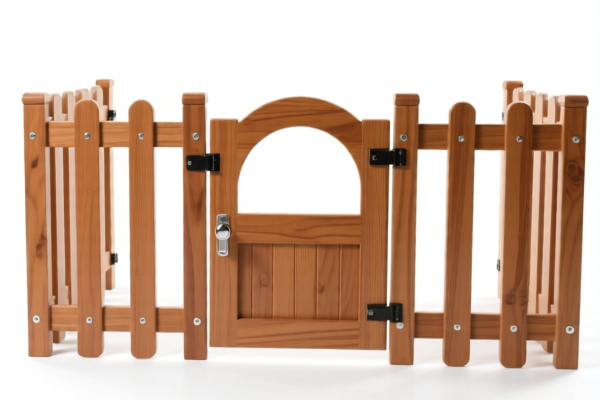
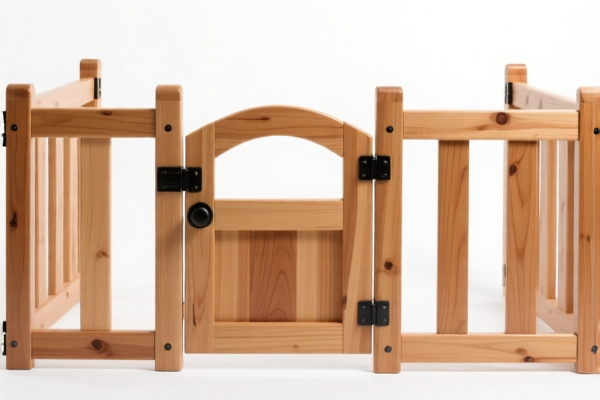
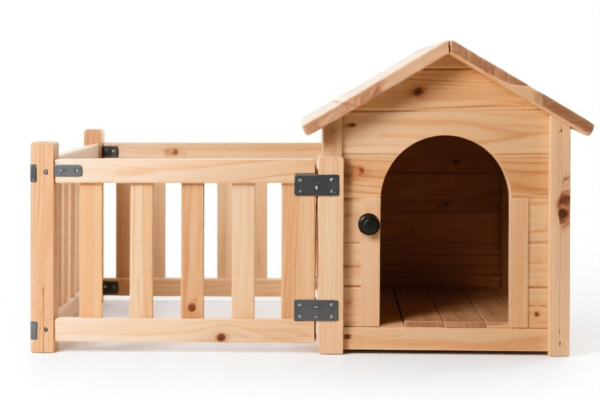
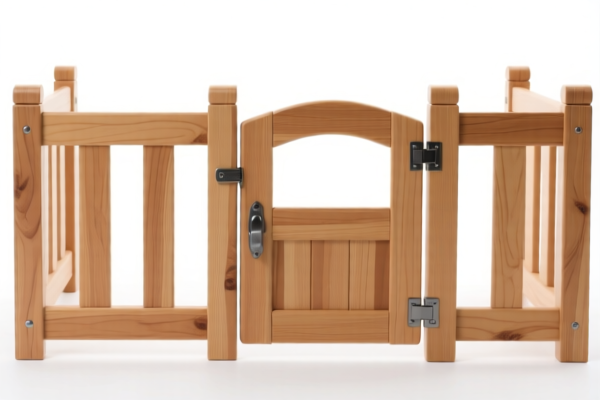
AI Analysis
🐱 Pet Door / Cat Door Classification & Clearance Guide (2026 Update)
🌐 HS Code Reference & Customs Clearance Guide | Latest Tariff Analysis | Professional通关 Strategy
📌 I. Product Definition: What is a "Cat Door"?
A "Cat Door" (or Pet Door) is an accessory designed to allow pets to pass through doors, walls, or fences independently. In international trade, classification depends heavily on the material, mounting method, and function. Since the product name lacks specific material details, multiple HS codes are applied based on logical deduction ("Fallback Categories").
⚠️ Critical Distinction:
- Is it a locking mechanism (hardware) → Likely HS 8301
- Is it a finished consumer good (material-agnostic) → Likely HS 3926
- Is it made of Aluminum/Metal → Likely HS 7616 or HS 8301
- Is it made of Plastic → Likely HS 3926
- Is it made of Wood (as a complete furniture item) → Likely HS 9403
📦 II. HS Code Classification Details (2026 Latest Tariff Alignment)
Based on the provided data, here are the five possible classifications with their tax implications and logic.
| HS Code | Product Description | Material/Logic Basis | Total Tax Rate | Tax Detail Breakdown |
|---|---|---|---|---|
| 8301.40.60.30 | Other Locks (Fallback for Door Accessories) | Treated as a door accessory/locking mechanism. No material conflict; fits the "other locks" or parts category. | 23.2% | Base: 5.7% + Section 301: 7.5% + Section 122: 10% |
| 3926.90.99.89 | Other Articles of Plastics (Fallback) | Finished consumer good. Lacks explicit material info; inferred as plastic/metal/wood. "Other" category applies. | 22.8% | Base: 5.3% + Section 301: 7.5% + Section 122: 10% |
| 7616.99.51.75 | Other Aluminum Articles | Inferred material: Aluminum or metal alloy. Falls under "Other aluminum articles" with no form conflict. | 37.5% | Base: 2.5% + Section 301: 25.0% + Section 122: 10% |
| 3926.30.50.00 | Plastic Fittings/Accessories | Inferred material: Plastic or composite. Fits plastic application forms; no name conflict. | 22.8% | Base: 5.3% + Section 301: 7.5% + Section 122: 10% |
| 9403.60.80.93 | Other Wooden Furniture | Explicitly includes "Wooden" material. "Pet door with wooden frame" is treated as unlisted wooden furniture. | 35.0% | Base: 0.0% + Section 301: 25.0% + Section 122: 10% |
🔍 Key Insight:
- Plastic-based options (3926 series) offer the lowest tax rate (22.8%).
- Aluminum-based options (7616 series) carry the highest risk/rate (37.5%) due to high Section 301 duties.
- Wooden options (9403) have 0% base duty but still suffer from Section 301 (25%).
💰 III. Detailed Tax Rate Analysis (Including Additional Duties)
✅ Applicable Region: United States (US)
✅ Origin: China (CN)
✅ Effective Time: Post-November 2025 (Includes Section 122 & 301 measures)
🎯 1. 3926.90.99.89 & 3926.30.50.00 —— Plastic-Based Cat Doors (Lowest Risk)
| Item | Content |
|---|---|
| Base Tariff | 5.3% (Ad Valorem) |
| Section 301 (China) | +7.5% |
| Section 122 | +10% |
| Total Rate | 22.8% |
| Tax Calculation | CIF Value × 22.8% |
| De Minimis Eligibility | ❌ No (Denied under current USITC rules for Chinese goods) |
| Legal Path | IEEPA:9903.01.24 → USITC:3926 → FOOTNOTE:9903.88.01 |
📌 Explanation:
- Plastic products are generally less scrutinized than metals or electronics.
- The 7.5% Section 301 duty applies to most plastic articles from China.
- Cost Advantage: This is the most economical classification if the product is primarily plastic.
🎯 2. 8301.40.60.30 —— Door Accessories/Locks
| Item | Content |
|---|---|
| Base Tariff | 5.7% |
| Section 301 (China) | +7.5% |
| Section 122 | +10% |
| Total Rate | 23.2% |
| Tax Calculation | CIF Value × 23.2% |
| De Minimis Eligibility | ❌ No |
| Legal Path | IEEPA:9903.01.25 → USITC:8301 |
📌 Explanation:
- If the cat door is viewed as a "locking device" or "door fitting," it falls under Chapter 83.
- Slightly higher base duty (5.7% vs 5.3%) but otherwise similar to plastic classifications.
🎯 3. 9403.60.80.93 —— Wooden Cat Doors
| Item | Content |
|---|---|
| Base Tariff | 0.0% |
| Section 301 (China) | +25.0% |
| Section 122 | +10% |
| Total Rate | 35.0% |
| Tax Calculation | CIF Value × 35.0% |
| De Minimis Eligibility | ❌ No |
| Legal Path | IEEPA:9901.25 → USITC:9403 |
📌 Warning:
- Although the base duty is 0%, the Section 301 duty is 25% (much higher than the 7.5% for plastics).
- Result: Total tax (35%) is higher than plastic classifications (22.8%).
- Only use this if the product is explicitly marketed as "Wooden Furniture" or has significant wooden components that cannot be classified elsewhere.
🎯 4. 7616.99.51.75 —— Aluminum/Metal Cat Doors
| Item | Content |
|---|---|
| Base Tariff | 2.5% |
| Section 301 (China) | +25.0% |
| Section 122 | +10% |
| Total Rate | 37.5% |
| Tax Calculation | CIF Value × 37.5% |
| De Minimis Eligibility | ❌ No |
| Legal Path | IEEPA:9903.01.25 → USITC:7616 |
📌 Warning:
- Aluminum products face the highest Section 301 duty (25%).
- Cost Disadvantage: This is the most expensive classification (37.5%). Avoid unless the product is exclusively aluminum and no plastic classification is possible.
🛠️ IV. Customs Clearance Practical Advice (Real-World Pitfall Guide)
✅ 1. Material Declaration is Key
| Material | Recommended HS Code | Tax Rate | Why? |
|---|---|---|---|
| Plastic/Composite | 3926.90.99.89 or 3926.30.50.00 |
22.8% | Lowest total tax; broad "other plastics" category. |
| Wooden Frame | 9403.60.80.93 |
35.0% | Higher Section 301 duty; only use if predominantly wood. |
| Aluminum/Metal | 7616.99.51.75 |
37.5% | Highest Section 301 duty; avoid if possible. |
| Hardware/Lock Type | 8301.40.60.30 |
23.2% | Middle ground; good if structured as a door fitting. |
📌 Tip: If your product is a mix (e.g., plastic frame with metal flap), declare the principal material. For most modern pet doors, plastic is the principal material, making 3926 the safest and cheapest option.
✅ 2. Naming & Description Best Practices
🔥 “Declare Material, Not Just ‘Cat Door’!”
| Scenario | Correct Declaration | Incorrect Declaration |
|---|---|---|
| Plastic Pet Door | "Plastic Cat Door, Entryway Accessory, Model XYZ" | "Pet Door" (Too vague, may trigger manual inspection) |
| Wooden Pet Door | "Wooden Cat Door, Furniture Grade, Model XYZ" | "Cat Door" (May be misclassified as plastic or hardware) |
| Metal/Aluminum | "Aluminum Alloy Cat Door, Exterior Grade" | "Metal Pet Door" (Risk of 37.5% tax) |
⚠️ Warning: Do not use generic terms like "Pet Door" without specifying material. Customs may assign the highest applicable duty if the material is ambiguous.
✅ 3. Documentation Requirements
| Document | Required? | Notes |
|---|---|---|
| ✅ Product Photo | ✔️ | Clear view of material (plastic grain, wood grain, metal finish) |
| ✅ Specification Sheet | ✔️ | List materials (e.g., "Frame: ABS Plastic; Flap: Silicone Rubber") |
| ✅ Commercial Invoice | ✔️ | Clearly state "Pet Door" and material composition |
| ✅ HS Code Justification | ✔️ | Briefly explain why a specific HS code is chosen (e.g., "Primary material is plastic, thus 3926") |
| ❌ Misleading Label | ❌ | Do not label as "Furniture" if it’s plastic, or "Hardware" if it’s a consumer good |
🌍 V. Global Market Comparison (2026)
| Country/Region | Recommended HS Code | Tax Rate (China Origin) | Key Requirements |
|---|---|---|---|
| 🇺🇸 USA | 3926.90.99.89 |
22.8% | Section 301 (7.5%) + Section 122 (10%) |
| 🇪🇺 EU | 3926.90.99 |
~4-5% | CE Mark, REACH Compliance |
| 🇨🇳 China | 3926.90.99 |
0-5% | CCC Certification (if applicable) |
| 🇬🇧 UK | 3926.90.99 |
~5-7% | UKCA Mark |
| 🇦🇺 Australia | 3926.90.99 |
5% | RCM Certification |
📌 Conclusion:
- USA is the most expensive market due to Section 301 and 122 tariffs.
- Plastic classification (3926) is the most cost-effective for US exports.
- Avoid Aluminum (7616) for US exports due to 25% Section 301 duty.
📌 VI. Common Mistakes & Pitfalls (Blood-Teachings)
❌ Mistake 1: Declaring a plastic pet door as "Furniture" (9403)
👉 Consequence: Tax increases from 22.8% to 35.0% due to higher Section 301.
❌ Mistake 2: Declaring a metal pet door as "Plastic" (3926)
👉 Consequence: Customs Seizure for false declaration; heavy fines and retroactive taxes.
❌ Mistake 3: Omitting material details in the invoice
👉 Consequence: Customs may assign duty under the highest applicable code (e.g., 37.5%) as a penalty.
❌ Mistake 4: Using "Cat Door" as the only description
👉 Consequence: Delayed clearance; customs may request additional documentation, causing shipment delays.
✅ Best Practice:
"Plastic Cat Door, Entryway Accessory, ABS Plastic Frame, Silicone Flap, Model XYZ"
🎯 VII. Conclusion: Smart Classification Saves Money
🎯 Remember This:
🔹 "Plastic is King: 22.8% Tax"
🔹 "Wood is Middle: 35.0% Tax"
🔹 "Metal is Expensive: 37.5% Tax"
🔹 "Declare Material Clearly, Avoid Penalties!"
📌 Pro Tip:
If your product is made of mixed materials, choose the principal material for classification. For most consumer pet doors, plastic is dominant.
Consider applying for a Binding Ruling from US Customs if you have large volumes, to lock in the 22.8% rate for plastic products.
📣 Immediate Action:
📞 Contact your customs broker
📸 Provide clear photos of the product material
📄 File accurate HS Code declarations
🚀 Clear Customs Smoothly, Maximize Profit!
✨ Professional Customs Clearance Starts with Accurate Classification!
💼 Every Percentage Point of Tax Matters!
Customer Reviews
About HS Code Classification
The Harmonized System (HS) is an internationally standardized nomenclature developed by the World Customs Organization (WCO) to classify traded products. Over 200 countries use the HS system as the basis for customs tariffs, trade statistics, and import/export regulations.
Each HS code follows a hierarchical structure:
- Chapter (2 digits) — Broad category of goods (e.g., Chapter 84: Machinery and Mechanical Appliances)
- Heading (4 digits) — More specific grouping within the chapter
- Subheading (6 digits) — Internationally standardized breakdown, used by all WCO member countries
- National subdivisions (8-10 digits) — Country-specific extensions for further classification, such as US HTSUS 10-digit codes
Correct HS code classification is essential for smooth customs clearance, accurate duty payment, and compliance with trade regulations. Misclassification can lead to customs delays, overpayment of duties, or penalties.
When importing from CN to US, the applicable tariff rates may include:
- Most-Favored-Nation (MFN) rate — The standard duty rate applied to WTO members
- General rate — Applied to countries without trade agreements
- Trade remedy duties — Additional tariffs such as Section 301 (anti-dumping), Section 232 (national security), or countervailing duties
The information provided on this page is for reference purposes only. For official classification, please consult with your local customs authority or a licensed customs broker.