Pet Fence
CN → US| HS Code | Tariff Rate | Origin | Destination | Doc |
|---|---|---|---|---|
| 7326908635 | 87.9% | CN | US | Official Doc |
| 7326908688 | 87.9% | CN | US | Official Doc |
| 4421917020 | 10.0% | CN | US | Official Doc |
| 4421997020 | 35.0% | CN | US | Official Doc |
| 4421999870 | 38.3% | CN | US | Official Doc |
Product Images



AI Analysis
🐶 Pet Fence – Complete HS Code & Tariff Guide (2026 Edition)
🌐 HS Code Classification & Duty Breakdown | U.S. Customs 2026 Tariff Rules | Pro Tips for Smooth Clearance
📦 1. Product Overview: What Exactly Is a "Pet Fence"?
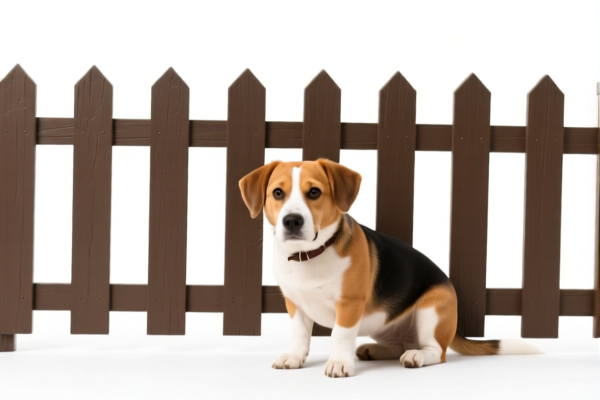
A pet fence is a barrier system designed to safely contain pets (e.g., dogs, cats) within a designated outdoor or indoor area. It may be permanent, temporary, or modular, and constructed from various materials such as metal (steel/iron), wood, or bamboo.
⚠️ Key Classification Factors: - Material (steel, iron, wood, bamboo)
- Function (enclosure, containment, temporary use)
- Assembly type (pre-assembled, kit-based, modular)
- Size & purpose (small animal pen, large yard fence)
📌 2. HS Code Classification Matrix (Based on Material & Use)
| HS Code | Product Description | Material & Use Summary | Total Duty Rate | Applicable to |
|---|---|---|---|---|
7326.90.86.35 |
Iron/steel fencing products, matched to use and material | Steel/iron fencing, specifically for pet enclosures | 87.9% | Steel/iron pet fences |
7326.90.86.88 |
Other iron/steel articles not elsewhere specified | "Other" category for iron/steel fencing | 87.9% | Generic steel fencing |
4421.91.70.20 |
Wooden or bamboo fencing parts for pet enclosures | Wooden or bamboo, used as fencing components | 10.0% | Non-assembled wooden pet barriers |
4421.99.70.20 |
Other wooden fencing, assembled or modular | Wooden, assembled, used for pet fencing | 35.0% | Pre-assembled wooden pet pens |
4421.99.98.70 |
Other wooden fencing, for small animals | Wooden, small-scale enclosures (e.g., rabbit hutch, pet pen) | 38.3% | Small animal enclosures |
💰 3. Detailed Tariff Breakdown (U.S. 2026 Tariff Rules)
✅ Applicable to: U.S. imports from China (CN)
✅ Effective Date: November 10, 2025 (with retroactive application)
✅ Legal Basis: U.S. Trade Act §301, IEEPA, and Section 122 Tariffs
🎯 1. 7326.90.86.35 – Steel/Iron Pet Fencing (Specific Use)
| Tax Component | Rate | Legal Basis |
|---|---|---|
| Base Tariff | 2.9% | General U.S. tariff rate |
| Section 301 (USITC) Additional Tariff | +25.0% | From U.S. Trade Act §301 (China-specific) |
| Section 122 (Steel, Aluminum, Copper) Additional Tariff | +10% | Applies to steel, aluminum, copper products |
| 122 Clause – “Other” Steel/Aluminum Products | +50% | Applies to non-exempt steel/aluminum products not covered by other exclusions |
| Total Duty | 87.9% | CIF × 87.9% |
📌 Explanation:
- This code applies to steel or iron fencing used for pet containment.
- The 50% "other" steel tariff is the most punitive, triggered when the product doesn't fit a specific steel category.
- Even if the fence is not structural, if it's steel-based and used for pet fencing, this applies.
🎯 2. 7326.90.86.88 – Other Iron/Steel Articles (General "Other" Category)
| Tax Component | Rate | Legal Basis |
|---|---|---|
| Base Tariff | 2.9% | Standard rate |
| Section 301 (USITC) Additional Tariff | +25.0% | China-specific |
| Section 122 (Steel, Aluminum, Copper) Additional Tariff | +10% | Applies to all steel/aluminum |
| 122 Clause – “Other” Steel/Aluminum Products | +50% | Applies to non-exempt steel articles |
| Total Duty | 87.9% | CIF × 87.9% |
📌 Explanation:
- This is a catch-all code for iron/steel fencing that doesn't fit a more specific category.
- If your pet fence is steel-based, modular, or not clearly defined, this is likely the assigned code.
- Same 87.9% rate as above — extremely high.
🎯 3. 4421.91.70.20 – Wooden/Bamboo Fencing (Non-Assembled)
| Tax Component | Rate | Legal Basis |
|---|---|---|
| Base Tariff | 0.0% | No base duty |
| Section 301 (USITC) Additional Tariff | +0.0% | Not applicable to wood |
| Section 122 (10% Tariff) | +10% | Applies to wooden products under Section 122 |
| Total Duty | 10.0% | CIF × 10.0% |
📌 Explanation:
- Applies to wooden or bamboo fencing parts used for pet enclosures.
- No 301 or 50% steel tariff, but 10% Section 122 tariff applies to wooden products.
- Lower risk than steel-based fences.
🎯 4. 4421.99.70.20 – Assembled Wooden Fencing (Modular)
| Tax Component | Rate | Legal Basis |
|---|---|---|
| Base Tariff | 0.0% | No base duty |
| Section 301 (USITC) Additional Tariff | +25.0% | Applies to wooden products under Section 301 |
| Section 122 (10% Tariff) | +10% | Applies to wooden products |
| Total Duty | 35.0% | CIF × 35.0% |
📌 Explanation:
- Applies to pre-assembled or modular wooden pet fences.
- Even though no steel, the 25% Section 301 tariff applies to wooden goods from China.
- High risk due to 35% total duty.
🎯 5. 4421.99.98.70 – Small Animal Wooden Enclosures
| Tax Component | Rate | Legal Basis |
|---|---|---|
| Base Tariff | 3.3% | Standard rate for certain wooden products |
| Section 301 (USITC) Additional Tariff | +25.0% | Applies to wooden enclosures |
| Section 122 (10% Tariff) | +10% | Applies to wooden products |
| Total Duty | 38.3% | CIF × 38.3% |
📌 Explanation:
- Applies to small-scale wooden enclosures (e.g., rabbit pens, small dog cages).
- Higher base rate (3.3%) due to "other" category.
- 38.3% total — still high, but lower than steel-based fences.
🛠️ 4. Pro Clearance Tips (Avoid Costly Mistakes!)
✅ 1. Critical Documentation Checklist
| Document | Required? | Why It Matters |
|---|---|---|
| ✅ Product Photos (front, back, assembly) | ✔️ | Prove material & assembly type |
| ✅ Bill of Lading & Commercial Invoice | ✔️ | Must match HS Code |
| ✅ Technical Specs (material, dimensions, weight) | ✔️ | Prevent misclassification |
| ✅ Assembly Instructions (if modular) | ✔️ | Prove “assembled” vs “parts” |
| ✅ Origin Certificate (CO) | ✔️ | If from non-China, may reduce duty |
| ✅ Third-Party Test Report (e.g., fire safety, durability) | ✔️ | For high-value or complex designs |
✅ 2.申报技巧(Key Rules of Thumb)
🔥 “Material First, Use Second, Assemble Last – Or You’ll Pay 87.9%!”
| Scenario | Correct HS Code | Wrong Code | Risk |
|---|---|---|---|
| Steel fence, pet use | 7326.90.86.35 |
4421.99.70.20 |
87.9% vs 35% → +52.9% tax! |
| Wooden, pre-assembled | 4421.99.70.20 |
4421.91.70.20 |
35% vs 10% → +25% tax! |
| Small wooden pen (rabbit) | 4421.99.98.70 |
7326.90.86.88 |
38.3% vs 87.9% → Save 49.6%! |
| Wooden parts (not assembled) | 4421.91.70.20 |
4421.99.70.20 |
10% vs 35% → Save 25%! |
✅ 3. Special Cases & Workarounds
| Situation | Solution |
|---|---|
| Steel fence with wooden posts | Still classified as steel → 7326.90.86.35/88 → 87.9% |
| Wooden fence with metal connectors | Still wood-based → Use 4421.99.70.20 if assembled |
| Fence sold as a kit (no assembly) | Use 4421.91.70.20 or 7326.90.86.35 (if steel) |
| Fence from Vietnam/Mexico | May qualify for IEEPA exemption → 0% tariff |
| Fence with embedded electronics (e.g., motion sensor) | May require different HS Code (e.g., 8543.70.00.00) |
🌍 5. Global Market Comparison (2026)
| Country | Recommended HS Code | Duty | Certification | Notes |
|---|---|---|---|---|
| 🇺🇸 USA | 7326.90.86.35 / 4421.99.70.20 |
10%–87.9% | None (but document proof) | High risk for steel |
| 🇨🇳 China | 7326.90.86.35 / 4421.99.70.20 |
5% | CCC | No extra tariffs |
| 🇪🇺 EU | 7326.90.86.35 / 4421.99.70.20 |
0% (if CE) | CE, RoHS | No 301/122 tariffs |
| 🇦🇺 Australia | 4421.99.70.20 |
5% | RCM | No 301 tariffs |
| 🇯🇵 Japan | 4421.99.70.20 |
0% | PSE | No extra tariffs |
📌 Insight:
- U.S. is the only market with 87.9% tariffs on steel pet fences.
- Vietnam/Mexico-based production can avoid 301/122 tariffs — consider shifting manufacturing.
🚨 6. Common Mistakes & Costly Pitfalls
❌ Mistake 1: Classifying a steel pet fence as wooden
👉 Result: 87.9% duty instead of 35% → +52.9% tax → Massive loss
❌ Mistake 2: Selling wooden fence kits as assembled
👉 Result: 35% duty instead of 10% → +25% tax
❌ Mistake 3: Not providing assembly proof
👉 Result: Customs assumes assembled → higher duty
❌ Mistake 4: Using generic name like “Pet Enclosure”
👉 Result: Customs may default to steel → 87.9%
✅ Correct Name Example:
"Modular Wooden Pet Fence Kit, 4ft x 6ft, Pre-Assembled Panels, Bamboo Frame, For Dogs, Not Fully Assembled"
🎯 7. Final Verdict: How to Win the Tariff Game
🔥 "Steel = 87.9%, Wood = 10–38.3%, Assembled = Higher, Kit = Lower"
✅ Pro Strategy:
- Use wood instead of steel if possible
- Sell as a kit (not assembled) to reduce duty
- Shift production to Vietnam/Mexico to avoid 301/122 tariffs
- Get a pre-ruling (Advance Ruling) from U.S. Customs for high-value shipments
📌 8. Action Steps: What to Do Now
📞 Contact a U.S. Customs Broker + Request HS Code Pre-Ruling
📸 Send clear product photos + specs + assembly instructions
🚀 Reclassify if needed – save thousands in duty
✨ Remember:
🔹 HS Code = Your Duty Rate
🔹 Material = Your Tax Fate
🔹 Assembly = Your Profit Margin
📣 Ready to Ship?
🚨 Don’t guess. Don’t risk. Get it right the first time.
🛠️ Your pet fence deserves a smooth, low-cost, high-profit journey to the U.S. market!
💼 Professional Tariff Strategy Starts with Accurate Classification
🔐 Your Export Success Begins Here.
Customer Reviews
About HS Code Classification
The Harmonized System (HS) is an internationally standardized nomenclature developed by the World Customs Organization (WCO) to classify traded products. Over 200 countries use the HS system as the basis for customs tariffs, trade statistics, and import/export regulations.
Each HS code follows a hierarchical structure:
- Chapter (2 digits) — Broad category of goods (e.g., Chapter 84: Machinery and Mechanical Appliances)
- Heading (4 digits) — More specific grouping within the chapter
- Subheading (6 digits) — Internationally standardized breakdown, used by all WCO member countries
- National subdivisions (8-10 digits) — Country-specific extensions for further classification, such as US HTSUS 10-digit codes
Correct HS code classification is essential for smooth customs clearance, accurate duty payment, and compliance with trade regulations. Misclassification can lead to customs delays, overpayment of duties, or penalties.
When importing from CN to US, the applicable tariff rates may include:
- Most-Favored-Nation (MFN) rate — The standard duty rate applied to WTO members
- General rate — Applied to countries without trade agreements
- Trade remedy duties — Additional tariffs such as Section 301 (anti-dumping), Section 232 (national security), or countervailing duties
The information provided on this page is for reference purposes only. For official classification, please consult with your local customs authority or a licensed customs broker.