Pet Gate
CN → US| HS Code | Tariff Rate | Origin | Destination | Doc |
|---|---|---|---|---|
| 7326908635 | 87.9% | CN | US | Official Doc |
| 4421917020 | 10.0% | CN | US | Official Doc |
| 7326908688 | 87.9% | CN | US | Official Doc |
| 4421997020 | 35.0% | CN | US | Official Doc |
| 3926909989 | 22.8% | CN | US | Official Doc |
Product Images
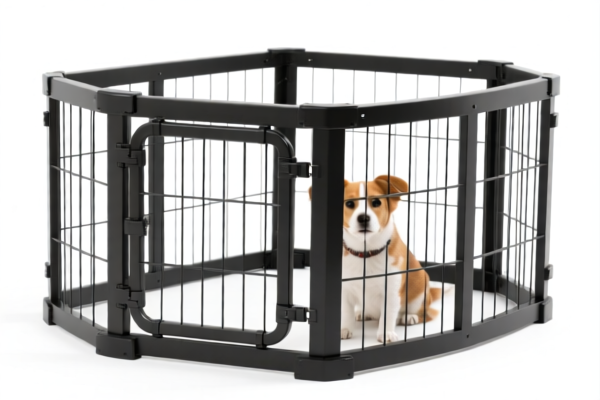
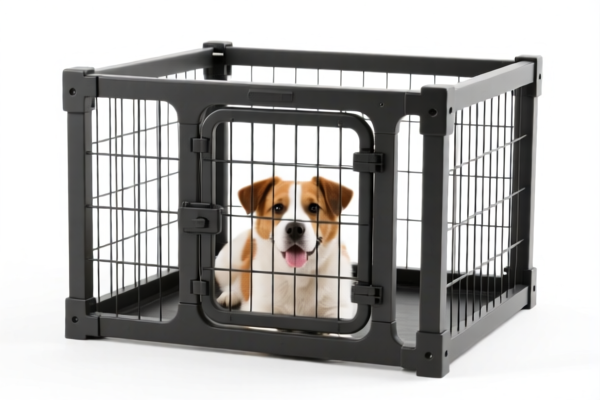
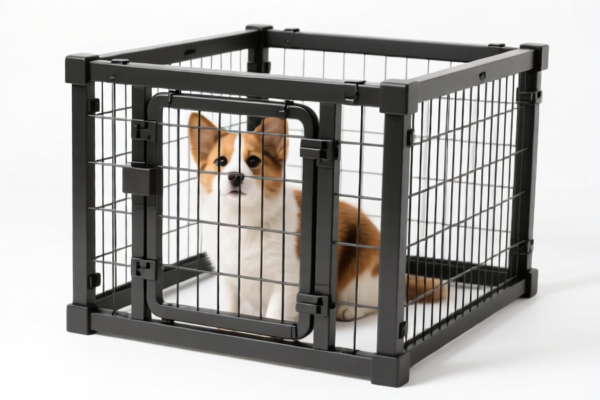
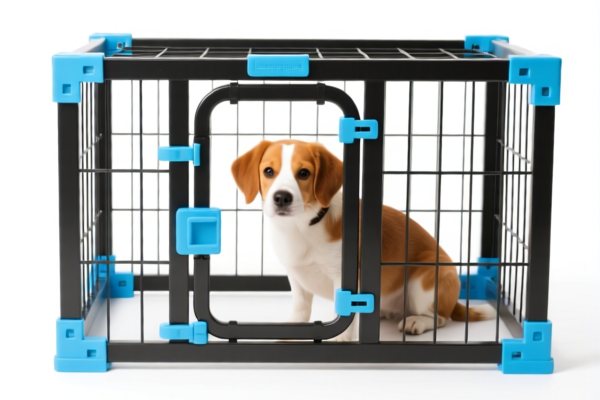
AI Analysis
🐕 Pet Gate (Pet Barrier / Exercise Pen)
🌐 HS Code Reference & Customs Clearance Guide | 2024/2026 Latest Tariff Analysis | Professional Entry Strategies
📌 I. Product Definition & Classification: Do You Really Know a "Pet Gate"?
A Pet Gate is a safety device used to restrict a pet's movement within a home or outdoor area. In international trade, classification depends strictly on the material (Metal, Wood, Plastic) and the form (Foldable enclosure, Single barrier, Modular panel).
⚠️ Key Distinction Point:
- If made of Iron/Steel: Usually classified under Chapter 73 (Articles of Iron or Steel).
- If made of Wood/Bamboo: Classified under Chapter 44 (Wood and articles of wood).
- If made of Plastic: Classified under Chapter 39 (Articles of plastics).
📦 II. HS Code Classification Details (Based on Provided Data)
The following HS codes are derived from the provided dataset. Note that tax rates vary significantly based on material and applicable trade policies (specifically US Section 301/122 tariffs).
| HS Code | Material | Summary / Description | Total Tax Rate |
|---|---|---|---|
| 7326.90.86.35 | Iron/Steel | Matched material & use; inferred as Iron/Steel Pet Fence Products. | 87.9% |
| 4421.91.70.20 | Wood/Bamboo | Matched use as fence; inferred as Wood or Bamboo Fence Components. | 10.0% |
| 7326.90.86.88 | Iron/Steel | Other articles of iron or steel; common metal articles. | 87.9% |
| 4421.99.70.20 | Wood | Matched use as fence; inferred as Wooden Assembled Fence Parts. | 35.0% |
| 3926.90.99.89 | Plastic | Matched plastic material; inferred as Pet Passage Products for Doors. | 22.8% |
🔍 Critical Insight:
- Steel Gates (7326) are heavily taxed due to specific steel/aluminum/copper tariff clauses.
- Wooden Gates (4421) vary wildly: 10% for basic components vs. 35% for assembled parts.
- Plastic Gates (3926) offer a moderate tax burden compared to steel.
💰 III. Detailed Tariff Rate Breakdown (US Market Context)
✅ Applicable Country: USA (US)
✅ Origin: Likely China (CN) (Based on "122 Clause" and high tariff context in data)
✅ Effective Time: Current/Recent Policies
🎯 1. 7326.90.86.35 & 7326.90.86.88 —— Iron/Steel Pet Gates
| Item | Detail |
|---|---|
| Basic Duty | 2.9% |
| Section 301 Additional Duty | +25.0% |
| Section 122 Duty (Steel/Aluminum/Copper) | +50.0% |
| Total Effective Tax Rate | 87.9% |
| Calculation Basis | CIF Value × 87.9% |
| De Minimis Exemption? | ❌ NO (High duty products usually exclude de minimis benefits) |
📌 Explanation:
- The 87.9% rate is a punitive tariff structure.
- It combines the standard MFN rate (2.9%), the standard Section 301 tariff (25%), and a significant Section 122 tariff (50%) specifically targeting steel products.
- Result: Importing steel pet gates is extremely costly. Profit margins will be severely compressed.
🎯 2. 4421.91.70.20 —— Wood/Bamboo Fence Components
| Item | Detail |
|---|---|
| Basic Duty | 0.0% |
| Section 301 Additional Duty | 0.0% |
| Section 122 Duty | N/A (Wood is not steel/aluminum) |
| Total Effective Tax Rate | 10.0% (Note: Data lists 10.0%, possibly including minor local fees or specific sub-clause) |
| Calculation Basis | CIF Value × 10.0% |
| De Minimis Exemption? | ❓ Check Eligibility (Low duty may allow de minimis under $800, but Section 301 exclusions apply) |
📌 Explanation:
- Wood products generally avoid the harsh Section 301 steel tariffs.
- The 10.0% rate is very competitive, making wood pet gates a strategic alternative to steel.
🎯 3. 4421.99.70.20 —— Assembled Wooden Fence Parts
| Item | Detail |
|---|---|
| Basic Duty | 0.0% |
| Section 301 Additional Duty | +25.0% |
| Section 122 Duty | N/A |
| Total Effective Tax Rate | 35.0% |
| Calculation Basis | CIF Value × 35.0% |
📌 Explanation:
- Why is this higher than4421.91? It is classified as "Other wood articles" (99) which often attracts the 25% Section 301 tariff.
- Strategy: If your product can be classified as a "Fence Component" (4421.91) rather than "Other Wood Articles" (4421.99), you save 25% in taxes.
🎯 4. 3926.90.99.89 —— Plastic Pet Gates
| Item | Detail |
|---|---|
| Basic Duty | 5.3% |
| Section 301 Additional Duty | +7.5% |
| Section 122 Duty | N/A |
| Total Effective Tax Rate | 22.8% |
| Calculation Basis | CIF Value × 22.8% |
📌 Explanation:
- Plastic gates fall under a different tariff structure with lower Section 301 rates compared to steel.
- 22.8% is a moderate tax rate, offering a good balance between cost and material durability.
🛠️ IV. Customs Clearance Practical Advice (Avoid Pitfalls)
✅ 1. Documentation Checklist (Must-Haves)
| Document | Requirement | Description |
|---|---|---|
| Product Photos | ✔️ | Show material clearly (metal texture, wood grain, plastic molding). |
| Bill of Materials (BOM) | ✔️ | Specify % of material (e.g., "80% Steel, 20% Plastic"). |
| Commercial Invoice | ✔️ | Must state: "Pet Gate for Indoor/Outdoor Use". Avoid vague terms like "Fence". |
| Assembly Instructions | ✔️ | Proves if it's "Assembled" vs. "Parts". Crucial for 4421 vs 4421 classification. |
| Origin Certificate | ✔️ | Required for tariff verification. |
✅ 2. Declaration Strategy (Key Mantra)
🔥 "Material Defines Code, Assembly Defines Rate!"
| Scenario | Recommended HS Code | Risk |
|---|---|---|
| Steel Gate | 7326.90.86.35 |
87.9% Tax. High cost. Consider material change. |
| Wood Gate (Assembled) | 4421.99.70.20 |
35% Tax. High Section 301 impact. |
| Wood Gate (Parts) | 4421.91.70.20 |
10% Tax. LOWEST COST. Ship disassembled? |
| Plastic Gate | 3926.90.99.89 |
22.8% Tax. Best Balance. |
✅ 3. Critical Optimization Tips
-
Material Substitution:
- If importing from China to the US, avoid Steel (7326) unless you have a duty exemption. The 87.9% tax is prohibitive.
- Switch to Plastic (3926) or Wood (4421) to reduce taxes to 10-35%.
-
Disassembly Strategy for Wood:
- Classifying as "Fence Components" (
4421.91.70.20) at 10% is far better than "Other Wood Articles" (4421.99.70.20) at 35%. - Action: Ship wooden gates as knocked-down (KD) packages with clear "Parts" labeling on the invoice to argue for the lower tax rate.
- Classifying as "Fence Components" (
-
Plastic is the Sweet Spot:
3926.90.99.89at 22.8% offers a durable product with moderate tariffs. Ideal for mass market.
📌 V. Common Errors & Pitfalls (Lessons Learned)
❌ Error 1: Declaring Steel Pet Gates as "Iron Hardware" to avoid Section 122.
👉 Consequence: Customs audit → Back taxes + Penalties. Steel gates are clearly identified by function and material.
❌ Error 2: Mixing materials without declaration.
👉 Consequence: If a gate is 60% steel and 40% plastic, it may still be classified under Chapter 73 (Steel), triggering the 87.9% tax.
👉 Fix: Clearly state material composition. If >50% plastic, explore Chapter 39, but be prepared for CBP challenges.
❌ Error 3: Wrong Wood Classification.
👉 Consequence: Using 4421.99 (35%) instead of 4421.91 (10%).
👉 Fix: Provide assembly drawings showing the item is a "component of a fence system" to support 4421.91.
🎯 VI. Conclusion: Strategic Sourcing & Classification
🎯 Key Takeaway:
🔹 Steel (7326): AVOID for US imports (87.9% tax).
🔹 Wood (4421): OPTIMIZE for parts shipment to hit 10%.
🔹 Plastic (3926): PREFERRED for balance of cost (22.8%) and durability.
📌 Pro Tip:
If you are currently importing Steel Pet Gates from China, immediately consult a customs broker to evaluate:
1. Re-classification as "Plastic" (if structure allows).
2. Switching suppliers to Wood/Plastic alternatives.
3. Applying for Section 301 Exclusions (if available for specific steel types).
📣 Immediate Action:
📞 Contact a Licensed Customs Broker
📂 Provide Material BOM & Photos
🚀 Choose Wood or Plastic to Save 50-70% in Taxes!
✨ Smart Classification = Higher Profit Margins!
💼 Don't let 87.9% tariffs eat your business!
Customer Reviews
About HS Code Classification
The Harmonized System (HS) is an internationally standardized nomenclature developed by the World Customs Organization (WCO) to classify traded products. Over 200 countries use the HS system as the basis for customs tariffs, trade statistics, and import/export regulations.
Each HS code follows a hierarchical structure:
- Chapter (2 digits) — Broad category of goods (e.g., Chapter 84: Machinery and Mechanical Appliances)
- Heading (4 digits) — More specific grouping within the chapter
- Subheading (6 digits) — Internationally standardized breakdown, used by all WCO member countries
- National subdivisions (8-10 digits) — Country-specific extensions for further classification, such as US HTSUS 10-digit codes
Correct HS code classification is essential for smooth customs clearance, accurate duty payment, and compliance with trade regulations. Misclassification can lead to customs delays, overpayment of duties, or penalties.
When importing from CN to US, the applicable tariff rates may include:
- Most-Favored-Nation (MFN) rate — The standard duty rate applied to WTO members
- General rate — Applied to countries without trade agreements
- Trade remedy duties — Additional tariffs such as Section 301 (anti-dumping), Section 232 (national security), or countervailing duties
The information provided on this page is for reference purposes only. For official classification, please consult with your local customs authority or a licensed customs broker.