Pet Grooming Scissors
CN → US| HS Code | Tariff Rate | Origin | Destination | Doc |
|---|---|---|---|---|
| 8510209000 | 39.0% | CN | US | Official Doc |
| 8467290015 | 17.5% | CN | US | Official Doc |
| 8467290085 | 17.5% | CN | US | Official Doc |
| 8214906000 | 0.0% | CN | US | Official Doc |
| 8214203000 | 14.0% | CN | US | Official Doc |
Product Images
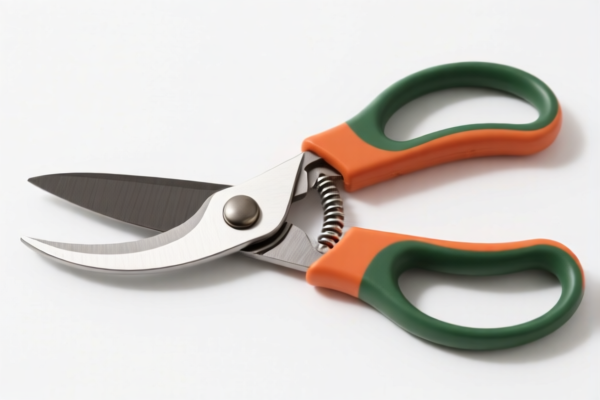
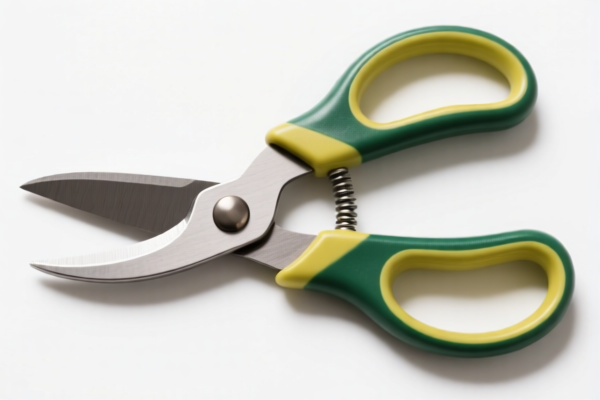
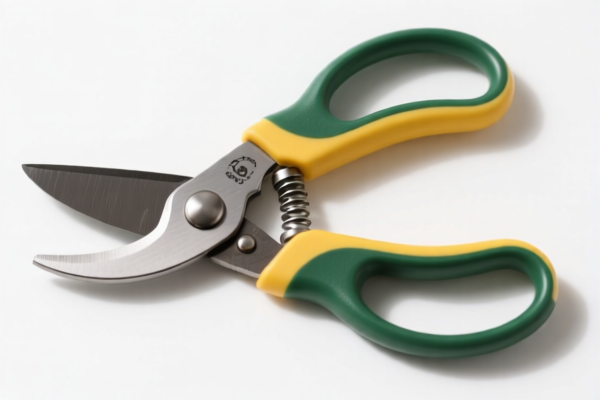
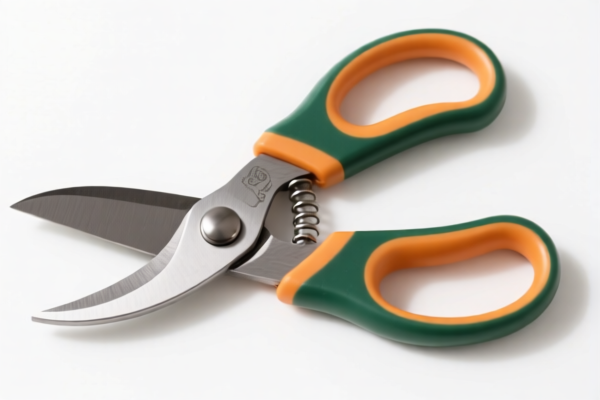
AI Analysis
✂️ Pet Grooming Scissors: HS Code Classification & US Customs Clearance Guide (2026)
🌐 HS Code Reference & Customs Strategy | Latest 2026 Tariff Analysis | Professional Clearance Protocol
📌 I. Product Definition & Classification: What Exactly Are "Pet Grooming Scissors"?
Pet grooming scissors are handheld tools designed specifically for trimming, thinning, and shaping animal hair. In international trade, their classification depends heavily on how they are powered and their structural composition. They fall into two main categories:
1. Electric Clippers/Shears (Motorized):
These are tools driven by an electric motor, often with vibrating or rotating blades. They are classified under Chapter 85 (Electrical Machinery).
2. Manual Shears/Cutters (Non-Motorized):
These are simple mechanical tools, typically made of base metal (steel), used for cutting. They are classified under Chapter 82 (Tools of Base Metal) or Chapter 84 (Machinery).
⚠️ Key Distinction Point:
- If the tool has a built-in electric motor for power → It likely falls under 8510.20 (Electric Shavers/Clippers) or 8467.29 (Power Tools).
- If the tool is purely manual (scissors, thinning shears) without a motor → It falls under 8214 (Scissors/Cutting Tools) or 8467.29 (Hand tools with self-contained electric motor if applicable, but usually manual ones are 8214).
- Note: The data provided includes complex overlaps between "Manual" and "Self-contained electric motor" interpretations for similar codes. We will break down each specific HS Code from the dataset below.
📦 II. HS Code Classification Matrix (Based on Provided Data)
| HS Code | Product Description & Rationale | Power Source | Key Feature |
|---|---|---|---|
8510.20.90.00 |
Electric Pet Clippers | Electric Motor | Classified as electric hair clippers; fits 8510.20 category based on motor drive and hair trimming purpose. |
8467.29.00.15 |
Manual Cutting Tool (Metal/Plastic) | None (Manual) | Inferred as manual cutting tool, likely metal/plastic material, used for trimming. |
8467.29.00.85 |
Hand Tool with Self-Contained Motor | Self-Contained Electric Motor | Classified as a hand tool with a self-contained electric motor; functionally identical to electric clippers. |
8214.90.60.00 |
Other Cutting Tools (Base Metal) | None (Manual) | Classified as cutting tools made of base metal; fits "other cutting tools" category. |
8214.20.30.00 |
Scissors for Manicure/Pedicure | None (Manual) | Classified as scissors with metal blades, specifically for trimming nails/feet, but potentially misapplied to general grooming. |
🔍 Critical Insight:
- Electric vs. Manual is King: The biggest tax difference lies in whether the tool is motorized. Electric tools often face higher additional tariffs (Section 301/122) depending on the specific subheading. - "Scissors" Trap: Even if it looks like scissors, if it’s a specialized electric clipper, it should not be declared under 8214 (Scissors) but under 8510 (Electric Clippers). Misclassification can lead to penalties.
💰 III. 2026 US Tariff Rate Breakdown (Detailed Tax Analysis)
✅ Applicable Country: United States (US)
✅ Origin: China (CN)
✅ Validity: Rates include Base Tariff, Section 301/Additional Tariffs, and Section 122 Tariffs.
🎯 1. 8510.20.90.00 – Electric Pet Clippers
| Item | Details |
|---|---|
| Base Tariff | 4.0% |
| Section 301/Additional Tariff | 25.0% |
| Section 122 Tariff | 10.0% |
| Total Effective Tax Rate | 39.0% |
| Tax Calculation | CIF Value × 39.0% |
| De Minimis Eligibility | ❌ No (Section 301/122 tariffs generally exempt de minimis benefits for certain categories) |
| Legal Basis Path | Base Tariff: 4.0% → Section 301: 25.0% → Section 122: 10.0% |
📌 Explanation:
- This is the most common classification for electric pet clippers.
- 39% total tax is significant. The 25% is the standard Section 301 tariff on many Chinese electrical goods. The 10% Section 122 tariff is an additional layer affecting specific mechanical/electrical articles.
🎯 2. 8467.29.00.15 – Manual/Plastic/Metal Cutting Tool
| Item | Details |
|---|---|
| Base Tariff | 0.0% |
| Section 301/Additional Tariff | 7.5% |
| Section 122 Tariff | 10.0% |
| Total Effective Tax Rate | 17.5% |
| Tax Calculation | CIF Value × 17.5% |
| De Minimis Eligibility | ❌ No |
| Legal Basis Path | Base Tariff: 0.0% → Section 301: 7.5% → Section 122: 10.0% |
📌 Explanation:
- If declared as a manual tool (even if plastic/metal), the base tariff is 0%.
- However, it still attracts 7.5% additional tariff (likely under a different Section 301 footnote or specific provision) and the 10% Section 122 tariff.
- This is less than half the tax of the electric version (17.5% vs 39%).
🎯 3. 8467.29.00.85 – Hand Tool with Self-Contained Motor
| Item | Details |
|---|---|
| Base Tariff | 0.0% |
| Section 301/Additional Tariff | 7.5% |
| Section 122 Tariff | 10.0% |
| Total Effective Tax Rate | 17.5% |
| Tax Calculation | CIF Value × 17.5% |
| De Minimis Eligibility | ❌ No |
| Legal Basis Path | Base Tariff: 0.0% → Section 301: 7.5% → Section 122: 10.0% |
📌 Explanation:
- This code is for hand tools with a self-contained electric motor (distinct from general electric shavers in 8510).
- Same tax rate as the manual tool (17.5%). This suggests that the "Electric" nature here is treated similarly to manual tools under this specific subheading, likely due to its classification as a "power tool" rather than a "shaver/clipper."
- Strategic Note: If your product can be technically argued as a "hand tool with self-contained motor" (8467) rather than a "clipper" (8510), you save 21.5% in taxes.
🎯 4. 8214.90.60.00 – Other Base Metal Cutting Tools
| Item | Details |
|---|---|
| Base Tariff | 0.2¢ per piece + 3.1% |
| Section 301/Additional Tariff | 0.0% |
| Section 122 Tariff | 10.0% |
| Total Effective Tax Rate | 0.2¢/pc + 13.1% (approx. 3.1% + 10% ad valorem) |
| Tax Calculation | (0.2¢ × Qty) + (CIF × 13.1%) |
| De Minimis Eligibility | ❌ No (Section 122 applies) |
| Legal Basis Path | Base Tariff: 0.2¢/pc + 3.1% → Section 122: 10.0% |
📌 Explanation:
- Best for purely manual, base-metal scissors that don't fit other specific categories.
- Lowest Ad Valorem Rate: Only 3.1% base + 10% Section 122 = 13.1% (plus a tiny per-piece fee).
- Warning: Must ensure it is truly "base metal" and not plastic/composite, and strictly non-motorized.
🎯 5. 8214.20.30.00 – Scissors for Manicure/Pedicure
| Item | Details |
|---|---|
| Base Tariff | 4.0% |
| Section 301/Additional Tariff | 0.0% |
| Section 122 Tariff | 10.0% |
| Total Effective Tax Rate | 14.0% |
| Tax Calculation | CIF Value × 14.0% |
| De Minimis Eligibility | ❌ No |
| Legal Basis Path | Base Tariff: 4.0% → Section 122: 10.0% |
📌 Explanation:
- Technically for nail/foot scissors, but sometimes used for general fine-cutting shears.
- 14% Tax is very competitive. No Section 301 tariff (0%), only base + Section 122.
- Risk: Customs may reject this if the product is clearly for pet hair, not nails. Requires strong justification or marketing focus on fine-cutting utility.
🛠️ IV. Customs Clearance Practical Advice (Avoiding Pitfalls)
✅ 1. Documentation Checklist (Non-Negotiable)
| Document | Required | Notes |
|---|---|---|
| Product Specification Sheet | ✔️ | Must detail: Material (Stainless Steel? Plastic?), Motor Type (if any), Voltage (if electric), Blade Count. |
| Product Photos | ✔️ | Clear shots of the tool, especially the power source (plug/battery for electric vs. handle-only for manual). |
| Commercial Invoice | ✔️ | Accurate description: "Electric Pet Grooming Clippers" or "Manual Stainless Steel Pet Scissors". Do not use vague terms like "Tool". |
| HS Code Justification Letter | ✔️ | Explain why the chosen HS Code fits (e.g., "Contains electric motor" for 8510/8467; "Base metal scissors" for 8214). |
| Section 122 Declaration | ✔️ | Acknowledge Section 122 tariffs where applicable. |
| Country of Origin Certificate | ✔️ | Confirm China origin to apply correct tariffs. |
✅ 2. Classification Strategy & Optimization
🔥 "Power Source Determines Tax, Material Determines Code!"
| Scenario | Recommended HS Code | Tax Rate | Why? |
|---|---|---|---|
| Electric Clippers | 8510.20.90.00 |
39.0% | Standard for motorized clippers. High tax but safe classification. |
| Electric Hand Tools | 8467.29.00.85 |
17.5% | Optimization: If the motor is handheld/self-contained (like a Dremel), this may be a better fit than 8510. Saves 21.5%! |
| Manual Scissors (Metal) | 8214.90.60.00 |
~13.1% | Best Tax: Lowest ad valorem rate. Must be purely mechanical, base metal. |
| Manual Fine Cutters | 8214.20.30.00 |
14.0% | Low tax, but risky if labeled "Pet Hair". Use only if dual-purpose (nail/hair) is plausible. |
⚠️ Critical Warning:
- Do not misdeclare electric clippers as manual scissors to save tax. Customs audits often involve dismantling products. If an electric motor is found in a "manual" package, expect penalties, back-taxes, and potential seizure.
- The difference between8467.29.00.85(17.5%) and8510.20.90.00(39%) is substantial. If your product is a small, battery-powered trimmer, consult a customs broker on whether it fits the "hand tool with self-contained motor" definition.
✅ 3. Special Considerations
| Situation | Advice |
|---|---|
| OEM Private Label | Ensure the brand name and model number on the product match the invoice exactly. |
| Sets (Clipper + Comb + Scissors) | Declare as a single product if packed together for sale. Do not split the invoice, or each item will be taxed separately (and potentially at higher rates if misclassified). |
| Plastic Parts | If the tool is 80% plastic and only the blade is metal, 8214 may be rejected. Consider 8467.29.00.15 (17.5%) if manual, or 8510.20.90.00 (39%) if electric. |
| Section 122 Tariff | Remember that 10% applies to almost all these codes. This is a fixed cost. Budget accordingly. |
🌍 V. Global Market Comparison (2026)
| Market | Best HS Code | Est. Total Tax (China Origin) | Notes |
|---|---|---|---|
| 🇺🇸 USA | 8214.90.60.00 (Manual) |
~13.1% + $0.002/pc | Lowest tax for manual. Electric is 39% or 17.5%. |
| 🇺🇸 USA | 8510.20.90.00 (Electric) |
39.0% | High barrier for electric pet tools. |
| 🇨🇳 China | 8510.20.90.00 |
5.0% | No Section 301/122. Low import tax. |
| 🇪🇺 EU | 8510.20.90.00 |
0% - 4% | Varies by member state. No Section 301/122. |
| 🇬🇧 UK | 8510.20.90.00 |
0% - 4% | Post-Brexit rules. Generally lower than US. |
📌 Conclusion:
- USA is the most expensive market for pet grooming tools due to Section 301 and Section 122 tariffs.
- Manual tools are significantly cheaper to import into the US than electric ones.
- If exporting to the US, maximize manual product lines or explore the8467classification for electric tools to save millions in duties.
📌 VI. Common Errors & Pitfalls (Blood Lessons)
❌ Error 1: Declaring Electric Clippers as Manual Scissors (8214)
👉 Consequence: Customs discovers the motor. 100% penalty, back-taxes, and detention fees.
❌ Error 2: Using Vague Descriptions like "Pet Tool"
👉 Consequence: Customs assigns their own HS Code, which may be higher, or delays shipment for inspection.
❌ Error 3: Ignoring Section 122 Tariffs
👉 Consequence: Budgeting for 4% tax when actual tax is 14-39%. Profit margin wiped out.
❌ Error 4: Splitting Packed Sets
👉 Consequence: If a kit contains a clipper (39%) and a brush (0%), and you invoice them separately but they arrive together, customs may consolidate and tax the whole kit at the highest rate or demand proof of separation.
✅ Correct Approach:
"Electric Pet Hair Clipper, Stainless Steel Blades, Rechargeable Battery, Model XYZ" →
8510.20.90.00
"Manual Stainless Steel Pet Grooming Scissors, Curved Blades" →8214.90.60.00
🎯 VII. Conclusion: Smart Classification for Maximum Profit
🎯 Remember the Mantra:
🔹 "Electric = 8510/8467, Manual = 8214. Motor Check Saves Millions!"
🔹 "Section 122 is Everywhere, Budget 10% Extra!"
🔹 "Misclassification is Costly, Accuracy is Profit!"
📌 Pro Tip:
If your product is a small, handheld electric trimmer, consult your customs broker about
8467.29.00.85(17.5%) vs.8510.20.90.00(39.0%). The legal argument for "hand tool with self-contained motor" can save you 21.5% in tariffs.
📣 Immediate Action:
📞 Engage a Licensed Customs Broker
📸 Provide High-Res Photos (especially of power components)
📄 Request an Advance Ruling if the classification is borderline (e.g., Electric vs. Hand Tool)
✨ Professional Clearance Starts with Precise Classification!
💼 Every Tax Dollar Saved is Pure Profit!
Customer Reviews
About HS Code Classification
The Harmonized System (HS) is an internationally standardized nomenclature developed by the World Customs Organization (WCO) to classify traded products. Over 200 countries use the HS system as the basis for customs tariffs, trade statistics, and import/export regulations.
Each HS code follows a hierarchical structure:
- Chapter (2 digits) — Broad category of goods (e.g., Chapter 84: Machinery and Mechanical Appliances)
- Heading (4 digits) — More specific grouping within the chapter
- Subheading (6 digits) — Internationally standardized breakdown, used by all WCO member countries
- National subdivisions (8-10 digits) — Country-specific extensions for further classification, such as US HTSUS 10-digit codes
Correct HS code classification is essential for smooth customs clearance, accurate duty payment, and compliance with trade regulations. Misclassification can lead to customs delays, overpayment of duties, or penalties.
When importing from CN to US, the applicable tariff rates may include:
- Most-Favored-Nation (MFN) rate — The standard duty rate applied to WTO members
- General rate — Applied to countries without trade agreements
- Trade remedy duties — Additional tariffs such as Section 301 (anti-dumping), Section 232 (national security), or countervailing duties
The information provided on this page is for reference purposes only. For official classification, please consult with your local customs authority or a licensed customs broker.