Pet Hair Carpet Non slip Mat
CN → US| HS Code | Tariff Rate | Origin | Destination | Doc |
|---|---|---|---|---|
| 3926909989 | 22.8% | CN | US | Official Doc |
| 5705002015 | 38.3% | CN | US | Official Doc |
| 5705002005 | 38.3% | CN | US | Official Doc |
| 4016990500 | 20.9% | CN | US | Official Doc |
| 4016910000 | 37.7% | CN | US | Official Doc |
Product Images
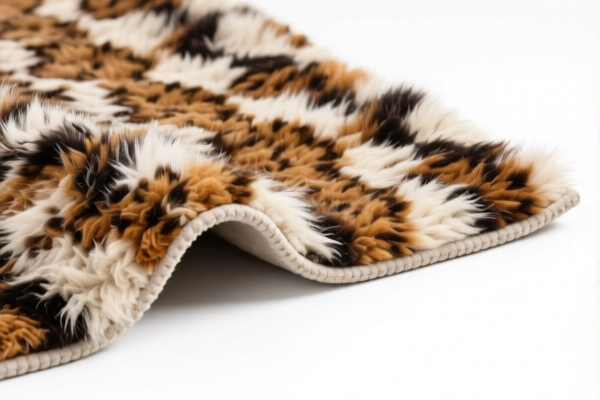
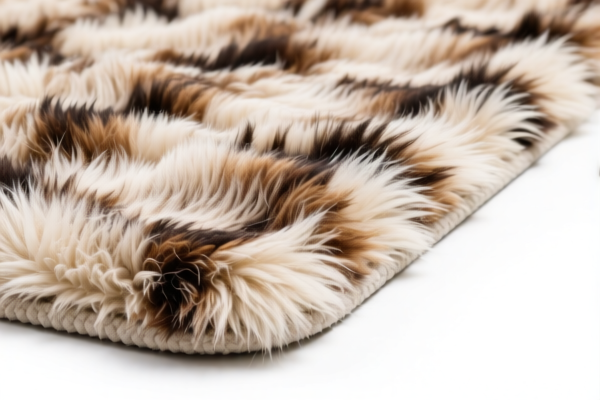
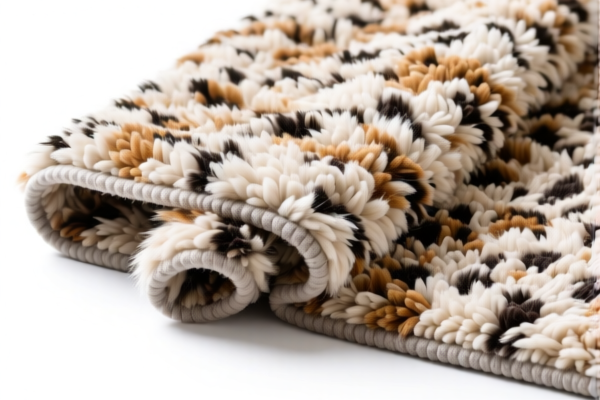
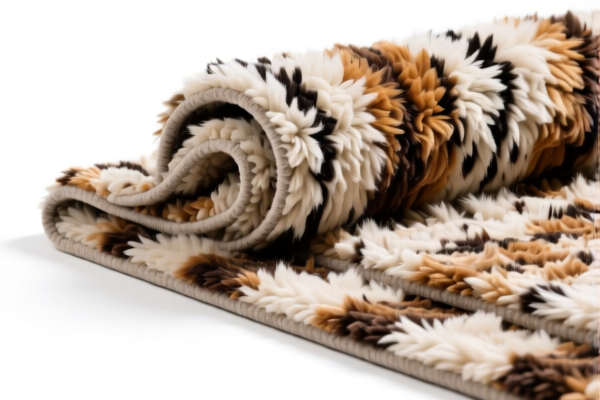
AI Analysis
🐾 Pet Hair Carpet / Non-Slip Mat
🌐 HS Code Reference & Customs Clearance Guide | 2026 Latest Tariff Analysis | Professional Clearance Strategy
📌 I. Product Definition & Classification: Do You Really Know "Pet Hair Carpets"?
Pet hair carpets or non-slip mats are functional home goods designed to absorb pet hair, prevent slipping, and protect flooring. In international trade, their classification depends strictly on the material composition and manufacturing process. There are three primary categories:
Plastic/Rubber Mats: Made from PVC, TPE, or synthetic rubber. These are chemically bonded or molded.
Wool/Animal Hair Carpets: Made from natural fibers like wool or fine animal hair, often woven or tufted.
Mixed/Composite Mats: May have a rubber backing with a fabric or synthetic top layer.
⚠️ Key Distinction Point:
- If the main material is synthetic rubber, PVC, or TPE → Classified under Chapter 40 (Rubber).
- If the main material is wool or fine animal hair → Classified under Chapter 57 (Carpets).
- If the material is unspecified plastic/rubber not elsewhere listed → Classified under Chapter 39 (Plastics) or Chapter 40 (Rubber) as "Other."
📦 II. HS Code Classification Details (2026 Latest Tariff Authority Comparison)
| HS Code | Product Description | Material Basis | Primary Use | Tax Rate |
|---|---|---|---|---|
3926.90.99.89 |
Other articles of plastics, not elsewhere specified | Plastic/PVC (Inferred) | General household anti-slip mat | 22.8% |
5705.00.20.15 |
Carpets of wool or fine animal hair | Wool/Animal Hair (Explicit) | Natural fiber pet mat/carpet | 38.3% |
5705.00.20.05 |
Carpets of wool or fine animal hair | Wool/Animal Hair (Inferred) | Natural fiber pet mat/carpet | 38.3% |
4016.99.05.00 |
Other vulcanized rubber articles | Synthetic Rubber/TPR | Household rubber anti-slip mat | 20.9% |
4016.91.00.00 |
Other floor coverings of vulcanized rubber | Rubber-coated/backed | Rubber-bottomed carpet/mat | 37.7% |
🔍 Critical Reminder:
- Material is King: If your product label says "Wool" or "Animal Hair," it must go to Chapter 57. Misclassifying wool as rubber can lead to severe penalties.
- "Non-Slip" is a Function, Not a Class: Customs does not classify by "non-slip." They classify by material.
- Composite Items: If it’s a rubber mat with a fabric top, it’s usually still classified under Chapter 40 if rubber provides the essential character.
💰 III. 2026 Latest Tariff Rate Breakdown (Including Surtaxes & Policy Add-ons)
✅ Applicable Country: United States (US)
✅ Country of Origin: China (CN)
✅ Effective Date: From November 10, 2025 (including subsequent imports)
🎯 1. 3926.90.99.89 —— Plastic Articles (Unspecified)
| Item | Details |
|---|---|
| Base Tariff | 5.3% |
| Section 301 Surtax | +7.5% |
| Section 122 Tariff | +10% |
| Total Effective Rate | 22.8% |
| Tax Calculation | CIF Value × 22.8% |
| De Minimis Exemption | ❌ No (Subject to full duties) |
| Legal Basis | Standard HTSUS + Trade Policy Add-ons |
📌 Explanation:
- This code is used when the plastic article doesn’t fall into specific subheadings (like tableware or flooring boards).
- Total 22.8% is moderate but significant for low-margin goods.
🎯 2. 5705.00.20.15 & 5705.00.20.05 —— Wool/Fine Animal Hair Carpets
| Item | Details |
|---|---|
| Base Tariff | 3.3% |
| Section 301 Surtax | +25.0% |
| Section 122 Tariff | +10% |
| Total Effective Rate | 38.3% |
| Tax Calculation | CIF Value × 38.3% |
| De Minimis Exemption | ❌ No |
| Legal Basis | HTSUS 5705 + 301/122 Add-ons |
📌 Warning:
- Even though the base tariff is low (3.3%), the 25% Section 301 surtax makes this the highest taxed category in the dataset.
- If your product is 100% wool, expect to pay nearly 40% in duties.
- Ensure the product description explicitly states "Wool" or "Animal Hair" to justify this code. Misclassification from this code to a lower-rate code is a common audit trigger.
🎯 3. 4016.99.05.00 —— Other Vulcanized Rubber Articles
| Item | Details |
|---|---|
| Base Tariff | 3.4% |
| Section 301 Surtax | +7.5% |
| Section 122 Tariff | +10% |
| Total Effective Rate | 20.9% |
| Tax Calculation | CIF Value × 20.9% |
| De Minimis Exemption | ❌ No |
| Legal Basis | HTSUS 4016 + Trade Policy Add-ons |
📌 Advantage:
- This is the lowest total tax rate (20.9%) among the options.
- Suitable for mats made of synthetic rubber, TPE, or latex that are molded or molded-rubber based.
🎯 4. 4016.91.00.00 —— Other Floor Coverings of Vulcanized Rubber
| Item | Details |
|---|---|
| Base Tariff | 2.7% |
| Section 301 Surtax | +25.0% |
| Section 122 Tariff | +10% |
| Total Effective Rate | 37.7% |
| Tax Calculation | CIF Value × 37.7% |
| De Minimis Exemption | ❌ No |
| Legal Basis | HTSUS 4016 + Trade Policy Add-ons |
📌 Caution:
- Despite a very low base tariff (2.7%), the 25% Section 301 surtax pushes the total to 37.7%.
- This code is for rubber floor coverings (e.g., heavy-duty rubber mats, gym mats, or carpets with a thick rubber backing).
- Do not confuse with4016.99.05.00(37.7% vs 20.9% difference!).
🛠️ IV. Customs Clearance Practical Advice (Avoiding Pitfalls)
✅ 1. Required Documentation Checklist
| Document | Required | Notes |
|---|---|---|
| ✅ Product Specification Sheet | ✔️ | Must clearly state material composition (e.g., "100% Wool," "PVC," "Vulcanized Rubber"). |
| ✅ Material Test Report | ✔️ | Third-party lab report confirming fiber content or rubber type. |
| ✅ Product Photos | ✔️ | Close-ups of texture, backing, and labels. |
| ✅ Commercial Invoice | ✔️ | Must match HS Code description exactly. |
| ✅ Packing List | ✔️ | Weight and dimensions for freight calculation. |
| ✅ Origin Certificate | ✔️ | If applicable for preferential rates (rare for CN origin). |
✅ 2. Declaration Tips (Key Rules)
🔥 "Material is Key, Name is Support, Code Determines Cost!"
| Scenario | Correct HS Code | Error to Avoid |
|---|---|---|
| Plastic/PVC Mat | 3926.90.99.89 |
Do NOT declare as "Rubber" → Wrong code, potential fine. |
| Wool/Ash Hair Mat | 5705.00.20.15 / .05 |
Do NOT declare as "Plastic" → 38.3% vs 22.8% difference. |
| Synthetic Rubber Mat | 4016.99.05.00 |
Do NOT declare as "Floor Covering" → 20.9% vs 37.7% difference! |
| Thick Rubber Floor Mat | 4016.91.00.00 |
Use only if it’s a heavy-duty floor covering. |
✅ 3. Special Cases
| Situation | Recommendation |
|---|---|
| Mixed Material (Fabric + Rubber Backing) | If rubber backing is essential, classify under Chapter 40. Provide breakdown of material weight. |
| Pet Hair Remover Mat (Brush Type) | If it’s a mechanical brush, it might not be a "mat." Check Chapter 84 or 96. But if it’s a static-cling mat, stick to Chapter 40/57. |
| Custom Logo/Brand | Ensure the invoice lists the brand name. No impact on HS code, but required for clearance. |
| Sample Shipment | Still subject to duties. Do not assume samples are duty-free if they exceed de minimis value or are subject to specific restrictions. |
🌍 V. Global Market Comparison (2026 Latest)
| Country/Region | Recommended HS Code | Approx. Tariff (CN Origin) | Key Requirements |
|---|---|---|---|
| 🇺🇸 USA | 4016.99.05.00 (Best) |
20.9% | FCC/CE not needed, but material proof is critical. |
| 🇨🇳 China | 5705.00.20.15 |
~3-5% | CCC if applicable, but low for carpets. |
| 🇪🇺 EU | 5705.00.20.15 |
~10-12% | REACH compliance for chemicals in rubber/plastic. |
| 🇬🇧 UK | 4016.99.05.00 |
~5-8% | Post-Brexit rules apply. Check UK Tariff. |
| 🇦🇺 Australia | 3926.90.99.89 |
~5% | No major surtaxes, but check anti-dumping. |
📌 Conclusion:
- USA is the most expensive market due to Section 301 and 122 tariffs.
- Choose4016.99.05.00if possible (20.9%) over wool (38.3%) or rubber floor covering (37.7%).
- Material declaration must be accurate. Misdeclaring wool as plastic saves money but risks audits and penalties.
📌 VI. Common Mistakes & Pitfalls (Lessons Learned)
❌ Mistake 1: Declaring a Wool Mat as Plastic (3926...) to save 15%
👉 Consequence: Customs audit, seizure, and fines for fraud. Never lie about material.
❌ Mistake 2: Declaring a Rubber Mat as Floor Covering (4016.91)
👉 Consequence: Tax jumps from 20.9% to 37.7%. Double-check subheading!
❌ Mistake 3: Vague description "Carpet"
👉 Consequence: Customs assigns a default code (often higher) or holds shipment for inspection. Be specific.
❌ Mistake 4: Ignoring Section 122 Tariff
👉 Consequence: Unexpected 10% charge at customs. Factor it into your pricing.
✅ Correct Practice:
"Non-Slip Pet Mat, 100% Vulcanized TPE, Anti-Slip Backing, Model XYZ, Made in China"
→ Use4016.99.05.00→ 20.9% Total Tax.
🎯 VII. Conclusion: Professional Declaration, Save Money, Stay Compliant!
🎯 Remember:
🔹 "Material First, Code Second, Tax Third!"
🔹 "Wool = 38.3%, Rubber Floor = 37.7%, Rubber Mat = 20.9%, Plastic = 22.8%."
🔹 "De Minimis doesn't apply to China-origin goods under Section 301/122."
📌 Pro Tip:
If your product is 100% Rubber/TPE, always aim for 4016.99.05.00 (20.9%). It’s the cheapest option in the list.
If it’s Wool, you have no choice but to pay 38.3%. Consider if a synthetic blend is feasible for cost savings.
📣 Immediate Action:
📞 Consult a licensed customs broker.
📄 Provide material test reports and product photos.
🚀 Optimize your HS Code to minimize duty costs legally!
✨ Professional Clearance Starts with Accurate Classification!
💼 Your Profit Margin Depends on Your HS Code!
Customer Reviews
About HS Code Classification
The Harmonized System (HS) is an internationally standardized nomenclature developed by the World Customs Organization (WCO) to classify traded products. Over 200 countries use the HS system as the basis for customs tariffs, trade statistics, and import/export regulations.
Each HS code follows a hierarchical structure:
- Chapter (2 digits) — Broad category of goods (e.g., Chapter 84: Machinery and Mechanical Appliances)
- Heading (4 digits) — More specific grouping within the chapter
- Subheading (6 digits) — Internationally standardized breakdown, used by all WCO member countries
- National subdivisions (8-10 digits) — Country-specific extensions for further classification, such as US HTSUS 10-digit codes
Correct HS code classification is essential for smooth customs clearance, accurate duty payment, and compliance with trade regulations. Misclassification can lead to customs delays, overpayment of duties, or penalties.
When importing from CN to US, the applicable tariff rates may include:
- Most-Favored-Nation (MFN) rate — The standard duty rate applied to WTO members
- General rate — Applied to countries without trade agreements
- Trade remedy duties — Additional tariffs such as Section 301 (anti-dumping), Section 232 (national security), or countervailing duties
The information provided on this page is for reference purposes only. For official classification, please consult with your local customs authority or a licensed customs broker.