Pet Hair Remover and Laundry Ball Set
CN → US| HS Code | Tariff Rate | Origin | Destination | Doc |
|---|---|---|---|---|
| 4016996050 | 37.5% | CN | US | Official Doc |
| 4016992000 | 14.3% | CN | US | Official Doc |
| 5603110070 | 35.0% | CN | US | Official Doc |
| 6307909891 | 24.5% | CN | US | Official Doc |
| 4016996050 | 37.5% | CN | US | Official Doc |
Product Images
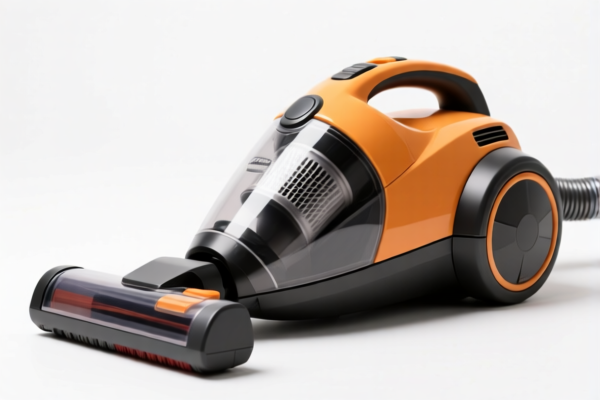
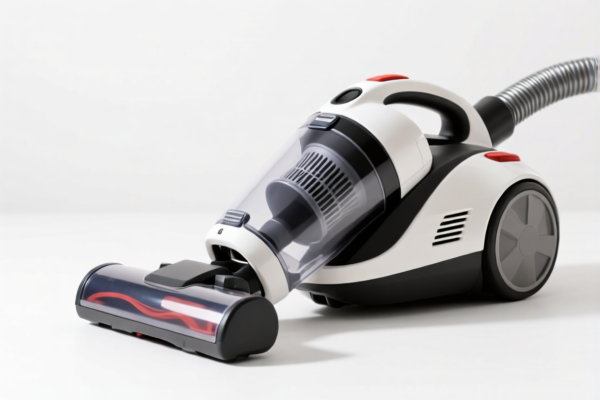
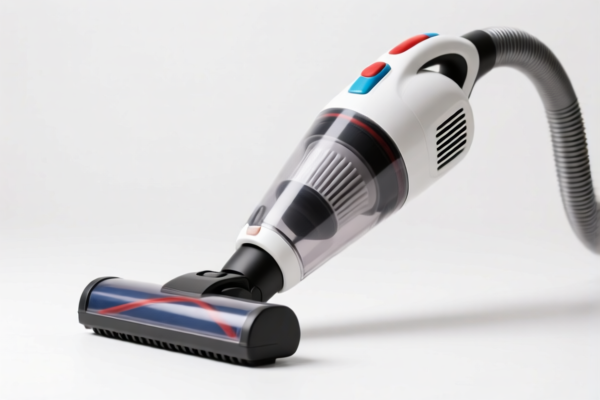
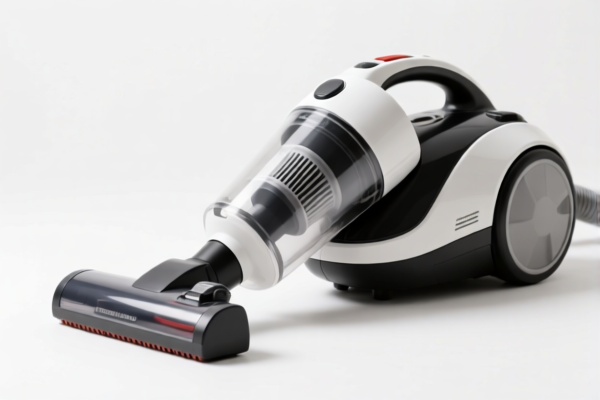
AI Analysis
🧺 Pet Hair Remover & Laundry Ball Set
[Material-Based Classification & US Customs Clearance Guide 2026]
🌐 HS Code Reference & Clearance Strategy | 2026 Latest Tariff Analysis | Professional Customs Compliance
📌 I. Product Definition & Classification: What Are You Actually Shipping?
A "Pet Hair Remover and Laundry Ball Set" is a versatile household cleaning kit. In international trade, its classification is not determined by its function (cleaning) but strictly by its material composition.海关 (Customs) looks at the substance, not the use, for this specific item.
Based on the provided data, there are four potential HS Code classifications depending on the physical material of the balls/remover:
- Rubber/Silicone: If the balls are made of solid or textured rubber/silicone.
- Synthetic Fibers: If the "balls" are actually dense felt or non-woven fabric spheres.
- Miscellaneous Manufactured Articles: If the material doesn't fit standard textile or rubber categories (often a fallback).
⚠️ Critical Distinction Point:
- If the item is a solid, rubbery ball (like dryer balls) → Look at Chapter 40.
- If the item is a fabric/felt sphere → Look at Chapter 56 or 63.
- Do not assume "Pet Hair Remover" = One Code. The material dictates the tariff.
📦 II. HS Code Classification Details (2026 Latest Tariff Authority)
The following table breaks down the four potential classifications based on the provided JSON data, specifically for Imports into the USA from China.
| HS Code | Product Description | Material Composition | Key Characteristic |
|---|---|---|---|
4016.99.60.50 |
Other vulcanized rubber articles (Rubber/Silicone Balls) | Vulcanized Rubber | Solid or textured rubber balls; high elasticity; durable. |
4016.99.20.00 |
Other vulcanized rubber articles (Rubber/Silicone Balls) | Vulcanized Rubber | Alternative rubber classification; often used for softer rubber variants. |
5603.11.00.70 |
Non-wovens, whether or not impregnated/coated (Felt/Fabric Balls) | Synthetic Fibers / Non-woven | "Laundry balls" made of compressed felt or synthetic mesh. |
6307.90.98.91 |
Other made-up articles (Miscellaneous Cleaners) | Mixed/Miscellaneous | Fallback for items that don't fit strict textile/rubber definitions; "other made-up articles." |
🔍 Key Insight:
- Chapter 40 (Rubber) items typically attract higher "Section 301" tariffs if the base rate is higher.
- Chapter 56 (Non-wovens) may have a 0% base rate but suffers from high additional tariffs.
- Chapter 63 (Other Articles) has a moderate base rate but still incurs significant additional duties.
💰 III. 2026 Latest Tariff Rate Breakdown (Including Surcharges & Policy Add-ons)
✅ Applicable Country: USA (US)
✅ Origin: China (CN)
✅ Effective Date: Current tariffs apply (Post-2025 adjustments)
✅ Note: All calculations include Base Tariff + Section 301 Tariff + Section 122 Tariff.
🎯 1. 4016.99.60.50 —— Rubber Pet Hair Remover/Laundry Balls (High Risk)
| Item | Detail |
|---|---|
| Base Tariff | 2.5% (ad valorem) |
| Section 301 Tariff | +25.0% (USITC Footnote 9903.88.01 equivalent) |
| Section 122 Tariff | +10.0% (Specific provision for certain Chinese goods) |
| Total Effective Rate | 37.5% |
| Tax Calculation | CIF Value × 37.5% |
| De Minimis Exemption? | ❌ NO (Value > $800 triggers formal entry; even if < $800, these codes are not eligible for informal entry exemption for high-duty goods) |
| Legal Authority Path | USITC:4016.99.60.50 → Section 301 → Section 122 |
📌 Explanation:
- Rubber products are heavily scrutinized.
- The 25% Section 301 tariff is standard for most Chinese rubber goods.
- The 10% Section 122 tariff is an additional penalty, making this a high-cost classification.
- Total 37.5% significantly impacts profit margins.
🎯 2. 4016.99.20.00 —— Rubber Pet Hair Remover/Laundry Balls (Alternative Rubber)
| Item | Detail |
|---|---|
| Base Tariff | 4.3% (ad valorem) |
| Section 301 Tariff | +0.0% (Exempt or excluded specific sub-category) |
| Section 122 Tariff | +10.0% (Applies regardless of base rate) |
| Total Effective Rate | 14.3% |
| Tax Calculation | CIF Value × 14.3% |
| De Minimis Exemption? | ❌ NO (Still subject to formal scrutiny) |
| Legal Authority Path | USITC:4016.99.20.00 → Section 122 |
📌 Explanation:
- This is the most tax-efficient rubber classification in the dataset.
- The 0% Section 301 rate is crucial here, saving 25% compared to the other rubber code.
- However, the 10% Section 122 tariff still applies, bringing the total to 14.3%.
- Strategy: If the product is rubber, argue for this code over4016.99.60.50to save 23.2% in duties.
🎯 3. 5603.11.00.70 —— Synthetic Fiber/Non-Woven Laundry Balls (High Base + High Surcharge)
| Item | Detail |
|---|---|
| Base Tariff | 0.0% (ad valorem) |
| Section 301 Tariff | +25.0% (Standard on synthetic fibers/textiles) |
| Section 122 Tariff | +10.0% (Applies to Chinese synthetic goods) |
| Total Effective Rate | 35.0% |
| Tax Calculation | CIF Value × 35.0% |
| De Minimis Exemption? | ❌ NO |
| Legal Authority Path | USITC:5603.11.00.70 → Section 301 → Section 122 |
📌 Explanation:
- Although the base rate is 0%, the additional tariffs are brutal.
- The 25% Section 301 is applied on top of the 0% base.
- The 10% Section 122 is added last.
- Total 35.0% is very high, comparable to the expensive rubber code.
- Warning: Do not be fooled by the "0% base rate." The final cost is high.
🎯 4. 6307.90.98.91 —— Other Made-Up Cleaning Articles (Fallback Classification)
| Item | Detail |
|---|---|
| Base Tariff | 7.0% (ad valorem) |
| Section 301 Tariff | +7.5% (Lower Section 301 rate for this specific sub-category) |
| Section 122 Tariff | +10.0% (Applies to miscellaneous Chinese goods) |
| Total Effective Rate | 24.5% |
| Tax Calculation | CIF Value × 24.5% |
| De Minimis Exemption? | ❌ NO |
| Legal Authority Path | USITC:6307.90.98.91 → Section 301 → Section 122 |
📌 Explanation:
- This is the second-best option if the product doesn't clearly fit rubber or non-woven.
- The 7.5% Section 301 rate is significantly lower than the 25% applied to rubber/non-wovens.
- Total 24.5% is a moderate burden.
- Strategy: If the material is ambiguous (e.g., mixed plastic/rubber/fabric), this code often serves as a safer, lower-rate fallback, provided it can be justified as a "made-up article."
🛠️ IV. Customs Clearance Practical Advice (Avoid Pitfalls)
✅ 1. Documentation Checklist (Non-Negotiable)
| Document | Required? | Purpose |
|---|---|---|
| ✅ Product Specification Sheet | ✔️ | Must specify Material Composition (e.g., "100% Silicone Rubber" vs. "Polyester Felt"). |
| ✅ Material Test Report | ✔️ | Third-party lab test (SGS/BV) proving whether the ball is rubber or fabric. |
| ✅ Product Photos | ✔️ | Clear shots of texture, flexibility, and label. |
| ✅ Commercial Invoice | ✔️ | Must list the HS Code and Description accurately. Do not use generic terms like "Cleaning Tool." |
| ✅ Packing List | ✔️ | Weight and dimensions for duty calculation. |
| ✅ Origin Certificate | ✔️ | Proof of Origin (China). If from another country, duties may change. |
✅ 2. Classification Strategy (Key Mantras)
🔥 “Material First, Function Second. Rubber vs. Fabric. Section 122 is Everywhere.”
| Scenario | Recommended HS Code | Estimated Total Duty | Why? |
|---|---|---|---|
| Hard/Soft Rubber Balls | 4016.99.20.00 |
14.3% | Best rubber code; avoids 25% Section 301. |
| Synthetic Felt/Fabric Balls | 5603.11.00.70 |
35.0% | High duty due to 25% Section 301. |
| Unclear/Mixed Material | 6307.90.98.91 |
24.5% | Lower Section 301 (7.5%) makes it safer than rubber/fabric. |
| Wrong Rubber Code | 4016.99.60.50 |
37.5% | Avoid! Highest duty rate in dataset. |
✅ 3. Special Handling Tips
| Situation | Advice |
|---|---|
| OEM/Private Label | Ensure the invoice matches the product exactly. Mislabeling "Laundry Ball" as "Cat Toy" will cause delays. |
| Set Components | If the set includes a brush + balls, declare as a set. The principal material of the set dictates the code. |
| Section 122 Impact | Note that Section 122 (10%) applies to almost all Chinese-origin consumer goods in this dataset. It is unavoidable for CN origin. |
| De Minimis ($800) | ❌ Do Not Rely on De Minimis. These high-duty codes are often flagged for inspection even under $800. Formal entry is recommended for large volumes. |
🌍 V. Global Market Comparison (2026 Context)
| Market | Recommended HS Code | Estimated Total Duty (CN Origin) | Notes |
|---|---|---|---|
| 🇺🇸 USA | 4016.99.20.00 |
14.3% | Best option. Avoid 4016.99.60.50 (37.5%). |
| 🇺🇸 USA | 6307.90.98.91 |
24.5% | Good fallback if material is ambiguous. |
| 🇨🇳 China | 4016.99.20.00 |
4.3% | Export to China? No, this is for Import to USA. |
| 🇪🇺 EU | Varies by Material | Varies | EU does not have Section 301/122. Duties depend on base rates (usually 0-4%). |
| 🇬🇧 UK | Varies by Material | Varies | Similar to EU post-Brexit. Lower tariffs than US. |
📌 Conclusion for US Importers:
- The US market is the most challenging due to Section 301 (25% or 7.5%) and Section 122 (10%).
- Cost Saving Tip: If manufacturing, consider sourcing rubber components from Vietnam or Thailand to potentially avoid US-China specific tariffs (verify current FTA rules).
📌 VI. Common Errors & Pitfalls (Blood Lessons)
❌ Error 1: Classifying Rubber Balls as 6307 (Textiles)
👉 Consequence: Customs rejects the code because it’s not fabric. Penalty + Delay.
❌ Error 2: Using 4016.99.60.50 without checking for 4016.99.20.00 eligibility
👉 Consequence: Paying 37.5% instead of 14.3%. Lost Profit!
❌ Error 3: Assuming "Non-Woven" means 5603 always
👉 Consequence: If the ball is solid rubber, 5603 is wrong. Audit Risk.
❌ Error 4: Ignoring Section 122
👉 Consequence: Budgeting for 15% duty but paying 25% because Section 122 was missed.
✅ Correct Declaration Example:
"Pet Hair Remover and Laundry Ball Set, Made of Silicone Rubber, for Domestic Laundry Use, HS Code: 4016.99.20.00, Origin: China"
🎯 VII. Conclusion: Professional Classification Saves Money!
🎯 Key Takeaways:
🔹 Rubber Balls? Try to qualify for
4016.99.20.00(14.3%) rather than4016.99.60.50(37.5%).
🔹 Fabric Balls? Expect 35.0% duty (5603.11.00.70). No easy escape.
🔹 Unclear Material?6307.90.98.91(24.5%) is a safer middle ground.
🔹 Section 122 is a Killer: The 10% surcharge applies to ALL Chinese origins in this dataset. Factor it into your pricing.
📌 Pro Tip:
Apply for a Customs Ruling (CBP Ruling) before shipping large volumes. A pre-classification ruling locks in your HS Code and prevents surprise audits or re-classification penalties.
📣 Immediate Action:
📞 Consult a Customs Broker to verify if your specific product qualifies for
4016.99.20.00.
📄 Get Material Certificates to prove rubber vs. fabric.
🚀 Optimize Your Supply Chain to minimize Section 301 exposure.
✨ Precision in Classification, Precision in Profit!
💼 Don’t Let Tariffs Eat Your Margins!
Customer Reviews
About HS Code Classification
The Harmonized System (HS) is an internationally standardized nomenclature developed by the World Customs Organization (WCO) to classify traded products. Over 200 countries use the HS system as the basis for customs tariffs, trade statistics, and import/export regulations.
Each HS code follows a hierarchical structure:
- Chapter (2 digits) — Broad category of goods (e.g., Chapter 84: Machinery and Mechanical Appliances)
- Heading (4 digits) — More specific grouping within the chapter
- Subheading (6 digits) — Internationally standardized breakdown, used by all WCO member countries
- National subdivisions (8-10 digits) — Country-specific extensions for further classification, such as US HTSUS 10-digit codes
Correct HS code classification is essential for smooth customs clearance, accurate duty payment, and compliance with trade regulations. Misclassification can lead to customs delays, overpayment of duties, or penalties.
When importing from CN to US, the applicable tariff rates may include:
- Most-Favored-Nation (MFN) rate — The standard duty rate applied to WTO members
- General rate — Applied to countries without trade agreements
- Trade remedy duties — Additional tariffs such as Section 301 (anti-dumping), Section 232 (national security), or countervailing duties
The information provided on this page is for reference purposes only. For official classification, please consult with your local customs authority or a licensed customs broker.