Pet Intrusion Alarm Detector
CN → US| HS Code | Tariff Rate | Origin | Destination | Doc |
|---|---|---|---|---|
| 8531100025 | 36.3% | CN | US | Official Doc |
| 8531100035 | 36.3% | CN | US | Official Doc |
Product Images
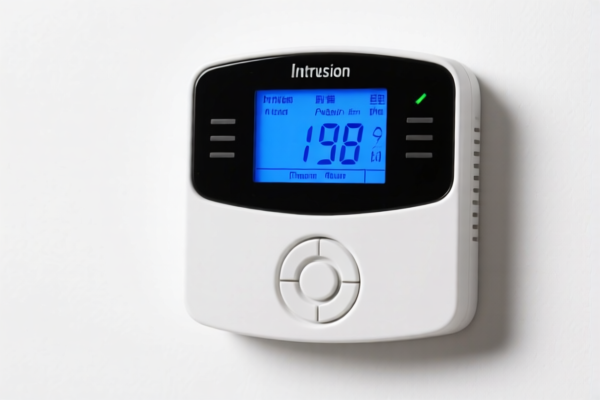
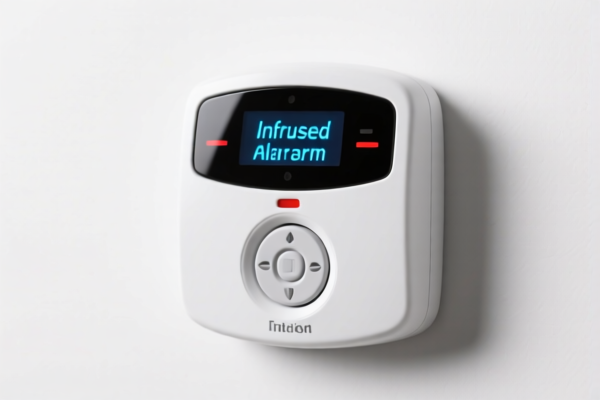
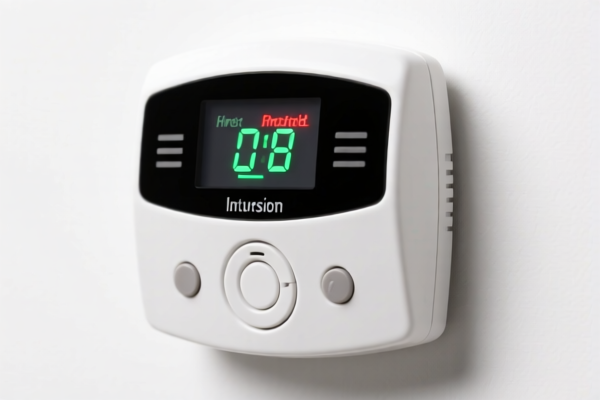
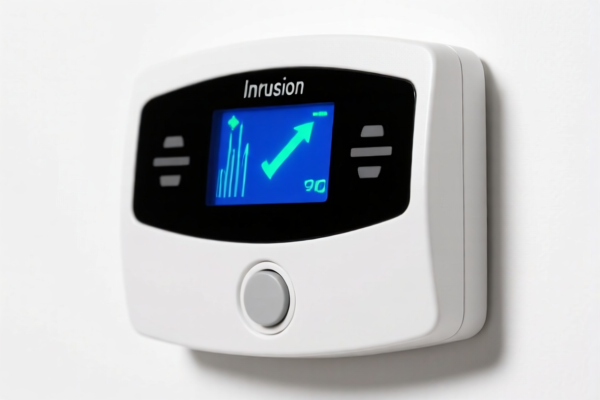
AI Analysis
🐾 Pet Intrusion Alarm Detector (Animal Discrimination Sensor)
🌐 HS Code Reference & Customs Clearance Guide | 2026 Latest Tariff Analysis | Professional Compliance Strategy 📌 I. Product Definition & Classification: Do You Really Understand "Pet Detectors"?
A Pet Intrusion Alarm Detector is an advanced security device designed to distinguish between human intruders and household pets (cats, dogs, etc.). Unlike standard motion sensors, these devices use dual-technology (PIR + Microwave) or advanced algorithmic filtering to ignore movements below a certain weight or height threshold.
In international trade, these fall under Chapter 85 (Electrical Machinery and Equipment), specifically as Signaling Apparatus.
⚠️ Critical Distinction: - If the device is part of a complete Home Security System with a central control panel, it may be considered a "part" (Heading 8531.10.00.90). - If sold as a standalone smoke/fire detection or burglar alarm unit with its own housing and power source, it is classified under 8531.10.00. - Key Differentiator: Does it trigger a visual/audible alarm internally or send a signal to a panel? Standalone units go to 8531.10.
📦 II. HS Code Classification Details (2026 Latest Tariff Authority)
Based on the provided data, there are two specific HS Codes for Pet Intrusion Alarm Detectors. The choice depends on the specific type of alarm technology (Smoke/Fire vs. Burglar).
| HS Code | Product Description | Application Scenario | Key Characteristics |
|---|---|---|---|
8531.10.00.25 |
Smoke Detectors (Other) | Fire safety systems with pet discrimination | ❌ NOT for Burglar Alarms Only if the device is primarily a fire/smoke detector with pet-filtering features. |
8531.10.00.35 |
Burglar Alarms (Other) | Security systems, motion sensors, pet-friendly intrusion detectors | ✅ Primary Choice for Security Standard pet-proof motion detectors, PIR sensors, and microwave sensors that alert against intruders. |
🔍 Focus Recommendation: - For a "Pet Intrusion Alarm" (security purpose), the correct HS Code is almost certainly
8531.10.00.35. - Do NOT use8531.10.00.25unless the product is explicitly a fire/smoke detector that happens to ignore pets. Using the wrong code can lead to customs delays or misclassification penalties.
💰 III. 2026 Tariff Rate Details (Including Additional Taxes)
✅ Applicable Country: United States (US) ✅ Origin: China (CN) ✅ Effective Date: Current rates apply (No additional USITC/IEEPA tariffs for this specific heading)
🎯 1. 8531.10.00.35 —— Burglar Alarms (Including Pet-Proof Detectors)
| Item | Content |
|---|---|
| Base Tariff Rate | 0.0% (Ad Valorem) |
| Section 301 Additional Tariff | 0.0% |
| Total Tariff Rate | 0.0% |
| Tax Calculation | CIF Value × 0% = $0 |
| De Minimis Eligibility | ✅ Yes (If under $800, generally eligible for Section 321 entry, but check specific carrier rules) |
| Legal Basis Path | USITC:8531.10.00.35 |
📌 Explanation: - Base Duty: 0% for all burglar alarm apparatus under Heading 8531. - Additional Duties: Unlike display panels or semiconductors, burglar alarms (HS 8531) are NOT subject to the 25% Section 301 tariffs or 10% IEEPA tariffs mentioned in other categories. - Result: Zero Additional Tax Burden. This is a highly favorable classification for cost-sensitive imports.
🎯 2. 8531.10.00.25 —— Smoke Detectors (For Reference)
| Item | Content |
|---|---|
| Base Tariff Rate | 0.0% |
| Additional Tariffs | 0.0% |
| Total Tariff Rate | 0.0% |
📌 Note: Even if misclassified as a smoke detector, the tariff remains 0%. However, regulatory compliance (UL/ETL listing for fire safety) is much stricter than for security sensors.
🛠️ IV. Customs Clearance Practical Advice (Real-World Pitfall Guide)
✅ 1. Documentation Checklist (Required)
| Document | Must Provide | Description |
|---|---|---|
| ✅ Product Specification Sheet | ✔️ | Must specify: "Pet Immunity" weight/height thresholds (e.g., ignores pets < 30kg, < 40cm). |
| ✅ Technical Diagram | ✔️ | Show sensor type (PIR/Microwave) and signal output (N/C contacts, RF, Zigbee). |
| ✅ Product Photos | ✔️ | Clear images of label, model number, and any "Pet-Proof" logos. |
| ✅ Commercial Invoice | ✔️ | Description: "Pet-Proof Microwave/PIR Motion Sensor for Burglar Alarm System" |
| ✅ Certifications | ✔️ | FCC ID (for wireless), CE (if EU), UL/ETL (highly recommended for security devices). |
| ✅ Packing List | ✔️ | Include batteries if installed (note: lithium batteries require special handling). |
✅ 2. Declaration Tips (Key Mantras)
🔥 "Be Specific: 'Security Sensor', Not Just 'Alarm'"
| Scenario | Correct Declaration | Wrong Practice |
|---|---|---|
| Standalone Pet Motion Sensor | 8531.10.00.35 – Pet-Proof Burglar Alarm Sensor |
Vague: "Electronic Device" → Risk of audit |
| Part of a Panel (No Housing) | 8531.10.00.90 – Parts of Signaling Apparatus |
Misdeclare as finished good |
| Fire Detector with Pet Filter | 8531.10.00.25 – Smoke Detector |
Use security code → Regulatory non-compliance |
📌 Important: - If the device is wireless (Zigbee/Z-Wave), mention it in the description for FCC compliance. - If it includes lithium batteries, ensure proper UN38.3 testing documentation is available.
✅ 3. Special Circumstances
| Situation | Handling Advice |
|---|---|
| Lithium Battery Included | Must declare battery capacity (Wh) and type. May require special carrier surcharges. |
| OEM Custom Branding | Provide authorization letter to avoid IP issues at customs. |
| Dual-Technology Sensors | Specify "PIR + Microwave" in description to justify security classification. |
🌍 V. Global Market Comparison (2026 Latest)
| Country/Region | Recommended HS Code | Tariff | Certification Requirement | Notes |
|---|---|---|---|---|
| 🇺🇸 USA | 8531.10.00.35 |
0% | FCC + UL/ETL (Recommended) | Lowest Duty Risk |
| 🇨🇳 China | 8531.10.00.35 |
~5-10% | CCC (Optional for export) | No Section 301 impact |
| 🇪🇺 EU | 8531.10.00 |
0-4.5% | CE + RoHS + RED (Wireless) | VAT varies by country |
| 🇬🇧 UK | 8531.10.00 |
0-4.5% | UKCA + UK RoHS | Post-Brexit rules apply |
📌 Conclusion: - The US market offers the best tariff advantage (0%) for pet intrusion detectors under HS 8531.10.35. - No additional Section 301 tariffs apply, making this a highly competitive import category.
📌 VI. Common Errors & Pitfall Guide (Lessons Learned)
❌ Error 1: Classifying as "Home Automation Hub" (8517.62)
👉 Consequence: Higher duty (~0-6.5%) + Incorrect regulatory scope.
✅ Fix: It is a signaling apparatus, not a telecommunications device.
❌ Error 2: Using 8531.10.00.25 for Burglar Alarms
👉 Consequence: While tax is 0% for both, Fire Safety Regulations (UL 217) are stricter than Security Regulations. Misclassification may lead to inspection if the product is actually a fire detector.
✅ Fix: Be precise. If it detects smoke/fire, use .25. If it detects intrusion, use .35.
❌ Error 3: Ignoring Battery Compliance 👉 Consequence: Cargo held at customs due to improper lithium battery declaration. ✅ Fix: Always declare battery type and UN38.3 compliance if applicable.
🎯 VII. Conclusion: Smart Clearance, Zero Tariff, Safe Import
🎯 Key Takeaway:
🔹 "Pet Detector → HS 8531.10.00.35 → 0% Tariff → Zero Risk"
🔹 "Don't overcomplicate: It's a Burglar Alarm, not a Computer!"
📌 Pro Tip: - Ensure your FCC ID is visible on the device. - Use the description: "Pet-Proof Passive Infrared (PIR) Motion Sensor for Security System". - This classification is highly favorable for US imports, with no additional taxes.
📣 Immediate Action:
📞 Verify FCC Certification
📄 Prepare Spec Sheet highlighting "Pet Immunity"
🚀 Ship with Confidence – 0% Duty!
✨ Professional Customs Clearance Starts with Precise Classification!
💼 Save Time, Save Money, Avoid Audits!
Customer Reviews
About HS Code Classification
The Harmonized System (HS) is an internationally standardized nomenclature developed by the World Customs Organization (WCO) to classify traded products. Over 200 countries use the HS system as the basis for customs tariffs, trade statistics, and import/export regulations.
Each HS code follows a hierarchical structure:
- Chapter (2 digits) — Broad category of goods (e.g., Chapter 84: Machinery and Mechanical Appliances)
- Heading (4 digits) — More specific grouping within the chapter
- Subheading (6 digits) — Internationally standardized breakdown, used by all WCO member countries
- National subdivisions (8-10 digits) — Country-specific extensions for further classification, such as US HTSUS 10-digit codes
Correct HS code classification is essential for smooth customs clearance, accurate duty payment, and compliance with trade regulations. Misclassification can lead to customs delays, overpayment of duties, or penalties.
When importing from CN to US, the applicable tariff rates may include:
- Most-Favored-Nation (MFN) rate — The standard duty rate applied to WTO members
- General rate — Applied to countries without trade agreements
- Trade remedy duties — Additional tariffs such as Section 301 (anti-dumping), Section 232 (national security), or countervailing duties
The information provided on this page is for reference purposes only. For official classification, please consult with your local customs authority or a licensed customs broker.