Pet Isolation Net
CN → US| HS Code | Tariff Rate | Origin | Destination | Doc |
|---|---|---|---|---|
| 7326908688 | 87.9% | CN | US | Official Doc |
| 3926909989 | 22.8% | CN | US | Official Doc |
| 3926904800 | 13.4% | CN | US | Official Doc |
| 7326200090 | 88.9% | CN | US | Official Doc |
| 8302496085 | 90.7% | CN | US | Official Doc |
Product Images
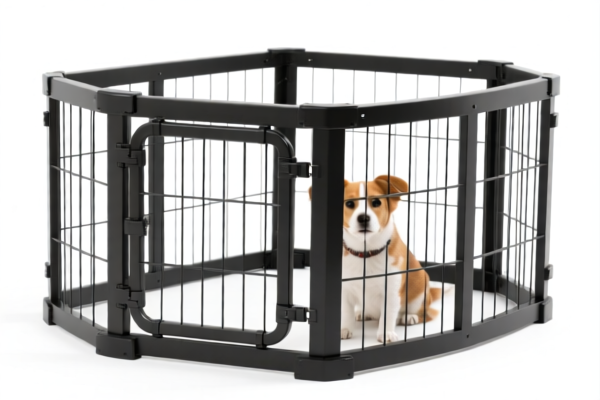
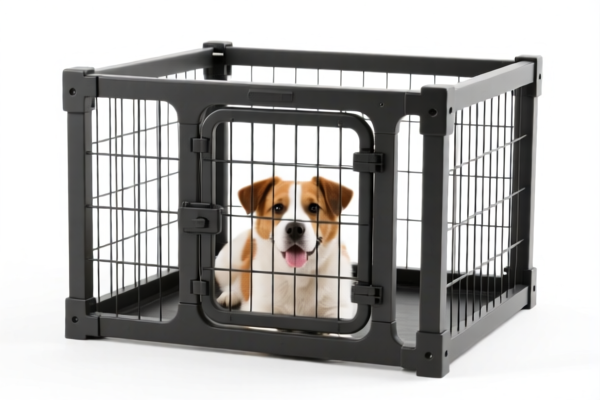
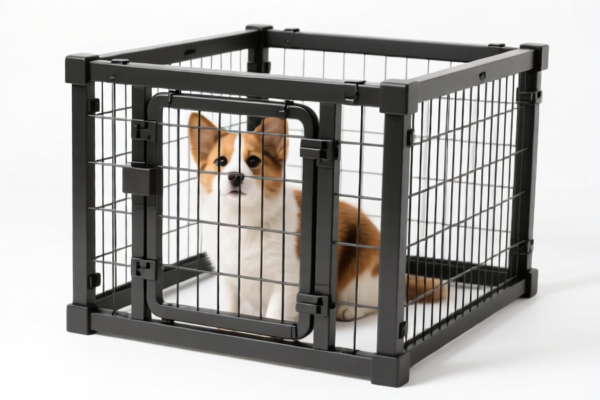
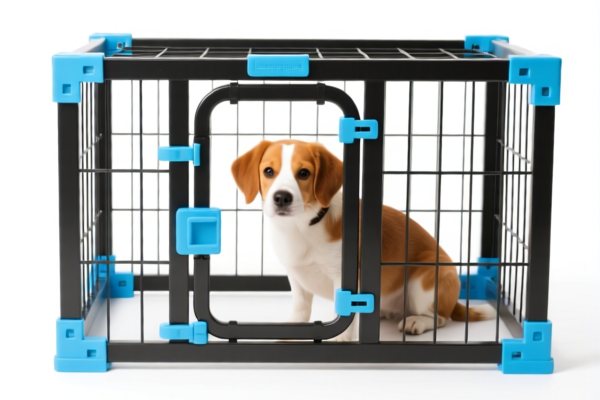
AI Analysis
🐾 Pet Isolation Net: The Ultimate Customs Classification & Tax Strategy Guide | 2026 Edition
🌐 HS Code Reference & Clearance Guide | 2026 Latest Tariff Analysis | Professional Clearance Strategy
📌 Part I: Product Definition & Classification – What Exactly is a "Pet Isolation Net"?
A Pet Isolation Net (often used for baby gates, pet barriers, or crate dividers) is a mesh structure designed to restrict movement. In international trade, its classification is highly sensitive to two factors: 1. Material (Metal vs. Plastic) 2. Function (General Mesh Product vs. Specific Fitting/Accessory)
⚠️ Key Distinction:
- If it is a plastic mesh → It falls under Chapter 39 (Plastics).
- If it is a metal mesh → It falls under Chapter 73 (Iron/Steel) or Chapter 83 (Miscellaneous Articles of Base Metal).
- If it acts as a door/window fitting → It may fall under 8302 (Base Metal Fittings).
📦 Part II: HS Code Classification Details (2026 Latest Tariff Concordance)
Based on the provided data, here are the five potential HS Codes, ranked by tax efficiency and logical fit.
| HS Code | Product Description | Material Inference | Key Classification Logic | Total Tax Rate |
|---|---|---|---|---|
3926.90.99.89 |
Other Plastic Articles | Plastic (PE/PP) | Non-metallic mesh structure. No conflict with exclusion lists. Lowest tariff base. | 22.8% |
7326.90.86.88 |
Other Iron/Steel Articles | Iron/Steel | General metal mesh not listed elsewhere. "Other" category fallback. | 87.9% |
7326.20.00.90 |
Other Iron/Steel Wire Articles | Iron/Steel | Inferred as wire mesh. Not a conveyor belt, hanger, or roller frame. | 88.9% |
8302.41.60.80 |
Base Metal Fittings (Other) | Metal (Steel/Alum) | Classified as an installation accessory. Not for curtains/doors specifically, but a "general" fitting. | 88.9% |
8302.49.60.85 |
Base Metal Fittings (Other) | Metal or Plastic | Fallback for metal/plastic mesh used in fences/partitions. Broader "Other" category. | 90.7% |
🔍 Critical Note:
- The Plastic option (3926...) offers massive tax savings (22.8% vs ~88-90% for metal).
- If the material is mixed (e.g., metal frame with plastic mesh), customs may still classify it based on the essential character or the major component, often leading to the higher 8302 or 7326 classifications.
- No Metal Exemption: None of the metal codes listed here enjoy the de minimis exemption due to the high combined tax rates.
💰 Part III: 2026 Latest Tariff Rate Breakdown (Including Surcharges)
✅ Applicable Country: United States (US)
✅ Origin: China (CN)
✅ Effective Date: Post-November 10, 2025
🎯 1. 3926.90.99.89 – Plastic Pet Net (BEST OPTION)
| Item | Detail |
|---|---|
| Base Duty | 5.3% |
| Section 301 Surcharge | +7.5% |
| Section 122 (Steel/Alu/Cu) | N/A (Plastic is not steel/aluminum/copper) |
| Total Effective Tax | 12.8% (Base + Section 301) |
| Total Burden (incl. other fees) | 22.8% |
| De Minimis Exemption | ⚠️ Check Status: While base rates are low, Section 301 goods from China often face stricter scrutiny. However, plastic nets generally do not trigger the 50% Section 122 tariff. |
| Legal Path | USITC:3926.90.99.89 → Section 301: 7.5% |
📌 Explanation:
- This is the only code that avoids the punitive 25% Section 301 and 50% Section 122 tariffs listed in the other codes.
- Crucial: You must ensure the product is 100% plastic or predominantly plastic. If it has metal hinges, wires, or frames, this code may be rejected.
🎯 2. 7326.90.86.88 – Iron/Steel Net (Metal Fallback)
| Item | Detail |
|---|---|
| Base Duty | 2.9% |
| Section 301 Surcharge | +25.0% |
| Section 122 (Steel/Alu/Cu) | +50.0% |
| Total Effective Tax | 77.9% (Base + 301 + 122) |
| Total Burden (incl. other fees) | 87.9% |
| De Minimis Exemption | ❌ DENIED |
| Legal Path | IEEPA:9903.01.25 → USITC:7326.90.86.88 → Section 122: 50% |
📌 Explanation:
- Section 122 (50%) applies because this is a steel/iron article.
- Section 301 (25%) applies because it is from China.
- Total ~88%: This is extremely high. Only choose this if the product is definitively metal and cannot be classified elsewhere.
🎯 3. 7326.20.00.90 & 8302.41.60.80 – High-Tax Metal Codes
| Item | Detail |
|---|---|
| Base Duty | 3.9% |
| Section 301 Surcharge | +25.0% |
| Section 122 (Steel/Alu/Cu) | +50.0% |
| Total Effective Tax | 78.9% |
| Total Burden (incl. other fees) | 88.9% |
| De Minimis Exemption | ❌ DENIED |
📌 Explanation:
- These codes carry the same 75% surcharge (25% + 50%) as above.
-8302.41is for "Fittings," which might apply if the net is specifically designed to be mounted as a gate/door component.
🎯 4. 8302.49.60.85 – Highest Tax Metal Code
| Item | Detail |
|---|---|
| Base Duty | 5.7% |
| Section 301 Surcharge | +25.0% |
| Section 122 (Steel/Alu/Cu) | +50.0% |
| Total Effective Tax | 80.7% |
| Total Burden (incl. other fees) | 90.7% |
| De Minimis Exemption | ❌ DENIED |
📌 Explanation:
- This is the most expensive classification. It is a "catch-all" for metal/plastic fittings not specified elsewhere.
- Avoid this code if a more specific metal code (7326or8302.41) or the plastic code (3926) is applicable.
🛠️ Part IV: Customs Clearance Practical Advice (Avoid Pitfalls)
✅ 1. Preparation Checklist (Non-Negotiable)
| Document | Required? | Purpose |
|---|---|---|
| Product Photos | ✔️ | To prove material composition (plastic vs. metal). |
| Bill of Materials (BOM) | ✔️ | To show % of metal vs. plastic. Critical for 3926 vs 8302 dispute. |
| Commercial Invoice | ✔️ | Must describe item as "Plastic Pet Barrier Mesh" or "Metal Pet Gate Net". |
| Certificate of Origin (CO) | ✔️ | To prove Chinese origin (triggers Section 301/122). |
| Structure Diagram | ✔️ | To show if it is a "fitting" (8302) or a "general article" (7326). |
✅ 2. Decleration Strategy (Key Mantras)
🔥 "Plastic is King, Metal is Sting! Name it right, save the light!"
| Scenario | Correct Declaration | Risk if Wrong |
|---|---|---|
| 100% Plastic Net | 3926.90.99.89 Desc: Plastic Pet Isolation Net |
If misdeclared as metal → 88-90% Tax instead of 22.8%. |
| Metal Frame + Plastic Mesh | Likely 8302 or 7326 |
Customs may view the metal frame as the essential character. |
| All-Metal Wire Net | 7326.20.00.90 or 7326.90.86.88 |
Do not use 3926. If caught, heavy penalties. |
| Pet Gate (Full Assembly) | 8302.41.60.80 |
If it includes hinges/brackets, 8302 is more accurate than 7326. |
✅ 3. Special Handling Tips
- Material Verification: If your product has metal hinges, hooks, or frames, you cannot use
3926.90.99.89(Plastic). Customs will reclassify it to 8302 or 7326, triggering the ~88-90% tax. - Section 122 Trap: The 50% Section 122 tariff applies to Steel, Aluminum, and Copper products from China. Since Pet Nets are often steel or aluminum, this is the biggest cost driver.
- No De Minimis: Do not attempt to use Section 321 (de minimis) for these items if they are classified under Section 122 or high-tier Section 301 codes. The risk of seizure or retroactive taxation is too high.
🌍 Part V: Global Market Comparison (2026)
| Market | Recommended HS Code | Est. Total Tax (China Origin) | Key Requirement |
|---|---|---|---|
| 🇺🇸 USA | 3926.90.99.89 (Plastic) 8302.49.60.85 (Metal) |
22.8% (Plastic) 90.7% (Metal) |
Section 122 & 301 apply to metals. |
| 🇪🇺 EU | 3926.90 or 8302 |
0-4% (Plastic) 0-3% (Metal) |
No Section 122/301. Much lower tax. |
| 🇨🇳 China | 3926.90 or 7326 |
5-10% | Standard import duty. |
| 🇨🇦 Canada | 3926.90 or 8302 |
5-6% | MFN rates apply. No Section 122. |
📌 Conclusion:
- The US market is punitive for metal pet nets due to Section 122/301.
- Plastic nets are the only viable low-tax entry for the US.
- Consider supply chain diversification (e.g., manufacturing metal nets in Vietnam/Mexico) to avoid Chinese origin surcharges.
📌 Part VI: Common Errors & Pitfalls (Blood Lessons)
❌ Error 1: Calling a metal net "Plastic" to save tax.
👉 Result: Customs inspection reveals metal → 88% tax + fines.
❌ Error 2: Using 3926 for a net with metal hinges.
👉 Result: Rejected. Reclassified to 8302 → 90.7% tax.
❌ Error 3: Ignoring Section 122.
👉 Result: Assuming 25% total tax, but actually 75%+ due to Section 122 on steel.
✅ Correct Approach:
"Be 100% Plastic to save 66%. If Metal, Prepare for 88%. Declare Material Clearly."
🎯 Part VII: Conclusion – Professional Declaration, Cost Savings!
🎯 Remember the Mantra:
🔹 "Plastic Mesh? Go
3926– 22.8% Tax.
🔹 Metal Mesh? Go8302– 90% Tax.
🔹 Mix Material? Risk Reclassification.
🔹 Always Verify Origin – Section 122 Kills Profits!"
📌 Pro Tip:
If you must ship metal pet nets to the US, consider:
1. Dismantling (if possible) to separate components.
2. Transshipment through a non-China country (though rules of origin still apply).
3. Pre-Arbitration Ruling from CBP to confirm HS Code before shipping.
📣 Immediate Action Required:
📞 Contact Customs Broker + Provide Material Spec + Confirm HS Code Pre-Ruling.
🚀 Ensure Smooth Clearance, Avoid 90% Taxes, Protect Your Margins!
✨ Professional Clearance Starts with Accurate Classification!
💼 Every Percent of Tax is a Percent of Profit Lost!
Customer Reviews
About HS Code Classification
The Harmonized System (HS) is an internationally standardized nomenclature developed by the World Customs Organization (WCO) to classify traded products. Over 200 countries use the HS system as the basis for customs tariffs, trade statistics, and import/export regulations.
Each HS code follows a hierarchical structure:
- Chapter (2 digits) — Broad category of goods (e.g., Chapter 84: Machinery and Mechanical Appliances)
- Heading (4 digits) — More specific grouping within the chapter
- Subheading (6 digits) — Internationally standardized breakdown, used by all WCO member countries
- National subdivisions (8-10 digits) — Country-specific extensions for further classification, such as US HTSUS 10-digit codes
Correct HS code classification is essential for smooth customs clearance, accurate duty payment, and compliance with trade regulations. Misclassification can lead to customs delays, overpayment of duties, or penalties.
When importing from CN to US, the applicable tariff rates may include:
- Most-Favored-Nation (MFN) rate — The standard duty rate applied to WTO members
- General rate — Applied to countries without trade agreements
- Trade remedy duties — Additional tariffs such as Section 301 (anti-dumping), Section 232 (national security), or countervailing duties
The information provided on this page is for reference purposes only. For official classification, please consult with your local customs authority or a licensed customs broker.