Pet Milk Bottle
CN → US| HS Code | Tariff Rate | Origin | Destination | Doc |
|---|---|---|---|---|
| 3923300010 | 38.0% | CN | US | Official Doc |
| 7013993000 | 26.5% | CN | US | Official Doc |
| 3923300090 | 38.0% | CN | US | Official Doc |
| 7013492090 | 32.5% | CN | US | Official Doc |
| 3924900500 | 20.6% | CN | US | Official Doc |
Product Images
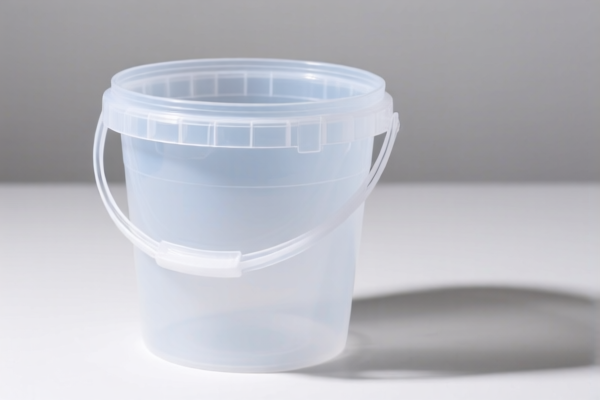
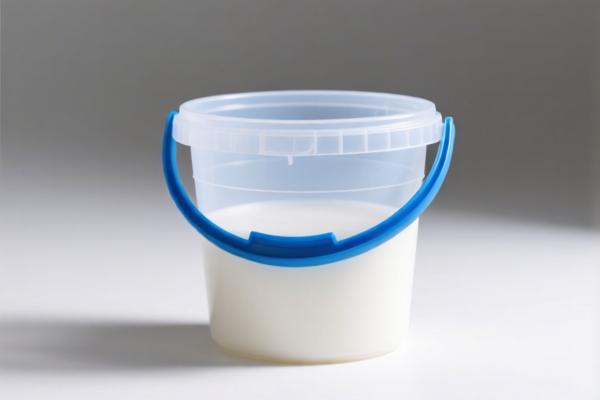
AI Analysis
🍼 Pet Milk Bottle (Plastic Feeding Utensils)
🌐 HS Code Reference & Customs Clearance Guide | 2026 Latest Tariff Analysis | Professional Strategy for Baby Products
📌 I. Product Definition & Classification: Understanding "Pet Milk Bottles"
In international trade, the term "Pet Milk Bottle" can be ambiguous. It typically refers to two distinct categories: 1. Human Infant Bottles: Bottles designed for feeding babies (Plastic or Glass). 2. Pet Feeding Bottles: Bottles designed for feeding young animals (cats, dogs, etc.).
Crucial Distinction for Customs:
Under the current data provided (which aligns with US trade regulations including Section 301 and IEEPA measures), the classification depends heavily on the material and the specific intended use description in commercial invoices.
⚠️ Key Classification Point:
- If declared as "Baby Feeding Utensils" (Infant), it falls under 3924.90.05.00.
- If declared simply as "Plastic Bottles" (Generic), it falls under 3923.30.00.
- If declared as "Glass Tableware/Kitchenware", it falls under 7013.49.20.90.
- Note: Glass infant bottles specifically are often grouped under general glass items unless specified as specialized medical/infant ware, hence the 7013 code in this dataset.
📦 II. HS Code Classification Details (Based on Provided Data)
| HS Code | Product Description | Material | Specific Use/Nature |
|---|---|---|---|
3923.30.00.10 |
Plastic Milk Bottles (Bottle Form) | Plastic | Generic plastic bottles; not specified as infant utensils in this line item. |
3923.30.00.90 |
Large Plastic Bottles & Similar Articles | Plastic | Large capacity plastic containers; general purpose. |
3924.90.05.00 |
Plastic Baby Feeding Utensils | Plastic | Specifically for Infants. This is the most accurate for human baby bottles. |
7013.99.30.00 |
Glass Milk Bottles (Other Glass Articles) | Glass | Glass bottles, categorized under other glass articles. |
7013.49.20.90 |
Glass/Tableware Kitchenware (Glass/Plastic) | Glass/Plastic | General glass/plastic tableware or kitchen utensils. |
🔍 Critical Analysis:
- For Human Baby Bottles, the most specific and likely code is3924.90.05.00(Plastic Baby Feeding Utensils).
- If your "Pet Milk Bottle" is actually for animals, customs may still view it as a general plastic container (3923.30.00.10) or tableware (7013.49.20.90) depending on shape and marketing.
- Glass Bottles (whether for babies or pets) are classified under7013.99.30.00or7013.49.20.90in this dataset.
💰 III. 2026 Latest Tariff Rate Breakdown (US Market)
✅ Target Market: United States (US)
✅ Origin: China (CN)
✅ Effective Date: Rates include Section 301 & IEEPA surcharges.
🎯 1. 3924.90.05.00 —— Plastic Baby Feeding Utensils (Best for Human Baby Bottles)
| Item | Detail |
|---|---|
| Base Duty | 3.1% |
| Section 301 Surcharge | +7.5% |
| IEEPA Surcharge | +10.0% (Section 122) |
| Total Tax Rate | 20.6% |
| Tax Calculation | CIF Value × 20.6% |
| De Minimis Exemption | ❌ Not Eligible (High-duty goods often scrutinized) |
| Legal Path | Base Tariff → USITC Footnote → IEEPA Section 122 |
📌 Explanation:
- This code has the lowest total tax rate (20.6%) among the options provided.
- It is specifically designed for infant feeding items, ensuring proper classification for baby products.
- Recommendation: Use this code for human baby bottles to minimize tariff burden compared to generic plastic bottles (38%).
🎯 2. 3923.30.00.10 —— Plastic Milk Bottles (Generic/Other)
| Item | Detail |
|---|---|
| Base Duty | 3.0% |
| Section 301 Surcharge | +25.0% |
| IEEPA Surcharge | +10.0% (Section 122) |
| Total Tax Rate | 38.0% |
| Tax Calculation | CIF Value × 38.0% |
| De Minimis Exemption | ❌ Not Eligible |
📌 Explanation:
- If your bottle is classified as a "generic plastic bottle" rather than "baby utensil," the tax jumps to 38%.
- This is 17.4% higher than the baby utensil code.
- Risk: Misclassifying a baby bottle as a generic bottle leads to overpayment. Misclassifying a generic bottle as a baby bottle leads to customs penalties.
🎯 3. 3923.30.00.90 —— Large Plastic Bottles
| Item | Detail |
|---|---|
| Base Duty | 3.0% |
| Section 301 Surcharge | +25.0% |
| IEEPA Surcharge | +10.0% (Section 122) |
| Total Tax Rate | 38.0% |
| Tax Calculation | CIF Value × 38.0% |
📌 Explanation:
- Applies to large-capacity plastic containers. Not suitable for standard milk bottles unless they are bulk storage containers (>1L+).
🎯 4. 7013.99.30.00 —— Glass Milk Bottles (Other Glass Articles)
| Item | Detail |
|---|---|
| Base Duty | 9.0% |
| Section 301 Surcharge | +7.5% |
| IEEPA Surcharge | +10.0% (Section 122) |
| Total Tax Rate | 26.5% |
| Tax Calculation | CIF Value × 26.5% |
📌 Explanation:
- For Glass Bottles, this is a specific category.
- Total Rate: 26.5%.
- Cheaper than plastic generic bottles (38%) but more expensive than plastic baby utensils (20.6%).
🎯 5. 7013.49.20.90 —— Glass/Plastic Tableware/Kitchenware
| Item | Detail |
|---|---|
| Base Duty | 22.5% |
| Section 301 Surcharge | +0.0% |
| IEEPA Surcharge | +10.0% (Section 122) |
| Total Tax Rate | 32.5% |
| Tax Calculation | CIF Value × 32.5% |
📌 Explanation:
- This code has a high base duty (22.5%) but 0% Section 301 surcharge.
- Total Rate: 32.5%.
- Useful if the bottle is marketed as general "tableware" or "kitchen utensil" rather than infant/pet specific.
🛠️ IV. Customs Clearance Practical Advice (Pitfall Avoidance)
✅ 1. Documentation Checklist (Must-Have)
| Document | Required? | Notes |
|---|---|---|
| ✅ Commercial Invoice | ✔️ | Must clearly state "Plastic Baby Bottle" or "Pet Feeding Bottle." Avoid vague terms like "Plastic Container." |
| ✅ Product Photos | ✔️ | Show the nipple, cap, and any markings (e.g., "BPA Free," "For Infants," or "For Cats/Dogs"). |
| ✅ Material Declaration | ✔️ | Specify PP, PC, or Glass. Crucial for determining HS Code (3924 vs 7013). |
| ✅ Usage Declaration | ✔️ | Explicitly state intended use: "Human Infant Feeding" vs. "Pet Feeding." |
✅ 2. Classification Strategy (Key Mnemonic)
🔥 "Specify Use, Avoid Generic!"
| Scenario | Recommended HS Code | Total Tax | Why? |
|---|---|---|---|
| Human Baby Bottle (Plastic) | 3924.90.05.00 |
20.6% | Lowest tax; specific to infant use. |
| Human Baby Bottle (Glass) | 7013.99.30.00 |
26.5% | Specific glass article code. |
| Pet Bottle (Plastic) | 3923.30.00.10 |
38.0% | Likely classified as generic plastic bottle if not "baby" utensil. |
| Pet Bottle (Glass) | 7013.49.20.90 |
32.5% | Classified as tableware/kitchenware. |
| Generic Plastic Bottle | 3923.30.00.10 |
38.0% | High tariff due to Section 301. |
✅ 3. Special Handling Tips
- For Pet Bottles: If you are selling bottles for cats/dogs, do NOT declare them as "Baby Bottles." Customs may reject the false declaration. Instead, declare as "Plastic Pet Feeding Utensils" and consider using
3923.30.00.10or7013.49.20.90if applicable. However, some experts argue that pet bottles can be classified as "articles for animal use" which might have different rules, but based strictly on the provided data, the generic plastic codes apply. - Avoid Ambiguity: Do not use the term "Milk Bottle" alone. Always add "Infant," "Baby," "Pet," or "Plastic/Glass" to the description.
- IEEPA Section 122: Note that all codes in the provided data include a 10% IEEPA surcharge. This is non-negotiable for Chinese-origin goods in this dataset.
🌍 V. Global Market Comparison (2026)
| Region | Recommended HS Code | Estimated Total Tax | Notes |
|---|---|---|---|
| 🇺🇸 USA | 3924.90.05.00 (Plastic Baby) |
20.6% | Best option for human baby bottles. |
| 🇨🇳 China | 3924.90.05.00 |
~13% (Base) | No Section 301/IEEPA. Lower import duty. |
| 🇪🇺 EU | 3924.90.90 |
~6.5% (Base) | Check for EU-specific tariffs. |
| 🇬🇧 UK | 3924.90.90 |
~4% (Base) | Post-Brexit tariffs may vary. |
📌 Conclusion for US Market:
- Plastic Baby Bottles are the most tax-efficient at 20.6%.
- Generic Plastic Bottles are penalized at 38%.
- Glass Bottles sit in the middle at 26.5% - 32.5%.
📌 VI. Common Mistakes & Pitfalls (Blood Lessons)
❌ Mistake 1: Declaring a Pet Bottle as a Baby Bottle
👉 Consequence: Customs may accept it initially, but if inspected and found to be for pets, it could lead to re-classification, penalties, or seizure for false declaration.
👉 Correct Approach: Clearly mark "For Pet Use" and use appropriate generic codes.
❌ Mistake 2: Declaring Baby Bottles as Generic Plastic Bottles (3923.30.00.10)
👉 Consequence: You pay 38% tax instead of 20.6%. You lose 17.4% profit margin unnecessarily.
👉 Correct Approach: Use 3924.90.05.00 for infant-specific items.
❌ Mistake 3: Ignoring the IEEPA 10% Surcharge
👉 Consequence: Unexpected costs at customs.
👉 Correct Approach: Include the 10% IEEPA in all cost calculations. It applies to all codes in this dataset.
🎯 VII. Conclusion: Professional Classification, Maximum Savings!
🎯 Remember the Golden Rule:
🔹 "Be Specific: 'Baby' vs. 'Generic' is a 17.4% Tax Difference!"
🔹 "Glass is More Expensive than Plastic Baby Utensils (26.5% vs 20.6%)!"
🔹 "Pet Bottles are Not Baby Bottles: Don't Misdeclare!"
📌 Pro Tip:
If your product is Plastic and intended for Infants, always choose 3924.90.05.00. It offers the lowest total tax rate (20.6%) and is legally accurate.
If your product is Pet-specific, prepare for higher taxes (32.5% - 38%) and ensure your documentation clearly states "Pet Feeding" to avoid fraud allegations.
📣 Immediate Action:
📞 Confirm Material & Use (Plastic/Glass? Baby/Pet?)
🚀 Select HS Code from the table above.
📄 Draft Invoice with precise descriptions.
Optimize Your Supply Chain with Accurate Customs Data!
✨ Professional Clearance Starts with Precise Classification!
💼 Every Percentage Point Matters in Tariffs!
Customer Reviews
About HS Code Classification
The Harmonized System (HS) is an internationally standardized nomenclature developed by the World Customs Organization (WCO) to classify traded products. Over 200 countries use the HS system as the basis for customs tariffs, trade statistics, and import/export regulations.
Each HS code follows a hierarchical structure:
- Chapter (2 digits) — Broad category of goods (e.g., Chapter 84: Machinery and Mechanical Appliances)
- Heading (4 digits) — More specific grouping within the chapter
- Subheading (6 digits) — Internationally standardized breakdown, used by all WCO member countries
- National subdivisions (8-10 digits) — Country-specific extensions for further classification, such as US HTSUS 10-digit codes
Correct HS code classification is essential for smooth customs clearance, accurate duty payment, and compliance with trade regulations. Misclassification can lead to customs delays, overpayment of duties, or penalties.
When importing from CN to US, the applicable tariff rates may include:
- Most-Favored-Nation (MFN) rate — The standard duty rate applied to WTO members
- General rate — Applied to countries without trade agreements
- Trade remedy duties — Additional tariffs such as Section 301 (anti-dumping), Section 232 (national security), or countervailing duties
The information provided on this page is for reference purposes only. For official classification, please consult with your local customs authority or a licensed customs broker.