Pet Stairs
CN → US| HS Code | Tariff Rate | Origin | Destination | Doc |
|---|---|---|---|---|
| 4421919880 | 38.3% | CN | US | Official Doc |
| 4421999880 | 38.3% | CN | US | Official Doc |
| 3926909930 | 22.8% | CN | US | Official Doc |
| 3926909989 | 22.8% | CN | US | Official Doc |
| 4421919880 | 38.3% | CN | US | Official Doc |
Product Images
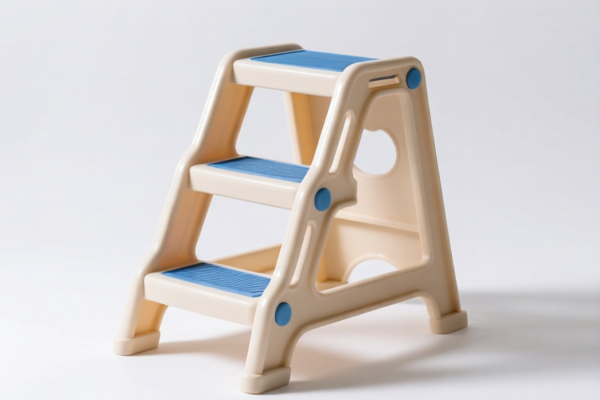
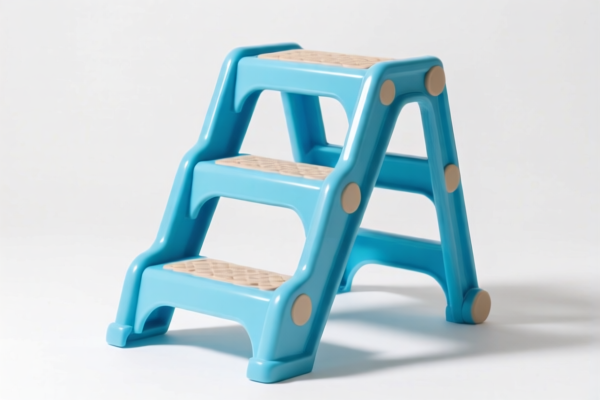
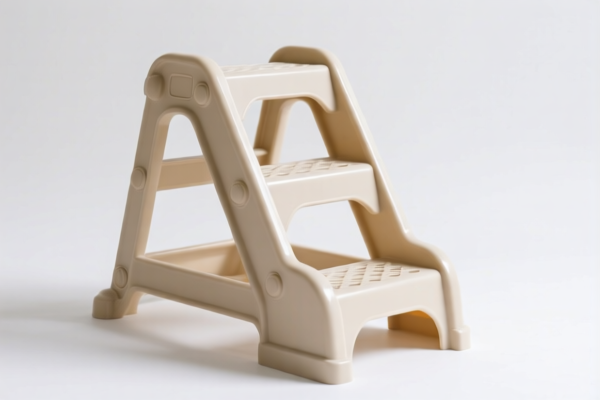
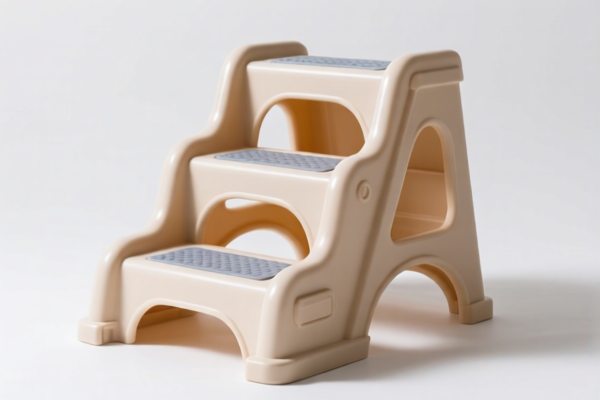
AI Analysis
🐾 Pet Stairs (Pet Steps/Ladders)
🌐 HS Code Reference & Customs Clearance Guide | 2026 Latest Tariff Analysis | Professional通关 Strategy
📌 1. Product Definition: What Exactly Are "Pet Stairs"?
Pet stairs (also known as pet steps or pet ladders) are assistive devices designed to help small dogs, cats, or elderly pets climb onto furniture (sofas, beds) or vehicles. They are essentially miniature ladders tailored for animal use.
In international trade, they are NOT classified as "pet accessories" (Chapter 96) but rather as furniture components or wooden/plastic articles, depending on their material and structure.
⚠️ Key Distinction Point:
- If made of wood/bamboo → Classified under Chapter 44 (Wood)
- If made of plastic/composite → Classified under Chapter 39 (Plastics)
- Note: They are NOT "Ladders for Human Use" (Chapter 94) because they are specifically designed for pets and lack human safety standards.
📦 2. HS Code Classification Details (2026 Latest Tariff Authority对照)
Based on the provided data, here are the accurate HS codes for Pet Stairs based on material:
| HS Code | Product Description | Material Attribute | Applicable Scenario |
|---|---|---|---|
4421.91.98.80 |
Wooden or Bamboo Pet Stairs, classified as other wooden articles | Wood / Bamboo | Wooden steps, bamboo ladders, natural material finishes |
4421.99.98.80 |
Other wooden articles, meeting the material attribute of pet stairs | Wood (Non-specific) | Non-standard wooden pet stairs not covered under 4421.91 |
3926.90.99.30 |
Plastic or Composite Pet Stairs, matching "Ladders" classification | Plastic / Composite | Foldable plastic steps, rubberized surfaces, molded plastic |
3926.90.99.89 |
Other plastic articles, suitable for plastic pet stairs | Plastic (Non-specific) | Generic plastic pet steps not listed elsewhere |
🔍 重点提醒 (Key Reminder):
- Wooden Pet Stairs: Must be declared under Chapter 44. Do NOT misclassify as "pet furniture" (which doesn't exist as a specific HS code).
- Plastic Pet Stairs: Classified under 3926.90 (Other articles of plastics).
- Mixed Materials: If the stair is predominantly wooden with plastic feet, it is still classified as Wooden (4421). If predominantly plastic with wooden grips, check the "essential character" rule, but typically Plastic (3926) is safer if plastic dominates volume.
💰 3. 2026 Latest Tariff Rate Breakdown (Including Surcharges & Policy Add-ons)
✅ Applicable Country: United States (US)
✅ Country of Origin: China (CN)
✅ Effective Date: Current tariffs apply (Section 301 + 122)
🎯 1. Wooden Pet Stairs (HS: 4421.91.98.80 & 4421.99.98.80)
| Item | Detail |
|---|---|
| Base Tariff | 3.3% (MFN Rate) |
| Section 301 Surcharge | +25.0% (Trade Act Section 301) |
| Section 122 Surcharge | +10.0% (Section 122, if applicable to specific wooden articles) |
| Total Tax Rate | 38.3% |
| Tax Calculation | CIF Value × 38.3% |
| De Minimis Exemption | ❌ Not Eligible (deny_de_minimis) |
| Legal Basis Path | USITC:4421.91.98.80 → Section 301: 25% → Section 122: 10% |
📌 Explanation:
- Wooden pet stairs are considered wooden furniture components or other wooden articles.
- They are NOT exempt from Section 301 tariffs.
- Total 38.3% is high, making wooden pet stairs expensive for US importers.
🎯 2. Plastic/Composite Pet Stairs (HS: 3926.90.99.30 & 3926.90.99.89)
| Item | Detail |
|---|---|
| Base Tariff | 5.3% (MFN Rate) |
| Section 301 Surcharge | +7.5% (Reduced Section 301 rate for certain plastic articles) |
| Section 122 Surcharge | +10.0% (Section 122, if applicable) |
| Total Tax Rate | 22.8% |
| Tax Calculation | CIF Value × 22.8% |
| De Minimis Exemption | ❌ Not Eligible (deny_de_minimis) |
| Legal Basis Path | USITC:3926.90.99.30 → Section 301: 7.5% → Section 122: 10% |
📌 Explanation:
- Plastic pet stairs have a lower total tariff (22.8%) compared to wooden ones (38.3%).
- This is a key cost-saving insight: If possible, switching to plastic/composite materials can reduce tariffs by ~15.5%.
🛠️ 4. Customs Clearance Practical Advice (Real-World Pitfall Avoidance Guide)
✅ 1. Document Checklist (All Required)
| Document | Mandatory | Notes |
|---|---|---|
| ✅ Product Specifications | ✔️ | Include dimensions, weight, material composition (e.g., "100% Bamboo," "ABS Plastic + Rubber") |
| ✅ Product Photos | ✔️ | Clear images showing no human-sized features, emphasizing "Pet Use Only" |
| ✅ Commercial Invoice | ✔️ | Must explicitly state "Pet Stairs" or "Pet Steps", NOT "Wooden Ladder" or "Furniture" |
| ✅ Bill of Lading/Air Waybill | ✔️ | Ensure weight matches invoice |
| ✅ Packing List | ✔️ | Detail packaging type (carton, foam) |
| ✅ Material Declaration | ✔️ | Critical for HS code determination. Specify if wood is treated/painted |
✅ 2. Declaration Tips (Crucial Keywords)
🔥 "Declare Accurately, Avoid 'Ladder' Trap!"
| Scenario | Correct Declaration | Incorrect Declaration | Consequence |
|---|---|---|---|
| Wooden Pet Stairs | "Pet Stairs, Wooden, For Dogs/Cats" | "Wooden Ladder" | Misclassification risk → Higher duty or seizure |
| Plastic Pet Stairs | "Pet Steps, Plastic, Foldable" | "Plastic Furniture" | Wrong HS code → Penalty |
| Mixed Material | "Pet Stairs, Bamboo Frame with Plastic Treads" | "Mixed Article" | Ambiguity → Customs audit delay |
📌 Key Point:
- Do NOT use the word "Ladder" unless necessary, as it may trigger "Human Use" scrutiny.
- Use "Pet Steps" or "Pet Stairs" consistently.
- Emphasize "Pet Use" in the description to justify Chapter 44/39 classification over Chapter 94 (Furniture) or 96 (Other).
✅ 3. Special Cases Handling
| Scenario | Handling Advice |
|---|---|
| OEM Custom Pet Stairs | Provide design drawings showing pet-specific dimensions (e.g., small step height) to prove non-human use |
| Pet Stairs with Upholstery | If fabric-covered, still classified by core material (wood/plastic). Do not classify as "Textile Product" |
| Import via De Minimis (Section 321) | ❌ Not Allowed for Pet Stairs. Even under $800, they are subject to full duty due to Section 301/122 applicability |
| Wooden with Chemical Treatment | Provide Fumigation Certificate if wood is untreated. Untreated wood may be rejected |
🌍 5. Global Market Comparison (2026 Latest)
| Country/Region | Recommended HS Code | Tariff (China Origin) | Certification Required | Notes |
|---|---|---|---|---|
| 🇺🇸 USA | 4421.91.98.80 (Wood) |
38.3% | None | High tariff due to Sec 301 + 122 |
| 🇺🇸 USA | 3926.90.99.30 (Plastic) |
22.8% | None | Lower tariff option |
| 🇨🇳 China | 4421.91.98.80 |
5-10% (Import) | CCC (if applicable) | Domestic trade varies |
| 🇪🇺 EU | 4421.99.98 |
3.5% - 6% | CE (if applicable) | No Section 301 equivalent |
| 🇬🇧 UK | 4421.99.98 |
3.5% | UKCA | Post-Brexit tariffs |
📌 Conclusion:
- USA has the highest tariffs for Pet Stairs due to trade wars.
- Plastic pet stairs are more tariff-efficient in the US market.
- EU/UK tariffs are significantly lower, making these markets more attractive for premium-priced products.
📌 6. Common Mistakes & Pitfalls (Lessons Learned)
❌ Mistake 1: Declaring Pet Stairs as "Ladders"
👉 Consequence: May be classified under Chapter 94 (Furniture), leading to different duty rates and potential safety standard checks (e.g., CPSC for human ladders).
❌ Mistake 2: Ignoring Section 122 tariffs
👉 Consequence: Underpaying duty by 10%, leading to penalties and back-taxes upon customs audit.
❌ Mistake 3: Using De Minimis for Pet Stairs
👉 Consequence: Shipment seized because Pet Stairs are not eligible for $800 exemption under Section 321 when subject to Section 301/122.
❌ Mistake 4: Mislabeling as "Pet Accessories"
👉 Consequence: Wrong HS code (e.g., 9619), leading to reclassification and fines.
✅ Correct Practice:
"Pet Stairs, Wooden, For Small Dogs, Dimensions 24x12x18 Inches, Model PS-001, Made in China"
🎯 7. Conclusion: Professional Declaration, Cost Savings, Risk Reduction
🎯 Remember the Key Takeaways:
🔹 "Wooden Pet Stairs = 38.3% Duty"
🔹 "Plastic Pet Stairs = 22.8% Duty"
🔹 "No De Minimis Exemption!"
🔹 "Always Declare 'Pet Stairs', Not 'Ladder'"
📌 Pro Tip:
If you are importing large volumes into the US, consider:
1. Switching to Plastic/Composite Materials to save ~15.5% in duties.
2. Applying for an Exclusion from Section 301 tariffs (if available for specific product types).
3. Using Advance Rulings from CBP to confirm HS code classification before shipment.
📣 Immediate Action:
📞 Contact a licensed customs broker + Provide product images + Request CBP Advance Ruling
🚀 Ensure smooth customs clearance, avoid penalties, and maximize profits!
✨ Professional Customs Clearance Starts with Accurate Classification!
💼 Every cent of duty savings counts!
Customer Reviews
About HS Code Classification
The Harmonized System (HS) is an internationally standardized nomenclature developed by the World Customs Organization (WCO) to classify traded products. Over 200 countries use the HS system as the basis for customs tariffs, trade statistics, and import/export regulations.
Each HS code follows a hierarchical structure:
- Chapter (2 digits) — Broad category of goods (e.g., Chapter 84: Machinery and Mechanical Appliances)
- Heading (4 digits) — More specific grouping within the chapter
- Subheading (6 digits) — Internationally standardized breakdown, used by all WCO member countries
- National subdivisions (8-10 digits) — Country-specific extensions for further classification, such as US HTSUS 10-digit codes
Correct HS code classification is essential for smooth customs clearance, accurate duty payment, and compliance with trade regulations. Misclassification can lead to customs delays, overpayment of duties, or penalties.
When importing from CN to US, the applicable tariff rates may include:
- Most-Favored-Nation (MFN) rate — The standard duty rate applied to WTO members
- General rate — Applied to countries without trade agreements
- Trade remedy duties — Additional tariffs such as Section 301 (anti-dumping), Section 232 (national security), or countervailing duties
The information provided on this page is for reference purposes only. For official classification, please consult with your local customs authority or a licensed customs broker.