Pet Toy Tunnel
CN → US| HS Code | Tariff Rate | Origin | Destination | Doc |
|---|---|---|---|---|
| 3926909989 | 22.8% | CN | US | Official Doc |
| 6307907500 | 14.3% | CN | US | Official Doc |
| 6307909891 | 24.5% | CN | US | Official Doc |
| 3926907500 | 14.2% | CN | US | Official Doc |
| 6307909891 | 24.5% | CN | US | Official Doc |
Product Images
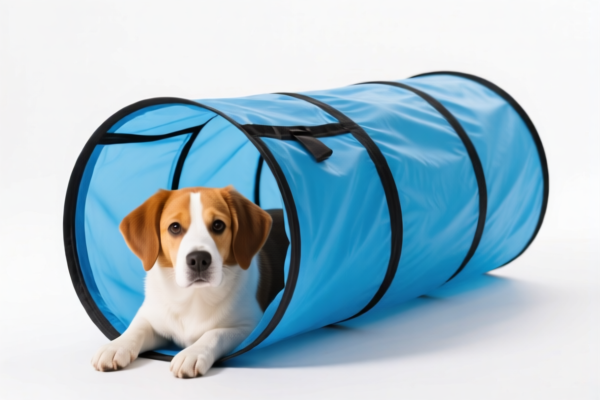
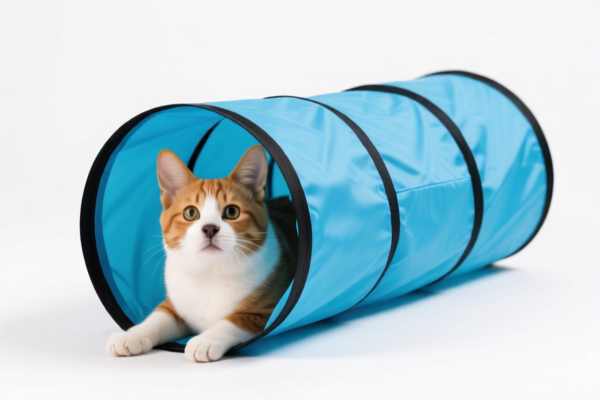
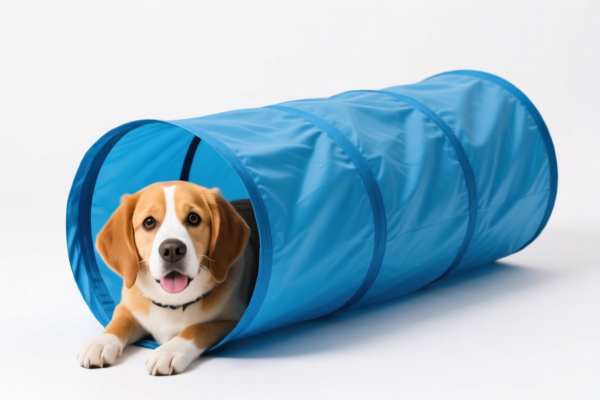
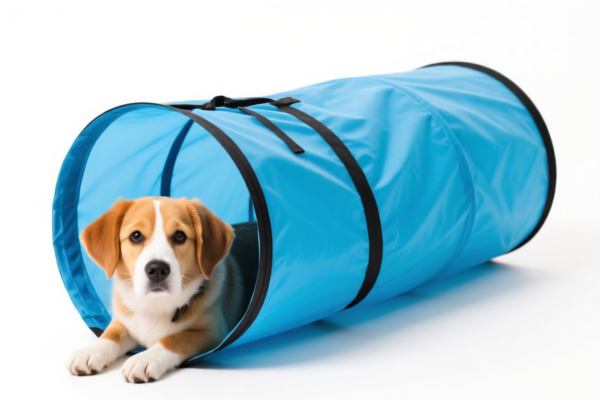
AI Analysis
🐱 Pet Toy Tunnel (Feline Entertainment Structures)
🌐 HS Code Reference & Customs Clearance Guide | 2026 Latest Tariff Analysis | Professional Clearance Strategy
📌 I. Product Definition & Classification: Do You Really Understand the "Cat Tunnel"?
A Pet Toy Tunnel, specifically designed for felines, is a flexible, tubular structure intended for play, exercise, and hiding. In international trade, its classification depends heavily on the primary material and construction method. It is generally divided into two main categories:
- Plastic/Rigid Plastic Components: Tunnels made primarily of molded or extruded plastic, or classified as "other" plastic articles not elsewhere specified.
- Textile/Fabric Components: Tunnels made primarily of fabric, woven materials, or stuffed/plush materials.
⚠️ Key Distinction Point:
- If the tunnel is made of rigid/flexible plastic sheets or non-woven plastic composites without significant textile backing → Classified under Chapter 39 (Plastics).
- If the tunnel is made of woven fabric, felt, or plush material (even if it has a plastic ring or frame) → Classified under Chapter 63 (Other Made-up Textile Articles).
📦 II. HS Code Classification Details (Latest Tariff Schedule)
| HS Code | Product Description | Material Focus | Total Tax Rate |
|---|---|---|---|
3926.90.99.89 |
Other塑料制品 (Plastic Articles), not specified elsewhere. Includes plastic cat tunnels. | Plastic (Non-specified) | 22.8% |
6307.90.75.00 |
Textile material pet toys, including cat tunnels. | Textile/Fabric | 14.3% |
6307.90.98.91 |
Finished articles of textile or plastic for pets (e.g., tunnels), classified under "Other". | Mixed/Material Conflict Resolved | 24.5% |
3926.90.75.00 |
Inflatable or stuffed plastic cat tunnels. | Plastic (Inflatable/Stuffed) | 14.2% |
6307.90.98.91 |
Pet tunnels with no obvious material conflict, fitting the "catch-all" textile rule. | Textile/Plastic Mix | 24.5% |
🔍 Key Reminder:
- Plastic Tunnels (3926series): Typically higher base duties but may have lower additional tariffs depending on specific construction (inflatable vs. rigid).
- Textile Tunnels (6307series): Generally more common for soft-sided collapsible tunnels. The "Textile" route often offers a lower total tax burden (14.3%) if the primary material is clearly fabric.
- Mixed/Unspecified: If the material composition is unclear or mixed, customs may default to the higher "Other" category (6307.90.98.91) or the general plastic category, resulting in higher duties (24.5% or 22.8%).
💰 III. Detailed Tariff Rate Analysis (Including Additional Taxes & Policies)
✅ Applicable Country: United States (US)
✅ Origin: China (CN)
✅ Effective Date: Post-November 2025 (Current Active Rates)
🎯 1. 3926.90.99.89 – Plastic Cat Tunnel (General Plastic Article)
| Item | Detail |
|---|---|
| Base Tariff | 5.3% |
| Section 301 Additional Tariff | +7.5% |
| Section 122 Tariff | +10% |
| Total Tariff | 22.8% |
| Calculation Basis | CIF Value × 22.8% |
| De Minimis Exemption | ❌ Not Eligible (High tariff risk) |
📌 Explanation:
- This code applies to general plastic pet tunnels not specifically listed elsewhere in Chapter 39.
- The 22.8% rate is a composite of the base duty plus significant trade war-era add-ons (Section 301 + Section 122).
- Cost Implication: High. Suitable only if plastic is the undeniable primary material and no better textile classification applies.
🎯 2. 6307.90.75.00 – Textile Material Pet Toy Tunnel
| Item | Detail |
|---|---|
| Base Tariff | 4.3% |
| Section 301 Additional Tariff | 0.0% |
| Section 122 Tariff | +10% |
| Total Tariff | 14.3% |
| Calculation Basis | CIF Value × 14.3% |
| De Minimis Exemption | ❌ Not Eligible |
📌 Explanation:
- This is the most cost-effective classification for fabric-based collapsible cat tunnels.
- The Section 301 tariff is 0% for this specific textile category, significantly lowering the total burden compared to plastic goods.
- Critical Condition: The product must be predominantly made of textile materials. If it has a significant plastic frame or coating, customs may reclassify it.
🎯 3. 3926.90.75.00 – Inflatable/Stuffed Plastic Cat Tunnel
| Item | Detail |
|---|---|
| Base Tariff | 4.2% |
| Section 301 Additional Tariff | 0.0% |
| Section 122 Tariff | +10% |
| Total Tariff | 14.2% |
| Calculation Basis | CIF Value × 14.2% |
| De Minimis Exemption | ❌ Not Eligible |
📌 Explanation:
- If the plastic tunnel is inflatable (like a pool toy) or stuffed (soft plastic fill), it falls under this specific subheading.
- Like the textile version, the Section 301 tariff is 0%, making it very competitive at 14.2%.
- Key Differentiator: Must be proven as "inflatable" or "stuffed" plastic, not rigid plastic sheets.
🎯 4. 6307.90.98.91 – Mixed/General Pet Tunnel (Catch-All)
| Item | Detail |
|---|---|
| Base Tariff | 7.0% |
| Section 301 Additional Tariff | +7.5% |
| Section 122 Tariff | +10% |
| Total Tariff | 24.5% |
| Calculation Basis | CIF Value × 24.5% |
| De Minimis Exemption | ❌ Not Eligible |
📌 Explanation:
- This is the "Safe Harbor" or "Default" category for pet tunnels made of fabric OR plastic that don’t fit the specific75.00subheadings, or mixed materials where the primary character is unclear.
- It incurs ALL additional tariffs (Section 301 + 122).
- Risk: Highest tax rate among the options. Avoid this if you can prove a specific material (Pure Textile or Pure Inflatable Plastic).
🛠️ IV. Customs Clearance Practical Advice (Pitfall Avoidance Guide)
✅ 1. Essential Documentation Checklist
| Document | Required? | Description |
|---|---|---|
| ✅ Product Specification Sheet | ✔️ | Must clearly state material composition (e.g., "100% Polyester Fabric," "PVC Plastic"). |
| ✅ Photos (Clear & Detailed) | ✔️ | Show seams, tags, and interior. Prove if it’s fabric or plastic. |
| ✅ Bill of Lading / Packing List | ✔️ | Ensure description matches HS Code (e.g., "Fabric Cat Tunnel" vs. "Plastic Tunnel"). |
| ✅ Commercial Invoice | ✔️ | Value must reflect CIF. Clearly label "Pet Toy." |
| ✅ Material Declaration | ✔️ | Critical for distinguishing between 6307.90.75.00 (14.3%) and 3926.90.99.89 (22.8%). |
✅ 2. Classification Strategy & Tips
🔥 Mantra: "Material is King, Section 301 is Queen!"
| Scenario | Recommended HS Code | Total Tax | Reason |
|---|---|---|---|
| Collapsible Fabric Tunnel (Most Common) | 6307.90.75.00 |
14.3% | Low base, 0% Sec 301. Best for standard pet stores. |
| Inflatable Plastic Tunnel (Pool Toy Style) | 3926.90.75.00 |
14.2% | Low base, 0% Sec 301. Must be inflatable/stuffed. |
| Rigid Plastic Tunnel (No Inflatable) | 3926.90.99.89 |
22.8% | High Sec 301. Only use if plastic is undeniable and not inflatable. |
| Mixed Materials / Unclear | 6307.90.98.91 |
24.5% | Highest tax. Avoid by clearly defining primary material. |
✅ 3. Special Handling & Risk Mitigation
| Issue | Solution |
|---|---|
| Customs Questioning Material | Provide a third-party lab report confirming fabric vs. plastic content. |
| "Other Plastic Article" Trap | Do not use 3926.90.99.89 if your tunnel is fabric. The 22.8% rate is avoidable. |
| Inflatable Claim | If using 3926.90.75.00, ensure the product can be inflated. Provide photos of the valve or stuffing. |
| Kit Components | If the tunnel comes with toys attached, declare them together. Do not split the shipment to avoid "component" misclassification. |
🌍 V. Global Market Comparison (2026)
| Country/Region | Recommended HS Code | Approx. Total Tax (China Origin) | Notes |
|---|---|---|---|
| 🇺🇸 USA | 6307.90.75.00 |
14.3% | Best for fabric. Avoid 3926 if possible due to Sec 301. |
| 🇨🇳 China | 6307.90.75.00 |
Varies | Check local duty. No Section 301/122. |
| 🇪🇺 EU | 6307.90.98 |
~4-6% | No Section 301/122. Standard MFN rates apply. |
| 🇨🇦 Canada | 6307.90.98 |
~5-9% | Lower than US. No major trade war tariffs. |
| 🇬🇧 UK | 6307.90.98 |
~5-7% | Post-Brexit tariffs. Generally favorable. |
📌 Conclusion:
- USA is the most challenging market due to Section 301 and Section 122 tariffs.
- Fabric-based tunnels (6307.90.75.00) are the strategic choice for the US market, saving ~10% in tariffs compared to general plastic articles.
- Always prioritize Textile or Inflatable Plastic classifications to minimize trade war impacts.
📌 VI. Common Errors & Pitfalls (Lessons Learned)
❌ Error 1: Classifying a Fabric Tunnel as "Plastic Toys" (3926.90.99.89).
👉 Consequence: Pay 22.8% instead of 14.3%. Loss of 8.5% margin!
❌ Error 2: Claiming Inflatable status (3926.90.75.00) for a Rigid Plastic Tunnel.
👉 Consequence: Customs rejection, reclassification to 3926.90.99.89 (22.8%), plus penalties.
❌ Error 3: Vague Description ("Cat Toy").
👉 Consequence: Customs assigns default code 6307.90.98.91 (24.5%) due to uncertainty. Always specify "Textile" or "Plastic."
✅ Correct Declaration Example:
"Cat Tunnel, Collapsible, Made of 100% Polyester Fabric, for Pet Entertainment, Model PT-100."
→ Targets6307.90.75.00(14.3%)
🎯 VII. Conclusion: Precision Classification Saves Money!
🎯 Key Takeaway:
🔹 "Fabric is King in the US: 14.3% vs. 22.8% for Plastic!"
🔹 "Inflatable Plastic is the Secret Weapon: 14.2% Total!"
🔹 "Avoid the 'Other' Trap: Be specific to avoid 24.5%!"
📌 Pro Tip:
If your product is 100% Fabric, strictly use 6307.90.75.00.
If your product is Inflatable Plastic, strictly use 3926.90.75.00.
Do not let customs default you to the higher tax brackets by being vague!
📣 Immediate Action:
📞 Review your Bill of Materials (BOM).
📸 Take clear photos of material texture.
📄 Update your Commercial Invoice with precise material descriptions.
🚀 Optimize your HS Code, optimize your profits!
✨ Professional Clearance Starts with Accurate Classification!
💼 Every Percent Saved is Pure Profit!
Customer Reviews
About HS Code Classification
The Harmonized System (HS) is an internationally standardized nomenclature developed by the World Customs Organization (WCO) to classify traded products. Over 200 countries use the HS system as the basis for customs tariffs, trade statistics, and import/export regulations.
Each HS code follows a hierarchical structure:
- Chapter (2 digits) — Broad category of goods (e.g., Chapter 84: Machinery and Mechanical Appliances)
- Heading (4 digits) — More specific grouping within the chapter
- Subheading (6 digits) — Internationally standardized breakdown, used by all WCO member countries
- National subdivisions (8-10 digits) — Country-specific extensions for further classification, such as US HTSUS 10-digit codes
Correct HS code classification is essential for smooth customs clearance, accurate duty payment, and compliance with trade regulations. Misclassification can lead to customs delays, overpayment of duties, or penalties.
When importing from CN to US, the applicable tariff rates may include:
- Most-Favored-Nation (MFN) rate — The standard duty rate applied to WTO members
- General rate — Applied to countries without trade agreements
- Trade remedy duties — Additional tariffs such as Section 301 (anti-dumping), Section 232 (national security), or countervailing duties
The information provided on this page is for reference purposes only. For official classification, please consult with your local customs authority or a licensed customs broker.