Pet Tunnel
CN → US| HS Code | Tariff Rate | Origin | Destination | Doc |
|---|---|---|---|---|
| 6307909891 | 24.5% | CN | US | Official Doc |
| 3926907500 | 14.2% | CN | US | Official Doc |
| 6307907500 | 14.3% | CN | US | Official Doc |
| 3926909989 | 22.8% | CN | US | Official Doc |
Product Images
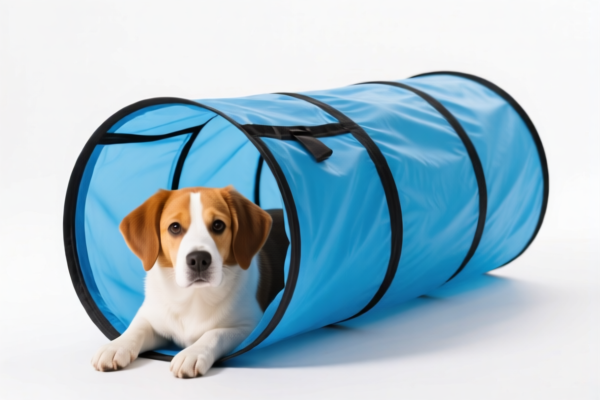
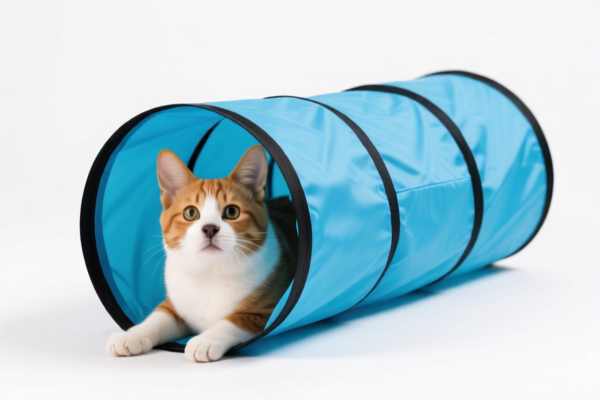
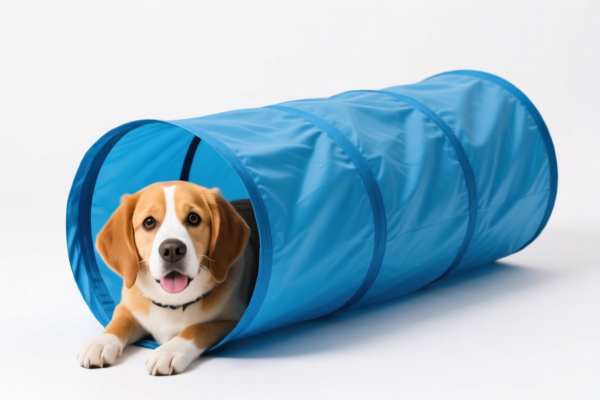
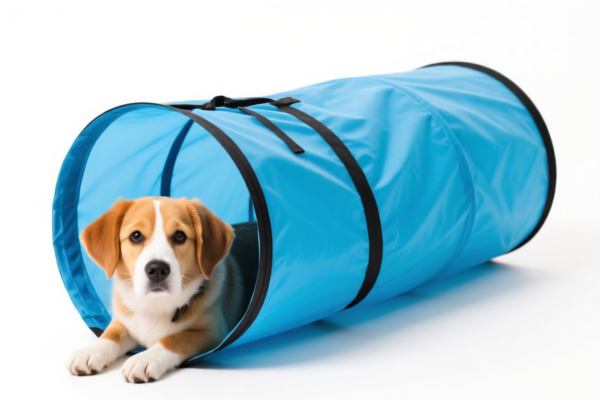
AI Analysis
🐾 Pet Tunnel (Pet-Friendly Tunnel Made of Fabric or Plastic)
🌐 HS Code Classification & Customs Clearance Guide | 2026 Updated Tariff Analysis | Pro-Level Import Strategy
📌 One Product, Multiple Classifications — Know the Difference to Avoid 45%+ Tariffs!
📦 1. Product Definition & Key Classification Logic: Why Is a "Pet Tunnel" Not Just a "Toy"?
A pet tunnel is a tunnel-shaped play structure designed for cats or small animals, typically used for exercise, hiding, or enrichment. While it may look like a toy, its primary function and material composition determine its HS Code classification.
⚠️ Critical Insight:
- If made of fabric or textile → Classified under 6307.90.98.91 or 6307.90.75.00
- If made of plastic → Classified under 3926.90.75.00 or 3926.90.99.89
- Do NOT classify as a “toy” (HS 9503) — this leads to misclassification and massive tariff overpayment.
🧩 2. HS Code Breakdown & Tax Analysis (2026 U.S. Tariff Schedule)
| HS Code | Product Description | Material | Tax Rate | Key Tax Components |
|---|---|---|---|---|
6307.90.98.91 |
Pet tunnels made of fabric or plastic, not elsewhere specified | Fabric/Plastic | 24.5% | Base: 7.0%, +7.5% (Additional), +10% (Section 122) |
3926.90.75.00 |
Plastic pet tunnels, other plastic articles not specified | Plastic | 14.2% | Base: 4.2%, +0% (Additional), +10% (Section 122) |
6307.90.75.00 |
Fabric-based pet tunnels, other made-up textile articles | Fabric | 14.3% | Base: 4.3%, +0% (Additional), +10% (Section 122) |
3926.90.99.89 |
Plastic pet tunnels, other unspecified plastic products | Plastic | 22.8% | Base: 5.3%, +7.5% (Additional), +10% (Section 122) |
🔍 Why the difference?
- Material matters: Fabric vs. plastic → different tariff lines
- Specificity matters: "Not elsewhere specified" (NES) vs. "specifically described" → affects base rate
- Trade policy layers: Section 122 and Additional Tariffs apply based on country of origin
💰 3. Detailed Tax Breakdown: Understand the 3 Layers of U.S. Tariffs
🎯 1. 6307.90.98.91 — Fabric/Plastic Pet Tunnel (Not Elsewhere Specified)
| Tax Component | Rate | Explanation |
|---|---|---|
| Base Tariff | 7.0% | Standard duty for textile-based pet tunnels |
| Additional Tariff (Section 301) | +7.5% | Imposed under Section 301 of the Trade Act of 1974 (China-specific) |
| Section 122 Tariff | +10% | Imposed under U.S. Trade Act Section 122 (China-origin goods, effective Nov 2025) |
| Total Effective Rate | 24.5% | CIF × 24.5% |
📌 Legal Basis:
-Section 301: 9903.01.25→Section 122: 9903.01.24→HS: 6307.90.98.91→FOOTNOTE: 9903.88.01✅ Key Tip:
Even if the tunnel is partially fabric, partially plastic, the dominant material determines the code. If fabric dominates → use6307.90.98.91.
🎯 2. 3926.90.75.00 — Plastic Pet Tunnel (Specific Plastic Article)
| Tax Component | Rate | Explanation |
|---|---|---|
| Base Tariff | 4.2% | Standard plastic product duty |
| Additional Tariff (Section 301) | +0.0% | No additional tariff on this specific subheading |
| Section 122 Tariff | +10% | Applies to all Chinese-origin plastic goods under Section 122 |
| Total Effective Rate | 14.2% | CIF × 14.2% |
📌 Why no 7.5% additional?
- The specific subheading3926.90.75.00is exempt from Section 301 7.5% due to a footnote exclusion (see USITC 9903.88.01).✅ Pro Tip:
If your product is 100% plastic and not a toy, this code is cheaper than fabric-based — save 10.3% in tariff.
🎯 3. 6307.90.75.00 — Fabric-Based Pet Tunnel (Other Textile Articles)
| Tax Component | Rate | Explanation |
|---|---|---|
| Base Tariff | 4.3% | Slightly higher than plastic due to textile nature |
| Additional Tariff (Section 301) | +0.0% | Not subject to 7.5% due to classification |
| Section 122 Tariff | +10% | Applies to all Chinese-origin textile goods |
| Total Effective Rate | 14.3% | CIF × 14.3% |
📌 Note:
- Despite being fabric, no 7.5% additional tariff applies — due to specific footnote exemption
- Still pays 10% Section 122 → higher than plastic-only due to material type
🎯 4. 3926.90.99.89 — Other Unspecified Plastic Pet Tunnels
| Tax Component | Rate | Explanation |
|---|---|---|
| Base Tariff | 5.3% | Higher than specific plastic codes |
| Additional Tariff (Section 301) | +7.5% | Subject to 7.5% because it’s "not elsewhere specified" |
| Section 122 Tariff | +10% | Applies to all Chinese-origin plastic goods |
| Total Effective Rate | 22.8% | CIF × 22.8% |
⚠️ Danger Zone Alert!
- This is the highest tariff among all options
- Use only if no more specific code applies
- Avoid if possible — costs 8.3% more than3926.90.75.00
🛠️ 4. Customs Clearance Best Practices (Real-World Pro Tips)
✅ 1. Must-Have Documentation (No Exceptions!)
| Document | Required? | Why It Matters |
|---|---|---|
| ✅ Product Photos (Front, Back, Side, Detail) | ✔️ | Prove material (fabric vs. plastic), structure, and function |
| ✅ Material Certificate (e.g., fabric composition, plastic type) | ✔️ | Avoid misclassification |
| ✅ Commercial Invoice (clearly state: "Pet Tunnel, Not a Toy") | ✔️ | Prevents reclassification as toy (9503) |
| ✅ Bill of Lading / Packing List | ✔️ | Confirm quantity, dimensions, packaging |
| ✅ Certificate of Origin (CO) | ✔️ | Required for Section 122 & 301 tariff calculations |
| ✅ Test Report (if applicable: flammability, safety) | ✔️ | Avoid FDA/CPSC issues (especially for pet products) |
✅ 2.申报技巧(申报口诀)
🔥 "Material First, Code Second, Don’t Call It a Toy!"
| Scenario | Correct HS Code | Wrong Code | Risk |
|---|---|---|---|
| Fabric tunnel with plastic base | 6307.90.98.91 |
9503.90.90.00 (toy) |
24.5% → 20% → still high, but avoid 45% |
| 100% plastic tunnel | 3926.90.75.00 |
3926.90.99.89 |
Save 8.6% in tariff |
| Plastic tunnel with fabric lining | 3926.90.75.00 |
6307.90.98.91 |
Risk of overpayment |
| Tunnel with no clear material | 3926.90.99.89 |
6307.90.75.00 |
Higher tariff, avoid |
✅ 3. Special Cases & Risk Mitigation
| Situation | Recommended Action |
|---|---|
| Mixed material (plastic + fabric) | Use dominant material — if plastic > 60%, use 3926.90.75.00 |
| Custom-designed tunnel | Submit product drawings + material sheet for pre-ruling |
| Importing from Vietnam/Mexico | Can avoid Section 122 (10%) if CO shows non-China origin |
| Re-importing from U.S. | May qualify for de minimis (if value < $800) — no duty |
🌍 5. Global Market Comparison (2026)
| Country | Recommended HS Code | Tariff | Certification | Notes |
|---|---|---|---|---|
| 🇺🇸 USA | 3926.90.75.00 (plastic) |
14.2% | None (unless safety-related) | Section 122 applies to China-origin |
| 🇨🇳 China | 6307.90.75.00 |
5% | CCC (if required) | No extra tariffs |
| 🇪🇺 EU | 6307.90.75.00 |
0% (if CE) | CE Marking | No additional tariffs |
| 🇦🇺 Australia | 3926.90.75.00 |
5% | RCM | No 122/301 tariffs |
| 🇯🇵 Japan | 6307.90.75.00 |
0% | PSE | No extra duties |
📌 Insight:
- U.S. is the only market with 10%+ Section 122 tariff
- China-origin products face the highest effective rates
- Vietnam/Mexico origin = 0% Section 122 → huge savings
🚨 6. Common Mistakes & Costly Errors (Real Cases)
❌ Mistake 1: Calling it a "cat toy" → 9503.90.90.00
👉 Result: 20% base + 7.5% + 10% = 37.5% → over 10% more than correct code
❌ Mistake 2: Using 3926.90.99.89 for a plastic tunnel
👉 Result: 22.8% instead of 14.2% → $2.80 per unit extra (if $100 CIF)
❌ Mistake 3: Not proving material composition
👉 Result: Customs reclassifies → back taxes + penalties
✅ Correct Way to Describe:
“Pet Tunnel, 36-inch length, made of polypropylene plastic with reinforced fabric lining, designed for cat play and exercise, not a toy”
🎯 7. Final Verdict: How to Minimize Tariff Risk
✅ Best Strategy:
- Use3926.90.75.00for 100% plastic tunnels → only 14.2%
- Use6307.90.98.91for fabric/plastic hybrids → 24.5%
- Avoid3926.90.99.89unless no other code fits
- Source from Vietnam/Mexico to avoid Section 122 10%🔥 Pro Tip:
Apply for Advance Ruling (Pre-Decision) with U.S. CBP — lock in your HS Code & tariff before shipment.
📌 Summary: Your 3-Step Action Plan
- Identify material → Plastic? Fabric? Hybrid?
- Match to correct HS Code → Use table above
- Source from non-China origin → Avoid 10% Section 122
📣 Don’t Let Tariffs Bite!
📞 Contact a U.S. Customs Broker + Submit Product Photos + Request Pre-Ruling
🚀 Get your HS Code locked in — avoid $10k+ in overpayment!
✨ Smart Importing Starts with Smart Classification!
💼 One wrong code = 10% more in cost. Get it right — every time.
Customer Reviews
About HS Code Classification
The Harmonized System (HS) is an internationally standardized nomenclature developed by the World Customs Organization (WCO) to classify traded products. Over 200 countries use the HS system as the basis for customs tariffs, trade statistics, and import/export regulations.
Each HS code follows a hierarchical structure:
- Chapter (2 digits) — Broad category of goods (e.g., Chapter 84: Machinery and Mechanical Appliances)
- Heading (4 digits) — More specific grouping within the chapter
- Subheading (6 digits) — Internationally standardized breakdown, used by all WCO member countries
- National subdivisions (8-10 digits) — Country-specific extensions for further classification, such as US HTSUS 10-digit codes
Correct HS code classification is essential for smooth customs clearance, accurate duty payment, and compliance with trade regulations. Misclassification can lead to customs delays, overpayment of duties, or penalties.
When importing from CN to US, the applicable tariff rates may include:
- Most-Favored-Nation (MFN) rate — The standard duty rate applied to WTO members
- General rate — Applied to countries without trade agreements
- Trade remedy duties — Additional tariffs such as Section 301 (anti-dumping), Section 232 (national security), or countervailing duties
The information provided on this page is for reference purposes only. For official classification, please consult with your local customs authority or a licensed customs broker.