Pet Vest Black XL
CN → US| HS Code | Tariff Rate | Origin | Destination | Doc |
|---|---|---|---|---|
| 6114301010 | 45.7% | CN | US | Official Doc |
| 4201003000 | 37.4% | CN | US | Official Doc |
| 4201006000 | 12.8% | CN | US | Official Doc |
| 6114200055 | 28.3% | CN | US | Official Doc |
| 6214900090 | 28.8% | CN | US | Official Doc |
Product Images

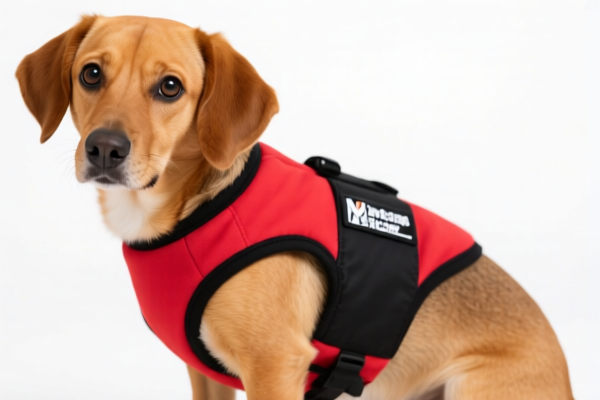
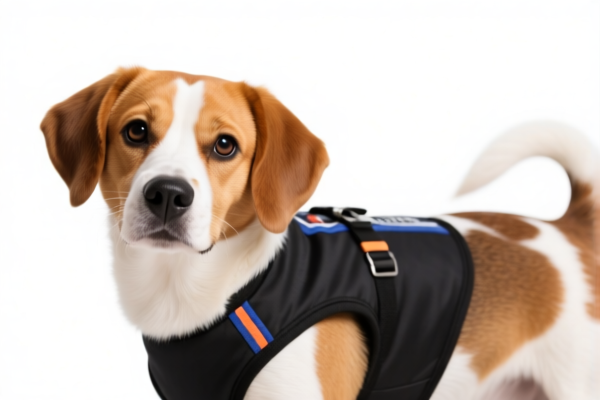
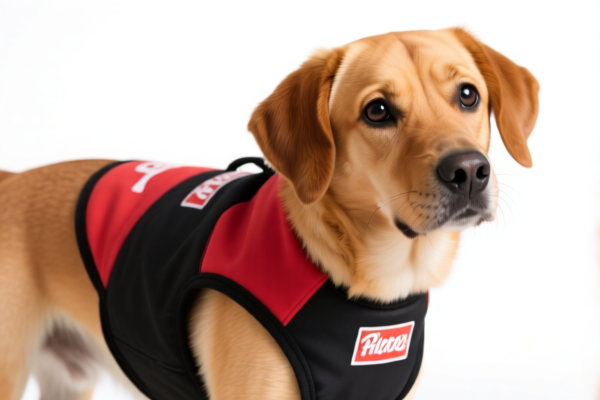
AI Analysis
🐕 Pet Vest Black XL (Animal Apparel)
🌐 HS Code Reference & Clearance Guide | 2026 Tax Breakdown | Professional Customs Strategy
📌 One: Product Definition & Classification: Is it "Clothing" or "Harness"?
The Pet Vest (Black, XL) is an article of clothing designed specifically for animals (dogs, cats, etc.), distinct from animal equipment (like saddles or reins). In international trade, the critical distinction lies in: 1. Purpose: Is it to protect the animal (clothing/vest) or to control the animal (harness/machinery)? 2. Material & Construction: Is it knitted (Chapter 61) or woven (Chapter 62)?
⚠️ Key Classification Logic:
- If it is a sleeveless garment (vest) designed to cover the animal's body → Chapter 61 (Knitted) or Chapter 62 (Woven). - If it includes heavy leather straps, buckles, or metal rings for pulling/guiding → Chapter 42 (Animal Equipment).
📦 Two: HS Code Classification Breakdown (2026 Tax Matrix)
Based on the specific input "Pet Vest Black XL", the goods are most likely Animal Clothing, but depending on material (knitted vs. woven) and exact construction, they fall into two primary categories in the provided data.
| HS Code | Product Description (Inferred) | Material Logic | Tax Rate (Total) |
|---|---|---|---|
| 4201.00.60.00 | Animal Clothing (Dog Vests, Coats) | Woven Fabric, Textile | 12.8% |
| 6114.30.10.10 | Knitted Tank Tops/Vests (Synthetic/Cotton) | Knitted Fabric, Synthetic or Cotton | 45.7% |
| 6114.20.00.55 | Knitted Vests (Cotton/Man-made) | Knitted, Men's/Child Logic Applied to Pets | 28.3% |
| 6214.90.00.90 | Other Woven Textile Garments | Woven, Other Textiles | 28.8% |
| 4201.00.30.00 | Animal Harness/Equipment (If heavy duty) | Textile/Leather mix, Equine/Pulling gear | 37.4% |
🔍 Critical Note:
- 4201.00.60.00 is the optimal code for a standard "Pet Vest" as it explicitly covers "Dog coats/similar" at the lowest tax burden (12.8%). - If the vest is knitted (stretchy fabric) and lacks heavy harness features, it may be misclassified as 6114 (Knitted Garments), triggering 28.3%–45.7% taxes. - Avoid code 4201.00.30.00 unless the vest is a functional harness for pulling or heavy-duty work.
💰 Three: 2026 Tax Rate Deep Dive (Detailed Breakdown)
✅ Applicable Market: USA (US)
✅ Origin: China (CN)
✅ Status: 2025-2026 Import Regulations Active
🎯 Scenario A: The "Low Tax" Path (Optimal)
HS Code: 4201.00.60.00 (Animal Clothing)
Best for: Standard dog vests, windbreakers, raincoats.
| Item | Content |
|---|---|
| Base Duty (MFN) | 2.8% |
| Section 301 (Additional) | 0.0% |
| Section 122 (Section 301 Add-on) | 10.0% |
| Total Effective Tax | 12.8% |
| Calculation | CIF Value × 12.8% |
| De Minimis Exemption | ❌ No (Not applicable for Section 301 goods) |
| Legal Path | USITC:4201.00.60.00 → 122:10% |
📌 Why this is best: The "Additional Duty" (Section 301) is 0% for this specific subheading, making it significantly cheaper than knitted garments.
🎯 Scenario B: The "Knitted Garment" Path (High Tax)
HS Code: 6114.30.10.10 (Knitted/Vests, Synthetic/Cotton)
Worst case for: Stretchy, knitted pet vests.
| Item | Content |
|---|---|
| Base Duty | 28.2% |
| Section 301 (Additional) | 7.5% |
| Section 122 | 10.0% |
| Total Effective Tax | 45.7% |
| Calculation | CIF Value × 45.7% |
| De Minimis Exemption | ❌ No |
| Legal Path | USITC:6114.30.10.10 → 301:7.5% → 122:10% |
⚠️ Danger Zone: If the vest is made of knitted fabric (e.g., jersey, fleece, knitted polyester), customs may force this classification, tripling your tax cost from 12.8% to 45.7%.
🎯 Scenario C: The "Other Knitted/Woven" Path (Medium-High Tax)
HS Codes: 6114.20.00.55 or 6214.90.00.90
| Item | Content |
|---|---|
| Base Duty | 10.8% - 11.3% |
| Section 301 (Additional) | 7.5% |
| Section 122 | 10.0% |
| Total Effective Tax | 28.3% - 28.8% |
| Logic | If the vest is not classified as "Animal Clothing" (4201) but as generic "Other Garments." |
🎯 Scenario D: The "Harness" Trap (High Tax)
HS Code: 4201.00.30.00 (Animal Equipment/Harness)
Only for: Vests with heavy pulleys, leather straps, or metal rings for work.
| Item | Content |
|---|---|
| Base Duty | 2.4% |
| Section 301 (Additional) | 25.0% (Heavy Penalty) |
| Section 122 | 10.0% |
| Total Effective Tax | 37.4% |
⚠️ Warning: Do NOT use this code for a soft vest. If you claim "Harness" (4201.30), you pay a massive 25% surcharge.
🛠️ Four: Practical Clearance Strategy & Pitfalls
✅ 1. Documentation Checklist (Non-Negotiable)
| Document | Requirement | Why? |
|---|---|---|
| Product Description | "Pet Vest (Dog Clothing), No Harness Rings, Knitted/Woven" | Must explicitly state "Clothing" to avoid 4201.00.30 (Harness). |
| Material Composition | e.g., "100% Polyester Woven" or "80% Cotton 20% Polyester Knitted" | Determines if it's 4201.00.60 (Woven/Clothing) vs 6114 (Knitted). |
| Photos | Show front, back, and absence of metal rings/buckles | Proves it is a vest, not a harness. |
| Size Label | "XL" | Confirms it is apparel, not equipment. |
| Bill of Lading | Include "Textile Product" or "Pet Apparel" | Avoids generic "Garments" flags. |
✅ 2. Declaration Tactics (The Golden Rules)
🔥 "No Metal Rings, No Harness; If Knitted, Fight for 4201!"
| Situation | Correct Declaration | Risk of Wrong Declaration |
|---|---|---|
| Soft, Stretchy Vest (Knitted) | 4201.00.60.00 (Argue as "Animal Clothing") |
Risk of 6114.30.10 → 45.7% Tax |
| Standard Vest (Woven Nylon) | 4201.00.60.00 |
Best option (12.8%) |
| Vest with Leash/Clips | 4201.00.60.00 (If clips are removable) |
If permanent, risk 4201.00.30 → 37.4% |
| Work Harness (Padded, Metal) | 4201.00.30.00 |
If misclassified as "Vest" → 0% (but later audit/penalty) |
💡 Pro Tip: Even if the vest is knitted, argue for 4201.00.60.00 (Animal Clothing) over 6114 (Knitted Garments). The US Customs often allows animal clothing in Chapter 42 to avoid the high textile surcharges of Chapter 61. Do not let customs force you into 6114 unless it is clearly a generic human vest.
✅ 3. Special Scenarios
| Scenario | Strategy |
|---|---|
| Black XL Vest with "Reflective Strips" | Still 4201.00.60.00. Safety features don't change classification from "Clothing". |
| Vest with Attached Leash | Separate Item: Declare Vest (4201.00.60) and Leash (4201.00.30 or 6307). Bundling increases tax. |
| OEM Custom Brand | Provide Brand Agreement. No tax benefit, but clears "Origin" checks. |
| Fleece/Knitted Material | CRITICAL: Insist on 4201.00.60.00. If customs says "Knitted = 6114", appeal with "Function = Animal Clothing". |
🌍 Five: Global Market Comparison (2026)
| Country | Recommended HS Code | Tax Rate | Notes |
|---|---|---|---|
| 🇺🇸 USA | 4201.00.60.00 |
12.8% | Avoid 6114 (45.7%)! |
| 🇨🇳 China (Import) | 4201.00.60.00 |
~2% | Low duty, but verify origin rules. |
| 🇪🇺 EU | 4201.00.60 |
0-2% | No Section 301/122 surcharges. |
| 🇨🇦 Canada | 4201.00.60 |
~2% | No Section 301. |
📌 Conclusion: The US market is the only one with severe penalties for misclassification. 12.8% is the target; 45.7% is the disaster.
📌 Six: Common Mistakes & Lessons Learned
❌ Mistake 1: Declaring a Knitted Pet Vest as 6114.30.10.10 (Knitted Garments).
👉 Result: Tax jumps from 12.8% → 45.7%. Loss of Profit!
❌ Mistake 2: Declaring a Soft Vest as 4201.00.30.00 (Harness).
👉 Result: Tax jumps to 37.4% due to 25% Section 301 surcharge. Unnecessary Cost!
❌ Mistake 3: Failing to specify "No Metal Rings" in the description.
👉 Result: Customs assumes it's a harness → 37.4% Tax or Delay.
✅ Correct Approach:
"Pet Apparel, Black, Size XL, 100% Woven Nylon, No Harness Hardware, Designed for Dog Clothing."
HS Code:4201.00.60.00
🎯 Seven: Final Verdict & Action Plan
🎯 The Golden Rule for Pet Vests:
"Animal Clothing (4201.00.60) is the Sweet Spot! Knitted Garments (6114) are Tax Traps!"
- Check Material: If woven →
4201.00.60.00. - If Knitted: Still try to declare
4201.00.60.00(Argue "Clothing" function). Only accept6114if Customs insists. - Verify Hardware: Remove any permanent metal clips/leash attachments before declaring as a "Vest".
- Pre-Arrange: Get a Binding Ruling if shipping large volumes to avoid surprise 45% taxes.
📌 Quick Calculation Example:
Order Value: $10,000
If4201.00.60.00(12.8%): Tax = $1,280
If6114.30.10.10(45.7%): Tax = $4,570
Difference: $3,290 Saved!
📣 Immediate Action:
🛑 STOP using generic "Garment" or "Textile" codes.
🚀 USE4201.00.60.00for all Pet Vests (Black XL).
📞 Contact your broker NOW to confirm material classification before shipment.
✨ Smart Classification = High Margins!
💼 Don't let 33% extra tax eat your profit!
Customer Reviews
About HS Code Classification
The Harmonized System (HS) is an internationally standardized nomenclature developed by the World Customs Organization (WCO) to classify traded products. Over 200 countries use the HS system as the basis for customs tariffs, trade statistics, and import/export regulations.
Each HS code follows a hierarchical structure:
- Chapter (2 digits) — Broad category of goods (e.g., Chapter 84: Machinery and Mechanical Appliances)
- Heading (4 digits) — More specific grouping within the chapter
- Subheading (6 digits) — Internationally standardized breakdown, used by all WCO member countries
- National subdivisions (8-10 digits) — Country-specific extensions for further classification, such as US HTSUS 10-digit codes
Correct HS code classification is essential for smooth customs clearance, accurate duty payment, and compliance with trade regulations. Misclassification can lead to customs delays, overpayment of duties, or penalties.
When importing from CN to US, the applicable tariff rates may include:
- Most-Favored-Nation (MFN) rate — The standard duty rate applied to WTO members
- General rate — Applied to countries without trade agreements
- Trade remedy duties — Additional tariffs such as Section 301 (anti-dumping), Section 232 (national security), or countervailing duties
The information provided on this page is for reference purposes only. For official classification, please consult with your local customs authority or a licensed customs broker.