Pharmaceutical Rubber Stoppers
CN → US| HS Code | Tariff Rate | Origin | Destination | Doc |
|---|---|---|---|---|
| 4016991500 | 20.2% | CN | US | Official Doc |
| 4016990500 | 20.9% | CN | US | Official Doc |
| 3926904510 | 38.5% | CN | US | Official Doc |
| 4016935010 | 37.5% | CN | US | Official Doc |
| 3926904510 | 38.5% | CN | US | Official Doc |
Product Images
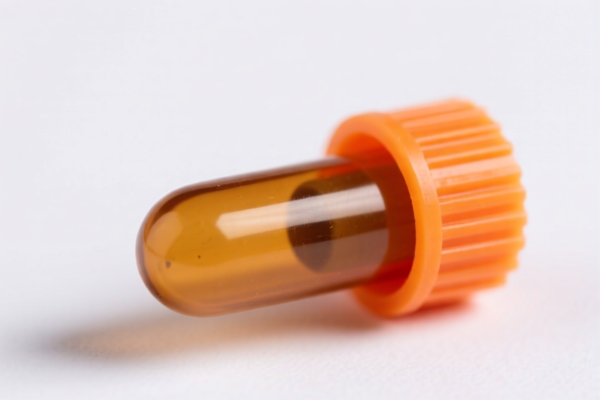
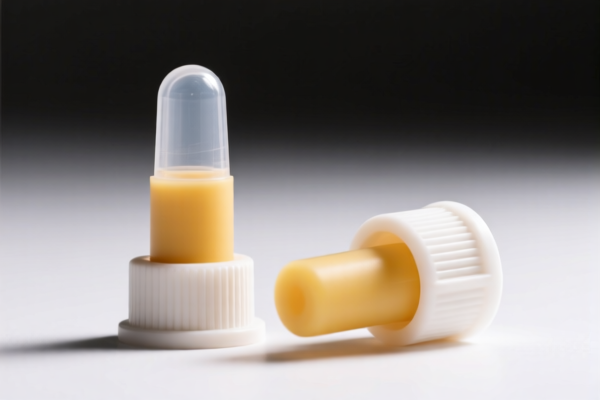


AI Analysis
🧪 Pharmaceutical Rubber Stoppers (Closures)
🌐 HS Code Reference & Customs Clearance Guide | 2026 Latest Tariff Analysis | Professional-Level Compliance Strategy
📌 1. Product Definition & Classification: Do You Really Understand "Pharmaceutical Rubber Stoppers"?
Pharmaceutical rubber stoppers are critical components in the pharmaceutical packaging industry, serving as primary closures for vials, ampoules, and syringes. In international trade, they are primarily classified under Chapter 40 (Rubber and Articles Thereof) or Chapter 39 (Plastics and Articles Thereof), depending on their material composition and specific form.
Two Main Categories:
- Natural Rubber Stoppers: Made from natural latex, often used for specific vaccine or serum applications.
- Synthetic/Sulfur-Vulcanized Rubber Stoppers: Made from butyl rubber, silicone, or other synthetic materials, widely used for general vaccines, injectables, and biologics due to superior chemical resistance and stability.
⚠️ Key Classification Distinction:
- If the product is explicitly defined as a "stopper" (塞子) made of rubber → Chapter 40 (HS 4016).
- If the product is defined as a "seal/gasket" (密封件) made of rubber/plastic → Chapter 39 or 40 (HS 3926/4016).
- Crucial Point: Misclassification between "Stopper" and "Seal" can lead to significant tariff differences due to Section 301 (122 Clause) penalties.
📦 2. HS Code Classification Details (2026 Latest Tariff Authority Comparison)
Based on the provided data, here are the specific HS Codes and their tax implications:
| HS Code | Product Description | Material/Form | Total Tax Rate (US Import from CN) | Tax Breakdown |
|---|---|---|---|---|
4016.99.15.00 |
Rubber Test Tube Stopper | Rubber, Stopper Form | 20.2% | Base: 2.7% Add'l (Sec 301): 7.5% Sec 122 Clause: 10% |
4016.99.05.00 |
Rubber Articles | Sulfur-Vulcanized Rubber, Stopper Form | 20.9% | Base: 3.4% Add'l (Sec 301): 7.5% Sec 122 Clause: 10% |
3926.90.45.10 |
Plastic/Rubber Products | Seal Form | 38.5% | Base: 3.5% Add'l (Sec 301): 25.0% Sec 122 Clause: 10% |
4016.93.50.10 |
Natural Rubber Products | Natural Rubber, Seal/Gasket Form | 37.5% | Base: 2.5% Add'l (Sec 301): 25.0% Sec 122 Clause: 10% |
3926.90.45.10 |
Natural Rubber Products | Natural Rubber, Seal Form | 38.5% | Base: 3.5% Add'l (Sec 301): 25.0% Sec 122 Clause: 10% |
🔍 Key Reminder:
- "Stopper" (塞子) typically falls under HS 4016.99 with a lower tariff (20.2%-20.9%).
- "Seal/Gasket" (密封件) often falls under HS 3926.90 or 4016.93 with a higher tariff (37.5%-38.5%).
- The difference in tariff between "Stopper" and "Seal" can be up to 18%, directly impacting cost competitiveness.
💰 3. Detailed Tariff Rate Analysis for 2026 (Including Additional Taxes & Policy Surcharges)
✅ Applicable Country: United States (US)
✅ Origin: China (CN)
✅ Effective Time: As per current Section 301 and Section 122 Clause regulations.
🎯 1. 4016.99.15.00 — Rubber Test Tube Stopper (Lowest Cost Option)
| Item | Content |
|---|---|
| Base Rate | 2.7% (ad valorem) |
| USITC Additional Tax (Sec 301) | +7.5% |
| Section 122 Clause Tax | +10% |
| Total Tax Rate | 20.2% |
| Tax Calculation | CIF Value × 20.2% |
| De Minimis Exemption? | ❌ No (Section 301 and 122 Clause items are generally exempt from de minimis relief) |
| Legal Basis Path | USITC:4016.99.15.00 → FOOTNOTE:301 → Section 122 Clause |
📌 Explanation:
- This code is specifically for "Rubber Test Tube Stoppers."
- The "122 Clause" refers to specific trade remedies that impose an additional 10% tariff on certain rubber products from China.
- This is the most cost-effective classification if the product can be accurately described as a "stopper" rather than a "seal."
🎯 2. 4016.99.05.00 — Sulfur-Vulcanized Rubber Stopper
| Item | Content |
|---|---|
| Base Rate | 3.4% |
| USITC Additional Tax (Sec 301) | +7.5% |
| Section 122 Clause Tax | +10% |
| Total Tax Rate | 20.9% |
| Tax Calculation | CIF Value × 20.9% |
| De Minimis Exemption? | ❌ No |
| Legal Basis Path | USITC:4016.99.05.00 → FOOTNOTE:301 → Section 122 Clause |
📌 Note:
- Slightly higher base rate (3.4% vs 2.7%) than4016.99.15.00.
- Still significantly cheaper than the "Seal" categories.
- Suitable for butyl or synthetic rubber stoppers that are sulfur-vulcanized.
🎯 3. 3926.90.45.10 & 4016.93.50.10 — Seal/Gasket Categories (High Cost)
| Item | Content |
|---|---|
| Base Rate | 2.5% - 3.5% |
| USITC Additional Tax (Sec 301) | +25.0% |
| Section 122 Clause Tax | +10% |
| Total Tax Rate | 37.5% - 38.5% |
| Tax Calculation | CIF Value × ~38% |
| De Minimis Exemption? | ❌ No |
📌 Warning:
- These codes classify the product as a "Seal" or "Gasket" (密封件).
- The 25% Section 301 tariff is much higher than the 7.5% for "Stoppers."
- Misclassification Risk: If you declare a rubber stopper as a "seal" to try to fit a different code, or if customs reclassifies it as a "seal," you will pay nearly double the tax.
🛠️ 4. Customs Clearance Practical Advice (Field Pitfall Avoidance Guide)
✅ 1. Preparation Checklist (Must-Haves)
| Document | Required | Notes |
|---|---|---|
| ✅ Product Specification Sheet | ✔️ | Must clearly state "Stopper" (塞子), not just "Seal" or "Gasket." Specify material (Natural/Synthetic/Butyl). |
| ✅ Technical Drawing | ✔️ | Show the specific shape of a "stopper" (cylindrical, flanged, etc.) to distinguish from flat "gaskets." |
| ✅ Product Photos | ✔️ | Clear images showing the stopper in a vial context, if possible. Label should say "Pharmaceutical Rubber Stopper." |
| ✅ Commercial Invoice | ✔️ | Crucial: Use the exact term "Rubber Stopper" or "Pharmaceutical Stopper." Avoid generic terms like "Seal" or "Closure" unless supported by specs. |
| ✅ Certificate of Origin (CO) | ✔️ | Required for determining origin and applying specific trade remedies. |
| ✅ Third-Party Testing Report | ✔️ | USP <382> / EP 3.2.2 compliance reports help prove pharmaceutical grade, though not directly for HS code. |
✅ 2. Declaration Tips (Key Mantra)
🔥 "Stopper vs. Seal: Choose 'Stopper' to Save 18%! Be Specific in Description!"
| Scenario | Correct Declaration | Incorrect Action |
|---|---|---|
| Pharmaceutical Vial Stopper | HS 4016.99.15.00 or 4016.99.05.00 Description: "Rubber Stopper for Pharmaceutical Vials" |
Describing as "Rubber Seal" → HS 3926.90.45.10 (38.5% tax) |
| Butyl Rubber Stopper | HS 4016.99.05.00 Description: "Sulfur-Vulcanized Rubber Stopper" |
Describing as "Plastic Seal" → Misclassification risk |
| Natural Rubber Stopper (Gasket-like) | HS 4016.93.50.10 Description: "Natural Rubber Seal/Gasket" |
Attempting to force into 4016.99 if shape/form clearly indicates "Seal" |
📌 Critical Advice:
- Consistency is Key: The product name on the invoice, packing list, and technical specs must all use the term "Stopper" if you are aiming for the lower 20.2%-20.9% tariff.
- If Customs Disputes: Be prepared to provide engineering drawings that show the stopper is designed to be inserted into a vial, not used as a flat seal between two mating surfaces.
✅ 3. Special Situation Handling
| Situation | Handling Suggestion |
|---|---|
| Mixed Shipments (Stoppers + Seals) | Separate Line Items: Clearly separate "Rubber Stoppers" (HS 4016.99) from "Rubber Seals" (HS 3926.90/4016.93). Do not combine. |
| OEM Custom Stopppers | Provide client order + design blueprints. Emphasize "Custom Pharmaceutical Stopper" to support HS 4016.99 classification. |
| Pre-Certification | Consider applying for an Advance Ruling from US CBP if the volume is high and the classification is borderline. |
🌍 5. Global Market Customs Comparison (2026 Latest)
| Country/Region | Recommended HS Code | Estimated Tariff | Certification Requirements | Notes |
|---|---|---|---|---|
| 🇺🇸 USA | 4016.99.15.00 (Stopper) |
20.2% | FDA Registration, USP Compliance | High penalty for "Seal" classification (38.5%). |
| 🇨🇳 China | 4016.99.15.00 |
~5-8% (Import) | CCC (if applicable), Quality Inspection | No Section 301 or 122 Clause for domestic trade. |
| 🇪🇺 EU | 4016.93 or 4016.99 |
0% - 4.5% | CE, ISO 13485, USP <382> | No additional punitive tariffs like US. |
| 🇯🇵 Japan | 4016.93 |
~0% - 3% | PSE (if electrical components), Quality Standards | Strict pharmaceutical documentation. |
📌 Conclusion:
- USA is the highest-cost market due to Section 301 and Section 122 Clause tariffs.
- Accurate Classification as "Stopper" (not "Seal") is the single most effective way to reduce costs by ~18%.
📌 6. Common Errors & Pitfall Guide (Lessons Learned)
❌ Error 1: Declaring Rubber Stoppers as "Rubber Seals" or "Gaskets"
👉 Consequence: Tariff jumps from 20.2% to 38.5%. Overpayment of 18.3%.
❌ Error 2: Using Generic Terms like "Pharmaceutical Accessories"
👉 Consequence: Customs may assign a default higher rate or request reclassification, causing delays.
❌ Error 3: Ignoring the "122 Clause"
👉 Consequence: Even with correct HS code, failing to account for the 10% Section 122 Clause leads to budget shortfalls and potential penalties.
❌ Error 4: Mixing "Stoppers" and "Seals" on One Line Item
👉 Consequence: Customs may apply the highest tariff rate to the entire shipment.
✅ Correct Practice:
"Rubber Pharmaceutical Stopper, Butyl/Silicone, Size 13mm, for Vial Closure, USP Class I, Model XYZ"
🎯 7. Conclusion: Professional Declaration Saves Money!
🎯 Remember the Mantra:
🔹 "Stopper is Cheaper, Seal is Expensive. 20% vs 38%, Choose Wisely!"
🔹 "HS Code Determines Life, Tax Rate Determines Profit. Precision Saves Thousands!"
📌 Pro Tip:
If your rubber stoppers are originating from Vietnam, Thailand, or Mexico, you may be exempt from Section 301 and 122 Clause tariffs, reducing the tax to just the base rate (2.5%-3.5%).
Always check the Country of Origin and consider supply chain diversification if US duties are too high.
📣 Immediate Action:
📞 Contact a professional customs broker + Provide Product Specs + Apply for HS Code Pre-Ruling
🚀 Let your pharmaceutical stoppers pass customs smoothly, efficiently, and profitably!
✨ Professional Customs Clearance Starts with Precise Classification!
💼 Your Every Cent of Cost Deserves Precise Calculation!
Customer Reviews
About HS Code Classification
The Harmonized System (HS) is an internationally standardized nomenclature developed by the World Customs Organization (WCO) to classify traded products. Over 200 countries use the HS system as the basis for customs tariffs, trade statistics, and import/export regulations.
Each HS code follows a hierarchical structure:
- Chapter (2 digits) — Broad category of goods (e.g., Chapter 84: Machinery and Mechanical Appliances)
- Heading (4 digits) — More specific grouping within the chapter
- Subheading (6 digits) — Internationally standardized breakdown, used by all WCO member countries
- National subdivisions (8-10 digits) — Country-specific extensions for further classification, such as US HTSUS 10-digit codes
Correct HS code classification is essential for smooth customs clearance, accurate duty payment, and compliance with trade regulations. Misclassification can lead to customs delays, overpayment of duties, or penalties.
When importing from CN to US, the applicable tariff rates may include:
- Most-Favored-Nation (MFN) rate — The standard duty rate applied to WTO members
- General rate — Applied to countries without trade agreements
- Trade remedy duties — Additional tariffs such as Section 301 (anti-dumping), Section 232 (national security), or countervailing duties
The information provided on this page is for reference purposes only. For official classification, please consult with your local customs authority or a licensed customs broker.