Phenolic Cyanate Ester Resin
CN → US| HS Code | Tariff Rate | Origin | Destination | Doc |
|---|---|---|---|---|
| 2942003500 | 41.5% | CN | US | Official Doc |
| 2942005000 | 38.7% | CN | US | Official Doc |
| 3909390000 | 41.5% | CN | US | Official Doc |
| 3824992900 | 41.5% | CN | US | Official Doc |
| 3909400000 | 41.5% | CN | US | Official Doc |
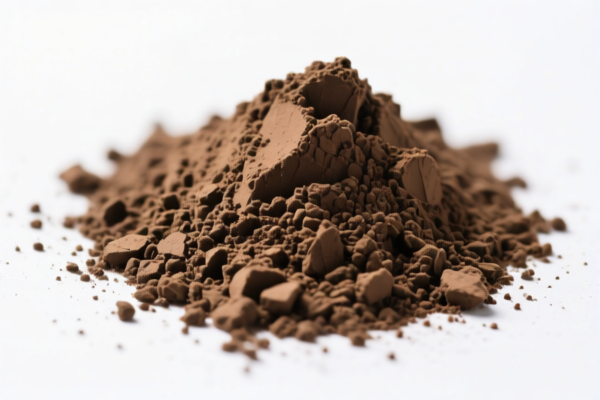
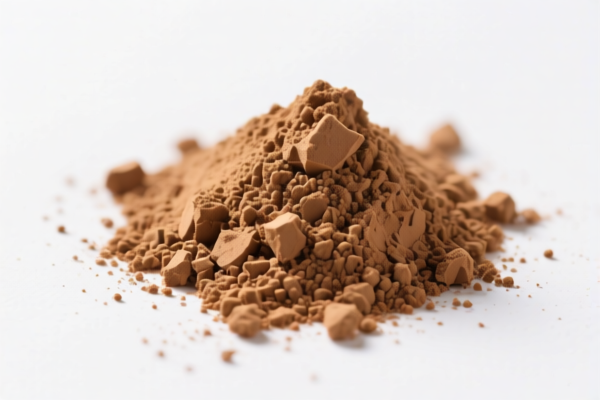
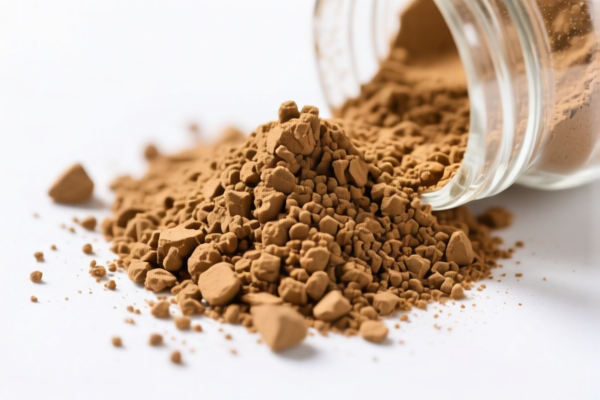
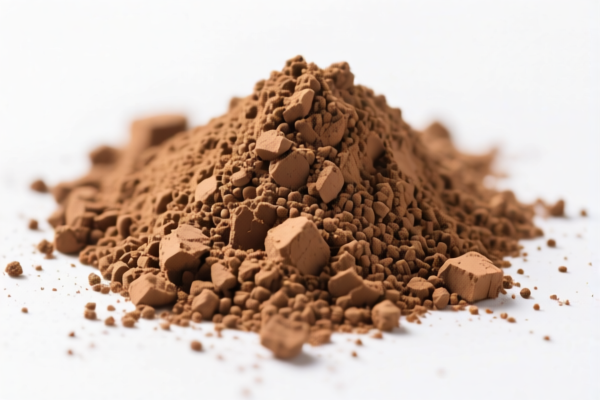
Product Images
AI Analysis
🧪 Phenolic Cyanate Ester Resin (Phenolic-Cyanate Ester Hybrid Resin)
🌐 HS Code Reference & Clearance Guide | 2026 Latest Tariff Analysis | Professional Level Entry Strategy
📌 I. Product Definition & Classification: Do You Really Understand "Phenolic Cyanate Ester Resin"?
Phenolic Cyanate Ester Resin is a high-performance advanced polymer material, typically formed by modifying phenolic resins with cyanate ester functional groups. In international trade, it is primarily classified based on its chemical nature (organic compound) or its specific polymer type (phenolic resin).
Core Material Characteristics: - Chemical Structure: Contains phenolic rings and cyanate ester groups (-OCN). - Physical Form: Usually supplied as powders, flakes, or liquid prepregs; considered a "chemical product" or "organic compound." - Primary Application: High-frequency circuit boards (FCCS), aerospace composite materials, and high-temperature insulation.
⚠️ Key Distinction Point: - If the product is defined primarily as a modified phenolic resin or falls under the specific legal definition of phenolic resins in the HS Nomenclature → Chapter 39 (3909.39 / 3909.40). - If the product is considered a generic organic chemical or other resin without a specific phenolic heading → Chapter 29 (2942.00). - If it is viewed as a preparation or mixed chemical product not elsewhere specified → Chapter 38 (3824.99).
📦 II. HS Code Classification Details (2026 Latest Tariff Authority Comparison)
| HS Code | Product Description | Application Scenario | Classification Logic |
|---|---|---|---|
2942.00.35.00 |
Aromatic derivatives, other organic compounds | General aromatic organic compounds; fits "aromatic derivative" material feature. | ✅ Fits "Aromatic Derivative" of Organic Compounds |
2942.00.50.00 |
Other organic compounds | General organic chemical substance; no material conflict with "other organic compounds." | ✅ Fits "Other Organic Compounds" |
3909.39.00.00 |
Phenolic resins, in primary forms | Explicitly named "Phenolic Resin" in product description; fits specific phenolic resin definition. | ✅ Direct Match for Phenolic Resin |
3824.99.29.00 |
Chemical products and preparations, n.e.s. | Phenolic resin-like chemical; fits "chemical product" material attribute; intermediate chemical form. | ✅ Fits "Chemical Products & Preparations" |
3909.40.00.00 |
Other phenolic resins in primary forms | Explicitly named "Phenolic Resin"; fits material limitation for phenolic resins. | ✅ Direct Match for Phenolic Resin |
🔍 Key Reminder: - Priority Principle: HS Code
3909.39.00.00and3909.40.00.00are the most precise because the product name explicitly contains "Phenolic Resin" (酚醛树脂). - Fallback Principle: If the cyanate ester modification is significant enough to remove it from the strict "phenolic resin" definition, it may fall under2942.00(Organic Compounds) or3824.99(Preparations), but this is less common for standard "Phenolic Cyanate Ester" declarations.
💰 III. 2026 Latest Tariff Rate Details (Including Additional Taxes & Policy Surcharges)
✅ Applicable Country: United States (US)
✅ Country of Origin: China (CN)
✅ Effective Time: From November 10, 2025 (including subsequent imports)
🎯 1. 2942.00.35.00 — Aromatic Derivatives (Organic Compounds)
| Item | Content |
|---|---|
| Base Tariff | 6.5% (ad valorem) |
| Section 301 Surcharge | +25.0% (Additional Tariff) |
| Section 122 Tariff | +10.0% (Specific China Tariff) |
| Total Tariff | 41.5% |
| Tax Calculation | CIF Value × 41.5% |
| De Minimis Eligibility | ❌ Not Eligible (deny_de_minimis) |
| Legal Basis Path | Base: 6.5% + Section 301: 25% + Section 122: 10% |
📌 Explanation: - Base Tariff 6.5%: Standard MFN rate for certain organic compounds. - Section 301 25%: The most significant portion of the tariff for Chinese organic chemical imports. - Section 122 10%: Additional surcharge applicable to specific Chinese goods. - Total 41.5%: A very high tariff rate, significantly impacting cost competitiveness.
🎯 2. 2942.00.50.00 — Other Organic Compounds
| Item | Content |
|---|---|
| Base Tariff | 3.7% |
| Section 301 Surcharge | +25.0% (Additional Tariff) |
| Section 122 Tariff | +10.0% (Specific China Tariff) |
| Total Tariff | 38.7% |
| Tax Calculation | CIF Value × 38.7% |
| De Minimis Eligibility | ❌ Not Eligible (deny_de_minimis) |
| Legal Basis Path | Base: 3.7% + Section 301: 25% + Section 122: 10% |
📌 Note: - Base Tariff 3.7%: Lower than 2942.00.35, but the surcharges remain the same. - Total 38.7%: Still a high tariff, but slightly more favorable than 41.5%. - Risk: Misclassification here if the product should strictly be a "Phenolic Resin" (Chapter 39) could lead to customs disputes.
🎯 3. 3909.39.00.00 — Phenolic Resins in Primary Forms
| Item | Content |
|---|---|
| Base Tariff | 6.5% |
| Section 301 Surcharge | +25.0% (Additional Tariff) |
| Section 122 Tariff | +10.0% (Specific China Tariff) |
| Total Tariff | 41.5% |
| Tax Calculation | CIF Value × 41.5% |
| De Minimis Eligibility | ❌ Not Eligible (deny_de_minimis) |
| Legal Basis Path | Base: 6.5% + Section 301: 25% + Section 122: 10% |
📌 Explanation: - Best Fit for Name: This code matches the "Phenolic Resin" in the product name directly. - High Tariff: Despite being a "plastic/resin" code, the Section 301 and Section 122 tariffs apply heavily.
🎯 4. 3824.99.29.00 — Chemical Products and Preparations (n.e.s.)
| Item | Content |
|---|---|
| Base Tariff | 6.5% |
| Section 301 Surcharge | +25.0% (Additional Tariff) |
| Section 122 Tariff | +10.0% (Specific China Tariff) |
| Total Tariff | 41.5% |
| Tax Calculation | CIF Value × 41.5% |
| > De Minimis Eligibility** | ❌ Not Eligible (deny_de_minimis) |
| Legal Basis Path | Base: 6.5% + Section 301: 25% + Section 122: 10% |
📌 Note: - Intermediary Category: Used if the product is considered a "preparation" rather than a pure compound or specific resin. - Same High Rate: The tariff burden is identical to Chapter 29 and Chapter 39 options.
🎯 5. 3909.40.00.00 — Other Phenolic Resins in Primary Forms
| Item | Content |
|---|---|
| Base Tariff | 6.5% |
| Section 301 Surcharge | +25.0% (Additional Tariff) |
| > Section 122 Tariff | +10.0% (Specific China Tariff) |
| Total Tariff | 41.5% |
| Tax Calculation | CIF Value × 41.5% |
| De Minimis Eligibility | ❌ Not Eligible (deny_de_minimis) |
| Legal Basis Path | Base: 6.5% + Section 301: 25% + Section 122: 10% |
📌 Note: - Similar to 3909.39: Both fall under Phenolic Resins. The distinction depends on specific chemical properties not detailed here. - Consistency: All Phenolic Resin codes currently face the same high tariff structure due to US-China trade policies.
🛠️ IV. Customs Clearance Practical Advice (Battle-Tested Pitfall Guide)
✅ 1. Required Documentation Checklist (None Can Be Omitted)
| Document | Must Provide | Explanation |
|---|---|---|
| ✅ Product Specification Sheet | ✔️ | Must detail chemical structure, phenolic content, cyanate ester content, and physical form (powder/liquid). |
| ✅ Safety Data Sheet (SDS) | ✔️ | Crucial for customs to identify if it's hazardous or regulated. |
| ✅ Product Photos | ✔️ | Clear images of packaging, labels, and material form. |
| ✅ Commercial Invoice | ✔️ | Must explicitly state "Phenolic Cyanate Ester Resin" and HS Code. Avoid vague terms like "Plastic Material." |
| ✅ Certificate of Origin (CO) | ✔️ | If not China origin, may apply for preferential rates. For China origin, it confirms Section 301 applicability. |
| ✅ Packing List | ✔️ | Detailed list of net/gross weights and packaging type. |
✅ 2. Declaration Tips (Key Mantra)
🔥 "Name Specific, Code Precise, Don't Split, Avoid Confusion!"
| Scenario | Correct Declaration | Incorrect Practice |
|---|---|---|
| Pure Phenolic Cyanate Ester | 3909.39.00.00 or 3909.40.00.00 |
Misreport as generic "Plastic" → Potential Penalty |
| Mixed with Fillers/Additives | 3909.39.00.00 (if phenolic is principal character) |
Misreport as 3824 (Preparation) → Risk of Rejection |
| Cyanate Ester Only (No Phenolic) | 2942.00.35.00 or 2942.00.50.00 |
Misreport as Phenolic Resin → Incorrect Classification |
| Small Samples | Still declare full value | Claim De Minimis → Rejected (High Tariff Exemption Not Available) |
✅ 3. Special Situation Handling
| Situation | Handling Advice |
|---|---|
| High-Performance Engineering Resin | Provide technical data proving it is a "primary form" resin to qualify for Chapter 39. |
| Liquid vs. Solid Form | Both can be classified under 3909, but ensure the description matches the physical state (e.g., "Liquid Phenolic Resin"). |
| Trade War Impact | No Exemptions Available for Section 301 and Section 122 tariffs. Budget for 38.7%-41.5% total tax. |
| Customs Audit | Be prepared to provide chemical synthesis flowcharts or supplier technical documents if challenged. |
🌍 V. Global Market Customs Comparison (2026 Latest)
| Country/Region | Recommended HS Code | Tariff (China Origin) | Certification Requirements | Remarks |
|---|---|---|---|---|
| 🇺🇸 USA | 3909.39.00.00 / 3909.40.00.00 |
41.5% | No specific CE/RoHS required for import, but SDS mandatory | High tariff burden; Section 301 & 122 apply. |
| 🇨🇳 China | 3909.39.00.00 |
5% | No specific import license | Low tariff; stable trade. |
| 🇪🇺 EU | 3909.39.00.00 |
0% (if non-prefab) | REACH Registration Mandatory | REACH compliance is critical for entry. |
| 🇯🇵 Japan | 3909.39.00.00 |
3.0% | JIS Standard Compliance | Moderate tariff. |
| 🇻🇳 Vietnam | 3909.39.00.00 |
0-5% | Varies | Potential for lower tariffs if processed locally. |
📌 Conclusion: - USA is the most expensive market for Phenolic Cyanate Ester Resin due to the combined 35% surcharges (301 + 122). - EU and Japan are more cost-effective but require strict regulatory compliance (REACH in EU). - China has the lowest import tariff but is also the primary source of supply.
📌 VI. Common Mistakes & Pitfall Guide (Blood & Tears Lessons)
❌ Mistake 1: Declaring as "Plastic Raw Material" (Chapter 39 General) instead of "Phenolic Resin" (3909) 👉 Consequence: May be rejected for not specifying the resin type, or misclassified leading to duty adjustments.
❌ Mistake 2: Assuming "Cyanate Ester" means it's not a "Phenolic Resin" 👉 Consequence: If the product is a hybrid, Chapter 39 (Phenolic Resin) is often more accurate and defensible than Chapter 29. Misclassification leads to delays.
❌ Mistake 3: Trying to use De Minimis (Section 321) for small shipments 👉 Consequence: Denied. High tariff items (>8% base rate usually, plus surcharges) are often excluded or scrutinized heavily. The total tax rate is 38-41%, making de minimis exemption impossible.
❌ Mistake 4: Not providing SDS 👉 Consequence: Customs may hold the cargo for hazardous material review, causing significant delays and storage fees.
✅ Correct Practice:
"Phenolic Cyanate Ester Resin, Solid/Powder, Chemical Name: Poly(phenyl cyanate-co-phenolic), Model: XYZ, for Aerospace Use, SDS Provided"
🎯 VII. Conclusion: Precision in Classification Saves Money!
🎯 Remember the Mantra:
🔹 "Phenolic Resin is King, Code 3909 is Best."
🔹 "301 and 122 Add 35%, Plan Your Cost Accordingly."
🔹 "Don't Guess, Document, Declaring Correctly First."
📌 Pro Tip:
If you are importing from Vietnam, Malaysia, or Thailand where local processing adds substantial value, you may qualify for preferential tariffs under USMCA or other FTAs, potentially avoiding Section 301/122 tariffs.
Recommendation: Apply for a Pre-Ruling (Advance Ruling) from CBP before shipping large volumes to confirm the HS Code and avoid post-entry audits.
📣 Immediate Action:
📞 Contact a Professional Customs Broker + Provide Technical Data Sheet + Apply for HS Code Pre-Ruling
🚀 Ensure your Phenolic Cyanate Ester Resin clears smoothly, reduces risk, and maximizes profit!
✨ Professional Clearance Starts with Accurate Classification!
💼 Every Dollar of Tariff is Worth Calculating Precisely!
Customer Reviews
About HS Code Classification
The Harmonized System (HS) is an internationally standardized nomenclature developed by the World Customs Organization (WCO) to classify traded products. Over 200 countries use the HS system as the basis for customs tariffs, trade statistics, and import/export regulations.
Each HS code follows a hierarchical structure:
- Chapter (2 digits) — Broad category of goods (e.g., Chapter 84: Machinery and Mechanical Appliances)
- Heading (4 digits) — More specific grouping within the chapter
- Subheading (6 digits) — Internationally standardized breakdown, used by all WCO member countries
- National subdivisions (8-10 digits) — Country-specific extensions for further classification, such as US HTSUS 10-digit codes
Correct HS code classification is essential for smooth customs clearance, accurate duty payment, and compliance with trade regulations. Misclassification can lead to customs delays, overpayment of duties, or penalties.
When importing from CN to US, the applicable tariff rates may include:
- Most-Favored-Nation (MFN) rate — The standard duty rate applied to WTO members
- General rate — Applied to countries without trade agreements
- Trade remedy duties — Additional tariffs such as Section 301 (anti-dumping), Section 232 (national security), or countervailing duties
The information provided on this page is for reference purposes only. For official classification, please consult with your local customs authority or a licensed customs broker.