Phone Case and Tempered Glass Screen Protector
CN → US| HS Code | Tariff Rate | Origin | Destination | Doc |
|---|---|---|---|---|
| 3926903500 | 24.0% | CN | US | Official Doc |
| 4202999000 | 55.0% | CN | US | Official Doc |
| 3926904800 | 13.4% | CN | US | Official Doc |
| 7020004000 | 41.6% | CN | US | Official Doc |
| 7020006000 | 40.0% | CN | US | Official Doc |
Product Images
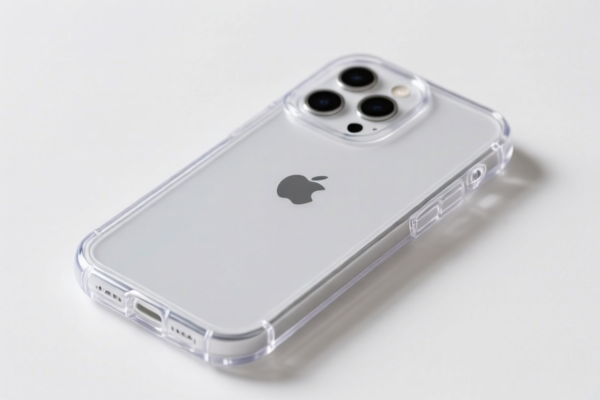
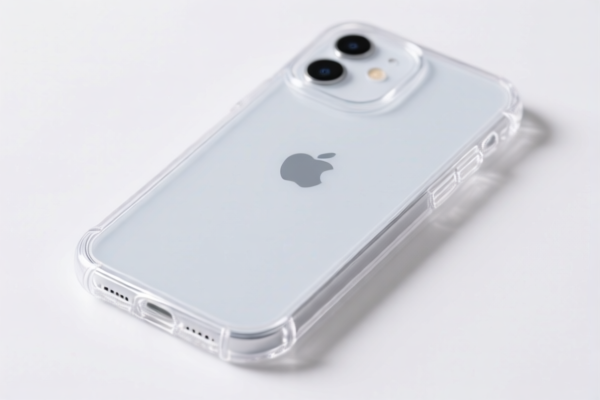
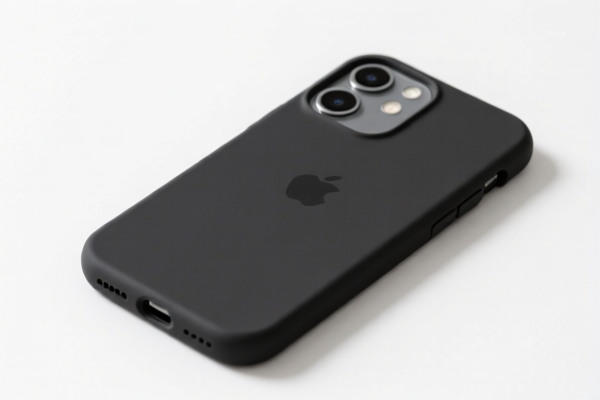
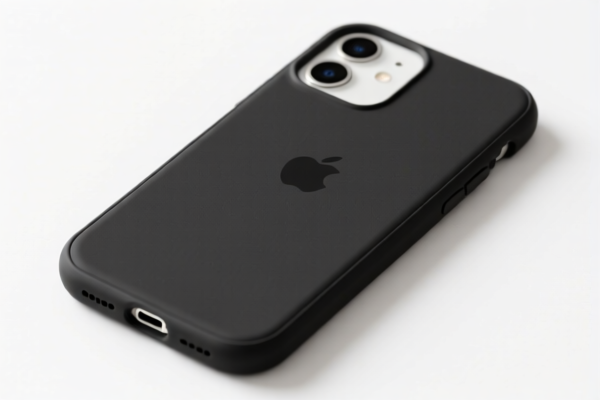
AI Analysis
📱 Phone Cases & Tempered Glass Screen Protectors
🌐 HS Code Reference & Customs Clearance Guide | 2024 Latest Tariff Analysis | Professional Level Clearance Strategy
📌 I. Product Definition & Classification: Do You Really Understand "Phone Accessories"?
Mobile phone cases and screen protectors are essential protective accessories for smartphones. However, in international trade, their classification depends heavily on material composition, functional description, and whether they are bundled together. Misclassification can lead to significant duty differences (from 13.4% to 55%+).
Key Distinctions: - Plastic/TPU/PET Cases: Classified under Chapter 39 (Plastics) or Chapter 42 (Articles of leather/synthetic leather) depending on structure and material. - Tempered Glass Protectors: Classified under Chapter 70 (Glass and glassware). - Bundled Sets (Case + Glass): Customs often scrutinizes "mixed consignments." If packaged together as a single retail unit, they may be classified under the primary item (usually the case) or subject to the highest duty rate applicable to any component.
⚠️ Critical Point:
- If the product is a simple plastic sheet/glass film without complex shaping → Chapter 39/70.
- If the product is a formed case with straps, pockets, or complex structure → Chapter 42.
- Tempered Glass is strictly Chapter 70, regardless of thinness.
📦 II. HS Code Classification Details (Based on Provided Data)
| HS Code | Product Description | Material | Total Tax Rate | Tax Breakdown |
|---|---|---|---|---|
3926.90.35.00 |
Phone case/screen protector, Plastic/TPU/PET | Plastic/TPU/PET | 24.0% | Base: 6.5% + Section 301: 7.5% + Section 122: 10% |
4202.99.90.00 |
Phone case & protector, Plastic/Synthetic (Container/Bag extension) | Plastic/Synthetic | 55.0% | Base: 20.0% + Section 301: 25.0% + Section 122: 10% |
3926.90.48.00 |
Phone case/screen protector, Plastic/Polymer | Plastic/Polymer | 13.4% | Base: 3.4% + Section 301: 0.0% + Section 122: 10% |
7020.00.40.00 |
Tempered Glass Screen Protector | Glass | 41.6% | Base: 6.6% + Section 301: 25.0% + Section 122: 10% |
7020.00.60.00 |
Tempered Glass Screen Protector (Processed Glass Product) | Glass | 40.0% | Base: 5.0% + Section 301: 25.0% + Section 122: 10% |
🔍 Key Observation:
-3926.90.35.00and3926.90.48.00are both plastic-based but have vastly different duties (24% vs 13.4%). This difference often hinges on the specific polymer type or manufacturing process.
-4202.99.90.00carries the highest risk (55%). It is used if the case is deemed a "bag-like" structure or if customs interprets the accessory as an extension of a container/bag category.
- Glass protectors (7020) are heavily taxed due to the 25% Section 301 tariff, regardless of whether they are basic glass (41.6%) or processed (40.0%).
💰 III. 2024 Latest Tariff Rate Details (Section 301 & Section 122 Explained)
✅ Applicable Country: USA (US)
✅ Origin: China (CN) (Assumed based on Section 301/122 context)
✅ Effective Time: Current (Ongoing)
🎯 1. 3926.90.35.00 – Plastic/TPU/PET Accessories (Mid-Range Duty)
| Item | Content |
|---|---|
| Base Duty | 6.5% (General Rate) |
| Section 301 Duty | +7.5% (Specific to this subheading) |
| Section 122 Duty | +10% (New Section 122 Tariff on certain Chinese goods) |
| Total Effective Rate | 24.0% |
| Calculation | CIF Value × 24% |
| De Minimis Eligibility | ❌ No (Section 301 goods generally exclude de minimis exemption for shipments from China) |
| Legal Path | HTSUS:3926.90.35 → Section 301 Footnote 4 → Section 122 |
📌 Explanation:
- This code is for standard plastic-based cases/protectors.
- The 7.5% Section 301 rate is lower than the typical 25%, but the addition of Section 122 (10%) makes it costly.
- Optimization Tip: Check if your TPU/PET material qualifies for3926.90.48.00(13.4%) by verifying polymer specifications with customs brokers.
🎯 2. 3926.90.48.00 – Plastic/Polymer Accessories (Lowest Plastic Duty)
| Item | Content |
|---|---|
| Base Duty | 3.4% |
| Section 301 Duty | 0.0% (Exempt or lower tier) |
| Section 122 Duty | +10% |
| Total Effective Rate | 13.4% |
| Calculation | CIF Value × 13.4% |
| De Minimis Eligibility | ❌ No |
| Legal Path | HTSUS:3926.90.48 → Section 122 |
📌 Explanation:
- This is the most favorable code for plastic items in the provided data.
- To qualify, the product must strictly fit the description of "Other plastic articles" under this specific subheading, often requiring precise material data sheets (MSDS) and manufacturing process details.
🎯 3. 4202.99.90.00 – Synthetic Leather/Bag-like Cases (Highest Risk)
| Item | Content |
|---|---|
| Base Duty | 20.0% |
| Section 301 Duty | +25% (Standard 301 rate) |
| Section 122 Duty | +10% |
| Total Effective Rate | 55.0% |
| Calculation | CIF Value × 55% |
| De Minimis Eligibility | ❌ No |
| Legal Path | HTSUS:4202.99.90 → Section 301 Footnote 1 → Section 122 |
📌 Explanation:
- Avoid this code if possible! It applies if the case is considered a "container" or has bag-like features (e.g., wrist strap, card slots, complex folding).
- Many "wallet cases" or "folio cases" are misclassified here. If it's a simple sleeve or bumper, argue for Chapter 39 instead.
🎯 4. 7020.00.40.00 & 7020.00.60.00 – Tempered Glass (High Duty)
| Item | Content |
|---|---|
| Base Duty | 6.6% (40) / 5.0% (60) |
| Section 301 Duty | +25% |
| Section 122 Duty | +10% |
| Total Effective Rate | 41.6% (40) / 40.0% (60) |
| Calculation | CIF Value × 41.6%/40% |
| De Minimis Eligibility | ❌ No |
📌 Explanation:
- Tempered glass is classified as "Other Glass Articles."
- The distinction between.40(Other) and.60(Processed) is minor in duty (1.6% difference) but important for legal accuracy.
- Section 301 (25%) is the main driver here. There is no low-duty option for glass protectors from China.
🛠️ IV. Customs Clearance Practical Advice (Avoiding Pitfalls)
✅ 1. Documentation Checklist (Must-Have)
| Document | Required | Purpose |
|---|---|---|
| ✅ Product Specifications | ✔️ | Must detail exact material (e.g., "Thermoplastic Polyurethane (TPU)" vs. "Polycarbonate (PC)"). This determines Chapter 39 vs 42. |
| ✅ Material Safety Data Sheet (MSDS) | ✔️ | Proves polymer composition, crucial for distinguishing between 3926.90.35 and 3926.90.48. |
| ✅ Photos (Front/Back/Interior) | ✔️ | Shows if the case has straps, buckles, or card slots (which might push it toward 4202.99.90). |
| ✅ Commercial Invoice | ✔️ | Must clearly state "Phone Case" or "Screen Protector," not generic "Plastic Product." |
| ✅ Packing List | ✔️ | Separate cases and glass if shipped separately to avoid "mixed consignment" confusion. |
✅ 2. Classification Strategy (Key Tips)
🔥 "Material is King, Structure is Queen"
| Scenario | Recommended HS Code | Strategy |
|---|---|---|
| Simple TPU/PC Case | 3926.90.35.00 or 3926.90.48.00 |
Provide MSDS to prove polymer type. Aim for 48.00 if eligible (13.4% vs 24%). |
| Wallet/Folio Case with Straps | 4202.99.90.00 |
High Risk. Try to argue it's a "plastic article" if possible, but be prepared for 55% duty. |
| Tempered Glass Protector | 7020.00.40.00 |
Declare as "Tempered Glass Screen Protector." Do not hide under plastic codes. |
| Bundle (Case + Glass) | Primary Item | If sold as a set, classify based on the primary function/value (usually the case). Ensure invoice reflects separate values for audit purposes. |
✅ 3. Special Situations
| Situation | Handling Advice |
|---|---|
| "De Minimis" (Section 321) | ❌ Not Eligible. Section 301 and Section 122 duties cannot be waived under the $800 de minimis rule for Chinese-origin goods. All duties must be paid. |
| OEM Custom Cases | Provide OEM order contracts and design files to prove it's a customized plastic article, not a standard bag. |
| Glass Protector Packaging | If the glass is pre-applied to the case, declare as a composite good. Classification follows the principal characteristic (usually the case). |
🌍 V. Global Market Comparison (2024 Snapshot)
| Market | Recommended HS Code | Est. Total Duty (China Origin) | Notes |
|---|---|---|---|
| 🇺🇸 USA | 3926.90.35 / 7020.00 |
24% - 55% | High Section 301/122 tariffs. |
| 🇨🇳 China | 3926.90.35 / 7020.00 |
0% - 6% | Low import duties for accessories. |
| 🇪🇺 EU | 3926.90 / 7020.00 |
4% - 6% | No Section 301 equivalent. Standard EU duty. |
| 🇬🇧 UK | 3926.90 / 7020.00 |
4% - 6% | Post-Brexit rules apply. No extra trade war tariffs. |
📌 Conclusion:
- USA is the most challenging market due to Section 301 and 122 tariffs.
- EU/UK offer significantly lower duty rates (4-6%), making them more attractive for direct shipping if logistics allow.
📌 VI. Common Mistakes & Pitfalls (Learn from Others' Blood & Tears)
❌ Mistake 1: Classifying a Wallet Case as a simple plastic case (3926).
👉 Consequence: Customs may reclassify as 4202.99.90 → 55% duty + penalties.
✅ Fix: Be honest about structure. If it has a strap, consider the higher duty or re-engineer the design.
❌ Mistake 2: Using "Screen Protector" for a Tempered Glass item to avoid glass duties.
👉 Consequence: Customs will inspect, find it's glass, and charge 41.6% instead of a lower plastic rate.
✅ Fix: Always declare the correct material. Glass is glass.
❌ Mistake 3: Assuming De Minimis ($800) applies to these items.
👉 Consequence: Package seized or held at border for unpaid duties.
✅ Fix: Budget for full duty payment. Section 301/122 items are not de minimis exempt.
🎯 VII. Conclusion: Precision Saves Money!
🎯 Remember the Golden Rule:
🔹 "Material Determines Chapter, Structure Determines Subheading."
🔹 "Glass = 40%+, Plastic = 13-24%, Bag-like = 55%."
🔹 "No De Minimis for Section 301/122!"
📌 Pro Tip:
- If you are importing TPU/PET cases, work with your supplier to get a material certificate that might support the lower-duty 3926.90.48.00 (13.4%) classification.
- For glass protectors, there is no way to avoid the ~41% duty from China. Consider bundling with low-duty items carefully or exploring third-party logistics (3PL) in non-US markets if possible.
📣 Immediate Action:
📞 Consult a Customs Broker with your product photos and material specs.
📄 Request MSDS from your supplier.
📝 Apply for an Advance Ruling if shipping large volumes.
✨ Professional Customs Clearance Starts with Accurate Classification!
💼 Every Percentage Point Saved is Pure Profit!
Customer Reviews
About HS Code Classification
The Harmonized System (HS) is an internationally standardized nomenclature developed by the World Customs Organization (WCO) to classify traded products. Over 200 countries use the HS system as the basis for customs tariffs, trade statistics, and import/export regulations.
Each HS code follows a hierarchical structure:
- Chapter (2 digits) — Broad category of goods (e.g., Chapter 84: Machinery and Mechanical Appliances)
- Heading (4 digits) — More specific grouping within the chapter
- Subheading (6 digits) — Internationally standardized breakdown, used by all WCO member countries
- National subdivisions (8-10 digits) — Country-specific extensions for further classification, such as US HTSUS 10-digit codes
Correct HS code classification is essential for smooth customs clearance, accurate duty payment, and compliance with trade regulations. Misclassification can lead to customs delays, overpayment of duties, or penalties.
When importing from CN to US, the applicable tariff rates may include:
- Most-Favored-Nation (MFN) rate — The standard duty rate applied to WTO members
- General rate — Applied to countries without trade agreements
- Trade remedy duties — Additional tariffs such as Section 301 (anti-dumping), Section 232 (national security), or countervailing duties
The information provided on this page is for reference purposes only. For official classification, please consult with your local customs authority or a licensed customs broker.