Phone Cover
CN → US| HS Code | Tariff Rate | Origin | Destination | Doc |
|---|---|---|---|---|
| 4016990500 | 20.9% | CN | US | Official Doc |
| 3926909989 | 22.8% | CN | US | Official Doc |
| 8517790000 | 67.5% | CN | US | Official Doc |
| 3926909950 | 22.8% | CN | US | Official Doc |
| 4016996050 | 37.5% | CN | US | Official Doc |
Product Images
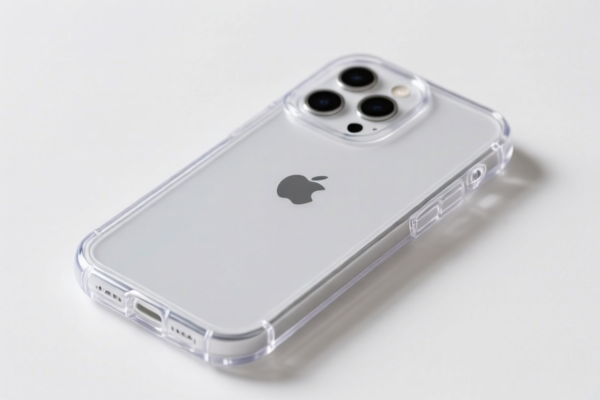
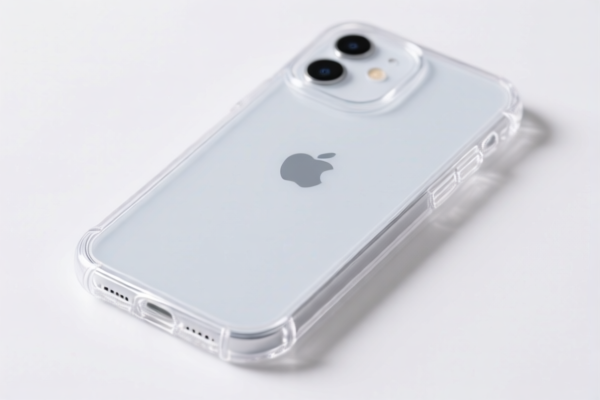
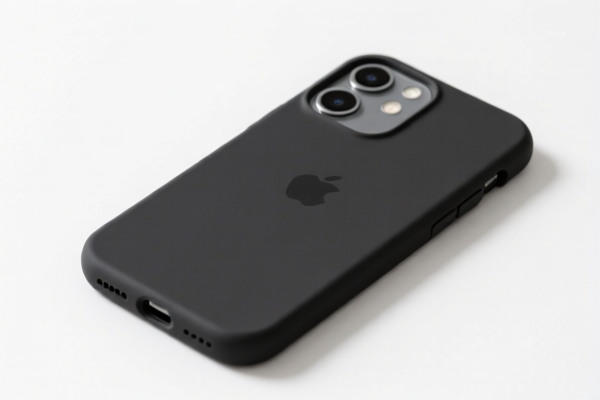
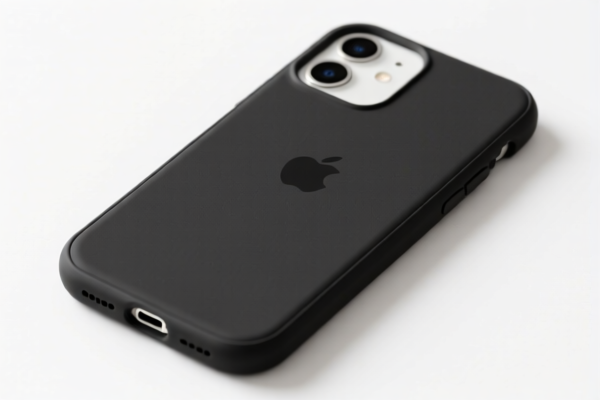
AI Analysis
📱 Phone Covers (Cases for Mobile Telephones)
🌐 HS Code Reference & Customs Clearance Guide | 2026 Latest Tariff Analysis | Professional Clearance Strategy
📌 I. Product Definition & Classification: What Exactly is a "Phone Cover"?
Phone covers, commonly known as phone cases, are protective accessories for mobile devices. In international trade, their classification depends heavily on the primary material and functional description. They are not merely "accessories" but fall into specific chapters based on whether they are treated as plastic goods, rubber goods, or electronic components.
⚠️ Key Classification Logic:
- If made of Plastic: Generally falls under Chapter 39 (Plastics and Articles Thereof).
- If made of Vulcanized Rubber/Silicone: Generally falls under Chapter 40 (Rubber and Articles Thereof).
- If marketed strictly as a Component of a Phone: Risk of classification under Chapter 85 (Machines and Apparatus), but this is often disputed or results in higher tariffs due to specific trade measures.
📦 II. HS Code Classification Details (2026 Latest Tariff Authority Comparison)
Based on the provided data, here are the specific HS Codes, summaries, and tax implications for Phone Covers.
| HS Code | Summary / Classification Logic | Material Focus |
|---|---|---|
| 4016.99.05.00 | Other articles of vulcanized rubber other than hard rubber; specifically categorized under "Other household/personal articles." | Vulcanized Rubber / Silicone |
| 3926.90.99.89 | Other articles of plastics and articles of other materials of heading 3902 to 3911; specifically categorized as "Accessories/Cases" in other plastic products. | Plastic (Hard/Semi-hard) |
| 8517.79.00.00 | Parts and accessories for telephones, including phones for cellular networks or for other networks for wireless communications. Categorized as "Communication Equipment Parts." | Inferred Plastic/Silicone (Functional Component) |
| 3926.90.99.50 | Other articles of plastics; uses the "catch-all" logic for plastic products if not specifically listed elsewhere. | Plastic (General) |
| 4016.99.60.50 | Other articles of vulcanized rubber; uses the "catch-all" logic for rubber products if not specifically listed elsewhere. | Rubber/Silicone (General) |
🔍 Critical Distinction:
- Ch 39 vs. Ch 40: Determine the primary material. If it's TPU (Thermoplastic Polyurethane) or Polycarbonate → Chapter 39. If it's Silicone or natural rubber → Chapter 40.
- Ch 85 Risk: Classifying as a "Part" of the phone (8517.79.00.00) is possible but triggers significantly higher tariffs due to Section 301 and 122 clause measures. Most standard cases should avoid this classification unless explicitly sold as integral hardware.
💰 III. 2026 Latest Tariff Rate Breakdown (Including Surtaxes & Policy Add-ons)
✅ Applicable Country: United States (US)
✅ Origin: China (CN)
✅ Effective Time: Current rates apply as per 2025-2026 trade policies.
🎯 1. 4016.99.05.00 — Vulcanized Rubber Articles (Household/Personal)
| Item | Content |
|---|---|
| Base Tariff | 3.4% |
| Surtax (Section 301/Additional) | 7.5% |
| 122 Clause Tariff | 10% |
| Total Tax Rate | 20.9% |
| Calculation | CIF Value × 20.9% |
| Legal Basis | Base Tariff + Surtax + 122 Clause |
📌 Explanation:
- Suitable for Silicone or Rubber cases.
- The 122 Clause (10%) is a specific penalty tariff often applied to Chinese goods.
- Lower risk compared to electronic parts classification.
🎯 2. 3926.90.99.89 & 3926.90.99.50 — Plastic Articles (Plastic Cases)
| Item | Content |
|---|---|
| Base Tariff | 5.3% |
| Surtax (Section 301/Additional) | 7.5% |
| 122 Clause Tariff | 10% |
| Total Tax Rate | 22.8% |
| Calculation | CIF Value × 22.8% |
| Legal Basis | Base Tariff + Surtax + 122 Clause |
📌 Explanation:
- Suitable for Hard Plastic (PC), TPU, or ABS cases.
- Code3926.90.99.89specifies "Accessories/Cases," while3926.90.99.50is a general catch-all. Both carry the same effective tariff rate in this context.
- Slightly higher base rate than rubber, but still manageable compared to electronic classifications.
🎯 3. 8517.79.00.00 — Parts of Telephones (High-Risk Classification)
| Item | Content |
|---|---|
| Base Tariff | 0.0% |
| Surtax (Section 301/Additional) | 7.5% |
| 122 Clause Tariff | 10% |
| Steel/Aluminum/Copper Surtax | 50% (If applicable components present) |
| Total Tax Rate | 67.5% |
| Calculation | CIF Value × 67.5% |
| Legal Basis | Base Tariff + Surtax + 122 Clause |
📌 Explanation:
- Warning: This classification assumes the cover is a "Part" of the telephone.
- While the base tariff is 0%, the Surtax + 122 Clause results in a massive 67.5% total rate.
- Additionally, if the case contains any metal (steel/aluminum/copper) parts, an additional 50% surtax may apply, though standard plastic/rubber cases usually fall under the 67.5% figure.
- Recommendation: Avoid this classification for standard protective covers unless legally required by specific product features.
🎯 4. 4016.99.60.50 — Other Vulcanized Rubber Articles (General)
| Item | Content |
|---|---|
| Base Tariff | 2.5% |
| Surtax | 25.0% |
| 122 Clause Tariff | 10% |
| Total Tax Rate | 37.5% |
| Calculation | CIF Value × 37.5% |
| Legal Basis | Base Tariff + High Surtax + 122 Clause |
📌 Explanation:
- This is a "catch-all" for rubber products.
- Note the 25.0% Surtax, which is significantly higher than the 7.5% in other rubber codes.
- Use only if the specific product doesn't fit4016.99.05.00.
🛠️ IV. Customs Clearance Practical Advice (Real-World Pitfall Prevention)
✅ 1. Documentation Checklist (Non-negotiable)
| Document | Required? | Notes |
|---|---|---|
| ✅ Product Specification Sheet | ✔️ | Must state material (e.g., "100% Silicone" or "Polycarbonate"). |
| ✅ Product Photos | ✔️ | Clear images showing the item is a "cover/case," not a built-in component. |
| ✅ Commercial Invoice | ✔️ | Description must be precise: "Phone Case, Plastic, Model XYZ." |
| ✅ HS Code Justification | ✔️ | Explain why it's Ch 39/40 and not Ch 85 (if applicable). |
| ✅ Origin Certificate | ✔️ | To verify CN origin for surtax calculation. |
✅ 2. Declaration Strategy (Key Mnemonics)
🔥 "Material First, Function Second; Avoid 'Parts' Label!"
| Scenario | Correct Declaration | Incorrect Declaration |
|---|---|---|
| Silicone Case | 4016.99.05.00 (Vulcanized Rubber) |
8517.79.00.00 (Part of Phone) → 67.5% Tax! |
| Hard Plastic Case | 3926.90.99.89 (Plastic Accessories) |
3926.90.99.50 (General Plastic) → Acceptable but 89 is more precise. |
| Mixed Material Case | Declare primary material | Ambiguous description → Customs Audit Delay |
| Phone + Case Bundle | Declare separately if possible | Bundle as "Phone" → Complex valuation issues |
✅ 3. Special Considerations
| Scenario | Handling Advice |
|---|---|
| TPU Cases | TPU is often classified under Chapter 39 (Plastics). Use 3926.90.99.89. |
| Silicone Cases | Classified under Chapter 40. Use 4016.99.05.00. |
| Metal Frame Cases | If significant metal content, check for Steel/Aluminum surtaxes. May fall under Ch 73/76 or remain Ch 39/40 depending on essential character. |
| Smart Cases (With Battery/Bluetooth) | Likely to be classified as Ch 85 (Electrical Machinery/Parts). Expect high tariffs (~67.5%). |
🌍 V. Global Market Comparison (2026 Latest)
| Country/Region | Recommended HS Code | Estimated Tax (China Origin) | Certification Requirements | Notes |
|---|---|---|---|---|
| 🇺🇸 USA | 3926.90.99.89 or 4016.99.05.00 |
20.9% - 22.8% | No specific tech certs needed for basic cases | High Surtax due to Trade Policies |
| 🇪🇺 EU | 3926.90.99 or 4016.99 |
0% - 4% (Standard MFN) | REACH, RoHS (if applicable) | No Section 301 style surtaxes |
| 🇨🇳 China | 3926.90.99 or 4016.99 |
0% - 5% | N/A | Import-friendly |
| 🇬🇧 UK | 3926.90.99 or 4016.99 |
0% - 5% | UKCA Mark (if required) | Post-Brexit trade agreements apply |
📌 Conclusion:
- The USA imposes significant surtaxes (Section 301 + 122 Clause), making the 20.9%-22.8% range the standard for standard covers.
- Avoid Class 85 unless the product is electronic; the 67.5% tax is prohibitive for standard accessories.
- Europe and Asia offer much lower tax burdens, making them more competitive markets for phone accessories.
📌 VI. Common Errors & Pitfall Prevention (Lessons Learned)
❌ Error 1: Declaring a plastic case as a "Part of Telephone" (8517.79.00.00)
👉 Consequence: Tax jumps from 22.8% to 67.5%. Huge profit loss!
❌ Error 2: Mixing Rubber and Plastic descriptions without specifying the primary material
👉 Consequence: Customs may choose the higher-rated code or demand reclassification, causing delays.
❌ Error 3: Ignoring the 122 Clause (10%)
👉 Consequence: Underpayment of duties, leading to penalties and potential seizure.
❌ Error 4: Using generic terms like "Phone Accessory"
👉 Consequence: Insufficient information for customs to determine HS Code accurately. Always specify Material + Function.
✅ Correct Practice:
"Phone Case, Made of Polycarbonate, Protective Cover for iPhone 15, Model ABC" → HS 3926.90.99.89
🎯 VII. Conclusion: Precision Classification Saves Money!
🎯 Remember the Golden Rules:
🔹 "Plastic = Ch 39 (22.8%); Rubber = Ch 40 (20.9% or 37.5%). Avoid Ch 85 (67.5%)!"
🔹 "122 Clause is 10%; Surtax is 7.5% or 25%. Calculate Total!"
🔹 "Clear Description = Fast Clearance = Low Risk!"
📌 Pro Tip:
If you are shipping large volumes, consider Advance Rulings or Pre-classification services to confirm the HS Code before shipment. This prevents unexpected costs at the US border.
📣 Immediate Action:
📞 Consult with a licensed customs broker.
📦 Label your products clearly with material composition.
🚀 Optimize your supply chain by choosing the right HS Code!
✨ Professional Clearance Starts with Accurate Classification!
💼 Every percentage point of tax matters!
Customer Reviews
About HS Code Classification
The Harmonized System (HS) is an internationally standardized nomenclature developed by the World Customs Organization (WCO) to classify traded products. Over 200 countries use the HS system as the basis for customs tariffs, trade statistics, and import/export regulations.
Each HS code follows a hierarchical structure:
- Chapter (2 digits) — Broad category of goods (e.g., Chapter 84: Machinery and Mechanical Appliances)
- Heading (4 digits) — More specific grouping within the chapter
- Subheading (6 digits) — Internationally standardized breakdown, used by all WCO member countries
- National subdivisions (8-10 digits) — Country-specific extensions for further classification, such as US HTSUS 10-digit codes
Correct HS code classification is essential for smooth customs clearance, accurate duty payment, and compliance with trade regulations. Misclassification can lead to customs delays, overpayment of duties, or penalties.
When importing from CN to US, the applicable tariff rates may include:
- Most-Favored-Nation (MFN) rate — The standard duty rate applied to WTO members
- General rate — Applied to countries without trade agreements
- Trade remedy duties — Additional tariffs such as Section 301 (anti-dumping), Section 232 (national security), or countervailing duties
The information provided on this page is for reference purposes only. For official classification, please consult with your local customs authority or a licensed customs broker.