Phone and Tablet Stand
CN → US| HS Code | Tariff Rate | Origin | Destination | Doc |
|---|---|---|---|---|
| 3926902500 | 24.0% | CN | US | Official Doc |
| 3926909989 | 22.8% | CN | US | Official Doc |
| 7326908688 | 87.9% | CN | US | Official Doc |
| 7326200090 | 88.9% | CN | US | Official Doc |
| 8529909800 | 35.0% | CN | US | Official Doc |
| 8529907700 | 35.0% | CN | US | Official Doc |
Product Images
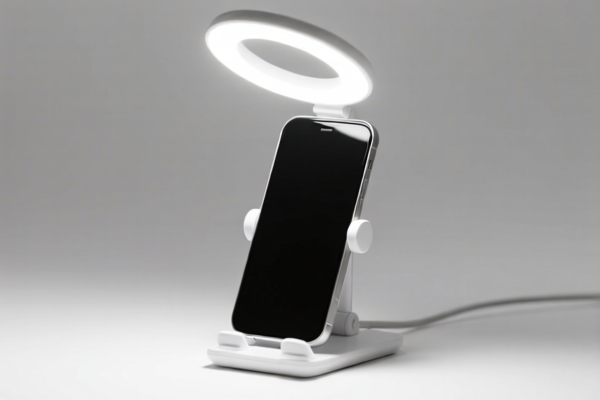
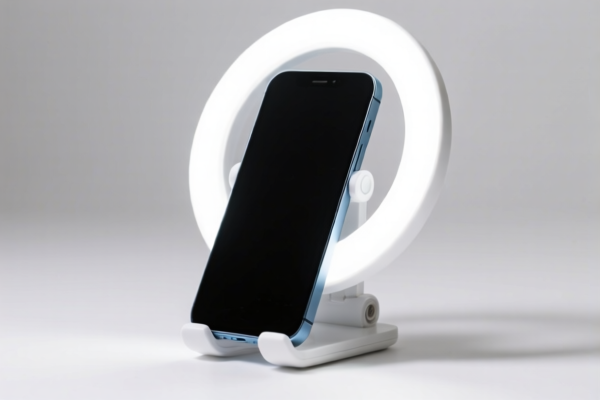
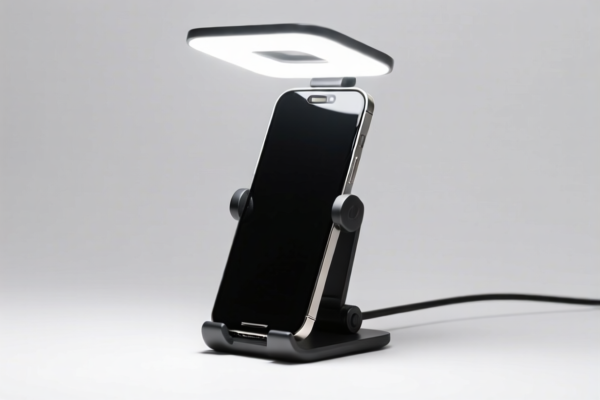
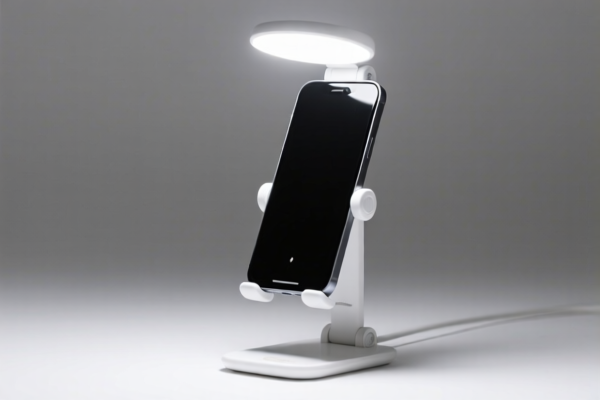
AI Analysis
📱 Phone & Tablet Stands: HS Code Classification & US Customs Clearance Guide (2026)
🌐 HS Code Reference & Customs Strategy | 2026 Latest Tariff Analysis | Professional Clearance Protocol
📌 I. Product Definition & Classification: Understanding the "Stand"
A Phone and Tablet Stand is an accessory used to support mobile devices for viewing, charging, or video conferencing. In international trade, classification depends heavily on material composition and functional classification. It is generally categorized under Chapter 39 (Plastics), Chapter 73 (Iron/Steel), or Chapter 85 (Electrical Equipment Parts).
⚠️ Key Distinction Point:
- Plastic Stands: Typically classified under 3926.90 (Other articles of plastics) or 8529.90 (Parts of apparatus).
- Metal Stands (Iron/Steel): Classified under 7326.90 or 7326.20 (Other articles of iron/steel). Note: Metal stands face significantly higher tariffs due to Section 301 and specific material penalties.
- Electronic Parts vs. Accessories: If the stand has active electronic components (e.g., wireless charging base with circuitry), it may fall under 8529.90 (Parts of electrical equipment). Purely passive mechanical stands fall under Chapter 39 or 73.
📦 II. HS Code Classification Details (2026 Latest Tariff Reference)
The following HS Codes are derived from the provided data <DATA>. Each code reflects a specific material or functional category.
| HS Code | Product Description | Material/Type | Total Tax Rate | Tax Breakdown Details |
|---|---|---|---|---|
3926.90.25.00 |
Phone Stand, Plastic (General) | Mostly Plastic | 24.0% | Base: 6.5% + Addt'l: 7.5% + Section 122: 10% |
3926.90.99.89 |
Phone Stand, Plastic/Metal Mix | Plastic or Metal (Plastic fallback) | 22.8% | Base: 5.3% + Addt'l: 7.5% + Section 122: 10% |
8529.90.98.00 |
Phone Stand, Electronic Part | Metal or Plastic (Equipment Part) | 35.0% | Base: 0.0% + Addt'l: 25.0% + Section 122: 10% |
8529.90.77.00 |
Phone Stand, Component/Fallback | Metal or Plastic (Component) | 35.0% | Base: 0.0% + Addt'l: 25.0% + Section 122: 10% |
7326.90.86.88 |
Phone Stand, Iron/Steel | Iron or Steel | 87.9% | Base: 2.9% + Addt'l: 25.0% + Section 122: 10% + Steel/Aluminum/Copper: 50% |
7326.20.00.90 |
Phone Stand, Iron/Steel (Fallback) | Iron/Steel | 88.9% | Base: 3.9% + Addt'l: 25.0% + Section 122: 10% + Steel/Aluminum/Copper: 50% |
🔍 Critical Analysis:
- Plastic Stands (3926.90series) offer the lowest total tax burden (22.8% - 24.0%).
- Metal Stands (7326series) suffer from a cumulative penalty: A flat 50% additional tariff is applied specifically to steel, aluminum, and copper products, pushing total rates to ~88%.
- Electronic Parts (8529.90series) have a 0% base rate but are hit with a heavy 25% additional tariff (Section 301) and 10% Section 122 tariff, totaling 35%. This is often a middle-ground option if the stand includes active electronics (like wireless charging coils).
💰 III. 2026 Latest Tariff Rate Explanation (Detailed Clause Analysis)
✅ Applicable Country: United States (US)
✅ Origin: China (CN)
✅ Effective Time: 2025-11-10 onwards (including subsequent imports)
🎯 1. 3926.90.25.00 & 3926.90.99.89 — Plastic/Mixed Material Stands
The Most Cost-Effective Path
| Item | Content |
|---|---|
| Base Tariff | 6.5% (3926.90.25.00) / 5.3% (3926.90.99.89) |
| Section 301 Additional Tariff | +7.5% |
| Section 122 Tariff | +10% |
| Total Effective Rate | 24.0% (Plastic) / 22.8% (Mixed/Fallback) |
| De Minimis Exemption | ❌ Not Eligible (High tariff rates exceed thresholds) |
📌 Explanation:
- These codes fall under "Other articles of plastics."
- The 7.5% is likely the current Section 301 rate for specific plastic articles or a component of the broader tariff structure.
- The 10% is attributed to Section 122 (often related to trade defense or specific administrative tariffs).
- Strategy: If your stand is predominantly plastic, declare it under3926.90.25.00or3926.90.99.89to minimize costs. Avoid classifying plastic parts as "metal" if possible.
🎯 2. 8529.90.98.00 & 8529.90.77.00 — Parts of Electrical Apparatus
The "Active Component" Path
| Item | Content |
|---|---|
| Base Tariff | 0.0% |
| Section 301 Additional Tariff | +25.0% |
| Section 122 Tariff | +10.0% |
| Total Effective Rate | 35.0% |
| De Minimis Exemption | ❌ Not Eligible |
📌 Explanation:
- These codes classify the stand as a part or accessory of an electrical apparatus (e.g., a wireless charging stand or a stand integrated with a device).
- The Base Rate is 0%, but the 25% Section 301 surcharge applies to parts of electrical equipment.
- Why choose this? If the stand contains a circuit board (e.g., for wireless charging) and is sold with or for an electronic device, this classification may be legally more accurate than "plastic article," avoiding misclassification penalties. However, the total rate (35%) is higher than pure plastic (24%).
🎯 3. 7326.90.86.88 & 7326.20.00.90 — Iron/Steel Stands
The High-Cost Trap
| Item | Content |
|---|---|
| Base Tariff | 2.9% (7326.90.86.88) / 3.9% (7326.20.00.90) |
| Section 301 Additional Tariff | +25.0% |
| Section 122 Tariff | +10.0% |
| Steel/Aluminum/Copper Surcharge | +50% |
| Total Effective Rate | 87.9% (7326.90) / 88.9% (7326.20) |
| De Minimis Exemption | ❌ Not Eligible |
📌 Explanation:
- CRITICAL WARNING: The 50% additional tariff for steel, aluminum, and copper products is applied on top of the base and other surcharges.
- This makes metal stands extremely expensive to import into the US.
- Why such a high rate? This reflects the aggressive trade policy targeting Chinese steel and aluminum products.
- Strategy: Avoid classifying metal stands under these codes unless you have no choice. If the stand is metal but made of non-penalty materials (e.g., aluminum is also penalized here), consider if it can be argued as a plastic composite if it has significant plastic components.
🛠️ IV. Customs Clearance Practical Advice (Pitfall Avoidance Guide)
✅ 1. Document Preparation Checklist (Non-Negotiable)
| Document | Required | Purpose |
|---|---|---|
| ✅ Product Specification Sheet | ✔️ | Must detail material composition (e.g., "ABS Plastic Body, Rubber Base"). |
| ✅ Material Breakdown | ✔️ | Clearly state % of plastic vs. metal. If >50% plastic, argue for 3926. |
| ✅ Product Photos | ✔️ | Show the stand without the phone, showing hinges, base, and any electronic ports. |
| ✅ Commercial Invoice | ✔️ | Describe as "Plastic Phone Stand" or "Electrical Equipment Part," NOT just "Stand." |
| ✅ Origin Certificate | ✔️ | Prove Country of Origin to ensure correct Section 301/122 application. |
✅ 2. Classification Strategy & Optimization
| Scenario | Recommended HS Code | Reasoning |
|---|---|---|
| Pure Plastic Stand | 3926.90.25.00 |
Lowest tax (24%). Simplest classification. |
| Plastic with Rubber/Metal Hinge | 3926.90.99.89 |
"Other plastics" fallback. Still low tax (22.8%). |
| Wireless Charging Stand | 8529.90.98.00 |
If it has electronics, it's a "Part of Electrical Apparatus." Avoids misclassification. Tax is 35%. |
| All-Metal Stand (Iron/Steel) | 7326.90.86.88 |
High tax (87.9%). Only use if unavoidable. Consider switching material to plastic/composite for cost savings. |
🔥 Key Insight:
"Material is Destiny."
The difference between 24% and 88% is 64 percentage points.
- If your stand is 10% metal and 90% plastic, do not classify it as metal (7326).
- Argue for the plastic classification (3926) as the principal material.
- If the stand is primarily a functional part of a charging device, use8529.90(35%) as a compromise to avoid the 50% steel penalty.
✅ 3. Special Case Handling
| Situation | Recommendation |
|---|---|
| Hybrid Stand (Plastic + Metal) | Declare as Plastic (3926) if plastic is the visible/principal material. Provide a bill of materials showing plastic weight >50%. |
| Stand with Wireless Charging | Use 8529.90 (35%). Do not use plastic codes if it contains active electronics, as Customs may reclassify and penalize. |
| Aluminum Stand | Be cautious. Aluminum is also subject to the 50% surcharge under the steel/aluminum/copper clause. Treat it similarly to steel (7326). |
| Gift Sets (Stand + Phone) | The stand is an accessory. Classify the whole set based on the essential character. If the phone is the main item, the stand’s tariff is absorbed. If sold separately, classify stand independently. |
🌍 V. Global Market Comparison (2026 Outlook)
| Market | Recommended HS Code | Est. Total Tax (China Origin) | Notes |
|---|---|---|---|
| 🇺🇸 USA | 3926.90.25.00 |
24.0% | High tariffs due to Section 301 & 122. |
| 🇺🇸 USA | 7326.90.86.88 |
87.9% | Penalty for steel/aluminum. |
| 🇪🇺 EU | 3926.90 |
~6-10% | No Section 301/122. Lower cost. |
| 🇨🇳 China | 3926.90 |
~5-10% | Domestic import, lower tariff. |
| 🇬🇧 UK | 3926.90 |
~5-10% | Post-Brexit tariffs generally lower than US. |
📌 Conclusion:
The US market is the most challenging due to layered tariffs (Base + Section 301 + Section 122 + Material Surcharge).
For US exports, Plastic (3926) is the safest and most cost-effective classification for stands.
📌 VI. Common Errors & Pitfalls (Lessons Learned)
❌ Error 1: Classifying a Plastic Stand as 7326 (Steel)
👉 Consequence: Tax jumps from 24% to 88%. Massive cost increase.
✅ Fix: Ensure the BOM (Bill of Materials) highlights plastic composition.
❌ Error 2: Classifying a Wireless Charging Stand as 3926 (Plastic)
👉 Consequence: Customs may reject it for misclassification (lack of electronic components declared), leading to delays or audits.
✅ Fix: Use 8529.90 if electronics are present.
❌ Error 3: Not declaring Section 122 or Section 301 correctly
👉 Consequence: Underpayment of duties, leading to fines and back-tariffs.
✅ Fix: Always verify the latest Section 301 and Section 122 rates for the specific HS Code.
🎯 VII. Conclusion: Smart Classification Saves Money!
🎯 Remember the Mantra:
🔹 "Plastic is King, Metal is the Sting."
🔹 "If it charges, use 8529; if it just holds, use 3926."
🔹 "Avoid 7326 unless you love paying 88% tax!"
📌 Pro Tip:
If you are shipping small quantities, check if De Minimis ($800) applies. However, with total rates of 24%-88%, most commercial shipments will exceed this, and duties will apply.
Recommendation:
1. Design stands with >50% plastic.
2. Classify under 3926.90.25.00.
3. Declare accurately to avoid audits.
📣 Take Action Now:
📞 Consult with a licensed customs broker for Pre-Ruling on your specific product design.
📄 Provide Material Composition data to justify the HS Code.
🚀 Optimize your supply chain to avoid steel/aluminum for the US market if possible.
✨ Professional Clearance Starts with Accurate Classification!
💼 Your Profit Margin Depends on Your HS Code!
Customer Reviews
About HS Code Classification
The Harmonized System (HS) is an internationally standardized nomenclature developed by the World Customs Organization (WCO) to classify traded products. Over 200 countries use the HS system as the basis for customs tariffs, trade statistics, and import/export regulations.
Each HS code follows a hierarchical structure:
- Chapter (2 digits) — Broad category of goods (e.g., Chapter 84: Machinery and Mechanical Appliances)
- Heading (4 digits) — More specific grouping within the chapter
- Subheading (6 digits) — Internationally standardized breakdown, used by all WCO member countries
- National subdivisions (8-10 digits) — Country-specific extensions for further classification, such as US HTSUS 10-digit codes
Correct HS code classification is essential for smooth customs clearance, accurate duty payment, and compliance with trade regulations. Misclassification can lead to customs delays, overpayment of duties, or penalties.
When importing from CN to US, the applicable tariff rates may include:
- Most-Favored-Nation (MFN) rate — The standard duty rate applied to WTO members
- General rate — Applied to countries without trade agreements
- Trade remedy duties — Additional tariffs such as Section 301 (anti-dumping), Section 232 (national security), or countervailing duties
The information provided on this page is for reference purposes only. For official classification, please consult with your local customs authority or a licensed customs broker.