Photo Baseboard Mold Resistant
CN → US| HS Code | Tariff Rate | Origin | Destination | Doc |
|---|---|---|---|---|
| 3925200091 | 22.8% | CN | US | Official Doc |
| 3925900000 | 40.3% | CN | US | Official Doc |
| 7326908688 | 87.9% | CN | US | Official Doc |
| 3925200091 | 22.8% | CN | US | Official Doc |
| 3925900000 | 40.3% | CN | US | Official Doc |
Product Images
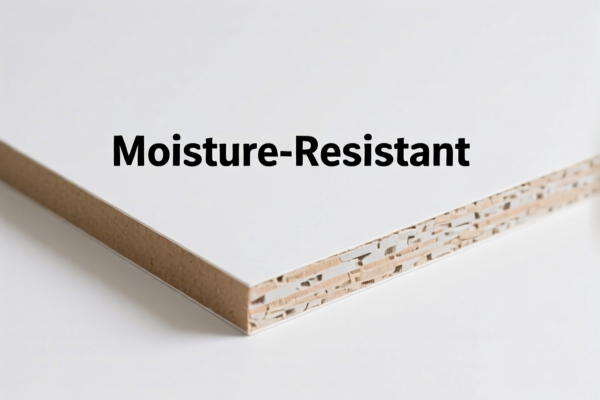
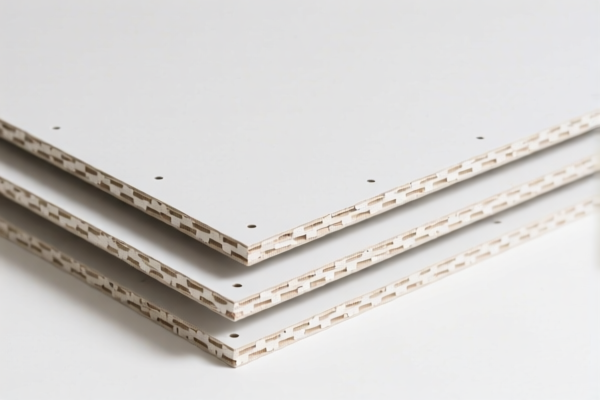
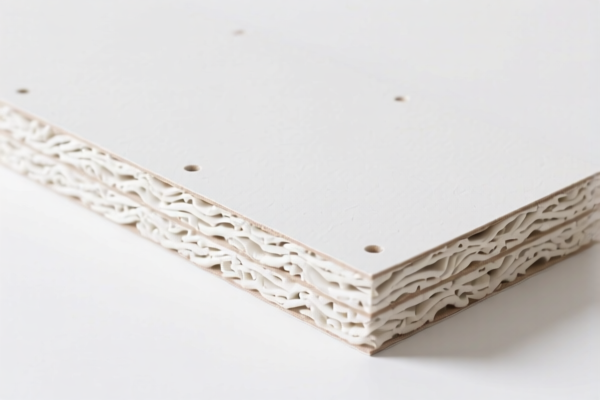
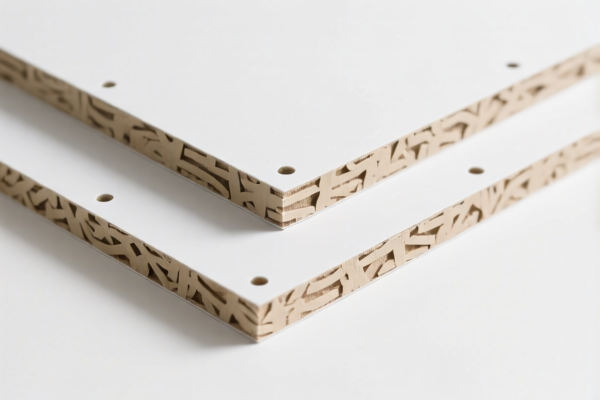
AI Analysis
🏠 Photo Baseboard (Mold Resistant)
🌐 HS Code Reference & Customs Clearance Guide | 2026 Latest Tariff Analysis | Professional Level Entry Strategy
📌 I. Product Definition & Classification: Do You Really Understand “Photo Baseboard”?
Baseboards (also known as skirting boards or picture rails) are architectural components used to cover the junction between the wall and the floor. In international trade, they are classified primarily by material. Since the prompt specifies "Mold Resistant" but does not explicitly define the material, it is typically inferred to be plastic (such as PVC, WPC, or high-density foam) or metal/composite. The following analysis covers the three most common HS Code classifications based on material inference, specifically for the US Market.
⚠️ Key Distinction Point:
- If made of Plastic → Classified under Chapter 39 (Plastics and Articles Thereof)
- If made of Iron/Steel → Classified under Chapter 73 (Articles of Iron or Steel)
- If material is Unclear/Mixed → Often defaults to 3925.90.00.00 (Other plastic architectural goods) if no specific subheading fits.
📦 II. HS Code Classification Details (2026 Latest Tariff Authority Comparison)
| HS Code | Product Description | Applicable Scenario | Material Inference | Total Tax Rate |
|---|---|---|---|---|
3925.20.00.91 |
Plastic baseboards (specific subcategory for building components) | Standard plastic skirting boards, mold-resistant PVC/WPC | ✅ Plastic | 22.8% |
3925.90.00.00 |
Other plastic articles for building (兜底类目) | When material is not explicitly defined as a specific sub-type, or mixed plastic composites | ✅ Plastic (General) | 40.3% |
7326.90.86.88 |
Other articles of iron or steel (non-specified) | If the "mold resistant" property is achieved via metal coating or actual metal material | ✅ Iron/Steel | 87.9% |
🔍 Critical Reminder:
- Plastic baseboards are significantly more cost-effective for customs duties compared to metal ones. - If the product is PVC or WPC (Wood-Plastic Composite), it MUST be classified under Chapter 39, not Chapter 73. Misclassification as metal will lead to severe penalties (87.9% vs 22.8%). - The term "Mold Resistant" is a performance feature, not a material descriptor. Customs authorities look at the physical composition (e.g., "Polyvinyl Chloride") rather than the functional claim.
💰 III. 2026 Latest Tariff Rate Detailed Explanation (Including Additional Taxes & Policy Add-ons)
✅ Applicable Country: United States (US)
✅ Origin: China (CN)
✅ Effective Time: Ongoing (Current Trade Policy Context)
🎯 1. 3925.20.00.91 —— Plastic Baseboards (Specific Subcategory)
| Item | Content |
|---|---|
| Base Tariff | 5.3% (General Ad Valorem) |
| Section 301 Additional Tariff | +7.5% (List 3/4 exclusions may apply, but general rate stands) |
| Section 122 Tariff (Uyghur Forced Labor Prevention Act / General Add-on) | +10% (Specific policy add-on for certain building materials) |
| Total Tariff Rate | 22.8% |
| Tax Calculation | CIF Value × 22.8% |
| De Minimis Eligibility | ❌ Not Eligible (Section 301 and Section 122 tariffs generally override de minimis) |
| Legal Basis Path | USITC:3925.20.00.91 → Section 301: 7.5% → Section 122: 10% |
📌 Explanation:
- This is the most favorable classification for plastic baseboards. - "Section 122 Tariff" refers to specific trade measures targeting construction materials to protect domestic manufacturers. - "Section 301" adds 7.5% on top of the base rate.
🎯 2. 3925.90.00.00 —— Other Plastic Building Components
| Item | Content |
|---|---|
| Base Tariff | 5.3% |
| Section 301 Additional Tariff | +25.0% (Higher tier for general plastic goods) |
| Section 122 Tariff | +10% |
| Total Tariff Rate | 40.3% |
| Tax Calculation | CIF Value × 40.3% |
| De Minimis Eligibility | ❌ Not Eligible |
| Legal Basis Path | USITC:3925.90.00.00 → Section 301: 25% → Section 122: 10% |
📌 Note:
- If your customs broker fails to identify the specific subheading3925.20.00.91and defaults to the general "Other plastic articles," you will pay an extra 17.5% in duties. - This classification is often used when the plastic composition is complex or not clearly defined in the specific subheadings.
🎯 3. 7326.90.86.88 —— Other Iron/Steel Articles
| Item | Content |
|---|---|
| Base Tariff | 2.9% |
| Section 301 Additional Tariff | +25.0% |
| Section 122 Tariff | +10% |
| Aluminum/Steel/Copper Add-on Tariff | +50% (Specific punitive tariff for ferrous/non-ferrous metals from China) |
| Total Tariff Rate | 87.9% |
| Tax Calculation | CIF Value × 87.9% |
| De Minimis Eligibility | ❌ Not Eligible |
| Legal Basis Path | USITC:7326.90.86.88 → Section 301: 25% → Section 122: 10% → Steel/Aluminum Tariff: 50% |
📌 Warning:
- DO NOT classify plastic mold-resistant baseboards as steel/iron. - The +50% Add-on is a specific tariff targeting metal imports from China. Misclassification here could result in a nearly 90% duty burden, destroying profit margins. - Only apply this if the baseboard is actually made of metal (e.g., galvanized steel trim).
🛠️ IV. Customs Clearance Practical Advice (Real-World Pitfall Guide)
✅ 1. Documentation Checklist (Mandatory)
| Document | Required | Description |
|---|---|---|
| ✅ Product Specification Sheet | ✔️ | Must clearly state Material Composition (e.g., "100% PVC" or "WPC Composite"). |
| ✅ Technical Data Sheet | ✔️ | Show "Mold Resistant" property is due to material chemistry (e.g., antimicrobial additives in plastic), not surface coating on metal. |
| ✅ Product Photos | ✔️ | Clear images showing cross-section (if possible) to prove plastic/foam core, not metal. |
| ✅ Commercial Invoice | ✔️ | Description: "Plastic Baseboard, Mold Resistant, PVC Material, for Building Decoration." |
| ✅ Certificate of Origin | ✔️ | Required to determine origin-based tariffs. |
✅ 2. Declaration Tips (Key Rules)
🔥 "Material is King, Function is Secondary!"
| Scenario | Correct Declaration | Wrong Practice |
|---|---|---|
| PVC/WPC Baseboard | HS: 3925.20.00.91Desc: "Plastic Baseboard" |
HS: 7326.90.86.88Desc: "Metal Trim" → 87.9% Tax! |
| Unclear Material | HS: 3925.90.00.00Desc: "Building Component, Plastic" |
Vague Desc: "Home Decor Part" → Audit Risk |
| Actual Metal Baseboard | HS: 7326.90.86.88Desc: "Steel Baseboard" |
HS: 3925.20.00.91Desc: "Plastic" → Smuggling Risk |
✅ 3. Special Case Handling
| Scenario | Handling Advice |
|---|---|
| WPC (Wood-Plastic Composite) | Classify under Chapter 39. Even if it contains wood fibers, the plastic binder makes it a plastic article. |
| "Mold Resistant" Claim | Do not rely on this for classification. Use it as a performance feature in the description, but base the HS Code on PVC/Plastic. |
| Mixed Packaging (Baseboard + Trim) | Declare the baseboard separately. Do not combine with unrelated items to avoid confusion. |
🌍 V. Global Market Comparison (2026 Latest)
| Country/Region | Recommended HS Code | Tariff (CN Origin) | Certification | Note |
|---|---|---|---|---|
| 🇺🇸 USA | 3925.20.00.91 |
22.8% | None (General) | Best Option for Plastic |
| 🇪🇺 EU | 3925.20.00 |
6.5% | CE + REACH | No Section 301/122 |
| 🇨🇦 Canada | 3925.20.00 |
5.0% | CFIA | Low tariff |
| 🇲🇽 Mexico | 3925.20.00 |
5.0% | NOM | Nearshoring advantage |
📌 Conclusion:
- The US market has the highest complexity due to Section 301 and Section 122 tariffs. - Plastic (Chapter 39) is the optimal classification for mold-resistant baseboards to minimize duties. - Avoid Chapter 73 unless the product is genuinely metal.
📌 VI. Common Errors & Pitfall Guide (Blood Lessons)
❌ Error 1: Classifying plastic baseboards as "Metal Trim" because they are hard.
👉 Consequence: 87.9% Duty instead of 22.8%.
👉 Loss: Huge profit margin erosion.
❌ Error 2: Using vague descriptions like "Building Part" without specifying material.
👉 Consequence: Customs may default to the highest tariff category (3925.90.00.00 at 40.3%) or initiate an audit.
❌ Error 3: Claiming "Mold Resistant" as the primary descriptor.
👉 Consequence: Customs officers will ignore this and ask for material composition. Failure to provide leads to delays.
✅ Correct Practice:
"Plastic Baseboard, Mold Resistant, PVC Material, for Interior Wall Decoration, HS 3925.20.00.91"
🎯 VII. Conclusion: Professional Declaration Saves Money!
🎯 Remember the Golden Rule:
🔹 "Plastic is King, Metal is Expensive!"
🔹 "HS Code3925.20.00.91= 22.8% Tax"
🔹 "HS Code7326.90.86.88= 87.9% Tax (Avoid!)"
📌 Pro Tip:
If your baseboards are made of PVC or WPC, ensure your Commercial Invoice explicitly states "Plastic Material" and "Mold Resistant PVC". This supports the classification under 3925.20.00.91 and prevents misclassification as metal or general plastic.
📣 Immediate Action:
📞 Contact your customs broker with the material composition report.
🚀 Declare as Plastic (3925.20.00.91) to secure the 22.8% rate.
🛑 Avoid the 87.9% metal tariff trap.
✨ Professional Customs Clearance Starts with Accurate Classification!
💼 Every percentage point saved is pure profit!
Customer Reviews
About HS Code Classification
The Harmonized System (HS) is an internationally standardized nomenclature developed by the World Customs Organization (WCO) to classify traded products. Over 200 countries use the HS system as the basis for customs tariffs, trade statistics, and import/export regulations.
Each HS code follows a hierarchical structure:
- Chapter (2 digits) — Broad category of goods (e.g., Chapter 84: Machinery and Mechanical Appliances)
- Heading (4 digits) — More specific grouping within the chapter
- Subheading (6 digits) — Internationally standardized breakdown, used by all WCO member countries
- National subdivisions (8-10 digits) — Country-specific extensions for further classification, such as US HTSUS 10-digit codes
Correct HS code classification is essential for smooth customs clearance, accurate duty payment, and compliance with trade regulations. Misclassification can lead to customs delays, overpayment of duties, or penalties.
When importing from CN to US, the applicable tariff rates may include:
- Most-Favored-Nation (MFN) rate — The standard duty rate applied to WTO members
- General rate — Applied to countries without trade agreements
- Trade remedy duties — Additional tariffs such as Section 301 (anti-dumping), Section 232 (national security), or countervailing duties
The information provided on this page is for reference purposes only. For official classification, please consult with your local customs authority or a licensed customs broker.