Photo Cleaning Brush
CN → US| HS Code | Tariff Rate | Origin | Destination | Doc |
|---|---|---|---|---|
| 9603908050 | 70.3% | CN | US | Official Doc |
| 9603109000 | 27.5% | CN | US | Official Doc |
| 4417006000 | 35.0% | CN | US | Official Doc |
Product Images


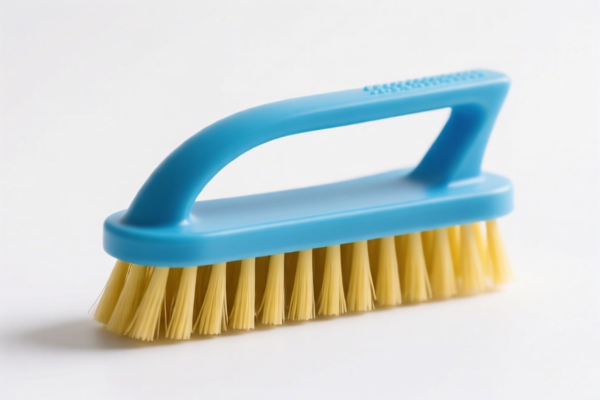
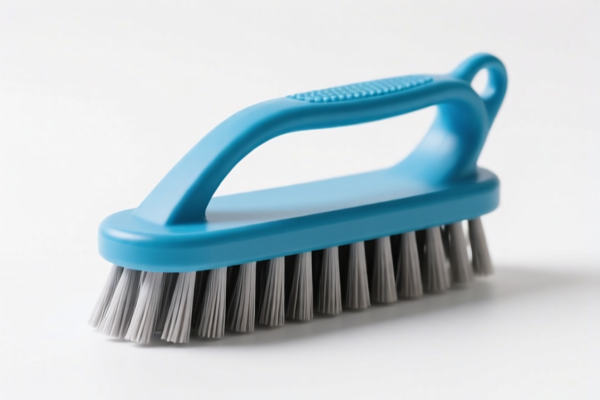
AI Analysis
📸 Photo Cleaning Brush (清洁刷)
🌐 HS Code Reference & Customs Clearance Guide | 2026 Latest Tariff Analysis | Professional Customs Strategy
📌 I. Product Definition & Classification: Do You Really Understand the "Photo Cleaning Brush"?
A Photo Cleaning Brush is a specialized tool used to remove dust, dirt, and debris from camera lenses, sensors, mirrors, and film without causing scratches. In international trade, its classification depends heavily on its primary material and structural composition. It is generally categorized under Chapter 96 (Articles of Apparel, Clothing Accessories, Travel Goods, Handbags...) or Chapter 44 (Wood and Articles of Wood), depending on whether it is a composite tool or a simple bristle brush.
⚠️ Key Distinction Points:
- If it is a composite brush with a wooden handle/back, it may fall under Wooden Brush Backs (Ch 44).
- If it is a general-purpose cleaning brush (often synthetic bristles with plastic or metal handles, but classified as "other brushes"), it falls under Ch 96 (Other Brushes).
- Material Conflict: If the product description does not specify wood, but the physical item has a wooden back, customs may infer wood (Ch 44). If it is purely synthetic/plastic with no wooden parts, Ch 96 is more appropriate.
📦 II. HS Code Classification Details (2026 Latest Tariff Authority Comparison)
| HS Code | Product Description | Application Scenario | Material/Structure | Total Tax Rate |
|---|---|---|---|---|
9603.90.80.50 |
Other Brushes (Cleaning Brushes) | General purpose cleaning brushes, including those for cameras, if not specifically "hair brushes" or "paint brushes". | Non-wooden bristles, plastic/metal handle. Matches "brushes" in function and form. | 70.3% |
9603.10.90.00 |
Other Brushes (Dusting/Painting) | Cleaning brushes that do not fall under specific subheadings like hair brushes or toothbrushes. | Generic cleaning brush, often with synthetic bristles. "Other" residual category. | 27.5% |
4417.00.60.00 |
Brush Backs and Brush Bodies | Brushes with a wooden back or body. Inferred from common sense for photo brushes with wooden handles. | Wooden handle/back. Function matches brush supports. | 35.0% |
🔍 Key Reminder:
-9603.90.80.50is a specific residual category for "Other Brushes". It has the highest tax due to additional duties.
-9603.10.90.00is a broader "Other Brushes" category, often used for generic cleaning brushes. It has a moderate tax.
-4417.00.60.00applies if the brush has a wooden back/body. It has a lower base tariff (0%) but higher additional duties.
- Do not assume the material. If the product description is ambiguous, customs may infer wood (Ch 44) or apply the highest duty (Ch 96 80.50).
💰 III. 2026 Latest Tariff Rate Breakdown (Including Additional Taxes, Policy Add-ons)
✅ Applicable Country: United States (US)
✅ Origin: China (CN)
✅ Effective Date: 2025 November 10 onwards (for subsequent imports)
🎯 1. 9603.90.80.50 —— Other Brushes (Cleaning Brushes)
| Item | Content |
|---|---|
| Base Tariff | 2.8% (ad valorem) |
| Section 301 Additional Tariff | +7.5% |
| Section 122 Tariff | +10% |
| Steel, Aluminum, Copper Products Additional Tariff | +50% |
| Total Tax Rate | 70.3% |
| Tax Calculation | CIF Value × 70.3% |
| De Minimis Exemption | ❌ Not Eligible (deny_de_minimis) |
| Legal Basis Path | Section 301:9903.88.01 → Section 122:9903.01.25 → USITC:9603.90.80.50 → FOOTNOTE:9903.88.01 |
📌 Explanation:
- This classification attracts the maximum punitive tariffs, including the 50% steel/aluminum/copper tariff if applicable, plus Section 301 and Section 122 tariffs.
- Total 70.3% is extremely high. Must be carefully evaluated for cost-effectiveness.
🎯 2. 9603.10.90.00 —— Other Brushes (Dusting/Painting)
| Item | Content |
|---|---|
| Base Tariff | 10.0% (ad valorem) |
| Section 301 Additional Tariff | +7.5% |
| Section 122 Tariff | +10% |
| Total Tax Rate | 27.5% |
| Tax Calculation | CIF Value × 27.5% |
| De Minimis Exemption | ❌ Not Eligible (deny_de_minimis) |
| Legal Basis Path | Section 301:9903.01.24 → Section 122:9903.01.25 → USITC:9603.10.90.00 |
📌 Note:
- This classification is more favorable than9603.90.80.50.
- It avoids the 50% steel/aluminum/copper tariff.
- Suitable for generic cleaning brushes that do not have a wooden back.
🎯 3. 4417.00.60.00 —— Brush Backs and Brush Bodies
| Item | Content |
|---|---|
| Base Tariff | 0.0% (ad valorem) |
| Section 301 Additional Tariff | +25.0% |
| Section 122 Tariff | +10% |
| Total Tax Rate | 35.0% |
| Tax Calculation | CIF Value × 35.0% |
| De Minimis Exemption | ❌ Not Eligible (deny_de_minimis) |
| Legal Basis Path | Section 301:9903.01.24 → Section 122:9903.01.25 → USITC:4417.00.60.00 |
📌 Note:
- This classification applies if the brush has a wooden handle/back.
- Base tariff is 0%, but additional tariffs bring the total to 35.0%.
- Less expensive than9603.90.80.50but more expensive than9603.10.90.00? No, 35% > 27.5%. So9603.10.90.00is the cheapest option.📊 Summary of Tax Rates: - Cheapest:
9603.10.90.00(27.5%) - Middle:4417.00.60.00(35.0%) - Most Expensive:9603.90.80.50(70.3%)
🛠️ IV. Customs Clearance Practical Advice (Combat Pitfall Guide)
✅ 1. Preparation Checklist (All Required)
| Document | Required | Description |
|---|---|---|
| ✅ Product Specification Sheet | ✔️ | Include dimensions, bristle type (synthetic/animal), handle material. |
| ✅ Product Photos | ✔️ | Clear images showing the brush structure, handle material, and bristles. |
| ✅ Commercial Invoice | ✔️ | Clearly state "Cleaning Brush for Photography Equipment" or "Photo Brush". |
| ✅ Packing List | ✔️ | Detail the quantity and packaging. |
| ✅ Origin Certificate (CO) | ✔️ | If not China origin, may apply for preferential rates. |
| ✅ Material Declaration | ✔️ | Explicitly state handle material (Wood/Plastic/Metal) and bristle material. |
✅ 2. Declaration Tips (Key Mantras)
🔥 "Material Defines Code, Structure Determines Tax, Name Must Be Precise!"
| Scenario | Correct Declaration | Wrong Approach |
|---|---|---|
| Brush with Plastic Handle | 9603.10.90.00 (27.5%) |
Declare as "Photo Brush" without material → Risk of 9603.90.80.50 (70.3%) |
| Brush with Wooden Handle | 4417.00.60.00 (35.0%) |
Declare as "Plastic Brush" → Customs may reject or reclassify |
| Generic Cleaning Brush | 9603.10.90.00 (27.5%) |
Declare as "Specialized Photo Tool" → May trigger higher scrutiny |
| Composite Brush (Wood+Synthetic) | 4417.00.60.00 (35.0%) |
Declare as "Brush" without material detail → Risk of 70.3% |
✅ 3. Special Case Handling
| Scenario | Handling Advice |
|---|---|
| OEM Custom Brushes | Provide client order + design drawings to prove material composition. |
| Brush with Multiple Materials | Declare primary material. If handle is wood, use Ch 44. |
| Brush with Metal Bristles | May attract 50% steel tariff under 9603.90.80.50. Avoid this code if possible. |
| Photo Sensor Cleaning Brush | Still a "brush". Classify based on material. |
🌍 V. Global Market Customs Comparison (2026 Latest)
| Country/Region | Recommended HS Code | Tariff | Certification Requirements | Remarks |
|---|---|---|---|---|
| 🇺🇸 USA | 9603.10.90.00 |
27.5% (China Origin) | None Specific | Highest risk of misclassification. |
| 🇨🇳 China | 9603.10.90.00 |
5% | None | No additional tariffs. |
| 🇪🇺 EU | 9603.10.90.00 |
0% | CE (if electrical, but none here) | Low tariff. |
| 🇦🇺 Australia | 9603.10.90.00 |
5% | None | Low tariff. |
| 🇯🇵 Japan | 9603.10.90.00 |
0% | None | Low tariff. |
📌 Conclusion:
- USA has the highest tariffs due to Section 301 and Section 122.
- EU, Australia, Japan have low or zero tariffs.
- China origin USA imports are heavily taxed. Consider supply chain diversification.
📌 VI. Common Errors & Pitfall Guide (Blood Lessons)
❌ Error 1: Declaring a wooden-handled brush as 9603.10.90.00
👉 Consequence: Customs may reclassify to 4417.00.60.00 or 9603.90.80.50 → Penalties + Back Taxes!
❌ Error 2: Declaring a plastic-handled brush as 4417.00.60.00
👉 Consequence: Customs may reject or reclassify to 9603.10.90.00 → Delay + Fees
❌ Error 3: Using "Photo Brush" without material specification
👉 Consequence: Customs infers worst-case scenario (Wood or Metal) → Higher Tariff
❌ Error 4: Ignoring Section 301 & 122 Tariffs
👉 Consequence: Unexpected 70.3% tax instead of 5% → Massive Cost Increase
✅ Correct Approach:
"Cleaning Brush for Photography, Plastic Handle, Synthetic Bristles, Model XYZ, Clear Material Declaration"
🎯 VII. Conclusion: Precise Classification Saves Money!
🎯 Remember the Mantra:
🔹 "Plastic Handle = 27.5%, Wooden Handle = 35%, No Material Info = 70.3%!"
🔹 "HS Code Decides Life, Tax Difference is Huge, Declare Precisely, Save Thousands!"
📌 Tips:
- If your brush originates from Vietnam, Mexico, Thailand, Malaysia, you may apply for IEEPA Exemption or lower Section 301 rates.
- Apply for Advance Ruling before shipment to avoid customs disputes.
📣 Take Action Now:
📞 Contact Professional Customs Broker + Provide Product Photos + Apply for HS Code Advance Ruling
🚀 Let your Photo Cleaning Brush Clear Customs Smoothly, Export Efficiently, Profit Maximized!
✨ Professional Customs Clearance Starts with Accurate Classification!
💼 Every Penny of Your Cost Deserves Precise Calculation!
Customer Reviews
About HS Code Classification
The Harmonized System (HS) is an internationally standardized nomenclature developed by the World Customs Organization (WCO) to classify traded products. Over 200 countries use the HS system as the basis for customs tariffs, trade statistics, and import/export regulations.
Each HS code follows a hierarchical structure:
- Chapter (2 digits) — Broad category of goods (e.g., Chapter 84: Machinery and Mechanical Appliances)
- Heading (4 digits) — More specific grouping within the chapter
- Subheading (6 digits) — Internationally standardized breakdown, used by all WCO member countries
- National subdivisions (8-10 digits) — Country-specific extensions for further classification, such as US HTSUS 10-digit codes
Correct HS code classification is essential for smooth customs clearance, accurate duty payment, and compliance with trade regulations. Misclassification can lead to customs delays, overpayment of duties, or penalties.
When importing from CN to US, the applicable tariff rates may include:
- Most-Favored-Nation (MFN) rate — The standard duty rate applied to WTO members
- General rate — Applied to countries without trade agreements
- Trade remedy duties — Additional tariffs such as Section 301 (anti-dumping), Section 232 (national security), or countervailing duties
The information provided on this page is for reference purposes only. For official classification, please consult with your local customs authority or a licensed customs broker.