Photo Developing Powder
CN → US| HS Code | Tariff Rate | Origin | Destination | Doc |
|---|---|---|---|---|
| 3707906000 | 35.0% | CN | US | Official Doc |
| 3824992900 | 41.5% | CN | US | Official Doc |
| 3824999397 | 40.0% | CN | US | Official Doc |
| 2942003500 | 41.5% | CN | US | Official Doc |
| 2942005000 | 38.7% | CN | US | Official Doc |
Product Images
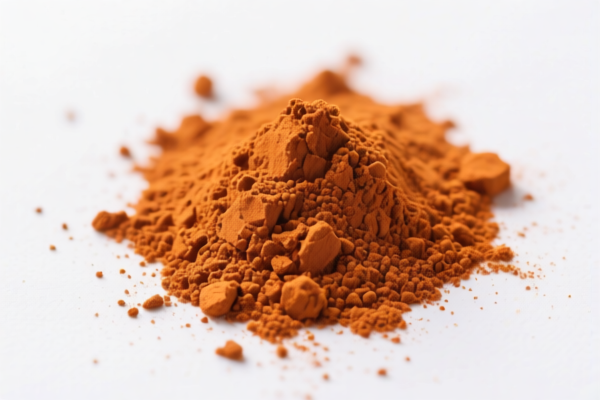
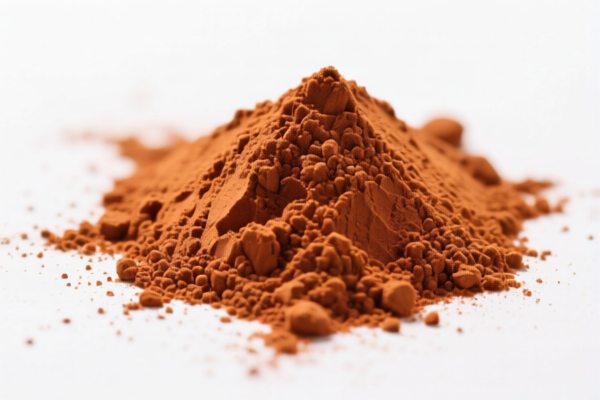
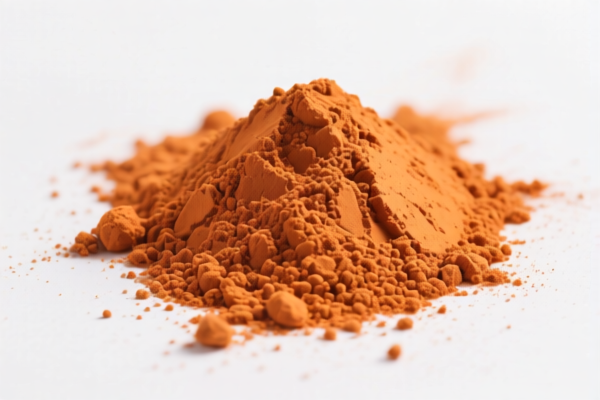
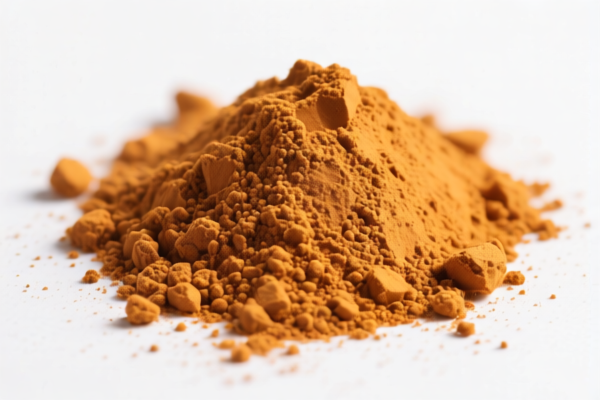
AI Analysis
🎞️ Photo Developing Powder (底片显影粉)
🌐 HS Code Reference & Customs Clearance Guide | 2026 Latest Tariff Analysis | Professional Clearance Strategy 📌 I. Product Definition & Classification: What is "Photo Developing Powder"?
Photo Developing Powder refers to chemical agents used in the film development process, typically in a powdered form. In international trade, it is generally classified under Chapter 37 (Photographic or Cinematographic Goods) or Chapter 38 (Miscellaneous Chemical Products), depending on its specific chemical composition and intended use precision.
Two Main Classification Paths: 1. Photographic Specific Use: If strictly defined as a preparation for developing photographic film/paper → Chapter 37. 2. General Chemical Preparation: If viewed primarily as a generic chemical mixture/powder → Chapter 38 or Chapter 29 (Organic Chemicals).
⚠️ Key Distinction:
- If the powder is a pre-mixed, ready-to-use photographic chemical → It often falls under 3707 (Photographic Chemical Preparations).
- If it is a generic chemical reagent or mixed chemical substance not specifically designed only for photography → It may fall under 3824 (Other Chemical Products) or 2942 (Organic Chemicals).
📦 II. HS Code Classification Details (2026 Latest Tariff Authority Reference)
Based on the provided data, here are the potential HS Codes and their corresponding tax structures for US imports (assuming China origin):
| HS Code | Product Description & Logic | Total Tax Rate |
|---|---|---|
3707.90.60.00 |
Photographic Chemicals: Powder form, fits the characteristic of unmixed photographic products. | 35.0% |
3707.90.32.90 |
Photographic Preparations: Other photographic chemicals, classified under "Other" category. | 35.0% |
3824.99.29.00 |
Chemical Mixtures: Chemical powder belonging to the chemical industry category, fits "Other chemical products and preparations." | 41.5% |
3824.99.93.97 |
Other Chemicals: Falls under the "Other"兜底 (catch-all) category for chemical preparations. | 40.0% |
2942.00.35.00 |
Organic Chemicals: Inferred as a chemical reagent in organic compounds. | 41.5% |
2942.00.50.00 |
Organic Compounds: Material is an organic chemical substance, no conflict in form or use. | 38.7% |
🔍 Critical Note:
- Chapter 37 (3707) is the most specific and preferred classification for items explicitly used for photo developing.
- Chapter 38/29 are broader categories. If customs determines the product is not exclusively for photography, they may reclassify it here, leading to higher or similar tax rates but with different regulatory scrutiny.
- All listed HS Codes are subject to significant additional tariffs due to trade tensions (see Section III).
💰 III. 2026 Latest Tariff Rate Details (Including Surtaxes & Policy Surcharges)
✅ Applicable Country: United States (US)
✅ Country of Origin: China (CN)
✅ Effective Time: 2025/2026 (Includes subsequent imports)
🎯 1. HS Codes in Chapter 37 (3707.90.60.00 / 3707.90.32.90)
Description: Photographic Chemical Preparations
| Item | Detail |
|---|---|
| Base Tariff | 0.0% (ad valorem) |
| Section 301 Tariff (25%) | +25.0% (Additional Tariff under Trade Act Section 301) |
| 122 Clause Tariff (10%) | +10.0% (Specific surcharge applicable to certain chemical/pharmaceutical-related imports from China) |
| Total Tariff Rate | 35.0% |
| Tax Calculation | CIF Value × 35% |
| De Minimis Exemption | ❌ Not Applicable (Denied de minimis) |
📌 Explanation:
- Although the base tariff is 0%, the Section 301 surcharge (25%) and 122 Clause (10%) are heavily applied.
- This results in a flat 35% total tax rate.
- Legal Path:Section 301: 9903.88.01→122 Clause→HS 3707.
🎯 2. HS Code in Chapter 38 (3824.99.29.00)
Description: Other Chemical Products & Preparations (General Chemical Powder)
| Item | Detail |
|---|---|
| Base Tariff | 6.5% (ad valorem) |
| Section 301 Tariff (25%) | +25.0% |
| 122 Clause Tariff (10%) | +10.0% |
| Total Tariff Rate | 41.5% |
| Tax Calculation | CIF Value × 41.5% |
| De Minimis Exemption | ❌ Not Applicable |
📌 Explanation:
- This classification carries a higher base rate (6.5%) compared to Chapter 37.
- Even with the same surcharges, the total burden is higher (41.5%).
- Risk: Misclassification from 3707 to 3824 increases costs by 6.5% automatically.
🎯 3. HS Code in Chapter 38 (3824.99.93.97)
Description: Other Chemical Preparations (Catch-all)
| Item | Detail |
|---|---|
| Base Tariff | 5.0% (ad valorem) |
| Section 301 Tariff (25%) | +25.0% |
| 122 Clause Tariff (10%) | +10.0% |
| Total Tariff Rate | 40.0% |
| Tax Calculation | CIF Value × 40.0% |
| De Minimis Exemption | ❌ Not Applicable |
📌 Explanation:
- Slightly lower base rate than3824.99.29.00, but still significantly higher than the Chapter 37 option.
- Total tax is 40.0%.
🎯 4. HS Codes in Chapter 29 (2942.00.35.00 / 2942.00.50.00)
Description: Organic Chemicals / Reagents
| Item | Detail |
|---|---|
| Base Tariff | 6.5% (for .35) / 3.7% (for .50) |
| Section 301 Tariff (25%) | +25.0% |
| 122 Clause Tariff (10%) | +10.0% |
| Total Tariff Rate | 41.5% (for .35) / 38.7% (for .50) |
| De Minimis Exemption | ❌ Not Applicable |
📌 Explanation:
- Chapter 29 classifications are risky for "developing powder" unless the product is a pure, single organic compound rather than a mixture.
- If customs views it as a mixture, it will be reclassified to Chapter 38, increasing the tax.
🛠️ IV. Customs Clearance Practical Advice (Pitfall Avoidance Guide)
✅ 1. Documentation Checklist (Essential)
| Document | Required? | Notes |
|---|---|---|
| ✅ Product Specification Sheet | ✔️ | Must clearly state: "Photo Developing Powder," chemical ingredients, usage instructions. |
| ✅ Safety Data Sheet (SDS) | ✔️ | Critical for chemical shipments. Must show it is not hazardous (or classify correctly if hazardous). |
| ✅ Commercial Invoice | ✔️ | Description must be precise: "Photographic Chemical Powder for Film Development." |
| ✅ Proof of Use | ✔️ | Invoice from buyer stating end-use is photographic development to support HS 3707 classification. |
| ✅ Labeling | ✔️ | Must include warning labels, chemical composition, and manufacturer info. |
✅ 2. Classification Strategy (Key Tips)
🔥 “Specify Use, Support with Docs, Avoid ‘General Chemical’ Labels!”
| Scenario | Recommended HS Code | Risk if Incorrect |
|---|---|---|
| Ready-to-use photo powder | 3707.90.60.00 or 3707.90.32.90 |
Lowest Tax (35%) |
| Generic chemical powder | 3824.99.29.00 |
Higher Tax (41.5%) |
| Pure organic compound | 2942.00.50.00 |
Risky (If mixture, reclassified to Ch 38) |
📌 Critical Tip:
- Always argue for HS 3707 because it has a 0% base tariff.
- If you declare it as "Chemical Powder" without specifying "Photographic Use," customs will likely assign HS 3824, resulting in a 6.5% higher tax burden.
- Do NOT use vague terms like "Chemical Reagent" without supporting documentation.
✅ 3. Special Circumstances
| Situation | Handling Advice |
|---|---|
| Mixtures vs. Pure Chemicals | If it’s a mixture of chemicals, Chapter 37 or 38 is correct. Chapter 29 is only for pure compounds. Misclassification here leads to delays. |
| Hazmat Classification | Ensure the powder is not classified as Dangerous Goods (DG) unless necessary. If DG, additional handling fees and restrictions apply. |
| 122 Clause Applicability | Verify if the specific chemical components trigger the 10% 122 Clause surcharge. Most photographic chemicals are subject to this. |
🌍 V. Global Market Comparison (2026)
| Market | Recommended HS Code | Approx. Total Tax | Remarks |
|---|---|---|---|
| 🇺🇸 USA | 3707.90.60.00 |
35.0% | High surcharges (301 + 122). |
| 🇨🇳 China | 3707.90.60.00 |
~5-10% | Lower base tariffs, no US surcharges. |
| 🇪🇺 EU | 3824.99.99 |
~6.5% + VAT | No Section 301, but standard VAT applies. |
| 🇬🇧 UK | 3824.99.99 |
~6.5% + VAT | Post-Brexit, similar to EU. |
📌 Conclusion:
- USA is the most expensive market due to Section 301 and 122 Clause surcharges.
- China origin is the main cost driver. Consider third-country transshipment (e.g., Vietnam, Malaysia) only if substantial transformation occurs and origin rules are met (high risk of anti-circumvention scrutiny).
📌 VI. Common Mistakes & Pitfall Guide (Blood Lessons)
❌ Mistake 1: Declaring "Photo Powder" as "General Chemical Mixture"
👉 Consequence: Tax jumps from 35% to 41.5%. Loss of $6.5 per $100 value.
❌ Mistake 2: Using vague invoice descriptions like "Chemical A"
👉 Consequence: Customs delays, additional scrutiny, potential reclassification to higher-tax HS codes.
❌ Mistake 3: Ignoring the 122 Clause
👉 Consequence: Underpayment of 10% surcharge, leading to penalties and interest.
✅ Correct Practice:
"Photo Developing Powder, Ready-to-Use, for Photographic Film Development, Chemical Composition: [List], HS Code 3707.90.60.00"
🎯 VII. Conclusion: Precision in Classification Saves Money!
🎯 Key Takeaway:
🔹 "Photo" is the keyword. Use Chapter 37.
🔹 Base 0% + 35% Surcharge = 35% Total.
🔹 Generic Chemical = 6.5% Base + 35% Surcharge = 41.5% Total.
🔹 Save 6.5% by classifying correctly!**
📌 Pro Tip:
If your product is exclusively for photography, provide product photos, usage manuals, and buyer declarations to support HS 3707. This is your best defense against customs reclassification.
📣 Immediate Action:
📞 Consult a Customs Broker to verify SDS and chemical composition.
🚀 Pre-apply for Classification Ruling if the shipment value is high.
💡 Double-check Invoice Descriptions to ensure "Photographic Use" is explicit.
✨ Professional Clearance Starts with Accurate Classification!
💼 Every Percentage Point of Tax is Your Profit Margin!
Customer Reviews
About HS Code Classification
The Harmonized System (HS) is an internationally standardized nomenclature developed by the World Customs Organization (WCO) to classify traded products. Over 200 countries use the HS system as the basis for customs tariffs, trade statistics, and import/export regulations.
Each HS code follows a hierarchical structure:
- Chapter (2 digits) — Broad category of goods (e.g., Chapter 84: Machinery and Mechanical Appliances)
- Heading (4 digits) — More specific grouping within the chapter
- Subheading (6 digits) — Internationally standardized breakdown, used by all WCO member countries
- National subdivisions (8-10 digits) — Country-specific extensions for further classification, such as US HTSUS 10-digit codes
Correct HS code classification is essential for smooth customs clearance, accurate duty payment, and compliance with trade regulations. Misclassification can lead to customs delays, overpayment of duties, or penalties.
When importing from CN to US, the applicable tariff rates may include:
- Most-Favored-Nation (MFN) rate — The standard duty rate applied to WTO members
- General rate — Applied to countries without trade agreements
- Trade remedy duties — Additional tariffs such as Section 301 (anti-dumping), Section 232 (national security), or countervailing duties
The information provided on this page is for reference purposes only. For official classification, please consult with your local customs authority or a licensed customs broker.