Photo Film Cleaning Kit
CN → US| HS Code | Tariff Rate | Origin | Destination | Doc |
|---|---|---|---|---|
| 9010909500 | 37.9% | CN | US | Official Doc |
| 9010908500 | 35.0% | CN | US | Official Doc |
| 9007920000 | 38.5% | CN | US | Official Doc |
| 9007918001 | 21.4% | CN | US | Official Doc |
| 3701910060 | 38.7% | CN | US | Official Doc |
Product Images
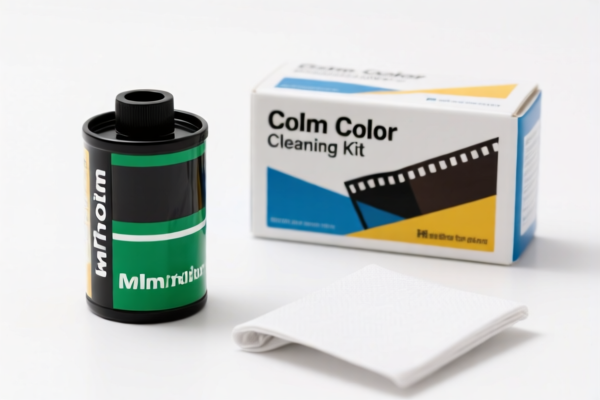
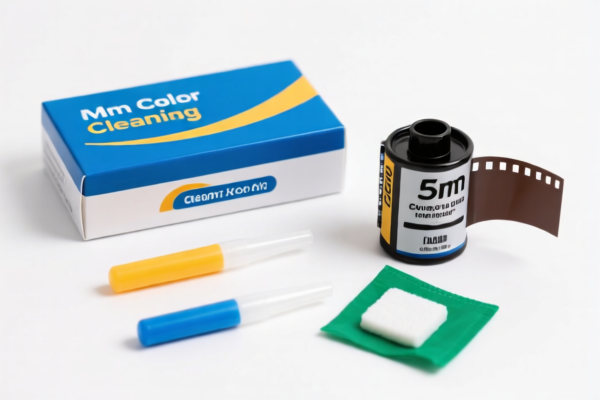
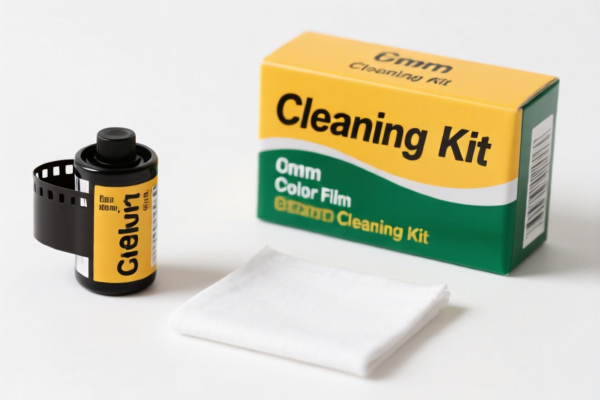
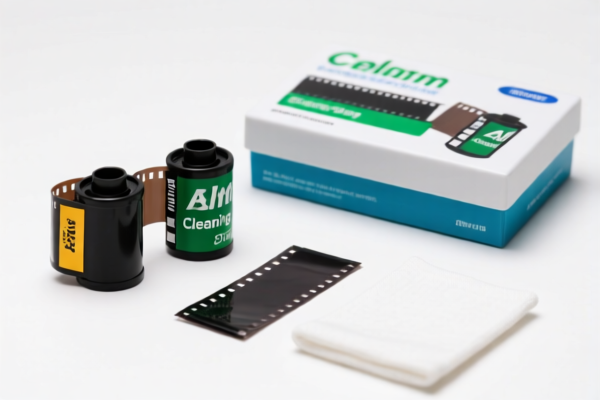
AI Analysis
🎞️ Photo Film Cleaning Kit (Film Processing Accessories)
🌐 HS Code Reference & Customs Clearance Guide | 2026 Latest Tariff Analysis | Professional Clearance Strategy
📌 I. Product Definition & Classification: Do You Truly Understand "Film Cleaning Kits"?
A Photo Film Cleaning Kit, in the context of international trade, is not a standalone machine but an accessory or component used in the processing, maintenance, or preservation of photographic materials. Its classification depends heavily on the specific target material (photographic film vs. cinematographic film) and the nature of the accessory (mechanical part vs. chemical/physical consumable).
Key Distinctions: * Photographic Lab Accessories: Components for equipment used in developing still photos (negative/positive film). * Cinematographic Accessories: Components for equipment handling movie/roll film. * Consumables: Actual chemical films or physical cleaning media that may be classified differently if they are not "parts" but "goods" themselves.
⚠️ Critical Classification Point:
- If it is a mechanical part for a film processor → Chapter 90 (Optical/Photographic Appliances).
- If it is a finished roll of film for processing → Chapter 37 (Photographic Goods).
- Misclassification leads to significant tariff discrepancies (e.g., 21.4% vs. 38.7%).
📦 II. HS Code Classification Details (2026 Latest Tariff Authority Reference)
Based on the provided data, the item "Photo Film Cleaning Kit" can be classified into five distinct HS Codes depending on the specific product configuration:
| HS Code | Product Description & Summary | Tax Rate | Key Reasoning |
|---|---|---|---|
9010.90.95.00 |
Photographic Equipment Parts: Accessories for film cleaning equipment. | 37.9% | Classified as "Parts & Accessories" for photographic laboratory equipment. Fits the definition of mechanical/accessory parts for photo labs. |
9010.90.85.00 |
Photographic Equipment Parts: Accessories for film cleaning equipment. | 35.0% | Similar to above, but classified under a slightly different sub-heading for parts. "Film" implies photographic use; "Accessories" matches the part attribute. |
9007.92.00.00 |
Cinematographic Film Processing Parts: Accessories for film cleaning equipment. | 38.5% | Specifically for Movie/Cinematic Film cleaning. The accessory form and cleaning purpose are linked to the film projection/handling process. |
9007.91.80.01 |
Cinematographic Film Accessories: Parts for film cleaning. | 21.4% | Classified as "Parts & Accessories for Cameras". Inferred to be mechanical or plastic components for camera/film handling systems. |
3701.91.00.60 |
Photographic Films: Flat, sensitized film for processing. | 38.7% | Note: This code is for the film itself (sensitized/flat film) used in chemical/physical processing, not just the cleaning tool. If the "Kit" includes the actual film, this may apply. |
🔍 Key Insight:
-9007.91.80.01offers the lowest tariff (21.4%) but is restricted to cinematographic parts and requires proof of being a mechanical/plastic part.
-9010.90.x5.x0codes are for photographic (still photo) equipment parts, which carry higher tariffs (35-38%) due to the nature of the goods and applicable additional duties.
-3701.91.00.60is a material code. If you are shipping the cleaning solution or the film strip rather than the tool, this classification might be relevant, but it carries a high tax rate.
💰 III. 2026 Latest Tariff Rate Details (Including Additional Duties & Policy Add-ons)
✅ Applicable Country: United States (US)
✅ Origin: China (CN)
✅ Effective Time: November 10, 2025 (and subsequent imports)
🎯 1. 9010.90.95.00 & 9010.90.85.00 – Photographic Equipment Parts
| Item | Content |
|---|---|
| Base Duty | 2.9% (9010.90.95) / 0.0% (9010.90.85) |
| USITC Additional Duty | +25.0% (Section 301 Duties) |
| IEEPA Additional Duty | +10.0% (China-specific duties) |
| Total Effective Rate | 37.9% / 35.0% |
| Calculation Basis | CIF Value × Total Rate |
| De Minimis Exemption | ❌ Not Eligible (Deny de minimis for Section 301 goods) |
| Legal Path | USITC:9010.90.95.00 → FOOTNOTE:9903.88.01 (for 25%) + IEEPA:9903.01.24 (for 10%) |
📌 Explanation:
- These codes fall under Chapter 90 (Optical, photographic, cinematographic).
- The 25% Section 301 duty is the dominant cost driver.
- The 10% IEEPA duty applies specifically to Chinese-origin goods.
- Warning: Even though the base duty for9010.90.85.00is 0%, the total tariff remains high at 35% due to the added duties.
🎯 2. 9007.92.00.00 – Cinematographic Film Equipment Parts
| Item | Content |
|---|---|
| Base Duty | 3.5% |
| USITC Additional Duty | +25.0% |
| IEEPA Additional Duty | +10.0% |
| Total Effective Rate | 38.5% |
| Calculation Basis | CIF Value × 38.5% |
| De Minimis Exemption | ❌ Not Eligible |
| Legal Path | USITC:9007.92.00.00 → FOOTNOTE:9903.88.01 + IEEPA:9903.01.24 |
📌 Explanation:
- This is for movie film cleaning accessories.
- It has the highest base duty (3.5%) among the parts, leading to the highest total rate (38.5%).
🎯 3. 9007.91.80.01 – Cinematographic Camera/Film Accessories
| Item | Content |
|---|---|
| Base Duty | 3.9% |
| USITC Additional Duty | +7.5% (Note: Lower 301 rate) |
| IEEPA Additional Duty | +10.0% |
| Total Effective Rate | 21.4% |
| Calculation Basis | CIF Value × 21.4% |
| De Minimis Exemption | ❌ Not Eligible |
| Legal Path | USITC:9007.91.80.01 → Specific Footnote for lower 301 rate + IEEPA:9903.01.24 |
📌 Explanation:
- This is the MOST COST-EFFECTIVE classification for mechanical accessories.
- The Section 301 duty is only 7.5% (vs. 25% for others), likely due to specific sub-heading exemptions or different regulatory treatment for camera parts vs. lab equipment.
- Crucial: You must prove these are mechanical/plastic parts for cinematographic equipment, not general lab chemicals.
🎯 4. 3701.91.00.60 – Photographic Films (Sensitized/Flat)
| Item | Content |
|---|---|
| Base Duty | 3.7% |
| USITC Additional Duty | +25.0% |
| IEEPA Additional Duty | +10.0% |
| Total Effective Rate | 38.7% |
| Calculation Basis | CIF Value × 38.7% |
| De Minimis Exemption | ❌ Not Eligible |
| Legal Path | USITC:3701.91.00.60 → FOOTNOTE:9903.88.01 + IEEPA:9903.01.24 |
📌 Explanation:
- Only use if your "Kit" is primarily sensitized film for processing.
- High rate applies because it is a finished photographic good subject to full trade restrictions.
🛠️ IV. Customs Clearance Practical Advice (Real-World Pitfall Guide)
✅ 1. Documentation Checklist (Mandatory)
| Document | Required? | Notes |
|---|---|---|
| ✅ Product Specification Sheet | ✔️ | Must detail: Material (Plastic/Metal), Function (Cleaning Brush/Roller/Solution), Target (Still vs. Movie Film). |
| ✅ Product Photos | ✔️ | Clear images of the item. If it's a mechanical part, show no liquid/chemical. |
| ✅ Commercial Invoice | ✔️ | Describe as "Parts for Cinematographic Cleaning Equipment" or "Photographic Lab Accessories". Avoid vague terms like "Kit". |
| ✅ HS Code Pre-Ruling Request | ✔️ | Highly recommended. Request a binding ruling from CBP for 9007.91.80.01 if eligible. |
| ✅ Proof of Mechanism | ✔️ | If claiming 9007.91.80.01, provide engineering diagrams showing mechanical interaction. |
✅ 2. Declaration Strategy (Key Mantra)
🔥 "Parts, Not Tools; Specific, Not General!"
| Scenario | Correct Declaration | Incorrect Declaration | Consequence |
|---|---|---|---|
| Mechanical cleaner for movie film | 9007.91.80.01 (21.4%) |
"Cleaning Kit" (Generic) | Risk of audit, potential reclassification to 38.5% |
| Chemical solution for still photo film | 3701.91.00.60 or 9010.90.95 |
"Film Cleaner" (Ambiguous) | Misdeclaration penalties |
| Plastic brush for film edge | 9007.91.80.01 |
"Cleaning Tool" | Under-declaration risk |
| Complete film processor machine | 9010.10.00.00 (Machine) |
"Parts Kit" | Major misclassification |
Pro Tip: If your product is a mechanical roller or brush, aggressively pursue
9007.91.80.01to save 13-17% in tariffs compared to the photographic lab codes. You must justify it as a "part of a cinematographic device."
✅ 3. Special Considerations
- Chemical vs. Mechanical: If the "Kit" contains liquids (soap, solvent), it may not be classified as a "Part" (Chapter 90) but as a "Chemical" (Chapter 38 or 37), which changes the duty structure entirely. Ensure the primary function is mechanical cleaning.
- Kit Composition: If the kit contains both a mechanical tool AND a bottle of solution, CBP may classify the entire kit by its "essential character." If the solution is essential, it might push you to
3701.91.00.60(38.7%) or3808(chemicals). Keep kits strictly mechanical to use9007.91.80.01. - Origin Marking: Clearly mark the product "Made in China" to avoid delays, as the 10% IEEPA duty is origin-based.
🌍 V. Global Market Comparison (2026)
| Country/Region | Recommended HS Code | Tariff (China Origin) | Key Requirements | Note |
|---|---|---|---|---|
| 🇺🇸 USA | 9007.91.80.01 |
21.4% | Proof of mechanical part | Best Rate. Avoid 9010 (35%+) and 3701 (38.7%). |
| 🇪🇺 EU | 9007.91.00 |
~5-7% | CE Marking | Lower duties, no Section 301 equivalent. |
| 🇨🇳 China | 9007.91.00 |
5-10% | CCC (if applicable) | Export from China uses these codes for return shipments. |
| 🇬🇧 UK | 9007.91.00 |
~5% | UKCA Marking | Post-Brexit rules apply. |
📌 Conclusion:
The US market is the most challenging due to Section 301 and IEEPA duties. Strategic classification is not optional; it is a cost-saving imperative.
📌 VI. Common Mistakes & Pitfalls (Lessons Learned)
❌ Mistake 1: Classifying a mechanical film cleaner as "General Cleaning Supplies" (Chapter 96).
👉 Result: Wrong chapter, potential fraud allegations. Must be Chapter 90.
❌ Mistake 2: Using 9010.90.95.00 for a cinematographic part.
👉 Result: Paying 37.9% instead of 21.4%. A 16.5% overpayment.
❌ Mistake 3: Declaring "Film Cleaning Kit" without specifying "Parts".
👉 Result: CBP may assume it's a consumable or chemical, leading to a 30+ day hold and reclassification.
✅ Correct Action:
"Mechanical Film Cleaning Roller for Cinematographic Projectors, Model XYZ, Plastic/Metal Composition, No Chemicals Included"
🎯 VII. Conclusion: Precision Classification Saves Profit!
🎯 Remember the Golden Rule:
🔹 "Mechanical = 21.4% (if Cinematographic Parts)";
🔹 "Photographic Lab Part = 35-38%";
🔹 "Chemical/Film = 38%+";
🔹 "Don't guess, Prove it's a Mechanical Part!"
📌 Final Recommendation:
If your product is a mechanical cleaning tool (brush, roller, wiper) for film:
1. Target HS Code 9007.91.80.01.
2. Prepare engineering drawings proving it is a part/accessory for cinematographic equipment.
3. Apply for a CBP Pre-Ruling to lock in the 21.4% rate.
4. Do not include chemical solutions in the same package to avoid "essential character" issues.
📣 Act Now:
📞 Consult a customs broker with expertise in Chapter 90.
📄 Submit documentation for Advance Ruling.
🚀 Secure your 21.4% rate and avoid the 38% trap!
✨ Professional Clearance Starts with Accurate Classification!
💼 Every percentage point saved is pure profit!
Customer Reviews
About HS Code Classification
The Harmonized System (HS) is an internationally standardized nomenclature developed by the World Customs Organization (WCO) to classify traded products. Over 200 countries use the HS system as the basis for customs tariffs, trade statistics, and import/export regulations.
Each HS code follows a hierarchical structure:
- Chapter (2 digits) — Broad category of goods (e.g., Chapter 84: Machinery and Mechanical Appliances)
- Heading (4 digits) — More specific grouping within the chapter
- Subheading (6 digits) — Internationally standardized breakdown, used by all WCO member countries
- National subdivisions (8-10 digits) — Country-specific extensions for further classification, such as US HTSUS 10-digit codes
Correct HS code classification is essential for smooth customs clearance, accurate duty payment, and compliance with trade regulations. Misclassification can lead to customs delays, overpayment of duties, or penalties.
When importing from CN to US, the applicable tariff rates may include:
- Most-Favored-Nation (MFN) rate — The standard duty rate applied to WTO members
- General rate — Applied to countries without trade agreements
- Trade remedy duties — Additional tariffs such as Section 301 (anti-dumping), Section 232 (national security), or countervailing duties
The information provided on this page is for reference purposes only. For official classification, please consult with your local customs authority or a licensed customs broker.