Photo Moisture Proof Baseboard
CN → US| HS Code | Tariff Rate | Origin | Destination | Doc |
|---|---|---|---|---|
| 4410110060 | 35.0% | CN | US | Official Doc |
| 3925900000 | 40.3% | CN | US | Official Doc |
| 3925200091 | 22.8% | CN | US | Official Doc |
Product Images
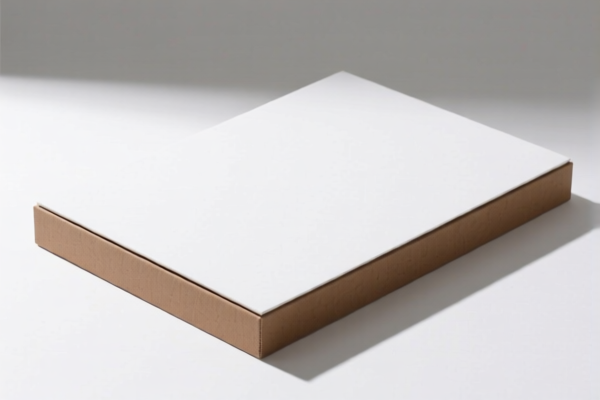
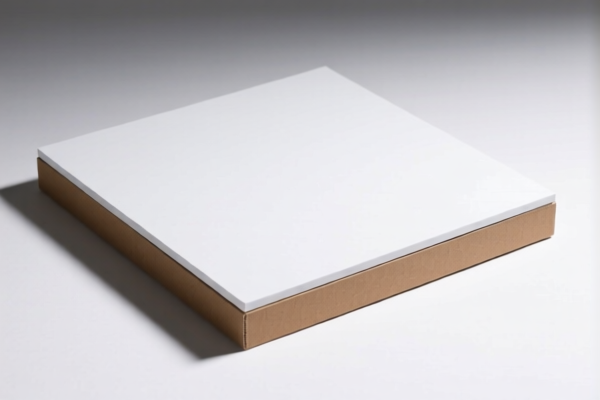
AI Analysis
🏠 Photo Moisture-Proof Baseboard (防霉照片踢脚线)
🌐 HS Code Classification & Customs Clearance Guide | 2026 Latest Tariff Analysis | Professional Compliance Strategy
📌 I. Product Definition & Classification: Do You Really Know "Photo Baseboards"?
Photo Moisture-Proof Baseboards are decorative and protective trim pieces used at the junction of walls and floors. Their key feature is the printed "photo" or graphic surface that resists moisture, preventing mold and peeling. In international trade, classification strictly depends on the material composition.
There are two primary categories:
Wood-Based (Particle Board/MDF): Made from wood fibers or particles, providing a natural look but requiring moisture-resistant treatment.
Plastic-Based (PVC/PS): Made from Polyvinyl Chloride or Polystyrene, offering superior waterproofing and durability.
⚠️ Critical Distinction:
- If the baseboard is primarily wood-based (even if particle board) → It falls under Chapter 44.
- If the baseboard is primarily plastic → It falls under Chapter 39.
- Misclassification leads to severe penalties, as tariffs differ significantly!
📦 II. HS Code Classification Details (2026 Latest Tariff Authority Comparison)
| HS Code | Product Description | Application Scenario | Material Type |
|---|---|---|---|
4410.11.00.60 |
Wood-based panels, oriented strand board (OSB), particle board, etc. | Wood-based or composite wood moisture-proof photo baseboards; classified under particle board/board categories in building materials. | ✅ Wood/Composite Wood |
3925.90.00.00 |
Builders' ware of plastics, not elsewhere specified or included | Plastic/PVC moisture-proof photo baseboards; classified as unclassified building accessories. | ✅ Plastic (PVC) |
3925.20.00.91 |
Doors, windows, frames, sills, thresholds of plastic | Plastic (PVC/PS) moisture-proof photo baseboards; classified as other building components under door/window frame categories. | ✅ Plastic (PVC/PS) |
🔍 Key Reminder:
- Wooden Baseboards must be classified under 4410.11.00.60. Even if they have a plastic film coating, if the core is wood-based, it stays in Chapter 44.
- Plastic Baseboards can be classified under 3925.90.00.00 (general builders' ware) or 3925.20.00.91 (if deemed similar to window/door frames). The latter often has a lower tariff rate.
💰 III. 2026 Latest Tariff Rate Details (Including Surtaxes, Policy Additions)
✅ Applicable Country: United States (US)
✅ Origin: China (CN)
✅ Effective Date: From November 10, 2025 (including subsequent imports)
🎯 1. 4410.11.00.60 —— Wood-Based Particle Board Baseboards
| Item | Content |
|---|---|
| Base Tariff | 0.0% (ad valorem) |
| USITC Surtax | +25.0% (Under USITC Footnote 9903.88.01) |
| Section 122 Tariff | +10.0% (Specific provision for this category) |
| Total Tax Rate | 35.0% |
| Tax Calculation | CIF Value × 35% |
| De Minimis Eligibility | ❌ Not Eligible (deny_de_minimis) |
| Legal Basis Path | USITC:4410.11.00.60 → Footnote:9903.88.01 → Section 122 |
📌 Explanation:
- The "USITC Surtax 25%" is part of the Section 301 tariffs on Chinese goods.
- The "Section 122 Tariff 10%" is an additional levy specific to certain wood-based products.
- Total Rate: 35%. This is a high tariff, requiring careful cost planning.
🎯 2. 3925.90.00.00 —— Plastic/PVC General Building Accessories
| Item | Content |
|---|---|
| Base Tariff | 5.3% |
| USITC Surtax | +25.0% |
| Section 122 Tariff | +10.0% |
| Total Tax Rate | 40.3% |
| Tax Calculation | CIF Value × 40.3% |
| De Minimis Eligibility | ❌ Not Eligible |
| Legal Basis Path | USITC:3925.90.00.00 → Footnote:9903.88.01 → Section 122 |
📌 Note:
- This category has the highest total tax rate (40.3%).
- Using3925.90.00.00for plastic baseboards is not optimal if a more specific subheading exists.
🎯 3. 3925.20.00.91 —— Plastic Door/Window Frame Components (Best Option for Plastic)
| Item | Content |
|---|---|
| Base Tariff | 5.3% |
| USITC Surtax | +7.5% |
| Section 122 Tariff | +10.0% |
| Total Tax Rate | 22.8% |
| Tax Calculation | CIF Value × 22.8% |
| De Minimis Eligibility | ❌ Not Eligible |
| Legal Basis Path | USITC:3925.20.00.91 → Footnote:9903.88.01 → Section 122 |
📌 Advantage:
- This is the most cost-effective classification for PVC/PS plastic baseboards.
- By classifying plastic baseboards as "other building components" under door/window frames, you can save nearly 17.5% in tariffs compared to general plastic builders' ware (3925.90.00.00).
- Recommendation: If your product is PVC/PS, strive to justify classification under 3925.20.00.91.
🛠️ IV. Customs Clearance Practical Advice (Battle-Tested Pitfall Avoidance Guide)
✅ 1. Document Checklist (None Can Be Missing)
| Document | Required | Explanation |
|---|---|---|
| ✅ Product Specification Sheet | ✔️ | Must detail material (Wood vs. PVC/PS), dimensions, moisture-proof rating. |
| ✅ Material Composition Certificate | ✔️ | Critical for distinguishing between Chapter 44 and Chapter 39. |
| ✅ Product Photos (with Label) | ✔️ | Show the printed "photo" surface and the cross-section to prove material core. |
| ✅ Commercial Invoice | ✔️ | Clearly state "Moisture-Proof Photo Baseboard" and specify material (e.g., "PVC" or "Particle Board"). |
| ✅ Packing List | ✔️ | Detail quantity, weight, and packaging type. |
| ✅ Certifications (if any) | ✔️ | CARB/EPA compliance for wood-based; CE/RoHS for plastic (if applicable). |
✅ 2. Declaration Techniques (Key Mantras)
🔥 "Material First, Then Function; Choose Wisely, Save Tax!"
| Scenario | Correct Declaration | Wrong Approach |
|---|---|---|
| Wood-Based Baseboard | 4410.11.00.60 |
Misclassifying as plastic → 40.3% tariff! |
| Plastic (PVC) Baseboard | 3925.20.00.91 (Preferred) |
Misclassifying as general plastic 3925.90.00.00 → 40.3% tariff! |
| Plastic (PS) Baseboard | 3925.20.00.91 |
Misclassifying as general plastic → 40.3% tariff! |
⚠️ Warning:
- Do not simply declare "Baseboard." You must specify the material.
- If you use3925.20.00.91for plastic baseboards, be prepared to explain why they are similar to door/window frames (e.g., extruded plastic molding process).
✅ 3. Special Case Handling
| Case | Handling Advice |
|---|---|
| Mixed Material (Wood Core + Plastic Skin) | Still classified as Wood-Based (4410.11.00.60). The core material dominates. |
| 100% PVC Baseboard | Aim for 3925.20.00.91. Provide extrusion process documents to support the "frame-like" nature. |
| Sample Shipments | Same HS codes apply. No de minimis exemption for these specific codes. |
| OEM Custom Designs | Ensure the commercial invoice reflects the material accurately. Custom photos do not change the HS code. |
🌍 V. Global Market Clearance Comparison (2026 Latest)
| Country/Region | Recommended HS Code | Tariff (China Origin) | Certification Requirements | Notes |
|---|---|---|---|---|
| 🇺🇸 United States | 4410.11.00.60 (Wood) 3925.20.00.91 (Plastic) |
35.0% (Wood) 22.8% (Plastic) |
CARB/EPA (Wood) CE/RoHS (Plastic) |
US imposes high surtaxes. Plastic under 3925.20 is significantly cheaper. |
| 🇨🇳 China | 4410.11.00.00 3925.20.00.00 |
5%-9% | CCC (if applicable) | No additional US-style surtaxes. |
| 🇪🇺 European Union | 4410.11 3925.20 |
0% - 4% | CE Mark REACH Compliance |
Generally low tariffs. Focus on environmental compliance. |
| 🇦🇺 Australia | 4410.11 3925.20 |
5% | RCM | No major surtaxes. |
📌 Conclusion:
- The US market is the most challenging due to the 10%-25% surtaxes.
- Plastic baseboards have a clear advantage if classified correctly under 3925.20.00.91.
- Wood-based baseboards face a flat 35% total rate. No easy escape.
📌 VI. Common Mistakes & Pitfall Guide (Lessons Learned)
❌ Mistake 1: Declaring PVC baseboards as 3925.90.00.00
👉 Consequence: Pay 40.3% instead of 22.8%. Loss of ~17.5% profit margin!
❌ Mistake 2: Declaring wood-based baseboards as plastic because of the "moisture-proof" feature
👉 Consequence: Customs inspection reveals wood core. Penalties, delays, and back-tariffs!
❌ Mistake 3: Not providing material certificates
👉 Consequence: Customs cannot verify the HS code. Goods held at port, storage fees accrue.
❌ Mistake 4: Using "Baseboard" without specifying material in the invoice
👉 Consequence: Ambiguity leads to customs officer's guess, likely the highest tariff category.
✅ Correct Practice:
"PVC Photo Moisture-Proof Baseboard, Extruded, 2.5m Length, 120mm Height, Model XYZ, Compliant with CARB/CE"
🎯 VII. Conclusion: Precise Classification Saves Money!
🎯 Remember the Mantra:
🔹 "Wood goes to 4410, Plastic to 3925.20. 35% for Wood, 22.8% for Plastic. Don't settle for 40.3%!"
🔹 "HS Code Determines Profit; Declare Material Clearly, Save Thousands of Dollars!"
📌 Pro Tip:
If your baseboards are originating from Vietnam, Thailand, or Malaysia, you may apply for IEEPA Exemptions or lower tariffs under FTAs.
Recommendation: Apply for an Advance Ruling from US Customs to secure the 22.8% rate for plastic baseboards if possible.
📣 Immediate Action:
📞 Contact a professional customs broker + Provide material specs + Apply for HS Code Advance Ruling
🚀 Let your baseboards clear customs smoothly, maximize profit, and expand globally!
✨ Professional Clearance Starts with Accurate Classification!
💼 Every cent of cost is worth precise calculation!
Customer Reviews
About HS Code Classification
The Harmonized System (HS) is an internationally standardized nomenclature developed by the World Customs Organization (WCO) to classify traded products. Over 200 countries use the HS system as the basis for customs tariffs, trade statistics, and import/export regulations.
Each HS code follows a hierarchical structure:
- Chapter (2 digits) — Broad category of goods (e.g., Chapter 84: Machinery and Mechanical Appliances)
- Heading (4 digits) — More specific grouping within the chapter
- Subheading (6 digits) — Internationally standardized breakdown, used by all WCO member countries
- National subdivisions (8-10 digits) — Country-specific extensions for further classification, such as US HTSUS 10-digit codes
Correct HS code classification is essential for smooth customs clearance, accurate duty payment, and compliance with trade regulations. Misclassification can lead to customs delays, overpayment of duties, or penalties.
When importing from CN to US, the applicable tariff rates may include:
- Most-Favored-Nation (MFN) rate — The standard duty rate applied to WTO members
- General rate — Applied to countries without trade agreements
- Trade remedy duties — Additional tariffs such as Section 301 (anti-dumping), Section 232 (national security), or countervailing duties
The information provided on this page is for reference purposes only. For official classification, please consult with your local customs authority or a licensed customs broker.