Photo Surface Protector
CN → US| HS Code | Tariff Rate | Origin | Destination | Doc |
|---|---|---|---|---|
| 3926909989 | 22.8% | CN | US | Official Doc |
| 3926905000 | 21.3% | CN | US | Official Doc |
| 3208100000 | 38.7% | CN | US | Official Doc |
Product Images
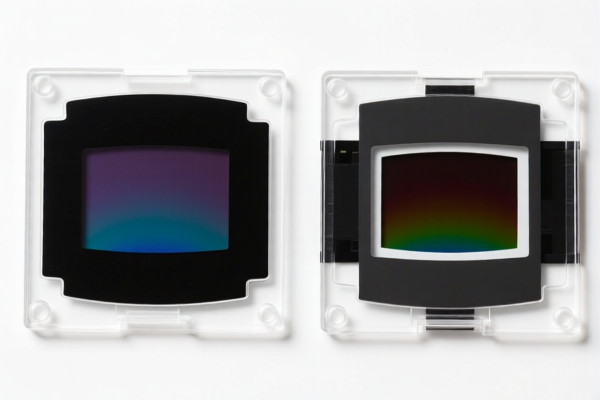
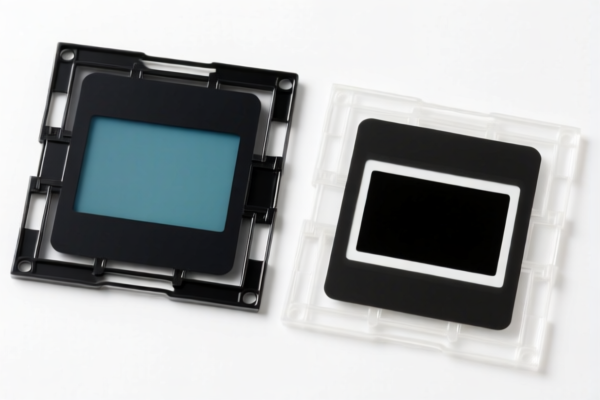
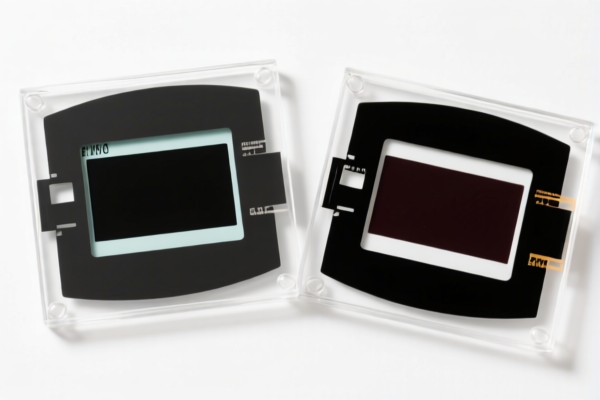
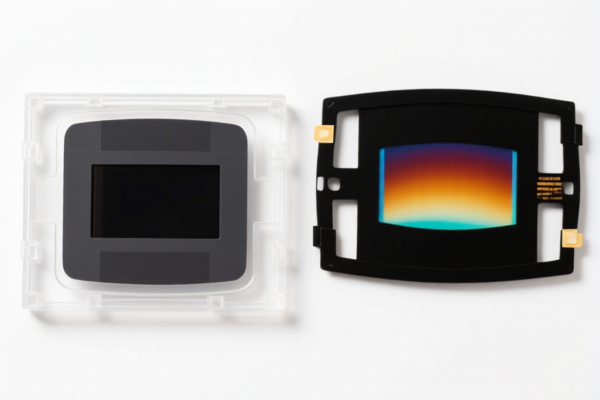
AI Analysis
📸 Photo Surface Protector (Camera Lens/Screen Films & Coatings)
🌐 HS Code Reference & Customs Clearance Guide | 2026 Latest Tariff Analysis | Strategic Clearance Strategy
📌 I. Product Definition & Classification: What Exactly is a "Photo Surface Protector"?
"Photo Surface Protector" is a generic term that typically encompasses two distinct categories of products used to protect photography equipment. In international trade, misclassification is the #1 cause of customs delays and excessive duties. You must distinguish between:
- Physical Films (Film/Membrane): Solid plastic sheets (PET, TPU, PE) adhered to lenses or screens.
- Liquid Coatings (Liquid/Chemical): Liquid solutions applied to surfaces to create a protective layer (hydrophobic, oleophobic, or hardening coatings).
⚠️ Critical Distinction:
- If it is a solid sheet → It is a Plastic Article (Chapter 39).
- If it is a liquid/solution → It is a Paint/Varnish/Chemical Coating (Chapter 32).
- Do not lump them together; the tax rates differ significantly!
📦 II. HS Code Classification Details (2026 Latest Tariff Authority Mapping)
Based on the provided data, here are the two possible classifications depending on the physical form of your product:
| HS Code | Product Description | Material/State | Key Characteristics |
|---|---|---|---|
| 3926.90.99.89 | Other articles of plastics (Film type) | Solid Plastic (PET/TPU/PE) | "Film/Membrane" morphology; Protective film for cameras. |
| 3926.90.50.00 | Other articles of plastics (Accessory type) | Solid Plastic (PET/TPU/PE) | Accessory for equipment; "Other plastic articles." |
| 3208.10.00.00 | Paints & varnishes (Liquid type) | Liquid/Chemical Solution | Polymer-based liquid coating; Non-aqueous or solvent-based. |
🔍 Key Insight:
- 3926.90.99.89 is a "Catch-all" category for plastic films. It assumes plastic material based on common sense with no conflict.
- 3208.10.00.00 treats the protector as a chemical coating/polymer resin (like a clear varnish), not a physical object.
💰 III. 2026 Latest Tariff Rate Breakdown (Including Additional Taxes)
✅ Applicable Country: United States (US)
✅ Origin: China (CN) (Implied by "122 Clause" and "Section 301" context in data)
✅ Effective Time: Current/2025-2026 Period
🎯 1. 3926.90.99.89 —— Plastic Protective Film (Solid)
This is the most common classification for stick-on film protectors (screen protectors, lens filters).
| Item | Content |
|---|---|
| Base Tariff | 5.3% |
| Section 301 (Additional) | +7.5% |
| Section 122 (Additional) | +10.0% |
| Total Tax Rate | 22.8% |
| Calculation Basis | CIF Value × 22.8% |
| De Minimis Exemption | ❌ Not Eligible (Likely due to Section 301/122 thresholds) |
| Legal Basis Path | USITC:3926.90.99.89 → Section 301: 7.5% → Section 122: 10% |
📌 Explanation:
- This is a "residual" or "catch-all" plastic category.
- The 22.8% rate is high but lower than liquid coatings.
- Section 122 refers to specific US trade enforcement actions (often related to counterfeiting or specific import volume controls).
🎯 2. 3926.90.50.00 —— Plastic Accessories (Solid)
Used if the product is defined as an accessory for camera equipment rather than just "film."
| Item | Content |
|---|---|
| Base Tariff | 3.8% |
| Section 301 (Additional) | +7.5% |
| Section 122 (Additional) | +10.0% |
| Total Tax Rate | 21.3% |
| Calculation Basis | CIF Value × 21.3% |
| De Minimis Exemption | ❌ Not Eligible |
| Legal Basis Path | USITC:3926.90.50.00 → Section 301: 7.5% → Section 122: 10% |
📌 Note:
- This code is slightly cheaper (21.3% vs 22.8%) because the base tariff is lower (3.8% vs 5.3%).
- Use this if the product is marketed as a "Camera Accessory" rather than "Plastic Film."
🎯 3. 3208.10.00.00 —— Liquid Protective Coating (Chemical)
Used ONLY if the product is a liquid (e.g., "nano-coating spray," "hydrophobic liquid").
| Item | Content |
|---|---|
| Base Tariff | 3.7% |
| Section 301 (Additional) | +25.0% |
| Section 122 (Additional) | +10.0% |
| Total Tax Rate | 38.7% |
| Calculation Basis | CIF Value × 38.7% |
| De Minimis Exemption | ❌ Not Eligible |
| Legal Basis Path | USITC:3208.10.00.00 → Section 301: 25.0% → Section 122: 10% |
📌 Warning:
- 38.7% is extremely high!
- Liquid coatings are subject to a 25% Section 301 tariff (vs. 7.5% for plastics).
- This is due to USITC classification of certain chemical/polymers under Chapter 32 facing higher retaliation tariffs.
- Avoid this HS Code if you can classify your product as a solid plastic film.
🛠️ IV. Customs Clearance Practical Advice (Battle-Tested Pitfall Guide)
✅ 1. Preparation Checklist (Must-Have Documents)
| Document | Required | Notes |
|---|---|---|
| ✅ Product Photos | ✔️ | Clear images showing the product form (Film vs. Liquid Bottle). |
| ✅ Spec Sheet | ✔️ | Must state material (e.g., "Polyethylene Terephthalate (PET)") and state (Solid/Liquid). |
| ✅ Commercial Invoice | ✔️ | Describe clearly: "PET Protective Film for Camera Lenses" or "Liquid Nano Coating." |
| ✅ Material Safety Data Sheet (MSDS) | ✔️ | Critical for HS 3208.10.00.00. Proves chemical composition. |
| ✅ Original Packaging | ✔️ | Keep branding and instructions intact for customs inspection. |
✅ 2. Declaration Strategy (Key Mnemonics)
🔥 "Solid Film = Plastic (Ch 39), Liquid = Chemical (Ch 32)! Save $$$$ by choosing Ch 39!"
| Product Form | Correct HS Code | Total Tax | Wrong Declaration Risk |
|---|---|---|---|
| Solid Film (PET/TPU) | 3926.90.50.00 or 3926.90.99.89 |
21.3% - 22.8% | If declared as Chemical → 38.7% Tax + Penalty! |
| Liquid Spray | 3208.10.00.00 |
38.7% | If declared as Plastic → Misdeclaration, Seizure Risk! |
✅ 3. Special Case Handling
| Scenario | Recommendation |
|---|---|
| OEM Camera Films | Declare as "Plastic Article, Camera Accessory" (HS 3926.90.50.00) to get the lower base tariff (3.8%). |
| Liquid Lens Cleaning + Protectant | Must use HS 3208.10.00.00. No way around the 25% Section 301 tax. Consider consolidating with other low-tax goods if possible (but legally distinct). |
| Combined Kits (Film + Liquid) | Declare separately! Do not bundle into one line item. Film goes to 3926, Liquid goes to 3208. Bundling leads to audit flags. |
| De Minimis (Section 321) | ❌ Not Applicable. Both codes are subject to Section 301/122 additional duties, which often block the $800 de minimis exemption for Chinese goods. |
🌍 V. Global Market Comparison (2026 Latest)
| Country/Region | Recommended HS Code | Tariff (China Origin) | Remarks |
|---|---|---|---|
| 🇺🇸 USA | 3926.90.50.00 |
21.3% | Best option for solid films. |
| 🇺🇸 USA | 3208.10.00.00 |
38.7% | Avoid for liquid coatings if possible. |
| 🇪🇺 EU | 3926.90.99 |
~4-6% | No Section 301 taxes. Much cheaper for EU market. |
| 🇨🇳 China | 3926.90.99 |
~5-7% | Low entry barrier for domestic or re-export. |
| 🇬🇧 UK | 3926.90.99 |
~4% | Post-Brexit tariffs similar to EU. |
📌 Conclusion:
- The US market is the most expensive due to Section 301 and Section 122 tariffs.
- Solid plastic films (HS 3926) are significantly more tax-efficient than liquid coatings (HS 3208).
- If you are selling in the US, ensure your product is a solid film, not a liquid, to save 15-17% in taxes.
📌 VI. Common Errors & Pitfalls (Lessons Learned)
❌ Error 1: Calling a "Liquid Nano Coating" a "Film Protector"
👉 Consequence: Customs inspectors will test the product. If it's liquid, they will reclassify to 3208.10.00.00 and charge 38.7% + penalties.
❌ Error 2: Ignoring Section 122 Tariffs
👉 Consequence: Even with low base tariffs, the 10% Section 122 adds up. Always calculate the Total Landed Cost including all add-ons.
❌ Error 3: Using Generic Descriptions ("Camera Accessory")
👉 Consequence: Vague descriptions trigger manual examination. Always specify: "PET Plastic Protective Film for Camera Lenses."
❌ Error 4: Assuming De Minimis Applies
👉 Consequence: Chinese goods under these HS codes are subject to additional tariffs, which often invalidate the $800 duty-free exemption. Plan for full duty payment.
✅ Correct Practice:
"Plastic Protective Film, PET Material, for DSLR Camera Lenses, HS 3926.90.50.00, Origin: China."
🎯 VII. Conclusion: Smart Classification Saves Money!
🎯 Remember the Golden Rule:
🔹 "Solid Film = Plastic (Ch 39), Liquid = Chemical (Ch 32)"
🔹 "HS 3926 (21-22%) beats HS 3208 (38.7%) by a mile!"
🔹 "Always specify 'Plastic' and 'Film' to avoid the 25% Section 301 hit on liquids."
📌 Pro Tip:
If you are a brand owner, consider formulating your product as a solid adhesive film rather than a liquid spray when targeting the US market. The 15% tax difference is pure profit saved!
📣 Immediate Action Required:
📞 Contact your customs broker with product samples.
📄 Submit a Binding Ruling Request if shipping high volume.
🚀 Optimize your HS Code choice today to maximize your US border profits!
✨ Professional Clearance Starts with Precise Classification!
💼 Every Percent Saved is Pure Margin Gained!
Customer Reviews
About HS Code Classification
The Harmonized System (HS) is an internationally standardized nomenclature developed by the World Customs Organization (WCO) to classify traded products. Over 200 countries use the HS system as the basis for customs tariffs, trade statistics, and import/export regulations.
Each HS code follows a hierarchical structure:
- Chapter (2 digits) — Broad category of goods (e.g., Chapter 84: Machinery and Mechanical Appliances)
- Heading (4 digits) — More specific grouping within the chapter
- Subheading (6 digits) — Internationally standardized breakdown, used by all WCO member countries
- National subdivisions (8-10 digits) — Country-specific extensions for further classification, such as US HTSUS 10-digit codes
Correct HS code classification is essential for smooth customs clearance, accurate duty payment, and compliance with trade regulations. Misclassification can lead to customs delays, overpayment of duties, or penalties.
When importing from CN to US, the applicable tariff rates may include:
- Most-Favored-Nation (MFN) rate — The standard duty rate applied to WTO members
- General rate — Applied to countries without trade agreements
- Trade remedy duties — Additional tariffs such as Section 301 (anti-dumping), Section 232 (national security), or countervailing duties
The information provided on this page is for reference purposes only. For official classification, please consult with your local customs authority or a licensed customs broker.